
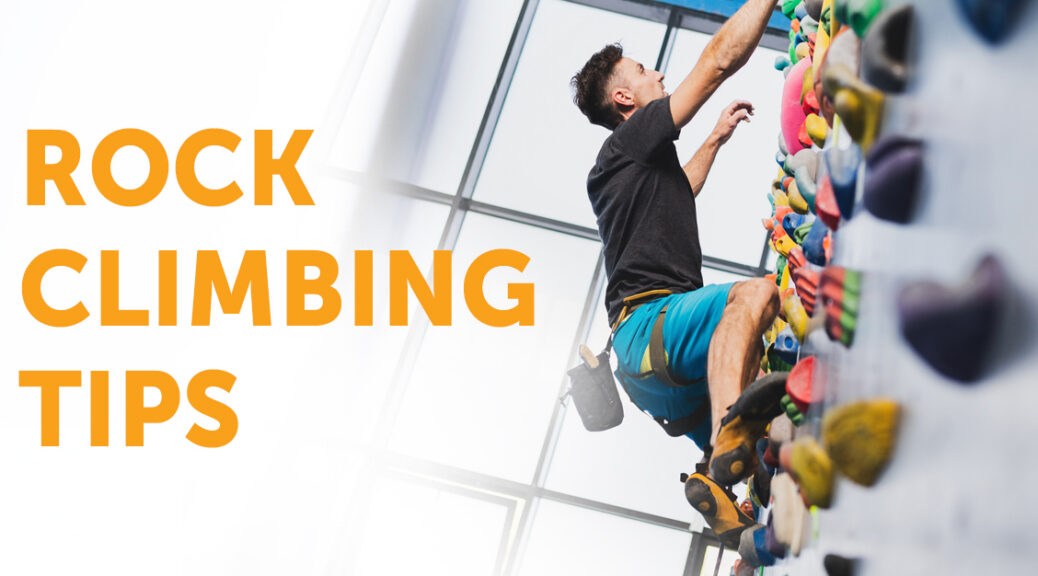
Rock climbing is a full-body challenge that demands strength, balance, flexibility, and mental focus. Because so many muscle groups are involved, showing up unprepared is a fast track to strain, fatigue, or injury.
Common Rock-Climbing Injuries:
Finger flexor pulley system injuries: The pulley system is what holds the tendons to the bone. Finger flexor tendon injuries are commonly caused by crimping. Crimp grips can put a significant amount of strain on the tendons, causing them to sprain or even rupture.
Shoulder Impingement Syndrome: When reaching overhead, the small space surrounding the rotator cuff decreases, sandwiching and pinching the tendons between the two bones. This can lead to the disorder of shoulder impingement where the tendons become compressed and then inflamed.
Medial Epicondylitis (Golfer’s/Climber’s Elbow): Overuse injury on the inside of the elbow becomes inflamed, commonly felt when gripping and pulling up.
Lateral Epicondylitis (Tennis Elbow): Pain felt on the outside of the elbow by the bone, commonly caused in climbers by overgripping, crimping, and other movements that extend the wrist.

How to Reduce the Likelihood of a Rock Climbing Injury:
Start With a Dynamic Warm-Up
A dynamic warm-up with a special focus on fingers, shoulders, hips, and knees can prepare you for the climb ahead. Fifteen minutes spent on these stretches can help get circulation flowing and the joints moving, getting you ready for the demands of climbing. In addition to a dynamic warm-up, start by climbing easier routes for about 10-15 minutes, taking care to avoid harder moves and crimping.
Additional Rock Climbing Injury Prevention Tips
- Avoid over-gripping: Hold handles and rock edges with only the minimum force necessary to stay attached to prevent premature forearm pump.
- Breathe continuously: Breathe rhythmically to stay calm and keep unnecessary tension out of your body.
- Progress slowly: Gradually working up in difficulty gives your connective tissue time to catch up with your enthusiasm.
- Drive with your legs: Push yourself up using your legs and feet instead of doing pull-ups with your arms. This saves energy and protects your shoulders and elbows.
- Keep arms straight when resting: Try to avoid unconsciously hanging on bent arms between moves. Bending your arms constantly tires your muscles fast.
- Keep close to the wall: Move your hips close to the rock face to keep your center of gravity balanced over your feet.
- Rest between attempts: Give your muscles short, deliberate shake-outs mid-climb and take full breaks between routes to allow recovery.
- Know how to land or fall: Land on shoulder-width, flat feet with bent knees to absorb impact like springs, keeping arms tucked in rather than reaching out to catch yourself. Roll with the momentum to dissipate the force and tuck your chin to protect your head from whipping back.
- Wear a helmet: Wear a well-ventilated helmet. Your head is actually very fragile; wearing protection can help prevent a major injury.
Work With a Physical Therapist
Climbing is excellent training, but it shouldn’t be your only form of exercise. Outside of climbing, focus on strength and mobility work tailored to your individual needs. Different climbers have different limiting factors like shoulder mobility, core strength, or hip stability. Because there is no one-size-fits-all program, a physical therapist can help identify your specific weaknesses and guide you toward the most effective strength and conditioning plan, especially if you’re returning from injury or increasing climbing intensity.
