

Category Archives: Blog

Regular Breast Cancer Screenings

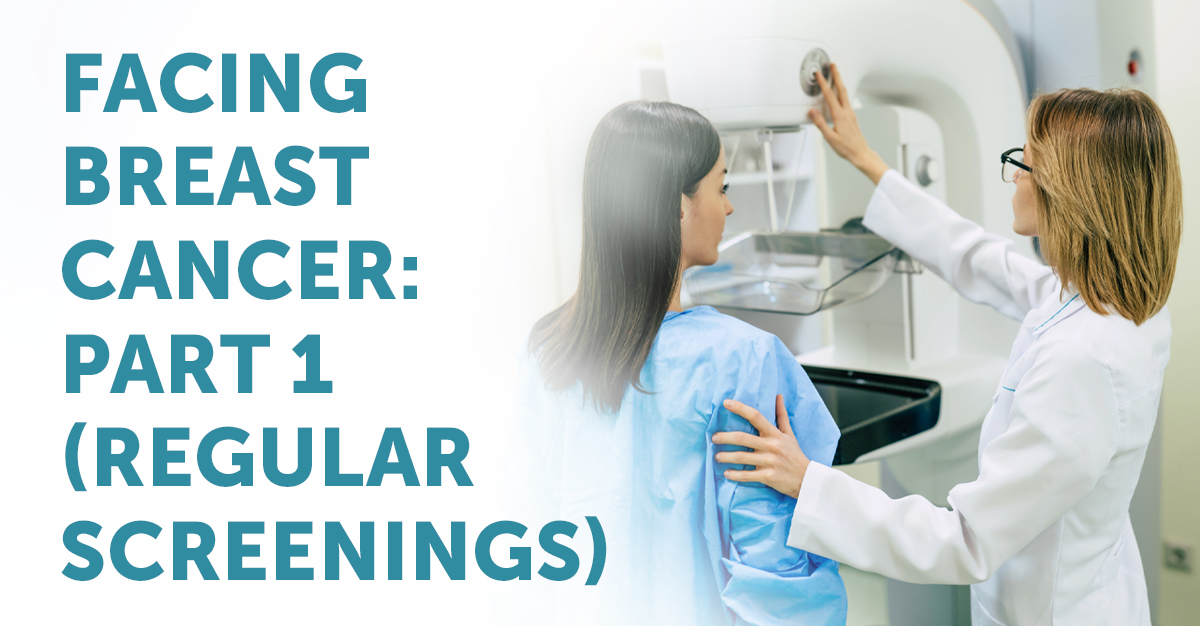
Facing Breast Cancer: Shared Stories Part 1 (Regular Breast Cancer Screenings)

Regular Breast Cancer Screenings

For Breast Cancer Awareness Month this October, we’re getting personal and sharing stories from women we work with and love, who have gone through their own health journey with breast cancer or conditions related to breast cancer. Each story and experience is different. We hope these stories help push someone who may be on the fence regarding mammograms and care, to be proactive about their health, advocate for early detection, and provide support to those who may be going through similar journeys. 

Physical Therapy Appointment

Laura’s Story: Regular Breast Cancer Screenings / Mammograms for Early Detection

“I was diagnosed with fibrocystic breast disease when I was 14 years old. I found a very large lump in one of my breasts when I was lying down one night. Shortly after, my family and I went vacationing with my uncle, who is a doctor. My mom told him about it and he examined me and suggested I get checked. My parents and the doctor decided to remove the mass since it was very large.

I remember the surgery was very quick. Just before I was wheeled away into surgery, my dad broke down into tears. When I woke up, the only thing I was upset about was being in pj’s because that meant someone changed me into them! But the surgery itself never stressed me out. Thankfully the mass turned out to be benign.

Looking back at my 14-year-old self, I thank God I wasn’t anxious at that time. For me, ignorance was bliss and it sort of protected me from any worry about being that young. I remember going back to high school with my chest wrapped in gauze. As a young teenager, breast cancer was not something I thought about much, even though I knew my family had a long history of cancer.

At first, after the surgery, I was scared because I was unfamiliar with fibrocystic breast disease, but as I learned more about it, a lump in your breast does not always mean it will turn out cancerous. I was actively looking for new lumps and learned how to do a breast self-exam. I continued these exams at home, scheduled regular breast cancer screenings, started eating healthy, and continued going to my follow-up appointments with my gynecologist. All of this has brought me peace of mind.

Recently, I had an ultrasound and mammogram done due to a breast lump, in which the results came back all clear. Thankfully, today my health is good.

I have opened up more about my experience with others – emphasizing that age is no exception to any of it, as well as gender. It is very rare that men are diagnosed with breast cancer, but not very long ago my uncle was diagnosed with this disease. Because of this experience and my family’s health history, it has driven me to educate myself more about new treatments, routine checks, and preventive breast self-exams, as well as considering genetic testing.”

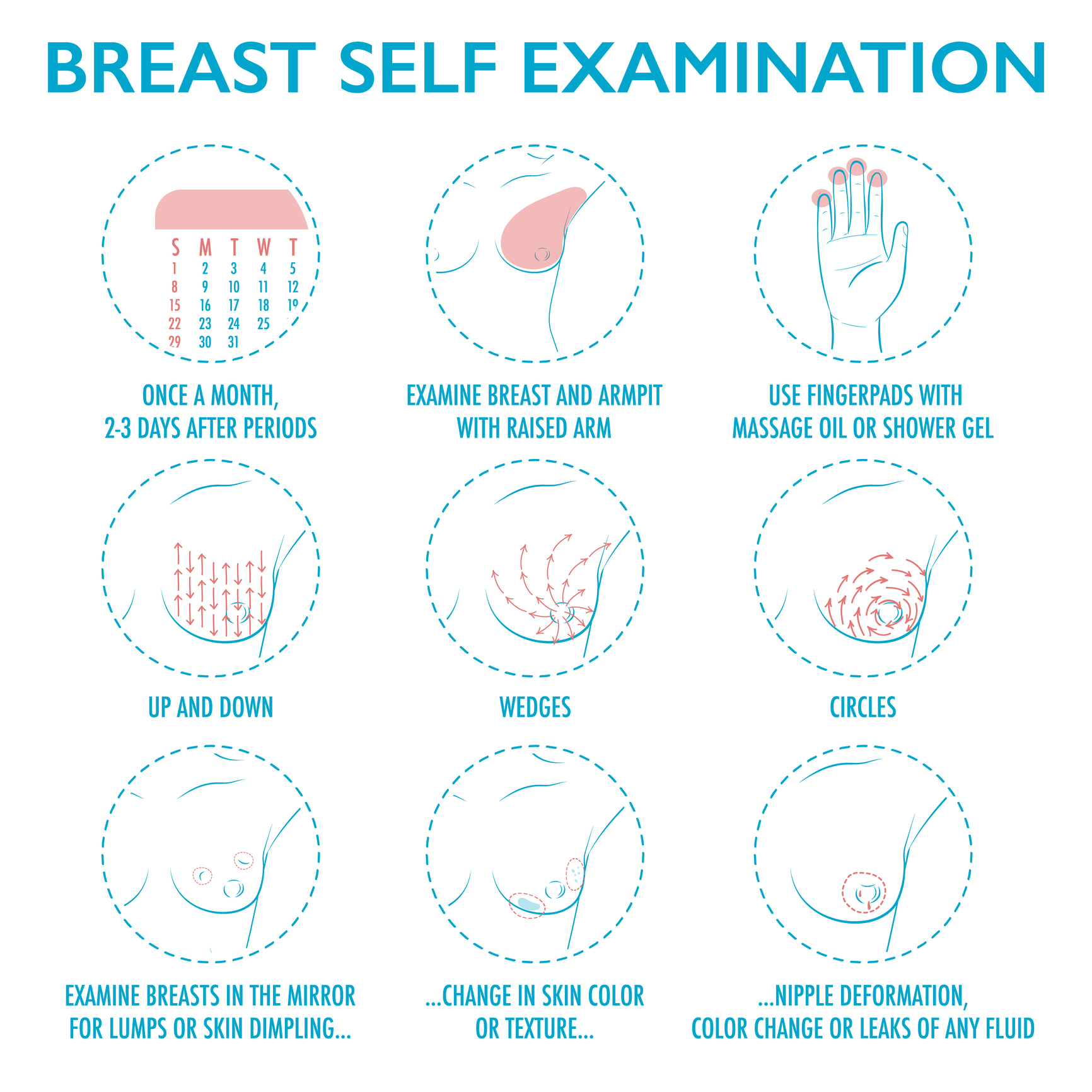
How to Do a Self Breast Cancer Screening

Breast Cancer Self Screening

View the Full Blog Series
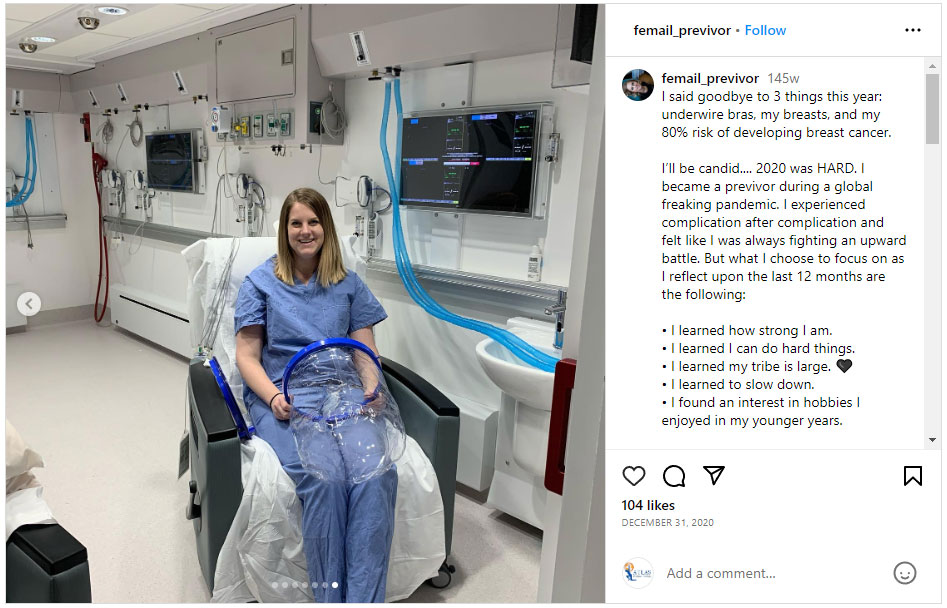
Regular Breast Cancer Screenings  Breast Cancer Previvor  Becoming a Breast Cancer Survivor


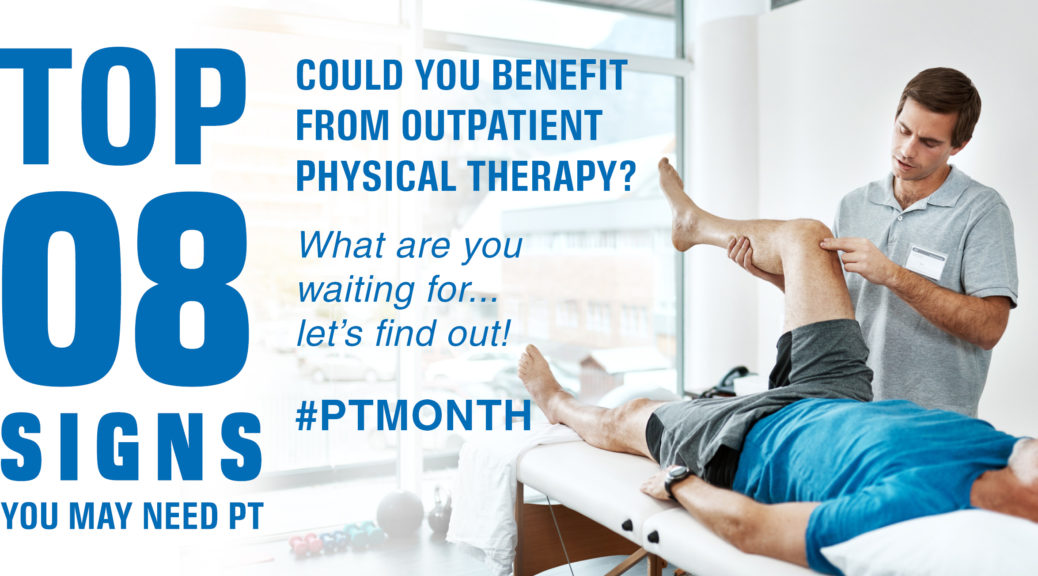
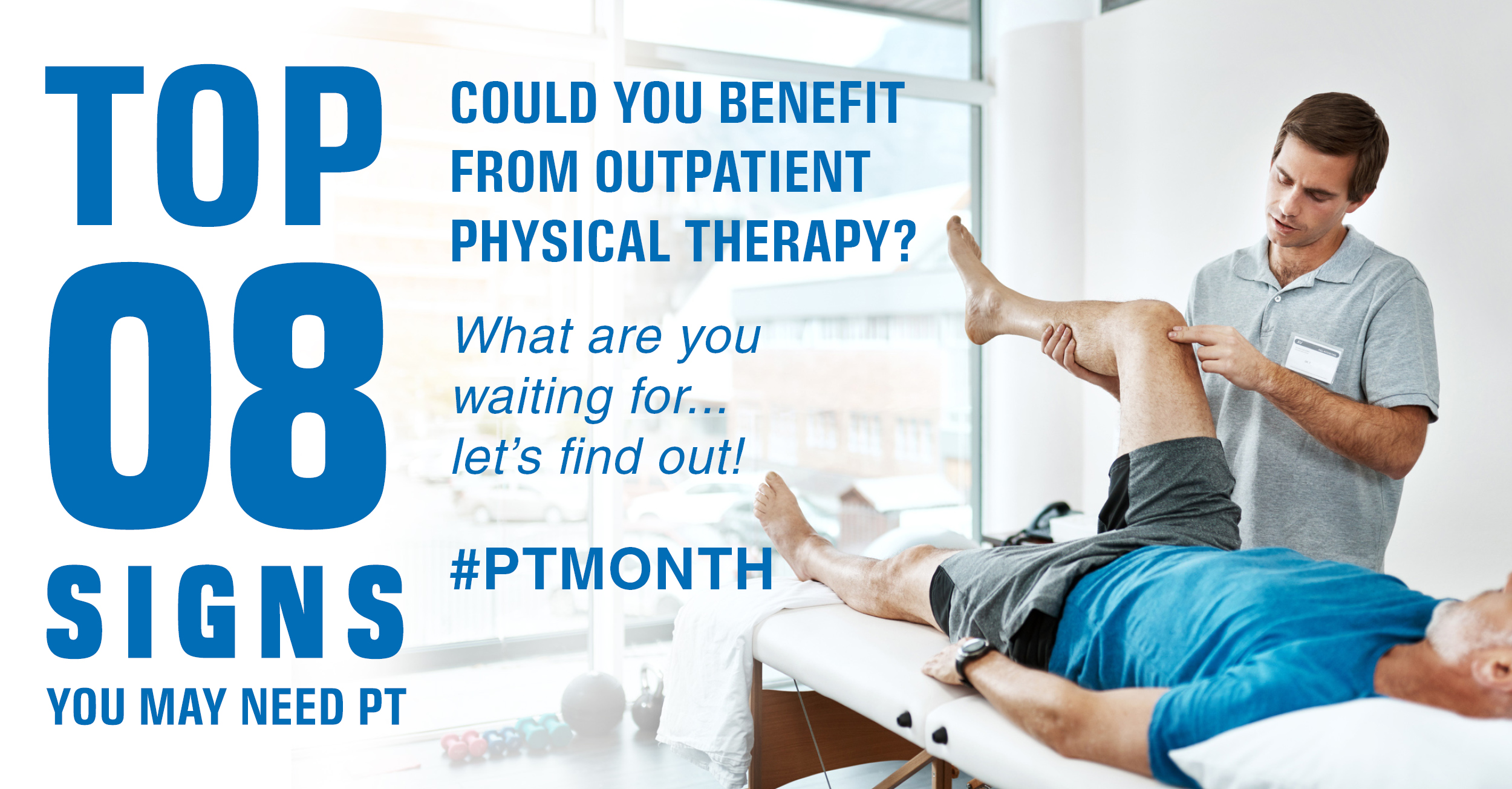
Top 8 Signs You Can Benefit from Outpatient Physical Therapy

benefit from outpatient physical therapy

We are so excited to have the opportunity to share what we’re all about. Without further ado, let’s get started on our Top 8 signs you could benefit from outpatient physical therapy. Some of these may be surprising…

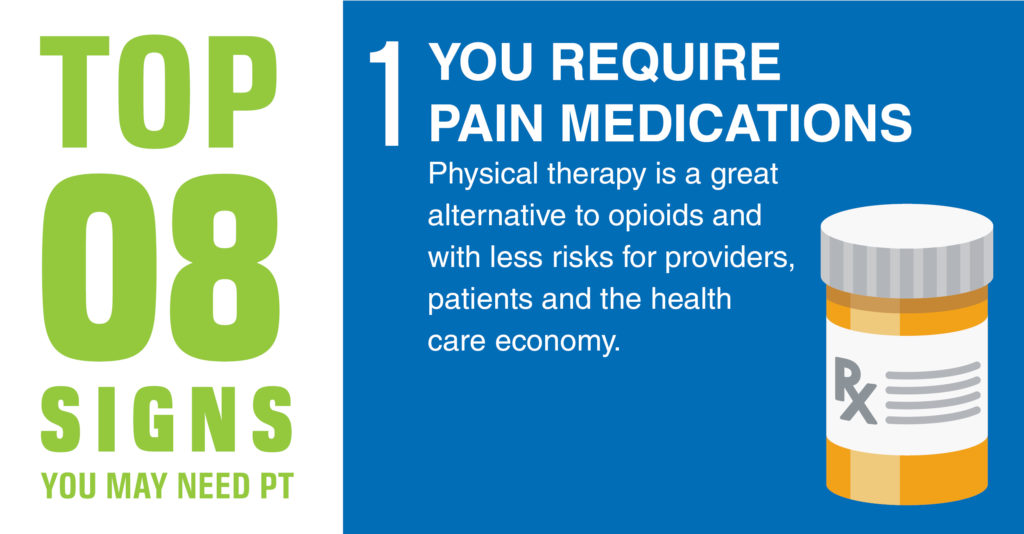
#1 You Require Pain Medications

Physical Therapy is an Opioid Alternative

The U.S. is the largest consumer of prescription drugs in the world, but it doesn’t have to be. Physical Therapy is a safe, non-invasive form of treatment for patients experiencing musculoskeletal pain or injuries. Instead of masking symptoms, we get right to the source and help you heal. Manage pain safely with physical therapy instead of relying solely on opioids or other pain medications.

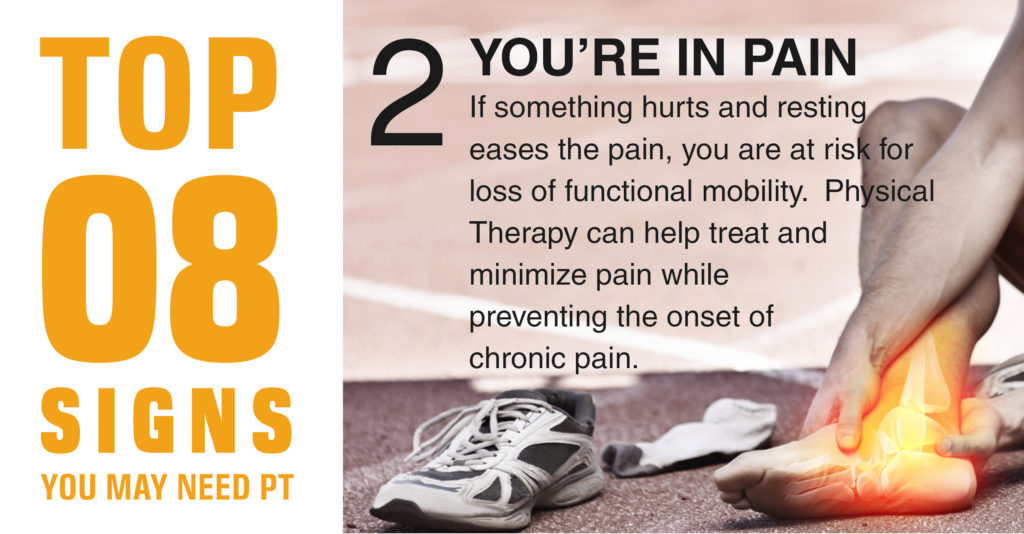
#2 You’re In Pain

Physical Therapy Treats Pain

If you are experiencing pain, we can help you treat the cause and not just the symptoms. In fact, physical therapists spend most of their careers working with patients to help them get rid of their pain so that they can do the things they enjoy most. If you have consistent pain and have been nursing an injury for weeks before seeking help from a medical professional, your body may have already begun to heal; and not always the way we would like it to. By going to physical therapy first, you can help cut down the time off work, off of sports, and promote healing much faster.

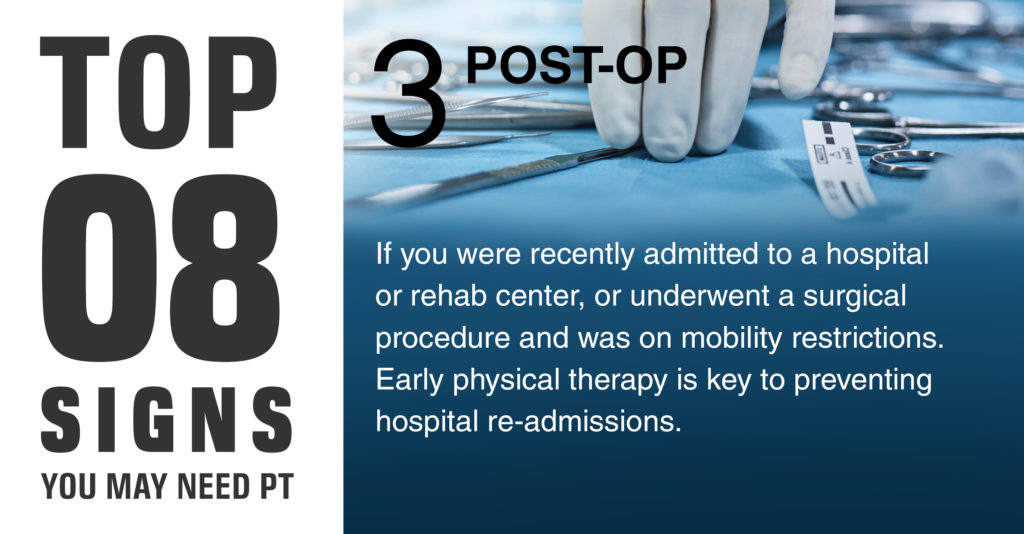
#3 Pre & Post Operative Recovery

Pre & Post-surgical rehabilitation helps patients regain their mobility after going through an operation. A post-op recovery plan typically includes:

  • Pain reduction
  • Exercises and stretches to improve strength, flexibility, and endurance
  • Balance and/or gait training
  • Patient education and self-care training

#4 Nagging Symptoms

Untreated, a nagging pain can become chronic pain. Overuse and Repetitive Strain Injuries (RSI) from work or sports can potentially lead to injury and sometimes surgery. These nagging pains are a warning from your body that you need help. Physical therapists can work with you to reduce your pain and prevent injuries from happening. By going through movement training, learning to take breaks when necessary, and developing stretch and exercise routines, we can get rid of that pain and keep you in your sport or workplace.
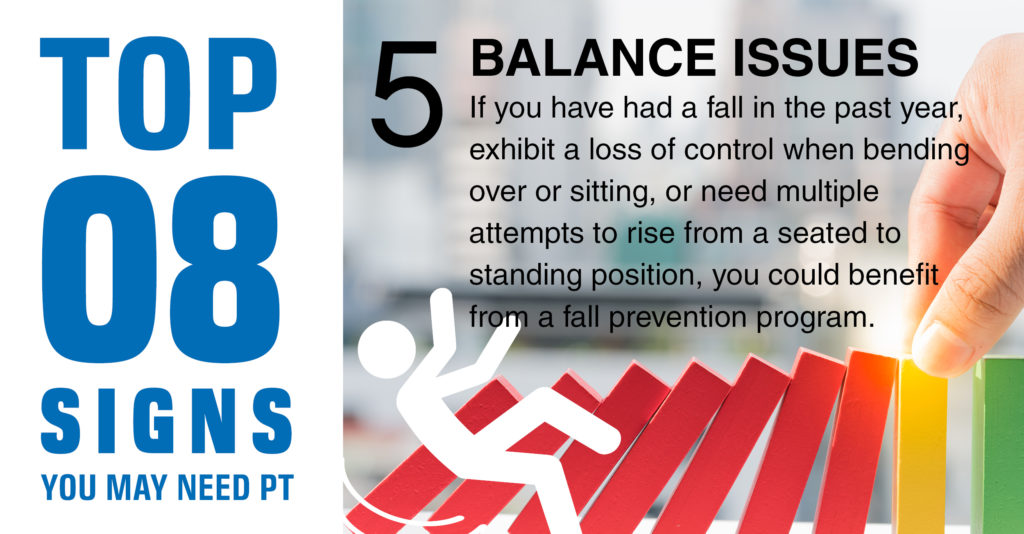
#5 Balance Issues

You may recall from Falls Prevention Week last month, that fall death rates have increased by 30% since 2007. For the most part, falls are preventable, and physical therapists are uniquely poised on the front lines in the battle against falls.

  • Have you fallen in the past year?
  • Do you feel unsteady when standing or walking?
  • Are you worried about falling?

If you answered yes to any of the above you could benefit from a fall prevention program to improve your strength, balance, & gait.

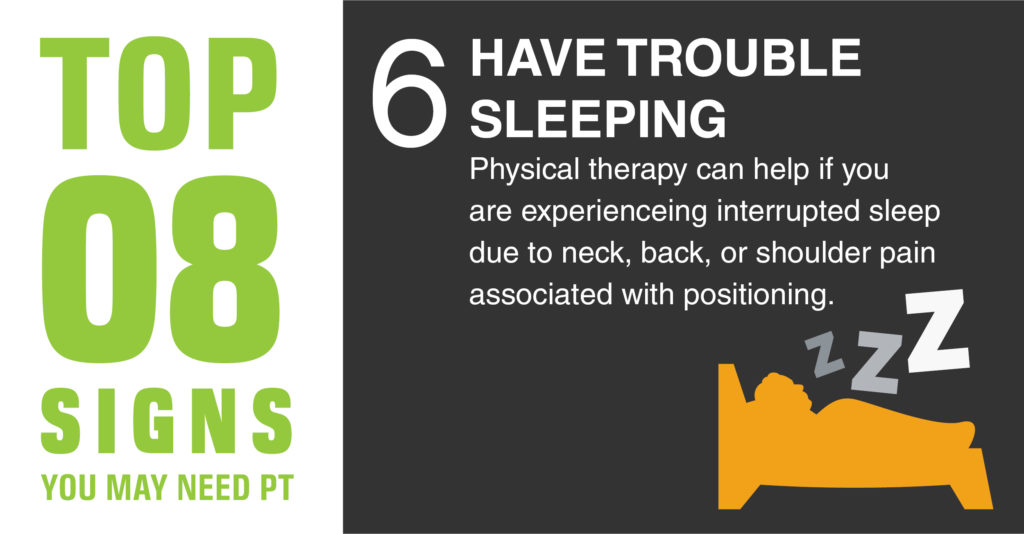
#6 Have Trouble Sleeping

Who knew physical therapists had so many skills up their sleeves?  Sleeping is one of the most important things that we can do for our bodies. Our bodies utilize this time for recovery and sleeping in a position that causes pain can prevent the body from recovering. Therefore, finding an appropriate sleeping position that results in your body feeling at ease is very important. In fact, part of rehabilitation is educating patients on how to sleep in a position that won’t aggravate the injury as they heal.

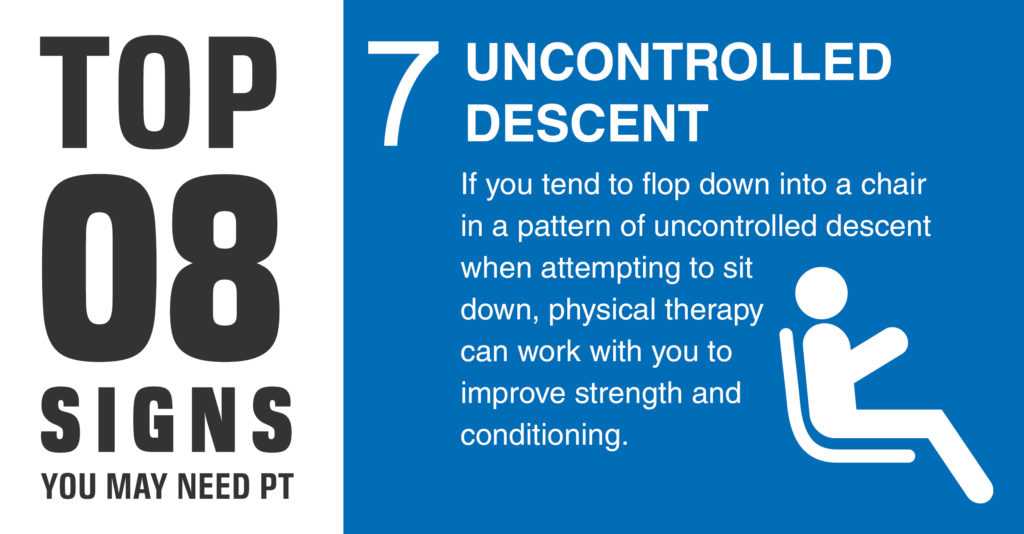
#7 Uncontrolled Descent

As physical therapists, we spend a good bit of time working with patients that suffer from muscle weakness. Whether it be from old age, prolonged bed-rest, or a neurological disorder, we can help.  If you or someone you know has trouble remaining upright or is unable to control their descent from a standing to a sitting position we can create a strengthening program designed specifically for their needs and ability levels.

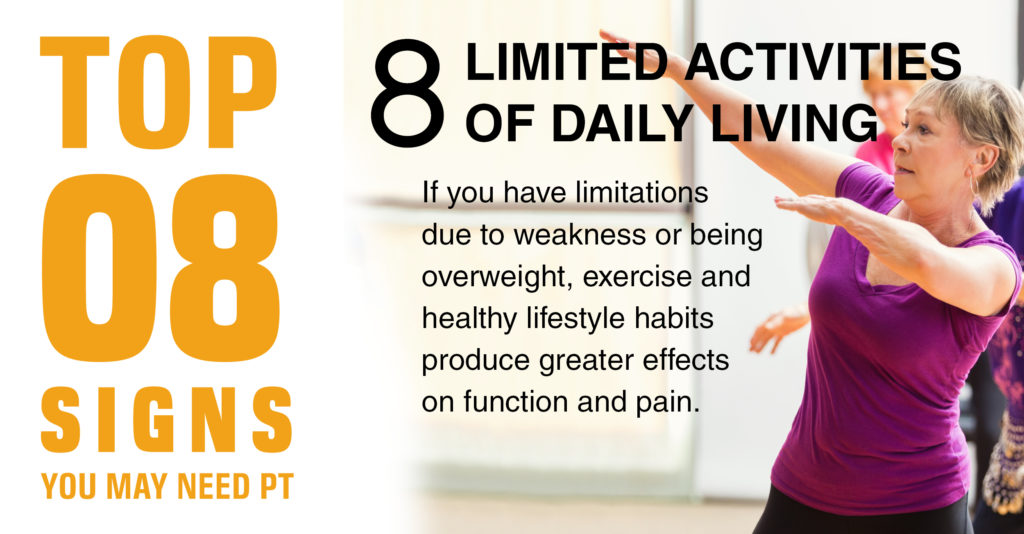
#8 Limited Activities of Daily Living

Physical Therapy ADL

Last but certainly not least, we help people achieve their movement goals! If you find yourself unable to carry the laundry basket down the hall, wash the car, or basically any of the activities that you do on a daily basis, we’re here for that. Helping people reach their goals is our passion and nothing makes us happier than seeing you get back to the lifestyle you love most.

From infants to seniors, physical therapists are working hard each day to help the people of their communities be at their best. We hope you enjoyed our Top 08 signs that could benefit from outpatient physical therapy. Maybe you have already been treated for one of them. If you believe that you need physical therapy you can easily find a physical therapist near you and get started today. With in-person and virtual options available through Telehealth, there has never been a better time to get started on your care.

physical therapy near me


Sternocleidomastoid (SCM) Muscle Pain

Sternocleidomastoid (SCM) Muscle Pain

Sternocleidomastoid Muscle Pain; SCM Muscle

Patients with complaints of ear pain or fullness could have Sternocleidomastoid (SCM) muscle pain.

Sternocleidomastoid (SCM) muscle pain typically brings complaints of dizziness, sudden hearing loss, headache, or jaw pain, even when everything appears to be normal. If this is the case it might be time to consider a muscular or mechanical reason for the symptoms. Many patients with these complaints are referred to physical therapy clinics after months of testing that are inconclusive and often negative. We have found the sternocleidomastoid muscle is often the source of the patient’s complaints.

Pain and Symptoms Associated with the Sternocleidomastoid

Sternal Division
This is the muscle head that connects to the breastbone (sternum).
Pain may be felt in these areas:

  • Cheek and jaw
  • Sinuses
  • Back of the head at the bottom of the skull
  • Around one eye
  • Top of head

It may also be associated with these symptoms:

  • Tearing of eye
  • Visual disturbances when viewing parallel lines
  • Chronic “sore throat” when swallowing,
  • Chronic dry cough

Clavicular Division
This is the muscle head that connects to the collarbone (clavicle).
Symptoms may be felt in these areas:

  • Pain across the forehead
  • Frontal sinus-like headache
  • Earache
  • Nausea
  • Dizziness
  • Car-sickness
  • Faulty weight perception of held objects
  • Hearing loss in one ear

Physical Therapy can help patients experience Sternocleidomastoid (SCM) muscle pain relief in as little as one visit.

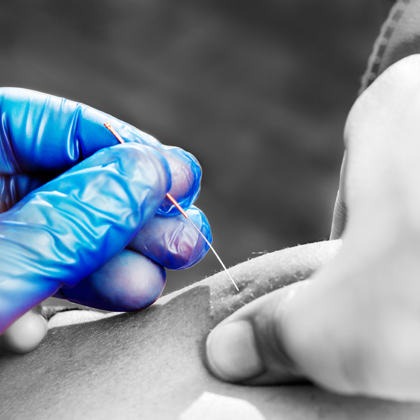
A physical therapist will evaluate the patient to determine which part of the Sternocleidomastoid Muscle is causing the patient pain, as well as the sensitivity levels of trigger points. Once a treatment plan has been determined our licensed physical therapists will work with patients on certain exercises and stretches designed to increase flexibility and strengthen the Sternocleidomastoid muscle. Hands-on manual therapy techniques are used to relax the muscle to help reduce pain levels. Dry needling may also be utilized to give relief to multiple trigger points.

This article was written by the physical therapists at Quad City Physical Therapy, located in Davenport, IA. More information about Qaud City PT can be found at www.quadcityptandspine.com

Ways to get rid of stress

6 Easy Ways to Get Rid of Stress

Ways to get rid of stress

When talking about stress, the first thing I think of is a quote from a poem by Damian Bar.  “We are in the same storm, but not in the same boat.” Our experiences and perspectives on situations are unique and can provide stress in different ways. Regardless of the size and shape of your boat, we invite you to practice some self-care and hopefully reduce the amount of stress you’re experiencing.

6 Ways to Overcome Stress

1. Exercise
Exercise is great for so many reasons. You already know it’s good for you, but did you know that it also helps reduce stress? Exercise causes your body to release endorphins, helps clear the mind, and can improve the quality of your sleep.

2. Promote Sleep
Stress can not only cause you to lose sleep, but lack of sleep is a key cause of stress! This cycle causes the body to get out of whack and only gets worse with time. Reduce your afternoon caffeine intake, spend time each day exercising, and try turning the TV off early. Instead of watching the news or binge-watching a new show, read a book.

3. Take Deep Breaths
“Take a deep breath” is not a cliché. For an easy 3-5 minute exercise, sit up in a chair with your feet flat on the floor and hands on top of your knees. Breathe in and out slowly and deeply, concentrating on your lungs as they expand fully in your chest. Deep breathing oxygenates your blood, helps center your body, and clears your mind, while shallow breathing may cause stress.

4. Eat Right
Eating healthy foods is a great way to get rid of stress. Avoid sugary, fatty snack foods as a pick-me-up. Fruits and vegetables are always a good option. Fish with high levels of omega-3 fatty acids have also been known to reduce the symptoms of stress.

5. Spend Quality Time with a Family Member or Friend
Combat stress by calling or texting a friend or family member. Put some time aside to grab a coffee or to talk. Having a scheduled time with someone can give you something fun to look forward to.

6. Listen to Music
When you feel overwhelmed, take a break and listen to relaxing classical or meditative music. Playing calm music has a positive effect on the brain and body. It can lower blood pressure and reduce cortisol, a hormone linked to stress.

What Does Self-Care Look Like To You

Take our poll to see what others are doing to relieve stress. 

Not every solution works for every person. If you need help finding stress relief or a self-care regimen that works for you, don’t hesitate to connect with a counselor or therapist for help. You’re worth it. PTandMe works closely with physical and occupational therapy clinics around the country. If you need help with an exercise program or are experiencing pain, please find the help you need to start feeling better today.

physical therapy near me
Gamer Ergonomics

Gamer Ergonomics

Ergonomics for Gamers

You’ve probably heard of ergonomics and how important it is. However, most people typically think of them when setting foot in the workplace, but what if we told you that it applies to gamers as well?

That’s right! Gamers can use proper ergonomics to keep their body healthy and pain-free while keeping the game off pause!

Physical Therapy Appointment

What is Proper Gamer Ergonomics Posture?

Posture is the position in which you hold your body upright against gravity while standing, sitting, or lying down. Gaming posture, therefore, is simply the position in which your body is in while gaming, which, more often than not, is in the sitting position.

Prolonged periods of sitting can increase your risk for muscular imbalance and joint degeneration of the hips, spine, and shoulders. This is why the #1 thing you can do to improve your gamer ergonomics is to take a standing break to stretch out and loosen up your body.

Some ailments that can be caused by improper gamer posture can include but are not limited to:

  • Back pain
  • Neck Pain
  • Improper balance
  • Muscle tightness

Proper Gaming Posture

We all know that playing video games while standing isn’t the ideal way to play, as most of us want to kick back and relax when firing up the console or PC, so some ways to improve your gaming posture when doing so include:

  • Sitting up straight in your designated gaming seat with your lower back supported by a lumbar curve.
  • Sitting with your bottom & thighs distributing even pressure on your seat.
  • Making sure that your monitor or TV is at eye level to put less strain on your neck.
  • Keep your controller or mouse and keyboard in a position where your wrists are straight and not angled upwards or downwards.
  • Making sure that the area behind the knee is not touching the seat.
  • Keeping your feet flat on the floor or on a footrest.

Proper gaming ergonomics promotes good posture and helps:

  • Keep bones and joints in the correct alignment so muscles can be used properly.
  • Decrease the abnormal wearing of joint surfaces that could result in arthritis and other severe conditions over time.
  • Decrease the stress on the ligaments holding the joints of the spine together.
  • Prevent the spine from becoming fixed in abnormal positions.
  • Counter fatigue because muscles are used more efficiently, allowing the body to use less energy.
  • Prevent strain or overuse problems.
  • Avert backaches and muscular pains.

Ergonomics play an instrumental role in how your body feels on a day-to-day basis, helping prevent suffering injuries due to strain and overuse.

Physical and occupational therapists have experience working with patients to improve posture and ergonomics. For more information, find a therapist near you today!

physical therapy near me

Preparing Athletes for a New Season

Back to Sports – Preparing Athletes for a New Season

Preparing Athletes for a New Season

Physical Therapy Appointment

Stepping onto the field, court, or track after a hiatus feels like reuniting with an old friend. To help athletes prepare for an upcoming season, we consulted with expert Brad Perry, owner of Kingwood Occupational & Physical Therapy in the Greater Houston area, for practical tips on training and injury prevention. Brad is a licensed physical therapist, USA Triathlon-Certified Coach, USA Track & Field-Certified Coach, an Adjunct Faculty at the Institute for Athlete Regeneration, where he teaches certifications for Sports Manual Therapy to the MLB, NBA, NFL, & NHL sports medicine teams, and a consultant for the Olympian Ryan Bolton.

How can athletes prepare for an up-and-coming sports season?

Some of the biggest things that people leave out are the recovery and rest portions.

They think about the output of what they need to do. They think ‘I have to put in all this training’, but they never schedule recovery and rest and coaches do it as well. They’ll schedule out all these weeks of training, but they forget to schedule out days to recover and rest properly. Some athletes think “Instead of recovering I’m going to go do an extra rep or two for whatever that sport is” and so then they end up overdoing it.

A lot of research has shown that rest and recovery is usually the most important thing for an athlete to do to prevent injury.

Sleep is Just as Important as Recovery and Rest

Young athletes can forget that sleep is so important. They stay up late studying and then they wake up the next morning, get to practice, and run on only five to six hours of sleep. Young athletes need sleep, especially if they’re a teenager, they’re growing and they need sleep. They need at least 8 hours of sleep.

Scheduling sleep and recovery days, of course, are some of the most precious things to keep in mind before getting back into a sport. I recommend all athletes have an athletic assessment performed on their mobility and strength before the season begins. That will examine where their weaknesses are, where their immobility and tightness are in their body. 

Most people get a school physical which is an assessment of general issues to make sure there are no alarming issues, such as with the heart and lungs, whereas an athletic assessment will uncover any underlying, detailed issues that might lead to injury. 

What routines should athletes do before starting their season? (ie. Basketball, cross-country, volleyball, football)

Trying to do some kind of strength and conditioning before the season gets rolling is important.

If an athlete hasn’t been training over the summer, it’s going to hit hard when they get out and try to practice.  From an individual standpoint, looking at their [athletic] assessment of what we were talking about before;  the mobility and strength assessments, looking at those and seeing what their strengths and weaknesses [are], and then we can teach them what exercises they need to be doing. From there, I [physical therapist] can prescribe the proper exercises and the proper strength and mobility exercises for them. Based on their assessments, we would focus on that routine.  For instance,  if they have decreased mobility in their ankle joint, we’d give them some ankle stretches. 

Athletes shouldn’t just go through the motions of a dynamic warm-up if they don’t know what’s weak and what’s tight.

Dynamic warm-ups should be specific to the athlete, and not necessarily to the team. They’re going to do warm-ups for the team, but at an individual level, an athlete should take 5 minutes before the team warm-up to focus on their specific strengths, weaknesses, and tightness.

What equipment do you suggest purchasing before going back to sports training? What should they pack in their duffel bag?

Proper shoes.

Make sure that they’ve tried those shoes on [and that] they’ve practiced in those shoes before game day. You know, you can’t just walk in — and that’s one of the biggest things– sometimes people throw on a pair of shoes and go run cross country or play basketball, and they’ve never tried their shoes on before, except on gameday. Then, all of a sudden, they have pain in their feet because they don’t fit properly. So, make sure they have the proper shoe wear at that point.  Each sport will have its equipment, but I think footwear is the most important thing.

What are your nutrition recommendations to prepare for sports training?

Clean eating is #1. When I say clean, I usually talk about eating your nutrients instead of just relying on shakes and things like that.

If you try to hit all the proper nutrition [goals] through actually eating the proper food, then you’ll probably check all the boxes off as far as getting the right amount of vitamins and minerals into the diet. Every sport is going to be a little bit different depending on what their needs are. One sport might need more protein or runoff carbohydrates than another sport, so it is going to be specific to their sport on what their food pyramid looks like.

Every pyramid is going to be a little bit different. Everybody thinks about the food pyramid, but in sports, every sport is a little bit different as far as energy levels and what they need to produce the best energy. If they haven’t already, I would definitely recommend talking to a dietitian, that way they understand what they need for their body to be fueled properly. Sometimes they’re just focused on calories and they’re eating bad food, with lots of sugar, and that doesn’t benefit an athlete at all.

Should athletes get a pre-participation sports physical?

There are physicals and then there are athletic assessments.

I have helped with school physicals every year. What it checks for is scoliosis, you’re checking for [any alarming] conditions. They’ll do a test on the strength of their shoulders to see if they can hold their arms in certain positions. It doesn’t tell you a lot about their specific weaknesses and strengths. [During a physical], they’ll listen to the heart and lungs, listen for heart murmurs or lung issues. And so that “checks the boxes” as far as being able to play the sport. Athletic assessments assess the athlete’s ability to perform the sport. The physical is [used to determine] if they can physically participate. The athletic assessment is [used to determine] if they can perform that sport to the best of their ability.

The athletic assessment is assessing, “What do they need to do to be able to get back to that sport?” We watch them squat. We watch them lunge. We watch them do a push-up. Then we usually [have them] do about 8 or 9 different types of movements to watch and assess their weaknesses. “Why can’t they perform this certain movement?” Well, is it because they’re weak or is it because they can’t move that way? So, they [may be] tight. If we do a squat, we can assess why they can’t go all the way down on a squat. “Is it because their glutes are weak or is it because their hips are stiff?”

That’s what a physical therapist should be able to do, to look at the mechanics of that movement and determine what’s stopping them, whether it is a strength or a mobility issue.

___________

We’d like to thank Brad Perry, PT, MS, STS, FAAOMPT,  for taking the time to answer our questions.  To find more information about his clinic in Kingwood, TX, or find a physical therapist near you, click the button below.

physical therapy near me

Benefits of Water Aerobics

The Benefits of Water Aerobics

Benefits of Water Aerobics

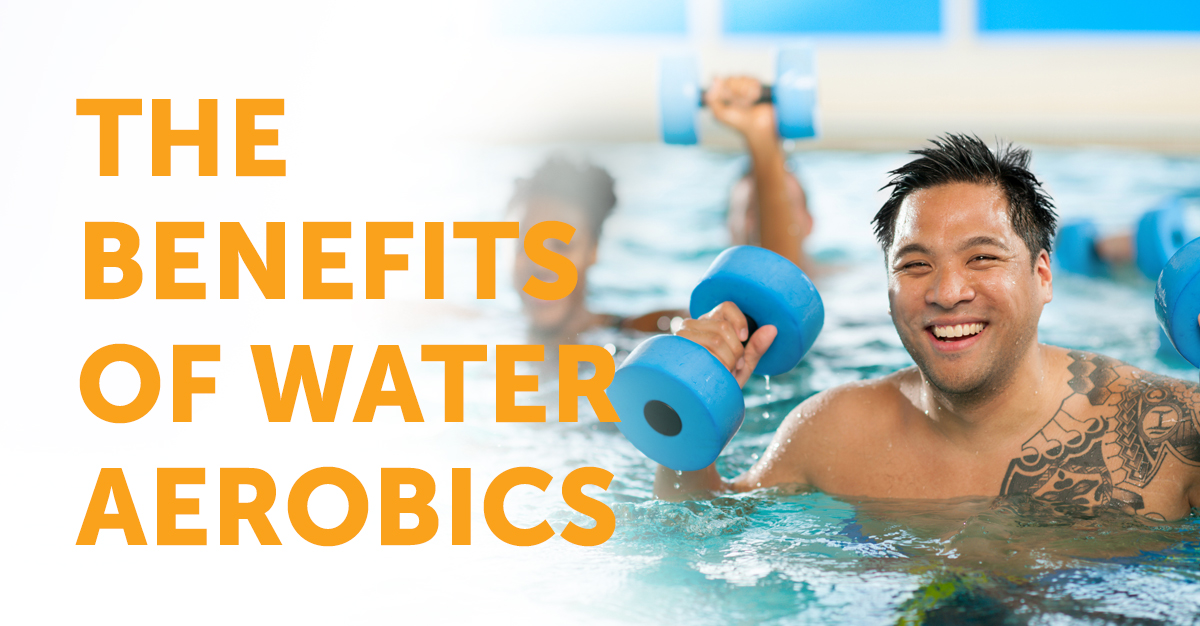
When summer gets too hot (Especially in August!), it’s good to break free from your typical outdoor exercises in your workout to avoid overheating. If you’re looking for a break from the heat and don’t want to ruin your routine, swimming laps or doing aquatic exercises are great alternatives. 

Both swimming and aquatic exercises (water aerobics) provide a great workout. Swimming laps build up endurance, speed, and strength, but if you’re unfamiliar with proper swimming techniques, or don’t have a lot of endurance, it’s better to start with water aerobics.

The Benefits of Water Aerobics

Aquatic exercise routines keep you cool in the summer and provide full-body aerobic workouts with anaerobic benefits. Some health benefits include burning calories, strengthening the muscles, improving cardiovascular health, and more balanced mental health. Plus, you get bonuses that you can’t get from a dryland exercise routine; these include:

  • Buoyancy: Water decreases the gravity placed on limbs. The decrease in gravity makes movement easier by lessening the stress on joints, muscles, and bones.
  • Water Pressure: Water surrounds the body and helps blood circulation in the joints. This can reduce swelling, and as swelling decreases, the range of motion can increase.
  • ResistanceWater provides a full-body workout to strengthen every working muscle. Muscle toning, weight reduction, and sensory awareness can improve with aquatic exercises.

Starting a Water Aerobics Workout

No matter how beneficial aquatic exercises are for the body, stay within the bounds of your swimming abilities. Most water aerobic exercises can be performed in waist-deep water. There is no reason to put yourself at risk in the pool. Simple exercises to help get you started include:

  • Jumping Jacks
  • Running/Walking
  • Squat Jumps
  • Side Shuffling
  • Scissor Kicks

Water aerobics is a great way to boost the overall health of your body. So take advantage of your local pools while you still can. If you are on a workout plan provided by a medical professional or have been put on medical restrictions, contact your provider today to determine if you could benefit from a water aerobic routine.

physical therapy near me

PT News PTandMe

PT News July 2023

PT News PTandMe

This time in PT News we recap what our clinics have been posting throughout July 2023. We are excited to bring you current physical therapy-based posts featuring published articles from PTandMe partnering clinics!

physical therapy near me

1. What is Dry Needling Really Like?

Written by Southern Rehab & Sports Medicine (Powered by P4) with over 4 locations in NW Georgia

The term “dry needling” refers to the fact that the needles themselves do not contain any medication. Because the needles do not have to be large enough to hold medicine, the needles themselves are very thin–8x smaller than the injection you receive at the doctor when undergoing vaccines. The primary goal of dry needling is to desensitize those irritable, tender knots in muscle tissue that cause pain…  Read more


breast cancer physical therapy

2. Physical Therapy and Breast Cancer

Written by The Jackson Clinics an outpatient physical therapy practice with 19 locations in NE Virginia

Breast cancer treatment often involves surgery, chemotherapy, radiation therapy, and hormonal therapy. Although these life-saving interventions are essential in breast cancer treatment, they can have side effects of pain, loss of range of motion in the affected limb, or swelling in the arm, commonly referred to as lymphedema. Physical therapy is a critical and essential part of breast cancer rehabilitation and recovery to restore function and improve quality of life…  Read more


Physical Therapy

3. What do Physical Therapists Do?

Written by Jaco Rehab, an outpatient physical therapy group with 4 locations on Oahu.

Physical therapists have a broad skill set. They can rehabilitate sprained ankles, treat a burn wound, or regulate a premature baby’s vitals in neonatal care. They collaborate with other healthcare professionals to provide treatment and get you moving. So if you get a physical therapy referral from your doctor, know you’re on the way to recovery. Keep reading to learn what physical therapists do… Read more

We hope you enjoyed our picks for the PT News July 2023 edition.

Find these locations and others to start feeling better today!

Physical Therapy Appointment

concussion treatment

Concussion Treatment and What to Expect

concussion treatment

Concussion Treatment and What To Expect

Physical Therapy Appointment

  • Our goal is to alleviate all concussion-related symptoms so that you may return to a normal, symptom-free life.
  • Vestibular, oculomotor, cognitive, and cardiovascular exercises will be incorporated into your treatment. Some exercises will bring on symptoms, which is normal. By introducing symptoms in a controlled manner, we are retraining the brain to adapt to these demands.
  • To monitor your symptoms while you are here, imagine that when you come in you have a “gas tank” or work capacity of 100%. We would like to work until your brain is at 50%. The goal is to fatigue your brain to make it stronger, not to make it hurt.
  • In the first 24 hours after therapy, you may experience an increase in symptoms, fatigue, and emotional changes.
  • Routine activities such as work and school may bring on symptoms. you should work until symptoms appear, then rest until they are gone. Finding your limit and not going beyond it will contribute to your success.
  • Symptoms can be limited at home, school, and work by minimizing screen time, especially at night and learning when your body and brain need to rest.
  • Exercises will slowly increase in duration and intensity as your treatment progresses and your brain begins to heal.

This information about concussion treatment was written by Rehab Associates of Central Virginia, they are dedicated to working with one another as a team across their sub-specialty practices and their physician partners. For more information click here.

More PTandMe concussions articles can be found here:


concussion physical therapy   


Physical Therapy Appointment

Best Foods to Beat the Summer Heat

Best Foods to Beat the Summer Heat

Best Foods to Beat the Summer Heat

You know it’s summertime when you feel the warm heat of the sun a bit stronger on your skin and the air seems to be a little bit drier -but your clothes are quite the opposite! Sweating is your body’s natural response to cool down as the earth finally tips toward the sun ushering in the season of sunshine. But did you know there are other ways to help your body keep its cool?

Aside from the obvious refreshing drink, surprisingly, this season’s harvest provides the best antidote to the harsher conditions this time of year brings. Because your body is constantly losing water through excessive sweating, any fruits or vegetables with at least 80% water content are a wise choice.

What are the Best Foods to Beat the Summer Heat?

We have rounded up some of the most easy-to-digest fruits and veggies that offer a water content greater than 90% for even more hydration and vital nutrients!

Watermelon (92%) – this juicy fruit provides electrolytes such as potassium, a good dose of Vitamin C, and provides fiber. These nutrients help promote a healthy gut by preventing constipation and promoting regularity of bowel movements.

Strawberries (92%) – They’re low in calories. Still, high in water, fiber, and vitamin C. Strawberries provide lots of fiber, disease-fighting antioxidants, folate, and manganese, which has been shown to reduce inflammation.

Tomatoes (94%) – One medium tomato alone provides about a half cup (118 ml) of water! It is rich in lycopene, which has been studied for its potential to lower the risk of heart disease and may help prevent the development of prostate cancer.

Bell Peppers (92%) – contains the highest amount of vitamin C, compared to other fruits and vegetables, providing 317% of your daily needs in just one cup (149 grams).

Celery (95%) – With an even more impressive water content value and low calories, it makes for a great weight loss food. It is also high in Vitamin K and potassium which protects against bone-related diseases like osteoporosis.

Cucumber (96%) – Cucumbers have the highest water content of any solid food. Cucumbers are rich in the mineral silica, which helps keep skin healthy. Silica is known for its role in collagen synthesis, keeping your skin smooth and firm all summer long.

Cherries – Although this fruit is not particularly high in water, it does boast some other sweet benefits. The superior antioxidant qualities of tart cherries have been found to help increase our antioxidant defenses and protect us against the damaging effects of oxidative stress. Unlike many fruits that are on grocery store stands year-round, cherries’ growing season lasts from late spring through early summer – so get them while you can!

Here is a full list of great summer harvest foods to take with you on your next trip to the grocery store.

Let the Sun do the Cooking!

These foods are cooked on the vine all summer long and are ready to be eaten as soon they’re picked, providing you with the perfect fuel. Eating lots of dry grains, meats, hot or spicy foods, or acidic drinks such as coffee, beer, and wine will quickly dry out, irritate, and inflame the body during this hot season leading to conditions such as exhaustion, heartburn, insomnia, rashes, and constipation, to name a few. While your body will be fine consuming some of these harder-to-digest foods, do your best to eat smaller portions of the barbecue and larger amounts of the salad, fruits, and veggies to promote healthy elimination and heat regulation. The cooling foods of summer will get you through the heat of the summer.

Here are some other ways to stay hydrated:

  • Carry a water bottle with you at all times.
  • Add fruit or cucumber to give your water a fresh, compelling taste.
  • Freeze fruits to last longer and eat them as a refreshing snack. Fruits that freeze well include bananas, grapes, melons, and oranges.
  • Blend frozen fruits into a smoothie. You can add additional healthy ingredients like yogurt, chia seeds, or protein powder for added nutritional value.

physical therapy near me   Physical Therapy Appointment