

Category Archives: Blog

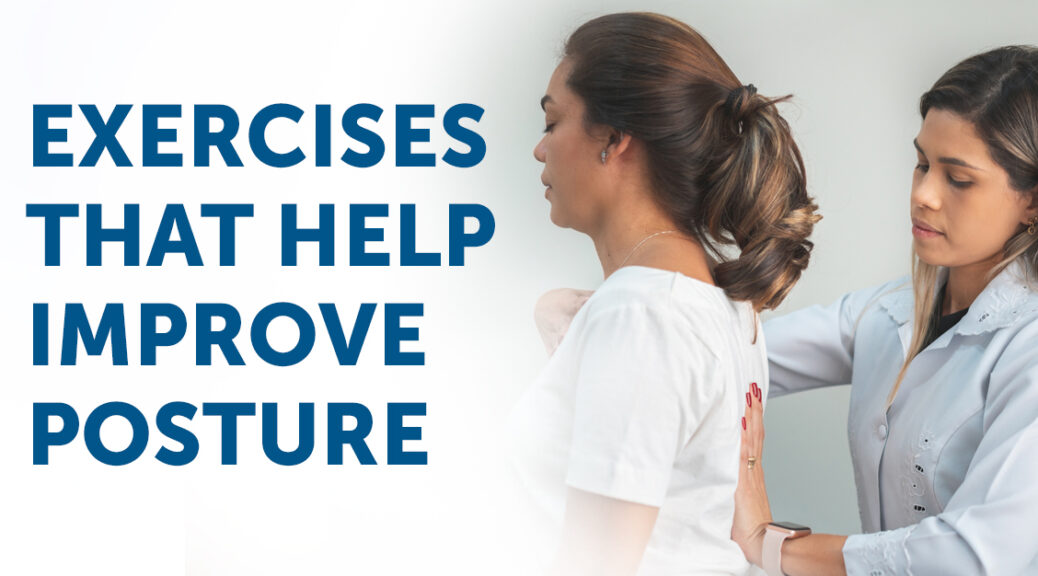
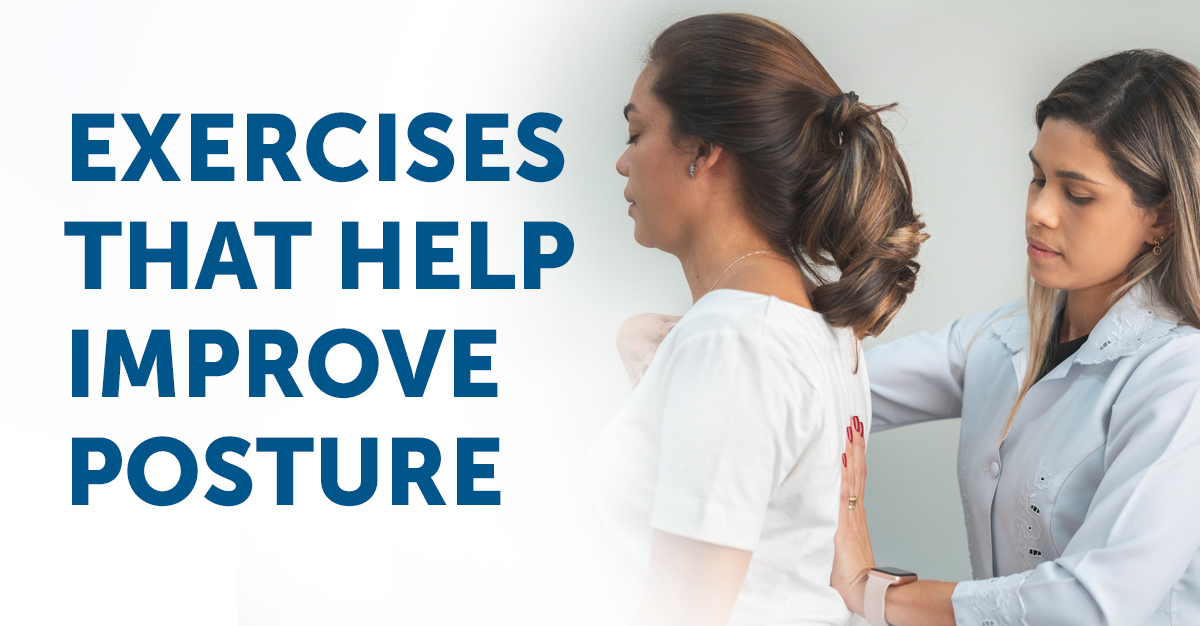
Exercises that help improve posture

Exercises that Help Improve Posture

Exercises that help improve posture

How Do I know I need to Improve My Posture?

Great Question. Here’s a quick test you can do at home. If you have a full-length mirror, stand in front so your full-body profile is visible. If not, ask someone to snap a photo on your phone. Take a look. If you have good posture, you should be able to draw a straight line down from your ears to the floor that intersects your shoulders, hips, knees, and ankles. If the lines connecting your joints look more like a connect-the-dots, than a straight line, that’s a good indicator that posture is something you should work on.

Physical Therapy Appointment

Exercises that Help Improve Posture:

Being aware that you need to improve your posture is the first step. We recommend starting with a few general exercises (below). If you don’t see the results you’ve intended or are having trouble sticking with it, the next step would be to ask for help. Physical therapists can provide you with a guided rehabilitation plan to improve posture and reduce long-term symptoms.

3  Exercises Recommended by Physical Therapists, that Improve Posture:

1. Supine Neck Retraction:

Lie on your back with your head on a pillow and your knees bent with your feet flat on the floor. Bring your chin straight back down, gently pressing the back of your head down on the pillow, lengthening the back of your neck. Hold for a few seconds and then relax. There should be no pain felt while doing this exercise. Repeat several times to strengthen the muscles at the front of your neck.

2. Shoulder Retraction:

You can do this while sitting or standing. You’re going to ease your shoulder blades back, hold, and relax. The goal is to squeeze your shoulder blades together as far back as you comfortably can. Hold this position for a few seconds before releasing. There should be no pain felt while performing this exercise. Repeat several times to strengthen the muscles in your upper back, which can help pull your shoulders back and improve posture.

3. Standing Wall Posture:

While standing, bring your shoulders back against a wall with your hips, with your feet slightly away from the wall. Bring your next up against the wall as well. Gently hold your body in that position, feeling the muscles along your spine, squeezing back in as you maintain an upright posture. Hold for about 30 seconds, let it relax, and do another round. This exercise helps you become more aware of your posture and strengthens the muscles that support your spine.

Special Thanks to Green Oaks Physical Therapy for filming.

Why is Good Posture Important?

Poor posture can significantly affect the body, leading to various health issues and discomfort. When the body is consistently slouching or hunched over, it puts a strain on our muscles and joints. This strain can lead to musculoskeletal imbalances, causing pain and discomfort in the neck, shoulders, back, and hips. Over time, poor posture can contribute to chronic conditions like headaches, back pain, and even digestive issues.

Before starting any exercise routine it’s important to consult with your healthcare provider. Some patients will have limitations regarding range of motion, strength, and ability.  If you know you need help, consult a physical therapist or a qualified fitness professional who can assess your posture and create a personalized exercise plan tailored to your needs and goals.

physical therapy near me

Lifestyle Changes That Can Help Lower Blood Pressure

Lifestyle Changes That Can Help Lower Blood Pressure

Physical Therapy Appointment

Did you know that you can help keep your blood pressure in a healthy range, by making a few lifestyle changes?

Preventing high blood pressure, which is also called hypertension, can lower your risk for heart disease and stroke. Try practicing these healthy living habits!

Keep Yourself at a Healthy Weight

Being overweight or obese increases the risk of high blood pressure. To determine whether your weight is in a healthy range, providers often calculate your body mass index (BMI). We can review your BMI during your next visit, and If your BMI isn’t where you would like it, we can go over ways to reach a healthy weight, including choosing healthy foods and getting regular physical activity, and if necessary, connect you with a care provider we know and trust.

Be Physically Active

If you need help staying active – let us know. We can work with you to develop an aerobic and strengthening plan that works for you. In the meantime, we have some easy ways to be more active to help you get started. Why are we so adamant about this? Because physical activity can help keep you at a healthy weight AND lower your blood pressure. The Physical Activity Guidelines for Americans recommends that adults get at least 2 hours and 30 minutes of moderate-intensity exercises, such as brisk walking or bicycling, every week. That’s about 30 minutes a day, 5 days a week. Children and adolescents should get 1 hour of physical activity every day.

Get Enough Sleep

Getting enough sleep is not only important to your overall health, but it’s a vital part of keeping your heart healthy and for recovery during rehabilitation. Not getting enough sleep regularly is linked to an increased risk of heart disease, high blood pressure, and stroke. If pain is inhibiting your sleep, let us know. We can work with you to identify the best sleeping positions for your injury.

We love working with members of our communities and helping them live full, meaningful lives. Don’t hesitate to reach out for more information about our services, follow up on a plan of care, or stop by to say hello!

physical therapy near me

exercise tips

Exercise Tips to Get You Moving

exercise tips

Becoming physically active requires a conscious effort for most adults. Develop an exercise program to fit your individual goals. Be sure to consider ways to increase your activity levels throughout the day. Every little bit helps! If you find it too challenging to fit 30 minutes of activity into your day, break it up into 10 to 15-minute intervals and accumulate your activity throughout the day.

Physical Therapy Appointment

Exercise Tips to Activate Your Lifestyle.

Challenge yourself to move more! Find ways to become more active in your daily living. For example, you can:

  • Take the stairs instead of the elevator or escalator.
  • Take a 10-minute stretch or walk break at work.
  • Turn on the music and vacuum.
  • Wash your own car – and your neighbor’s too.
  • Do strength-training exercises in front of the TV
  • Park in the furthest parking space and walk.

Make Fitness fun!

The secret to a successful fitness program is enjoyment! Choose physical activities that you enjoy doing. This could mean walking, playing tennis, biking or joining a team sport.

  • Consider trying something different, such as yoga, WallPilates or kickboxing.
  • Coach a youth sports team – your rewards will be many.
  • Enter a race – it will motivate you.
  • Plant a garden and share its beauty and bounty.
  • Make Sunday walks or hikes a weekly tradition.
  • Set up a morning walking or biking club; exercise buddies can help you be honest.

Anticipate the unexpected.

Lousy weather, travel (both business and pleasure) and the ups and downs of daily life can play havoc with your best-laid fitness plan. Always have a backup plan. If it is raining have an indoor activity to do, If you are taking a trip, throw in your walking shoes or a jump rope and fit in exercise when you can.

In addition to being stronger and more fit, aerobic exercise has so many health benefits. If you need help getting started or need some motivation to contact your physical therapist. They can work with you to create an exercise plan that works for you and your ability levels. You are never too old to be more active!

physical therapy near me

ladder safety

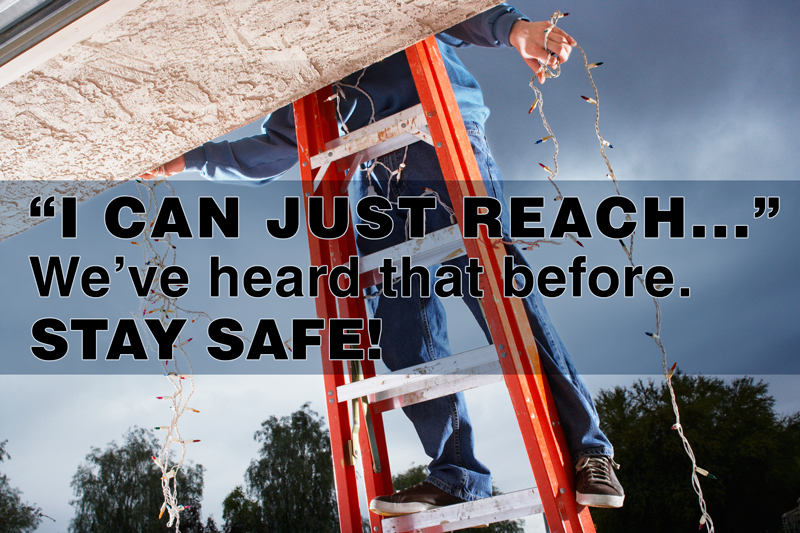
Ladder Safety

ladder safety

As we start to put up our holiday decorations, it’s important to remember that safety comes first.
We’ve collected a few tips on proper ladder safety usage to help you stay safe this holiday season!

Physical Therapy Appointment

LadderSafety

  • If you feel tired or dizzy or are prone to losing your balance, stay off the ladder.
  • Wear clean slip-resistant shoes. Shoes with leather soles are not ideal for ladder use as they are not considered sufficiently slip-resistant.
  • When the ladder is set-up for use, it should be placed on firm level ground and without any type of slippery condition present at either the base or top support points.
  • Ladders should not be placed in front of closed doors that can open toward the ladder. The door should be blocked open, locked, or guarded.
  • Before using a ladder, inspect it to confirm it is in good working condition.
  • Ladders with loose or missing parts should not be used.
  • Rickety ladders that sway or lean to the side should not be used.
  • Make sure you’re using the right size ladder for the job.
  • The length of the ladder should be sufficient so that the climber does not have to stand on the top rung or step.
  • Only one person at a time should be on a ladder unless the ladder is specifically designed for more than one climber (such as a Trestle Ladder).
  • Never jump or slide down from a ladder or climb more than one rung/step at a time.

Ladders can be extremely hazardous when they aren’t used properly, so please take advantage of the safety precautions above. If you find yourself in pain, please come see us. We can help get rid of your pain and back to the holiday traditions and events that you look forward to. It’s our job to make sure you feel great and ready to celebrate!

Looking for a physical therapist to help you recover from a ladder injury?

physical therapy near me

More information about ladder safety can be found in our Newsletter

Avoiding Ladder Hazards

Looking for more holiday survival tips? We have them here for you!

  Lifting Safety Tips PTandMe  elf injuries physical therapy PTandMe


PT News PTandMe

PT News November 2023

PT News PTandMe

This time in PT News we recap what our clinics have been posting throughout November 2023. We are excited to bring you current physical therapy-based posts featuring published articles from PTandMe partnering clinics!


physical therapy near me

urinary incontinence

1. Let’s Talk Bladder Leakage: 

Written by Mission Physical Rehabilitation with locations in San Antonio.

In the US, nearly 40% of women are affected by urinary incontinence- otherwise known as involuntary bladder leakage, or overactive bladder (OAB). Even though so many women suffer with this issue, few admit to dealing with it and believe nothing can be done. Multiple factors are linked to incontinence. Pregnancy & delivery- with risk increasing with each child. Aging- women after menopause are more likely to develop urinary incontinence…  Read more


Physical Therapy

2. What is a DPT

Written by Carolina Physical Therapy an outpatient physical therapy practice with clinics in Columbia, Charleston, Sumter, and Rock Hill, SC.

Have you ever wondered what the letters after your physical therapist’s name mean? You might have come across an earlier blog post of ours about Physical Therapy credentials, detailing what DPT, PT, or PTA stand for and explaining the significance of a physical therapist’s credentials. This post serves as a continuation because the field of physical therapy is continually evolving! …  Read more


3. Fall Prevention Tips

Written by Sport & Spine Physical Therapy an outpatient physical therapy group with locations in Wausau & Wittenberg

EVER WONDER WHY FALL PREVENTION IS SUCH A BIG DEAL?
Fall prevention becomes increasingly crucial as we age, especially for those 65 and above. According to the CDC, an alarming average of 36 million falls occur each year among this age group, affecting a staggering 1 in 4 people… Read more

We hope you enjoyed our picks for the PT News November 2023 edition.

Find these locations and others to start feeling better today!

Physical Therapy Appointment

What is Diastasis Recti?

What is Diastasis Recti?

What is Diastasis Recti?

Physical Therapy Appointment

When you’re pregnant, your body goes through a LOT of changes. Some things, you’ve likely heard from your friends and family. You’ve prepared yourself as best you can and you’re ready for it.  Other things may not have made it into the conversation and you’re left wondering if it’s normal. That’s where we come in. Diastasis Recti is a fancy term for Abdominal Separation. Your baby needs a place to grow and your body accommodates. Diastasis Recti affects about 60% of expecting/post-partum women and typically fixes itself within 8 weeks after delivery. For women still struggling with symptoms six months after childbirth, you’re not alone, and physical therapy can help.

What are Common Symptoms of Diastasis Recti:

A tell-tell sign of diastasis recti can be a bulge in the center of the stomach, which can be easier to see when your abdominal muscles are in use. This bulge can be worsened by activities that activate the abdominal muscles such as:

  • Sneezing
  • Coughing
  • Lifting objects

Another common symptom of diastasis recti is lower back pain, as this is because your abdominal muscles also support your lower back and as they become separated, they won’t perform as well as they should, causing your lower back muscles to be in pain.

Physical therapy for diastasis recti may include:

  • Core stabilization and postural strengthening.
  • An abdominal brace to provide support and reduce pain.
  • An exercise program designed to stretch overly tightened muscles.
  • Education and training on how to lift and carry your baby as your abdomen recovers.

If you are unsure whether you have diastasis recti, talk to your OB-GYN or physical therapist and ask them to evaluate your core muscles. If you do have an abdominal separation, a physical therapy program can give you all the tools necessary that you will need to bring your abdominal muscles back together.

physical therapy near me

Treatment Options for Achilles Tendinitis

Treatment Options for Achilles Tendinitis

Treatment Options for Achilles Tendinitis

Physical Therapy Appointment

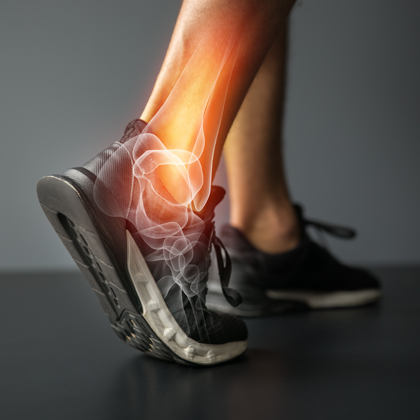
The Achilles tendon is the largest tendon in the body. It connects your calf muscles to your heel bone and is used when you walk, run, and jump.  Although the Achilles tendon can withstand great stresses from running and jumping, it is also prone to tendinitis, a condition associated with overuse and degeneration. Achilles Tendinitis causes pain along the back of the leg near the heel. If you suffer from Achilles Tendinitis – try these pain relief methods.

Treatment Options for Achilles Tendinitis

REST: Cut back your training by decreasing your mileage and intensity. Also, avoid hills and speedwork. You may substitute running with swimming, running in water, and biking to reduce the irritation.

ICE: Apply ice to the affected area for 10 to 20 minutes with at least one hour between applications. Do not apply ice directly to your skin – a pillowcase or dish towel works well as a protective barrier. Frozen peas or reusable gel packs are flexible and conform well to the injured area.

PROPER FOOTWEAR/ORTHOTICS: This situation can be corrected with arch supports or custom orthotics. Orthotics allow your foot to maintain the correct position throughout the gait. Avoid walking barefoot and wearing flat shoes. If your pain is severe, your doctor may recommend a walking boot or to cast you for a short time. This gives the tendon a chance to rest before any therapy is begun.

NON-STEROIDAL ANTI-INFLAMMATORY MEDICATION: Drugs such as ibuprofen and naproxen reduce pain and swelling. They do not, however, reduce thickening.

PHYSICAL THERAPY: Achilles tendinitis can be a painful, chronic condition if left untreated. Physical therapists may use stretching, massage, custom orthotics, strengthening, and/or balance activities to help your body relieve pain and heal.

CORTISONE INJECTIONS: Cortisone, a type of steroid, is a powerful anti-inflammatory medication. Cortisone injections into the Achilles tendon are rarely recommended because they can cause the tendon to rupture (tear).

physical therapy near me

PT News PTandMe

PT News October 2023

PT News PTandMe

This time in PT News we recap what our clinics have been posting throughout October 2023. We are excited to bring you current physical therapy-based posts featuring published articles from PTandMe partnering clinics!

physical therapy near me

Breast Cancer Previvor

1. My Previvor Journey

Written by Sport and Spine Clinic of Auburndale & Marshfield with locations in WI.

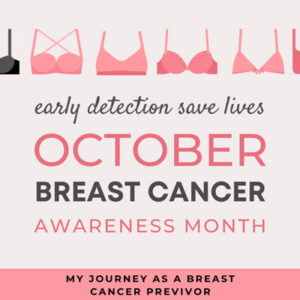
To celebrate and honor everyone touched by breast cancer, one of our team members bravely shares her journey, including her family’s battles with cancer, genetic testing, and preventive measures against breast, ovarian, and uterine cancer. She also walks us through some of her struggles along her journey and how her care team helped advocate for her when she felt like she wanted to give up…  Read more


2. Physical Therapy and Osteoarthritis

Written by Mishock Physical Therapy an outpatient physical therapy practice in PA with locations throughout Montgomery, Berks, and Chester Counties.

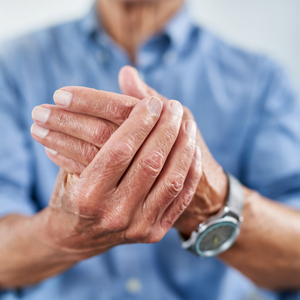
EXERCISE IS AS GOOD AS NSAIDS IN RELIEVING PAIN FROM OSTEOARTHRITIS! Osteoarthritis (OA) is the most common form of joint disease and the leading cause of pain in older people. OA often begins by age 40 and can worsen as we age with twenty-four percent (24.6%) of all adults, or 58.5 million people, having arthritis. (Katz, JAMA 2021) For those 65 years or older, half (50.4%) reported being diagnosed with arthritis. It is a leading cause of work disability, with annual costs for medical care and lost earnings of $303.5 billion. (CDC, Arthritis 2022)…  Read more


physical therapy

3. You Can Have a Quicker Recovery After Surgery With Pre-Hab!

Written by Wright Physical Therapy, an outpatient physical therapy group with multiple locations throughout Idaho.

Participating in pre-hab therapies has several advantages. It can help the body heal faster and avoid injuries, all while speeding up recovery time. Pre-hab can be divided into two categories: Pre-hab for injury prevention and pre-hab for surgical recovery are two different types of pre-hab… Read more

We hope you enjoyed our picks for the PT News October 2023 edition.

Find these locations and others to start feeling better today!
Physical Therapy Appointment

Becoming a Breast Cancer Survivor

Facing Breast Cancer: Part 3 (Becoming a Survivor)

Becoming a Breast Cancer Survivor

For Breast Cancer Awareness Month this October, we’re getting personal and sharing stories from women we work with and love, who have gone through their own health journey with breast cancer or conditions related to breast cancer. Each story and experience is different. We hope these stories help push someone who may be on the fence regarding mammograms and care, to be proactive about their health, advocate for early detection, and support those who may be going through similar journeys.

Physical Therapy Appointment

Esperanza’s (Hope’s) Story: Breast Cancer Survivor (Getting a Positive Diagnosis)

At 48 years old, right before I was supposed to go in for my yearly mammogram, I started suffering from night sweats. I went to see my doctor about my fever, and he just prescribed me Tylenol, but I continued to have high fevers at night, and I would wake up the next morning with my sheets saturated with sweat. I decided to visit a gynecologist and told him about the other doctor who prescribed me Tylenol. He promptly told me that this issue would not be fixed with just Tylenol. I also told him that I noticed a lump in my right breast.

He ordered some blood tests and a biopsy of the mass in my breast. A couple of days later, the doctor called me saying, “I would not have liked to give you this news, but I must tell you that the tests came back positive for cancer. Don’t worry, I will arrange everything for you to be seen at M.D. Anderson in Houston, and I will pay close attention to everything they do for you in the cancer center.”

Starting Breast Cancer Treatment

I was scheduled to be seen just a week later at M.D. Anderson and had surgery to remove my right breast. The oncologist told me that the cancer I had was very aggressive and the team even had to remove parts of the tendons around my shoulder. I decided to go ahead with the chemotherapy treatments just three weeks after the surgery. My gynecologist then offered to give me a letter for a leave of disability, but I refused it and said I would ask for it when I really needed it.

When I would go to my chemotherapy treatments, I had severe nausea and vomited many times. I wasn’t eating very well, and the smell of food made me nauseous. Even the smell of Coke made me nauseous, which had been a huge vice of mine for some time. But after the treatment over the weekend, some of the nausea would wear off, I would come home and go to work during the week.

Dealing with Complications

I had 10 or 11 chemo sessions. After the entire treatment, one morning after I woke up and looked in the mirror, I noticed I was covered with bruises all over my body and blood that seeped out of my eyes and ears that had dried overnight. That same day, I was already scheduled to see another oncologist to run some tests. When I came to the office, my doctor was perplexed and quickly put me in a wheelchair to run several tests. I ended up staying at the cancer center for a full month.

They gave me blood transfusions because my blood platelets kept decreasing. I did not have the strength to even lift my arms! The doctors told me that I would need blood from either a sibling or from one of my children, so it was decided that it would be my son Ivan who would donate. After I was given transfusions, the specialists told me that it was successful and my platelets were rising, but after three days, my platelet levels went down again.

There were specialists from other hospitals who came to suggest other medications and treatments, but none of them were successful. Then they decided to perform a spinal tap, where they took fluid from my spinal cord. The needles they used were gigantic and they had to do the test several times. Even though they gave me anesthesia, I felt everything. The next morning, I woke up with blood coming from the sites they had punctured me with the spinal tap. They ran more tests and told me that they had to remove my spleen. After that, my health seemed to get better over time.

Looking Back

When I was a little girl, I was sick all the time. I had the same symptoms I had back then, with the fevers, the bruises & the blood clots; but when I became a woman and had my first menstrual cycle, everything went away, and I suppose, helped to regulate the things going on in my body. The town doctors could never figure out what was wrong with me when I was a little girl. I always thought I would have problems later in life when I no longer menstruated, which came to be true.

I had begun my perimenopause stage when I began suffering night sweats and was given the cancer diagnosis. As an adult, I became very disciplined about keeping a journal and writing down any symptoms and how I felt that day. I was also very on top of scheduling my doctor’s visits and exams.

I am very thankful I have been in remission for over 30 years now and no longer have to see my oncologist but has become a lifelong friend. I will always remember the friends I made during my chemo treatments in the cancer center who unfortunately did not make it. As a breast cancer survivor, I believe it is very important to look after your health because it is one of the most important things in life aside from your family.

Ending This Series

These stories are just a small glimpse into the diverse and complex world of breast cancer. They emphasize that awareness, early detection, support, and education are our strongest allies in the face of this challenging diagnosis. If you or a loved one have questions about breast cancer speak to your care provider. Additionally, there are many organizations like Susan G. Komen that do a great job pushing for awareness and research.

Physical therapy plays a crucial role in the holistic recovery process for breast cancer patients. Following breast cancer surgery, radiation therapy, or chemotherapy, individuals often experience physical challenges, including reduced range of motion, muscle weakness, and pain. Physical therapists help patients regain their mobility, reduce post-operative complications, manage lymphedema, a common side effect of breast cancer treatment, and address these issues by designing customized exercise programs that aim to improve strength, flexibility, and overall physical function. By tailoring their approach to the specific needs and limitations of each patient, physical therapists are instrumental in aiding breast cancer survivors on their journey toward improved health and a better quality of life.

View the Full Blog Series

Regular Breast Cancer Screenings  Breast Cancer Previvor  Becoming a Breast Cancer Survivor


Breast Cancer Previvor

Facing Breast Cancer: Shared Stories Part 2 (Previvor)

Breast Cancer Previvor

For Breast Cancer Awareness Month this October, we’re getting personal and sharing stories from women we work with and love, who have gone through their own health journey with breast cancer or conditions related to breast cancer. Each story and experience is different. We hope these stories help push someone who may be on the fence regarding mammograms and care, to be proactive about their health, advocate for early detection, and support those who may be going through similar journeys. 

Physical Therapy Appointment

Jenna’s Story: Breast Cancer Previvor  (Testing Positive for a BRCA2 Mutation)

I found out I had a BRCA2 mutation (a breast cancer gene) in 2012. My older sister was diagnosed with breast cancer at the age of 36, which is the same age our mom was when she was diagnosed with breast cancer for the first time. I was tested with a simple blood draw by the genetics team at my clinic and it was sent to Myriad Genetics for testing. My sister who had been diagnosed with breast cancer had already gone through genetic testing and when they found a break in her BRCA2 gene, her team wanted to know if her twin sister, me (her youngest sister), and her mom also had this same break. We did.

Even prior to my genetics testing, my care team wanted me to begin surveillance 10 years younger than my mom’s first cancer diagnosis, so at age 26. The plan was just yearly mammograms. I was 26 when I found out I had a BRCA2 mutation, but still young and stupid and put off my surveillance for a bit anyway. My OB was the person who really pushed me to take it seriously and go to my appointments and screenings.

When insurance tried to deny my mammogram at such a young age, she advocated for me and contacted them on my behalf to get it approved. I never had any issue with screening after that. My surveillance was a mammogram every year, a breast MRI every year, and a visit with an oncologist once a year, so I was being screened a minimum of every 6 months. Anything that was suspicious was taken very seriously. There were a couple of times when I found a bump or something abnormal and when I called to ask about it, they scheduled me to be seen right away for an additional mammogram or an ultrasound. Thankfully, those scares were always nothing and made me feel like I was a burden, but it was great that they never made me feel that way. One was simply a blemish on my breast, but they didn’t make me feel stupid at all for calling in about it! Better safe than sorry.

I remember trying to Google BRCA to find people like me and I couldn’t. It was maybe a month later that Angelina Jolie put out her Op-Ed about her medical decision after finding out she has a BRCA1 mutation. I began hearing about it a lot more after that, but I decided that whatever my journey, I was going to share it in hopes that it would help someone else. I now have a public figure account on Instagram where I share my journey and I have had lots of people reach out and tell me that my story has helped them. It’s the best feeling.

Choosing to Get a Mastectomy

Going back to when I found out, my now ex-husband and I took some time to think about it and talk it through, and we decided we wanted to have a family first because breastfeeding was important to both of us. I struggled to get pregnant both times, but in the fall of 2014, I welcomed my daughter Harper, and in the spring of 2019, I welcomed my son Oliver.

I felt good about my game plan because I had a solid care team who was monitoring me every 6 months. When I was pregnant, I had ultrasounds to keep up on my screening when I could not be in an MRI machine.

I then had a mastectomy in 2020 with a lot of complications. My plastic surgeon also helps run the wound clinic/hyperbaric department at the hospital I went to and while in surgery he actually sat me up and ran a dye through my veins to see how my blood flow looked. When he noticed that I was not getting proper blood flow to the nipples, he had me approved for hyperbaric dives through insurance starting the next morning.

Post Mastectomy Recovery

I remember being sleepy and still kind of out of it and wheeled into this department where they sized me for this weird helmet, checked my vitals, and then rolled me into a chamber room that looked like a submarine. I was the last one on that morning and there were 6 recliners in the chamber and 5 older people waiting on me. I was put into the 6th recliner, connected to leads, had pillows put under my arms and a blanket covering me up and the giant door was shut and locked.

I think I did 34 hyperbaric dives and it felt like a full-time job. It was Monday-Friday, each dive was 3 hours long and I also had to travel an hour each way to get there. I made friends with the people in the chamber with me, and almost every dive one of the older patients would pick a Western movie that was SO boring. On Wednesdays after my dives, I would see my plastic surgeon and he would evaluate my condition. Another complication was that I went directly to implant and the vertical incision under my right breast would constantly open no matter how careful I was.

Almost every week my plastic surgeon was having to cut away the edge of my skin to clean it up and re-stitch me. It got to the point where I developed a skin infection in that same breast that oral antibiotics would not clear, and I had to be admitted to the hospital for a couple of days of IV treatment (this was in February 2020). Those couple of days turned into a full week!

Shortly after my hospitalization my surgeon and I decided it was best to remove the implant on my right side and put an expander in and allow my body time to heal. Days after this surgery, the world shut down due to COVID, and I had a flat chest on the right side and a full breast on the left. I was supposed to go in for expander fills to stretch my skin once healed slowly, but those visits were flagged as unnecessary, and due to COVID restrictions, I had to wait a month before I could even begin going in for my fills. I had my expander removed and a new implant put in July 2020.

I also had fat grafting and revision surgery in August 2022 where they took some belly fat and inserted it into my breasts because you could see the ripple of the implants below my skin. This was an easy surgery.

Fat Grafting and Revision Surgery

How it Feels to be a Breast Cancer Previvor

Today my health is great! My breast cancer risk is behind me now, and everything has been taken care of. My scars are there but remind me of how strong I am, and I am proud of them. My one complaint is that I still don’t have much feeling in my breasts which I knew was a probability. I can feel pressure, but the nerves were all damaged during my surgery.

In addition to my mastectomy, I am now 5 days post-op (September 21, 2023) from my full hysterectomy and oophorectomy to reduce my risk of ovarian cancer to 0%. I am doing very well recovering from this surgery but did have one complication (shocker!). My surgeon/OB said that I had “a lot of” endometriosis that we were unaware of prior to my surgery.

I had been struggling mentally with the hysterectomy and almost pushed it off because I was nervous about kickstarting menopause and was sad that I was never going to have the option to have another baby if I chose to. But finding out about the endometriosis felt like a sign that I did the right thing. My surgeon said had I waited, things would have gotten “stuck” and it would have been harder for her to remove everything successfully, especially the ovaries which are what would cause the ovarian cancer.

View the Full Blog Series

Regular Breast Cancer Screenings  Breast Cancer Previvor  Becoming a Breast Cancer Survivor