
Category Archives: Blog

PT News PTandMe

PT News July 2024

PT News PTandMe

This time in PT News we recap what our clinics have been posting throughout July 2024. We are excited to bring you current physical therapy-based posts featuring published articles from PTandMe partnering clinics!

physical therapy near me

Can Physical Therapy fix a Herniated Disc

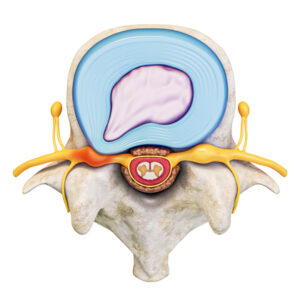
1. Can Physical Therapy Fix a Herniated Disc? Causes, Cures, & Insights.

Written by The Jackson Clinics, with locations throughout Northern Virginia.

Disc herniation can lead to significant discomfort and limitations in daily activities, but physical therapy offers a promising path to relief and recovery. By focusing on targeted exercises and therapeutic techniques, physical therapy aims to alleviate pain, restore function, and strengthen the spine’s support structures. In this article, we’ll explore how physical therapy can be an essential component in managing and overcoming a herniated disc…  Read more


Blood Flow Restriction Therapy

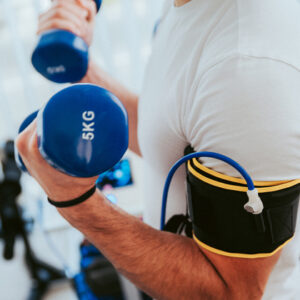
2. Blood Flow Restriction Therapy

Written by Rebound Physical Therapy, an outpatient physical therapy practice located throughout Bend, OR, and surrounding areas.

Postoperative recovery is a crucial phase in any surgical journey. Patients often face challenges such as muscle atrophy, strength and power loss, and reduced mobility. However, in recent years, Blood Flow Restriction (BFR) training has become a vital resource in post-surgical care, pain, and general deconditioning. Using the principles discussed below, it is revolutionizing rehabilitation and proving to be a game-changer in enhancing recovery time and outcomes…  Read more


preventing fishing injuries

3. Head Above Water – Preventing Fishing Injuries

Written by Excel Physical Therapy an outpatient physical therapy group located in Bozeman and Manhattan, MT. 

As the summer sun beats down, the bugs are popping, and you hit the water in earnest, injuries are likely not on your radar. But fly casting, walking in a river, and rowing puts stress and strain on your joints and muscles, so it’s important to have the strength and stability to help mitigate injuries. Here are a few considerations for the summer fishing season… Read more

We hope you enjoyed our picks for the PT News July 2024 edition.

Find these locations and others to start feeling better today!

Physical Therapy Appointment

Back Pack Safety

Backpack Safety 101

Back Pack Safety

Backpack Safety 101

With summer coming to an end and the need for school supplies and backpacks returning, here are a few tips to keep in mind when shopping with your child. Continue below for back pack safety tips to make sure your kids don’t have any unnecessary back pain this year.

physical therapy near me

How to Make Sure Your Child’s Backpack Fits Properly:

Size

  • Should Not Extend Above Shoulders
  • Should Rest In Contour Of Low Back (Not Sag Down Toward Buttocks)
  • Should Sit Evenly In Middle Of Back

Fit

  • Shoulder Straps Should Rest Comfortably On Shoulders And Underarms, With Arms Free To Move – Tighten Shoulder Straps To Achieve This Fit
  • Tighten Hip And Waist Straps To Hold Pack Near Body
  • Padded Straps Help Even Pressure Over The Shoulders

ThinkstockPhotos-78779211

Weight Of Pack

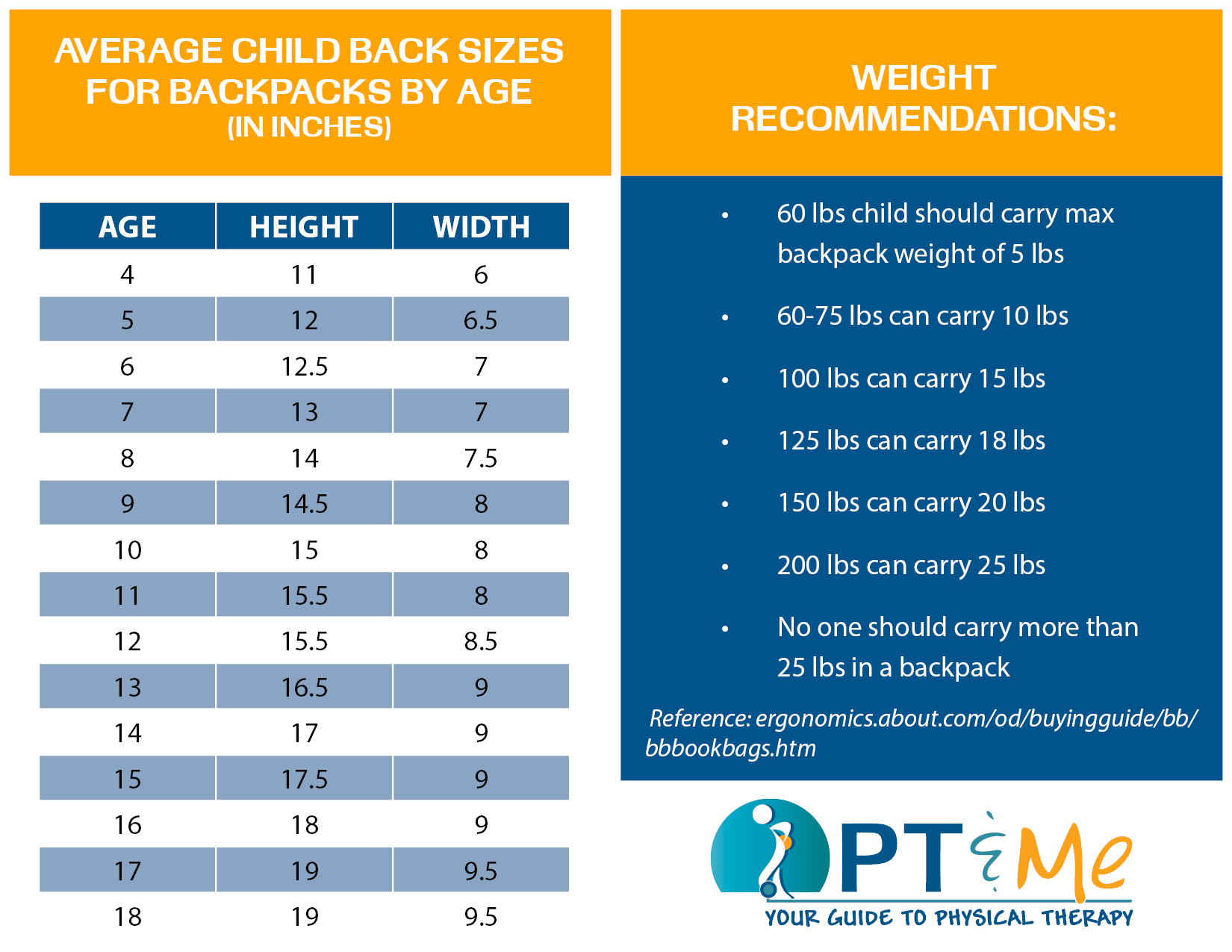
  • Should Never Exceed 15% Of The Child’s Weight To Avoid Excess Loads On The Spine

BackPack Weight Charts

Lifting Of Pack

  • Proper Lifting Is Done By Bending The Knees, Squatting To Pack Level, And Keeping Pack Close To Body To Lift First To Waist Level And Then Up To Shoulders

Carrying The Pack

  • Keep Both Shoulder Straps In Place And Pack Centered
  • Spinal Forces Increase With Distance From The Body’s Center

Posture

  • Uneven Stresses On The Spine Can Cause Muscle Imbalances. This Can Lead To Pain And Possibly Functional Scoliosis.

If your child does start to complain of constant back pain, talk to your pediatrician and make sure that it isn’t a more serious issue such as scoliosis.

What is Scoliosis?

Scoliosis is a medical condition in which the spine is curved either front to back or side to side and is often rotated to one side or the other. It can occur at birth (congenitally), develop over time having no obvious cause, but often seen related to posture and growth (idiopathically) or due to an injury or the other condition (secondarily), such as cerebral palsy or muscular dystrophy.

The most common type is adolescent idiopathic scoliosis. It usually develops between the ages of 10 and 15, during periods of rapid growth. There are two kinds of curves, single or “C” curves and double or “S” curves. “C” curves are slightly more common than “S” curves. The curve can occur in the upper back (thoracic), lower back (lumbar), or a combination of both.

Strength for necessary upright postures of daily life is essential. Sometimes it cannot be maintained due to a “growth spurt,” fatigue from daily postural demands or poor postural habits common among adolescents.

How Does a Physical Therapist Treat Scoliosis?

A physical therapist can analyze a patient’s history, habits and activities which may be contributing to their curvature and symptoms. Common findings include tightness and decreased motion and strength in the hips and pelvis, causing the lumbar spine to compensate with side bending and rotation. Treatment will include muscular re-educating techniques and manual techniques to restore motion, posture training, specific strengthening and home exercises.

Physical Therapy Appointment

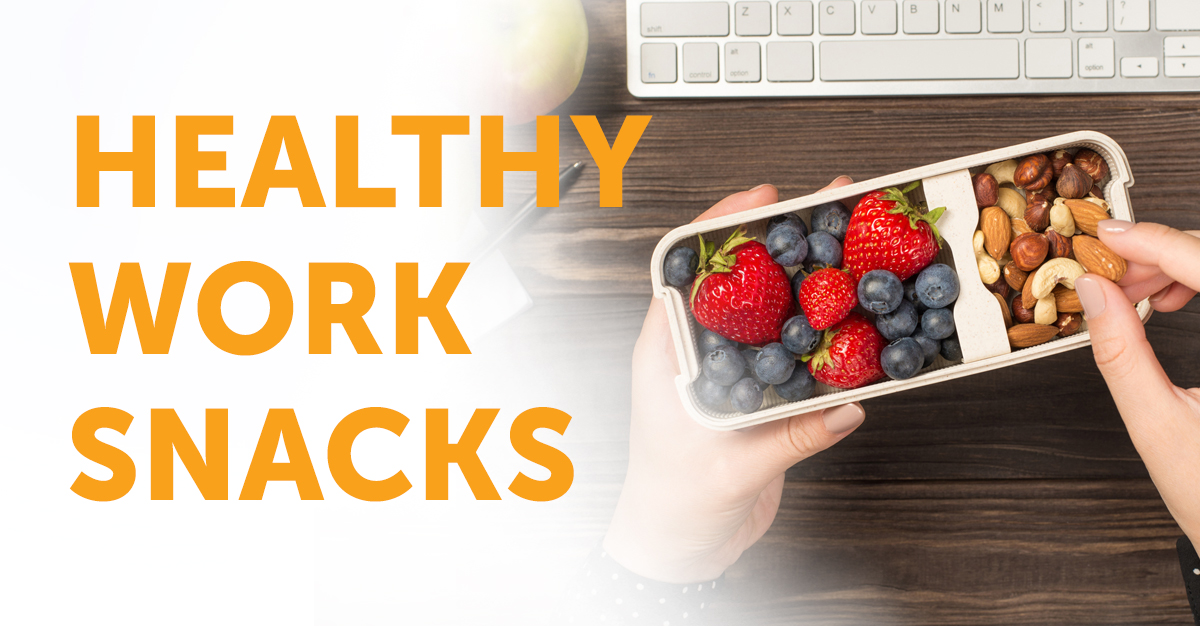
Good Office Nutrition – Healthy Work Snacks

healthy work snacks

If you’ve made the big decision to eat healthy and take care of your body, it can be overwhelming to figure out what meals to make every day. But remember, life is shaped as much by everyday small decisions as much by the big ones. Likewise, you could start by adding small healthy snacks to your day to begin on your path to a healthier life.

Healthy Work Snacks for Brain Power & Concentration


Walnuts

The Greeks called walnuts karyon or “head”, most likely because of their resemblance to the human brain. The walnut is considered the “king of nuts” because of the many nutrients & benefits it has to offer, but the most notable is its effect on brain health & cognition. Eat a few every day to stay focused on the job!

Blueberries

Full of antioxidants, minerals, vitamin C, and utterly delicious. Also, blueberries are very beneficial for your health, cognition, and memory. A French study from 2017 reported that consuming a blueberry concentrate over 12 weeks proved to enhance cognitive function and working memory in a group of adults.


Healthy Work Snacks for Energy Boost & Stamina


Seaweed

Seaweed snacks are a great alternative to traditional salty snacks as they offer many nutrients while being low in calories and sodium. Seaweed is the best source of iodine  available, hands down. The thyroid gland uses iodine to stabilize energy levels and endurance, making us believe Popeye was eating more than just spinach out at sea!

Eggs

Eggs are so nutritious that they’re often referred to as “nature’s multivitamin.” Eating a whole egg provides a healthy dose of protein, mostly found in the white of the egg, while almost all the nutrients are concentrated in the yolk. It makes for a great snack to have when you’re busy at work!


Healthy Work Snacks for a Mood Boost


Bananas

Grab a banana when you need a quick mood boost. This smartly packaged fruit is high in vitamin B6, which gives you energy and reduces anxiety, and B9, which may help fight depression. Bananas are also a great source of natural sugars, keeping your blood sugar up when you haven’t had anything to eat, so you’re less likely to get irritable or cranky.

Dark Chocolate

Turns out it’s not that bad to eat a bit of chocolate when you’re feeling a bit down, especially if it’s dark chocolate and 70% or more cocoa. The caffeine will perk you up and the serotonin our brains make when we eat chocolate helps us feel good and happy.


For those constantly on the move, maintaining a healthy snacking routine can be challenging. Here are some strategies to ensure you’re never without your friendly snacks:

  • Preparation is Key: Spend a little time each week preparing or portioning your snacks. This makes it easy to grab them as you head out the door.
  • Snack Stashes: Keep small containers of snacks at work, in your car, or in your bag. Having them readily available reduces the temptation to opt for less healthy options.
  • Mindful Munching: Whether you’re at your desk or in a meeting, take a moment to savor your snack mindfully. It can enhance the sensory experience and improve focus.


Here is a great snack option to make ahead of time to avoid low blood sugar in the morning or that late-afternoon slump, after a sugar crash with the likes of a donut or coffee.

No-Bake Trail Mix Bars

Dry Ingredients:

  • 1 ½ cups of rolled oats
  • 1 cup of nuts (walnuts preferably! Any will do)
  • ½ cup of seeds (such as: pumpkin seeds, sunflower seeds, or any others)
  • ½ cup of dried fruits (raisins, cranberries, etc.)
  • ¼ cup of dark chocolate chips
  • ½ tsp of ground cinnamon
  • ¼ tsp of salt


Wet Ingredients:

  • ¾ cup of peanut butter
  • ½ cup of honey
  • 2 tbsp coconut oil
  • 1 tsp vanilla extract


Instructions:

  • Mix all Dry ingredients in a bowl including rolled oats, nuts, seeds, dried fruits, chocolate chips, cinnamon, and salt. (Can toast the rolled oats or nuts beforehand for a toasted savory taste)
  • Add in all Wet ingredients and mix until all ingredients are well combined.
  • Transfer the mixture to a baking tray lined with parchment paper and pat down firmly into all the corners of the tray until fully flattened.
  • Cover the mixture with parchment paper or plastic wrap and leave in the fridge for 2-3 hours.
  • When it’s ready, remove the mixture from the baking tray. With a knife, cut down to size in squares or bars, and enjoy!

Written by Vanessa Delgado, B.S. in Human Nutrition and Foods

physical therapy near me

Looking for more on Nutrition. Check out these articles!

Game Day Nutrition   Best Foods to Beat the Summer Heat   Back to School Nutrition

PT News PTandMe

PT News May 2024

PT News PTandMe

This time in PT News we recap what our clinics have been posting throughout May 2024. We are excited to bring you current physical therapy-based posts featuring published articles from PTandMe partnering clinics!

physical therapy near me

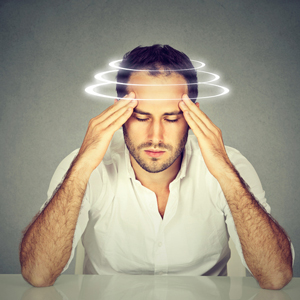
things you should know about vertigo

1. Expert Vertigo Treatment

Written by Carolina Physical Therapy and Sports Medicine, with locations throughout  Columbia, Charleston, Sumter, and Rock Hill, SC.

Are you battling with unsettling feelings of dizziness that disrupt your everyday activities? You could be grappling with vertigo. Our approach to vertigo treatment includes diagnosing the underlying cause of your vertigo and creating a detailed treatment plan. With a variety of specialized exercises and vestibular rehabilitation techniques, we strive to eliminate the root cause of your vertigo and enhance your overall quality of life…  Read more


Low Back Pain Physical Therapy

2. The Role of Physical Therapy for Chronic Pain Management

Written by Wright Physical Therapy an outpatient physical therapy practice with locations throughout southern ID.

Physical therapy can address a wide range of chronic pain conditions, including but not limited to lower back pain, arthritis, fibromyalgia, neuropathy, and post-surgical pain. The benefits of incorporating physical therapy into a comprehensive pain management plan are numerous and include reduced reliance on pain medications, improved functional abilities, increased strength and flexibility, and enhanced overall well-being…  Read more


3. Common Causes of Carpal Tunnel Syndrome

Written by Integrated Rehabilitation Services an outpatient physical therapy group located throughout CT. 

If you’re experiencing hand pain, carpal tunnel syndrome could be the cause. This condition occurs in response to the compression of the median nerve as it passes through the carpal tunnel, located at the bottom of the wrist. The median nerve contributes to sensations felt in your thumb and three middle fingers. Most cases can be treated with physical therapy and lifestyle changes, although surgery may be needed if the condition progresses… Read more

We hope you enjoyed our picks for the PT News May 2024 edition.

Find these locations and others to start feeling better today!

Physical Therapy Appointment

Is Pickleball Good Exercise

Is Pickleball Good Exercise?

Is Pickleball Good Exercise

physical therapy near me

In case you haven’t heard, pickleball is a new fast-growing sport that people of all ages can enjoy! Pickleball is a paddle sport that combines elements of tennis, badminton, and ping-pong. It is played on a smaller court than tennis, with a solid paddle made of wood or plastic and a plastic ball. The object of the game is to hit the ball over the net and land it within the boundaries of the court, with the aim of making it difficult for the opponent to return to the ball.

Is pickleball good exercise? Yes, it is a fun, moderate exercise that older adults can enjoy! Is a younger player going to reach their fitness or health goals by playing pickleball?  Probably not. But that doesn’t mean you shouldn’t play. Playing pickleball is much better than choosing to be sedentary. That being said, seniors are especially drawn to this fun sport, and it’s great for this age group for many reasons.  Let’s take a look at why it’s good exercise for seniors.

Why is Pickleball a Good Exercise for Seniors?

The Benefits of Pickleball

  • It’s Easy to Learn: It is easy to learn because the rules are very similar to tennis. The court is small enough that you don’t need to run so much to keep track of the ball, especially if you’re playing with a team member. This makes it easier to follow the game and focus on your strategy.
  • Social Activity: The game encourages players to socialize because it can be played with a partner or with a pair of two-player teams or “doubles,” which encourages social interaction and teamwork.
  • Health Improvements: A study in the International Journal of Research in Exercise Physiology found middle-aged and older adults who played one hour of pickleball three days per week for six weeks improved their blood pressure, cholesterol, and cardiorespiratory fitness levels.
  • Hand-Eye Coordination: As we age, it’s normal to see your hand-eye coordination start to decline gradually and it may take time to recognize what is happening. Playing pickleball can help with hand-eye coordination because it requires you to focus on your reaction time and can keep your brain sharp.
  • Safety Factor: Even though the game can be played outdoors, it is usually played inside, which makes it a great option during those extremely hot summer days. The ball used to play this game is made of plastic, has circular holes, and is hollow, which keeps the travel speed to a moderate level and if the ball happens to bump into you, you are not severely hurt. Also, the net is set to a lower height than in tennis and the serving is always underhanded, which causes less stress on your upper arms and shoulders. The paddle is also lighter than a tennis racket at 7 ounces, which creates low-impact stress on your arms.

Preventing Pickleball Injuries:

Although the sport is a simple, low-stress game, there is a risk of getting injured. Here are some ways to avoid an injury while having some pickleball fun.

Warm-ups for Pickleball

  • Light Jogging – Start by jogging for 5-10 minutes.
  • Dynamic Stretching – Involves exercises such as lunges, high knees, butt kicks, and leg swings
  • Shoulder Rotations – Rotate your shoulders forward and backward, and then lift your arms above your head and circle them in a clockwise and anticlockwise direction.
  • Arm Swings: Hold your arms out at shoulder height and swing them back and forth, crossing them in front of your chest and then out to the sides.
  • Squats: Perform a few sets of squats to activate your glutes and leg muscles. Make sure to keep your back straight and your knees aligned with your toes.

Remember to start slowly and gradually increase the intensity of your warm-up. By warming up properly, you can help to prevent injuries and perform at your best during the game.

Wear a Knee Brace

If you tend to have weak knees, wearing a knee brace can provide support and offload stress to one particular area. It can either prevent any future injuries or provide protection from further injury and help you continue to play. It’s important that the brace is snug, but not too snug. If the brace is too tightly strapped to your leg, it can cut off circulation.

Physical Therapy for Pickleball Injuries

The majority of the injuries may be a result of sprains and strains. The first line of defense for sprains and strains is to use the R.I.C.E. principles (rest, ice, compress, elevate). However, if the injury is serious, and doesn’t go away on its own, physical therapists can help patients recover by providing modalities and exercises that strengthen the muscles surrounding the injured joint.  Some patients experience a fear of reinjury and may want to relapse into inactivity, and our programs are designed to help with that as well.

Knee injuries are also common. During a match, players may find themselves changing directions or pivoting while swinging. This can put repetitive strain on the knee, causing the tendons or muscles to become damaged or overworked. Physical therapists can work to heal knee injuries properly as well as improve body mechanics. Proper leg alignment should include balanced hips over knees that are balanced over the feet. The knees should not cave in or out, but instead be parallel to the hips. This alignment is important because, without proper alignment, unnecessary stress is placed on the joints and restricts the range of motion.

If you have had a knee injury or pain in the past, and are looking to start playing pickleball, we recommend you schedule an appointment with your physical therapist. A trained physical therapist knows how to spot poor movement patterns that can increase strain on your knees and other areas.

Physical Therapy Appointment

Pickleball can provide hours of fun for families, friends, and anyone looking for an enjoyable way to exercise and stay active. If you are interested in trying pickleball, you can check with your local recreation center, community center, or senior center to see if they offer pickleball programs or courts.


Physical Therapy for Arthritis Pain

How Physical Therapy Manages Arthritis Pain

Physical Therapy for Arthritis Pain

Dealing with arthritis pain can significantly affect your lifestyle. However, physical therapy for arthritis can help you manage your symptoms and help you do your daily activities.

Regardless of whether you’re dealing with Rheumatoid Arthritis or Osteoarthritis, physical therapists are uniquely qualified to help patients reduce pain, improve mobility, and boost overall functionality.

Your physical therapist will customize a treatment plan designed for your needs. They will direct you on safe and efficient exercises for arthritis management, with a focus on your affected joints and muscles.

Moreover, they will teach you the correct exercise techniques, the use of assistive devices if necessary, and how to adjust activities to prevent further joint damage.

What Are the Key Benefits to Managing Arthritis Pain?

Some notable benefits of physical therapy for arthritis include:

  • Alleviating pain and inflammation: Physical therapists use modalities like heat, ice, ultrasound, and electrical stimulation to relieve pain and reduce joint inflammation. These methods increase blood flow, promote healing, and decrease discomfort.
  • Enhancing joint mobility and flexibility: Arthritis often leads to stiffness and restricted movement. Physical therapists may prescribe exercises and stretches to improve joint mobility and flexibility. By strengthening the muscles around the affected joint, we can help restore function and improve movement.
  • Strengthening muscles and boosting endurance: Weak muscles can exacerbate arthritis symptoms and add stress to the joints. Physical therapy includes targeted exercises to strengthen the muscles around the affected joints, providing better support and stability, reducing pain, and improving overall function.

3 Great Physical Therapy Techniques for Arthritis

Here are a few physical therapy techniques that can ease your arthritis:

  • Manual therapy techniques: This involves hands-on manual adjustments made by a physical therapist. This includes joint mobilizations, soft tissue mobilizations, and manual stretching. Manual therapy aids in improving joint function, reducing pain, and increasing range of motion.
  • Therapeutic exercises: These are specific exercises designed to improve strength, flexibility, and endurance. These exercises are customized to your needs and may include low-impact activities like swimming or cycling. They help stabilize joints, improve balance, and alleviate pain and stiffness.
  • Thermotherapy and cryotherapy: These are common modalities in physical therapy. Thermotherapy relaxes muscles, increases blood flow, and reduces pain, while cryotherapy reduces inflammation and numbs the area for pain relief.  Your treatment plan may include one or both of these modalities to help manage your symptoms.

Is Exercise Good for Managing Arthritis Pain?

Yes! You bet it’s good! Here are some great exercises you should try for effective arthritis pain management:

  • Low-impact exercises: Activities such as walking, swimming, cycling, and using an elliptical machine are gentle on the joints and promote cardiovascular health.
  • Range of motion exercises: These exercises aim to improve joint flexibility and reduce stiffness. Gentle stretches, yoga, tai chi, and foam roller exercises help maintain and increase joint mobility.
  • Strengthening exercises: These exercises target the muscles surrounding the affected joints, providing them with increased support. Resistance training with light weights or bands, or using your body weight can help build muscle strength.

It’s crucial to consult with a physical therapist before starting any exercise program. They can provide personalized guidance based on your current fitness level, arthritis severity, and any other health conditions.

How to Safely Exercise with Arthritis

Exercise is a great way to manage arthritis pain. Here are a few tips to keep in mind:

  • Warm-up and cool-down routines: Always warm up your muscles and joints before starting an exercise routine. After exercising, cool down to reduce stiffness and soreness.
  • Use of assistive devices: Depending on the severity of your arthritis, you may need assistive devices to support your joints during exercise. Consult with your physical therapist to determine suitable devices for your needs.
  • Avoid overexertion: Pay attention to your body’s signals and avoid pushing yourself too hard. Start with low-impact activities and gradually increase the intensity and duration per your body’s tolerance.

By following these safety tips, you can exercise with arthritis in a way that aids pain management and improves your overall mobility. Always consult a physical therapist to create a personalized exercise plan tailored to your needs and limitations.

Physical Therapy Appointment

Urge Congress to Help Prevent Senior Falls

Urge Congress to Help Prevent Senior Falls

Urge Congress to Help Prevent Senior Falls

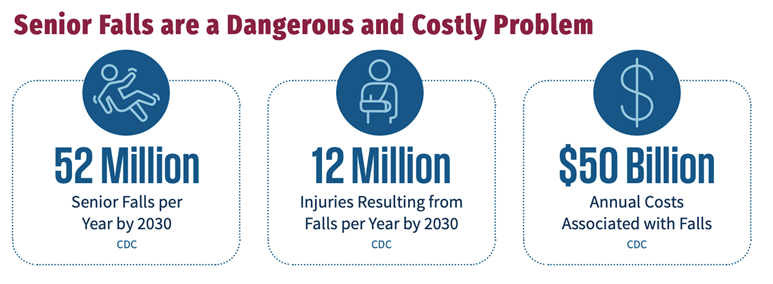
Did you know that falls are the #1 cause of injury in people over 65? Fortunately, a falls expert – a physical or occupational therapist – can help reduce the risk of falling by providing seniors with a fall risk assessment.

Urge your lawmaker to support the SAFE Act: CLICK HERE TO ACT NOW!

APTQI Safe ACT - Help Prevent Senior Falls

A falls risk assessment allows a therapist to examine a patient’s balance, home setup, strength, flexibility, reflexes, and walking pattern. If there is a risk for a fall, the therapist can guide how to make a home safer, exercises that can help patients remain independent for longer, and instructions for using walking aids such as canes and walkers.

However, Medicare currently does not cover a falls risk assessment and fall prevention services by a therapist as part of a senior’s annual wellness exam.

Imagine the amount of injuries and deaths that could be prevented if seniors were able to access a no-cost falls risk assessment by a therapist!

Recently, lawmakers in Washington have introduced legislation to help. The Stopping Addiction and Falls for the Elderly (SAFE) Act (H.R. 7618) would allow seniors to access a no-cost falls assessment, done by physical or occupational therapists, at annual wellness visits and initial preventive physical exams. It will also lead to fewer opioid prescriptions and subsequential overdose rates among older Americans, as data show that seniors engaging in physical therapy are less likely to require emergency room visits or hospitalizations and are less likely to resort to opioid-based medications for pain management.

We need your help today to improve the quality of life for our aging population and reduce the burden of falls on our healthcare system. Join the movement to safeguard our seniors and increase access to life-saving fall prevention services.

Urge your lawmaker to support the SAFE Act: CLICK HERE TO ACT NOW!

physical therapy near me


PT News PTandMe

PT News March 2024

PT News PTandMe

This time in PT News we recap what our clinics have been posting throughout March 2024. We are excited to bring you current physical therapy-based posts featuring published articles from PTandMe partnering clinics!

physical therapy near me

ACL Knee Pain

1. Relief for Joint Pain

Written by The Jackson Clinics with locations throughout Northern VA.

Joint pain is a common issue that can have many causes and can lead to an array of complications. It affects such a large percentage of the population that you’d be hard-pressed to find someone who’s never experienced joint pain before. It is estimated that by the year 2030, 67 million—one in every four American adults—will have doctor-diagnosed arthritis. But that doesn’t mean that we have to live in pain! So, what are some great ways to relieve and prevent joint pain?..  Read more


physical therapy after a car accident

2. 4 Ways Physical Therapy Can Help After a Motor Accident

Written by Sports Physical Therapy an outpatient physical therapy practice located in Bellevue, Factoria, Kirkland, Everett, and Lake Stevens, WA.

The aftermath of an accident leaves both visible and invisible marks. Physically, you may be dealing with injuries that range from minor to severe, affecting your mobility, strength, and performance. Mentally, the trauma can manifest as fear, anxiety, or loss of confidence, each capable of sidelining you longer than any physical injury. The road to recovery seems long and lonely, but the truth is, help is closer than you think, and hope is far from lost…  Read more


Difference Between Athletic Trainers and Physical Therapists

3. National Athletic Training Month

Written by PT Northwest an outpatient physical therapy group located throughout Salem, OR, and the surrounding areas.

Whether it’s a sprained ankle or a torn ligament in the knee, a comprehensive rehabilitation team is crucial to expedite your return to the field. At PT Northwest, our certified athletic trainers and physical therapists go beyond just taping ankles and providing immediate injury treatment. Ensuring your injury heals properly is our top priority, our staff employs proven techniques, including manual therapy, therapeutic exercises, and functional drills…. Read more

We hope you enjoyed our picks for the PT News March 2024 edition.

Find these locations and others to start feeling better today!

Physical Therapy Appointment

Ice or Heat When in Pain

Ice vs. Heat When in Pain

Ice or Heat When in Pain

physical therapy near me

A question physical therapists get frequently asked is whether to use ice or heat on an injury. Here are some general guidelines to help in many scenarios. If you have certain conditions such as fibromyalgia, Reflex Sympathetic Disorder (RSD), or rheumatoid arthritis, your sensory pathways are affected and don’t fall into the typical response patterns.

Ice is for injuries and after activity and heat is for loosening and relaxing tissues, used before activity.

ICE

  • The first 24 – 48 hours after an acute injury onset, use ice. This is true even for simple muscle sprains or pulls.
  • After an activity, at the end of the day or when swelling is present, use ice. When things are inflamed, the more you do throughout the day, the more inflamed the area will get. Ice will assist in decreasing pain, inflammation, and swelling.
  • Ice can also be used for chronic conditions like overuse injuries to help control inflammation.

Ways to Ice:

  • Ice cubes in a plastic bag
  • Wet, frozen towel
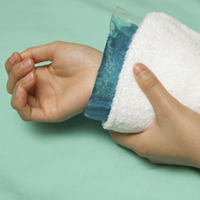
  • Gel ice packs

Things to know about icing:

  • Don’t ice for more than 20 minutes
  • Let your tissues fully re-warm before re-icing
  • 20 minutes on, 40 minutes off is a good rule for icing multiple times
  • If you’re icing in an area with superficial nerves (elbow), don’t ice for more than 10 minutes
  • You never want to ice before an activity. You want your muscles warm, not cold!
  • Ice can aggravate symptoms of tightness and stiffness.

HEAT

  • Heat is typically used to help relax or loosen tissues.
  • Heat will bring more blood flow to the area.
  • Heat is usually used in conditions that are more chronic. This helps stimulate blood flow to the area.
  •  Heat, when needed, is used before activity assisting more blood flow to help loosen and relax the muscles.

Ways to Heat:

  • Heating Pad
  • Hot, wet towel

Things to know about heating:

  • Avoid heating for long periods
  • Don’t use heat when sleeping to avoid burns
  • Heat can make inflammation significantly worse.

If your pain doesn’t subside after a few days, don’t hesitate to reach out and ask for help. We can evaluate your injury or pain and get you back on your path to recovery.

Physical Therapy Appointment

BONUS!

Looking for an ice pack and can’t find one? No worries. Making your own ice pack at home is practical and easy.

hand in ice pack

Ingredients:

  • 2 cups of water
  • 1 cup of rubbing alcohol
  • gallon-sized Ziploc bag

Directions:

  • Pour the water and rubbing alcohol into the bag ** Double the bag for extra protection against breakage.
  • Zip the bag shut removing as much air as possible.
  • Place the bag in the freezer until the liquid reaches a slushy mixture.
  • When ready, wrap the bag in a towel or pillowcase before applying it to the skin. (DON’T NOT APPLY THE BAG DIRECTLY TO THE SKIN)
PT News PTandMe

PT News February 2024

PT News PTandMe

This time in PT News we recap what our clinics have been posting throughout February 2024. We are excited to bring you current physical therapy-based posts featuring published articles from PTandMe partnering clinics!

physical therapy near me

Pelvic Health

1. Pelvic Floor Therapy: Your Key to a Healthy and Empowered Life

Written by Carolina Physical Therapy & Sports Medicine with locations in Columbia, Charleston, Sumter, and Rock Hill, SC

Let’s talk about your pelvic floor muscles. Picture a hammock-like structure at the bottom of your pelvis, supporting your bladder, uterus, and rectum, and helping maintain continence. These muscles are key players in controlling urinary and fecal continence, supporting your pelvic organs, and enhancing intimacy…  Read more


neck pain

2. Pinched Nerve in the Neck? Start Treating with 2 Exercises

Written by JACO Rehab an outpatient physical therapy practice with 4 locations on Oahu, HI.

Sometimes neck stiffness, arm weakness, or feelings of pins and needles down your arm can be signs of a “pinched nerve” from the neck. This injury is common but annoying, often irritated by simple day-to-day activities. This can include: Looking over your shoulder while driving, gazing up at the birds in the sky, or sleeping in the “wrong” position…  Read more


Dry Needling

3. Discover Smarter Pain Relief with Dry Needling

Written by Wright Physical Therapy an outpatient physical therapy group with locations throughout the state of Idaho.

Dry needling is an increasingly popular treatment option for individuals dealing with chronic pain, offering a myriad of benefits. Some advantages of incorporating dry needling into your pain management plan includes Pain Relief: Dry needling aids in effectively reducing both localized and referred pain by releasing tight trigger points and muscle bands. Improved Mobility: By targeting specific muscles, dry needling assists in enhancing muscle function and increasing the range of motion, making daily activities smoother and more enjoyable… Read more

We hope you enjoyed our picks for the PT News February 2024 edition.

Find these locations and others to start feeling better today!

Physical Therapy Appointment