Category Archives: Blog

PT News PTandMe

PT News June 2023

PT News PTandMe

This time in PT News we recap what our clinics have been posting throughout June 2023. We are excited to bring you current physical therapy-based posts featuring published articles from PTandMe partnering clinics!

physical therapy near me

1. Poor Phone Ergonomics Causes Text Neck

Written by STAR Physical Therapy with over 65 locations throughout TN, AL, & AR

Poor phone ergonomics for a prolonged period can lead to pain and stiffness in the neck and back and headaches. This pain is commonly referred to as Text Neck. Text Neck is caused by tilting your head forward to look down at your phone. Here are a few tips to improve your phone ergonomics and correct your posture to relieve your neck and back pain…  Read more


avoid pickleball injuries

2. Why Pickleball is So Popular

Written by Carolina Physical Therapy an outpatient physical therapy practice with locations in South Carolina

Pickleball is the fastest-growing sport in the country. More and more people are discovering this fun, low-impact sport that can be enjoyed by players of all ages and skill levels. In this blog, we’ll explore why pickleball is so popular, what gear you need to get started, and proper stretching techniques to prevent injury.  Read more


urinary incontinence

3. Let’s Talk Bladder Leakage

Written by Mission Physical Rehabilitation, an outpatient physical therapy group with locations in San Antonio.

In the US, nearly 40% of women are affected by urinary incontinence- otherwise known as involuntary bladder leakage, or overactive bladder (OAB). Even though so many women suffer from this issue, few admit to dealing with it and believe nothing can be done. Multiple factors are linked to incontinence. Pregnancy & delivery- with risk increasing with each child. Aging- women after menopause are more likely to develop urinary incontinence… Read more

We hope you enjoyed our picks for the PT News June 2023 edition.

Find these locations and others to start feeling better today!

Physical Therapy Appointment

Staying Active While on Vacation

Staying Active While On Vacation

Staying Active While on Vacation

Physical Therapy Appointment  physical therapy near me

Vacations are a fun and relaxing bonding experience for families and friends to catch up, do activities together, and maybe even have some fun in the sun. However, if your vacation falls in between physical therapy visits, during training season, or if you’re an exercise enthusiast, staying active while on vacation can reduce the risk of losing some hard-earned progress. But that’s okay because, with a little bit of planning, you can stay active and healthy throughout your trip. Here are a few key things you can do.

Going on Vacation During Physical Therapy

If you’re going on vacation in between visits with your physical therapist for an extended period, the first thing you should do is to have a conversation with your physical therapist about creating a tailored home exercise program (HEP), Or should we say a vacation exercise plan ;). This way you can continue working towards the progress of your recovery without regressing back.

Don’t forget to ask your physical therapist for advice on preventing injury or re-injury while away. By listening to your physical therapist’s instructions, keeping your workout regimen on track, continuing your HEP on vacation, and avoiding situations that can result in re-injury or aggravation, you should be able to enjoy your time away and return back home ready and reenergized to take on whatever is next!

Going on Vacation During Training Season

If you’re going on vacation during training season, speak with your coaches and trainers. Most hotels have gyms that you can utilize early in the morning or late at night.  If you’ve chosen an Airbnb, look for local areas that you use for running paths or ask for a functional exercise routine that uses your body as the weights. Physical therapists are trained in adjusting exercise positions to work out muscle groups, so if you need help developing a routine, consider using your local PT as a resource.

Planning your Exercise Routine

Make sure to put time aside to conduct an exercise program or to work on your HEP while on vacation. If you’re not the one planning the itinerary – that’s okay. Try to find times before or after planned events, right before bed, or if you take midday breaks – those are great times too. Finding time to exercise can be challenging, but the reward is worth it. Keeping track and having a plan will ensure that you don’t lose the progress that you have worked hard on.

When flying or driving, most people are sedentary while going to and from their destination. This is an excellent opportunity to get up and conduct your exercise program, perform stretches, or just walk around and loosen your legs. Try to take advantage of breaks on your vacations such as:

  • Waiting for an Uber/Taxi
  • Waiting In the airport for a flight
  • Waiting In long lines
  • Taking stops for gas
  • Stopping for lunch
  • Stopping for bathroom breaks

We hope you have an amazing time making new memories with friends and family. If you need help working your HEP into your vacation schedule or don’t think you’ll be able to keep up with a home exercise program, let your physical therapist know. They may be able to come up with some fun alternative ways of staying active while on vacation!

PT News PTandMe

PT News May 2023

PT News PTandMe

This time in PT News we recap what our clinics have been posting throughout May 2023. We are excited to bring you current physical therapy-based posts featuring published articles from PTandMe partnering clinics!

physical therapy near me

low back pain

1. Is a Painful Herniated Disc Throwing Off Your Routine? PT Could Help

Written by Wright Physical Therapy with locations throughout Southern ID

f your doctor believes your disc is herniated, a magnetic resonance imaging (MRI) scan may be done to confirm the diagnosis. From this scan, your doctor will be able to clearly see if there is a herniated disc in the lower back region. If the disc is putting pressure on the spine, it can be detected. Your doctor will then provide you with a treatment plan, and will likely recommend physical therapy for pain relief…  Read more


hydrate

2. Warm Weather Exercise Tips

Written by The Center for Physical Therapy an outpatient physical therapy practice throughout Greater Grand Rapids, MI.

Exercising outside in the heat and humidity is not for the faint of heart, hot temps require some adaptations for the outdoor exerciser. The heat doesn’t have to put a stop to your outdoor exercise, but it will require you to listen to your body, be smart and be open to adapting your plans. Stay cool and stay smart!  Read more


3. May is Arthritis Awareness Month

Written by Horizon Rehabilitation & Sports Medicine, an outpatient physical therapy group with locations in and around Hilton Head, SC.

Arthritis isn’t just physically painful, but can also be isolating and discouraging. In simple terms, arthritis is the inflammation of one or more joints. It causes pain and stiffness that can worsen as you grow older. Arthritis is a reference to joint pain, or disease itself, and can cause permanent joint problems. It is most common in women, but studies show that some form of arthritis can be found in over 300,000 children. Arthritis, however, typically affects more people as they age. Read more

We hope you enjoyed our picks for the PT News May 2023 edition.

Find these locations and others to start feeling better today!

Physical Therapy Appointment

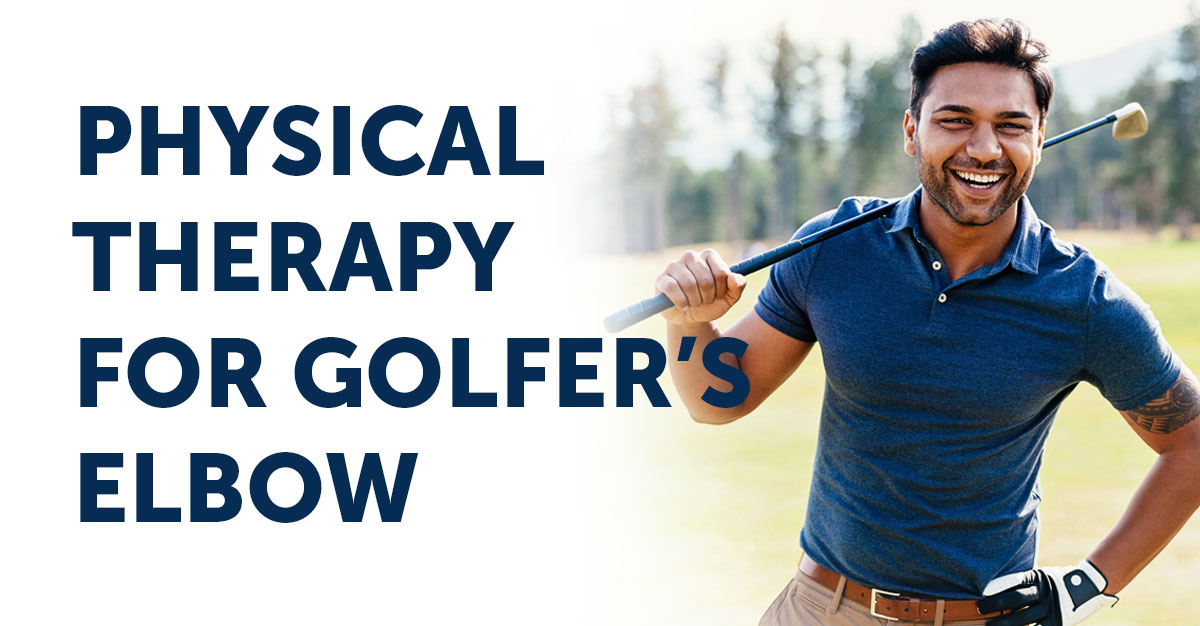
Physical Therapy for Golfer's Elbow

Golfer’s Elbow

Physical Therapy for Golfer's Elbow (Medial Epicondylitis Pain)

Golfer’s Elbow

Golfer’s Elbow, medically known as medial epicondylitis,  is a painful condition where the tendons that attach to the inside of the elbow become inflamed due to repetitive use of the hand, wrist, forearm, and elbow. Golfer’s elbow often occurs with repetitive activities such as swinging a golf club or tennis racket, work or leisure activities requiring twisting and gripping such as shoveling, gardening, and swinging a hammer. Golfer’s elbow can also appear in other sports-related activities such as throwing and swimming. Golfer’s Elbow (Medial epicondylitis) is most commonly seen in men over the age of 35 but can be seen in any population. If these symptoms sound familiar, then going to physical therapy for golfer’s elbow may be just what you need.

Physical Therapy Appointment

What is causing your elbow pain?

Golfer’s Elbow (Medial epicondylitis) affects the group of muscles that are responsible for bending the wrist, fingers, and thumb and that rotate the wrist and forearm. The tendons that connect those muscles to the medial epicondyle (bump on inside of elbow). Tendons are made up of collagen fibers that are lined up next to each other. The repetitive forces pull on those tendons creating pain and tenderness described as Golfer’s Elbow. Without treatment, those tendons can eventually pull away from the bone. Acute injuries to your elbow can create an inflammatory response which can cause redness, warmth, and stiffness in your elbow.

Golfer’s Elbow (Medial epicondylitis) is most often caused by an abnormal arrangement of collagen fibers. This condition is called tendinosis. During tendinosis, the body doesn’t create inflammatory cells as it does during an acute injury. Instead, fibroblasts are created which help make up scar tissue to fill in the spaces between the collagen fibers. This increase in scar tissue can lead to increased pain and weakness in the tissues. Physical and hand therapy is the most common nonsurgical treatment for Golfer’s Elbow (medial epicondylitis). Your therapist will perform an evaluation where he/she will ask you several questions about your condition, pain level, and other symptoms you may be experiencing. He/she will perform motion and strength testing on your entire upper extremity. Your therapist will also palpate your arm to determine which tendon(s) may be inflamed. He/she will use special tests designed to deferentially diagnose your condition from others that may have similar presentations to Golfer’s Elbow, such as Cubital Tunnel Syndrome.

golf ball on tee

What to Expect from Physical Therapy for Golfer’s Elbow

  • Pain Management: this can include Mechanical Diagnosis & Therapy, ice, ice massage, moist heat, electrical stimulation, and ultrasound.
  • Range-of-Motion Exercises: stretches and mobility exercises to help maintain proper movement in your elbow, forearm, wrist, and hand.
  • Strengthening Exercises: progressive resistive exercises to help build strength in your arm, elbow, forearm, wrist, and hand. These can include weights, medicine balls, and/or resistance bands. This will also include your Home Exercise Program.
  • Manual Therapy: used to ensure full, pain-free movement is achieved and can include joint mobilizations, manual muscle stretches, and soft tissue massage.
  • Neuromuscular Re-education (Functional Training): used to help you return to your prior level of function for both home and work activities. This will include retraining proper movement patterns with necessary modifications based on the current level of function and patient limitations.
  • Patient Education: used to help retrain patients on proper postural control during everyday activities including dressing, self-care, work, and sports activities. This can include helping return a patient to their specific sport, such as making adjustments to their golf swing or throwing technique.

Once you’ve completed physical therapy for Golfer’s Elbow you’ll want to do everything you can to prevent this from reoccurring. This can occur by maintaining proper awareness of your risk for injury during your daily movements. Key things to keep in mind:

1. Maintain proper form during all repetitive movements both at work and at home.
2. Continue your Home Exercise Program in order to maintain proper strength in your shoulder, elbow, forearm, wrist, and hand.
3. Use proper posture and body mechanics with lifting or carrying to avoid any undue stress on your joints and tendons.

This information was written by Plymouth Physical Therapy Specialists, an outpatient physical and hand therapy group with fourteen locations in the surrounding Plymouth, Michigan area. At Plymouth Physical Therapy Specialists, they are committed to using evidence-based treatments in their practice. This means that their therapists utilize the most current and clinically relevant treatments in their approach to rehabilitation. For more information click here.

physical therapy near me

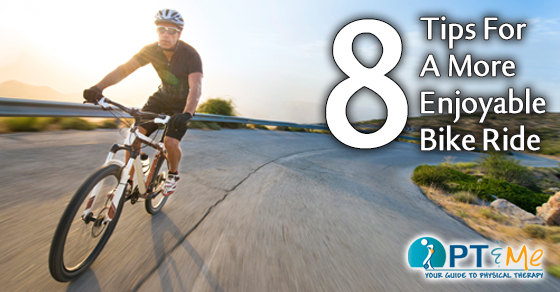
More Enjoyable Bike Ride

8 Tips for an Enjoyable Bike Ride

8TipsforBikeRide_FBsize

Optimizing your bike and clothing isn’t just for competitive racers. Even if you’re just looking to ride a few miles recreationally, you can be more comfortable and have more fun by following our tips for a more enjoyable bike ride!

1. Check Tire Pressure
If your tires are too soft, you have a much higher chance of “pinching” a tube, causing a flat. Low pressure also increases rolling resistance, making it more difficult for you to ride at a normal speed. Check the sidewall of your tires for recommended pressure range; it doesn’t need to be at the maximum, but be sure it’s at or above the minimum.

2. Seat Angle
Everyone has a different preference on exact seat angle and position, but it should be roughly level. Deviations of 1-2 degrees up or down are OK, but don’t point up or down too much. This can place unnecessary pressure on pelvic soft tissue or the hands/wrists.

3. Seat Height
An old belief about seat height was that you must be able to touch the ground with both feet when sitting on the saddle. If you are very new to cycling, this does improve your ability to stay upright at very slow speeds. A seat that is too low, can put excess pressure on your knees and back, making it less efficient. A “proper” seat height has the knee at about 30 degrees of bend at the lowest point in the pedal stroke.

4. Stay Hydrated
Carry water with you on any ride longer than 30 minutes (shorter in hot conditions). You can use a backpack-style hydration pack, or a simple water bottle and cage. Almost all bicycles have bolts to hold a water bottle cage. Whichever method you choose, get familiar with it and get in the habit of using it often.

5. Know How to Change a Tube
Carry the items needed to replace a tube in the event of a flat tire. Your local bike shop can help you with choosing these items. These can all be carried in a bag under your seat. You don’t need to be Nascar pit-crew-fast at it, but you want to know how to fix a flat tire so you don’t end up stranded.

6. Like Lycra
Very few people think of bike shorts as a good fashion statement. However, if you’re riding more miles, especially in warm weather, they provide comfort that can’t be matched with basketball or running shorts.

7. Be Visible
Along with the bike shorts, make sure your t-shirt or jersey is a bright color that will keep you visible in traffic. If there is a chance you’ll be riding near or in darkness, be sure to have at least a rear and preferably also a front light on your bicycle.

8. Riding Shouldn’t Hurt
Sure, if you’re looking to get a hard workout or ride fast, your legs will feel the burn. However, if your body and bike are working together properly, riding shouldn’t cause any joint pain. If you can’t ride without getting neck, back, hip, or knee pain, consider having a professional look at either your body or your bike fit. Better yet, have a physical therapist who is versed in bike fitting address both at the same time. The answer to most aches and pains is rarely just in one area (bike fit or bodywork), and a combined approach will usually work best for alleviating pain and getting the most out of your ride.

bike_couple

Let Physical Therapy help you before your pain turns into an injury.

What an ache tells you:
•  It’s the first clue your body is telling you something is wrong.
•  Your body can accommodate the ache, but eventually, a breakdown will happen.
•  While you accommodate to your ache, weakness, and lack of flexibility start.
•  Once you have a breakdown, the pain will begin, and more than likely you will stop doing the activities you currently enjoy.

How physical therapy can help prevent sports injuries:
•  Modify exercise routines when you have a minor ache and pain (This does not always mean you need to stop exercising!)
•  Get assessed for weakness and flexibility issues to address biomechanical deficits.
•  Educate on faulty or improper posture or body mechanics during exercise
•  Educate and help with techniques on exercises that help your muscles stretch farther. Flexibility training helps prevent cramps, stiffness, and injuries, and can give you a wider range of motion.
•  Correct muscle imbalances through flexibility and strength training.
•  Alleviate pain.
•  Correct improper movement patterns.

Common Cycling-related pain and injuries that Physical Therapy can treat:
•  Low Back Pain
•  Neck Pain
•  Foot numbness
•  Shoulder pain
•  Muscle strains
•  Hand pain/numbness

This information about having a more enjoyable bike ride was written by Advanced Physical Therapy, a physical therapy group that uses progressive techniques and technologies to stay on the forefront in their field. Their staff is committed to providing patients with advanced healing techniques. For more information click here.

Struggling with an ache, pain, or simply need help getting your bike fitted? Our team can help make sure you get the most out of your time on your bike!


physical therapy near me

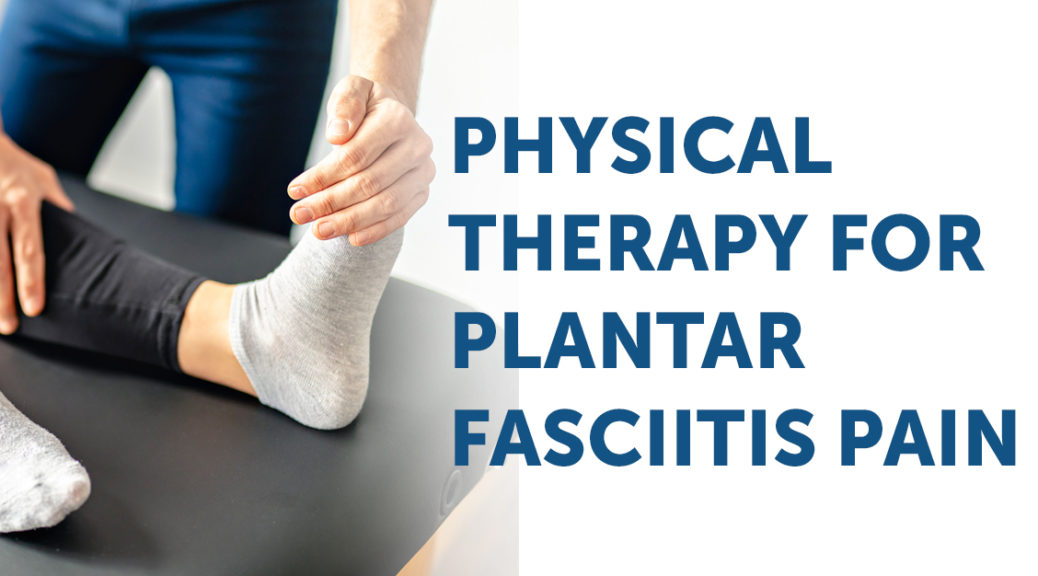
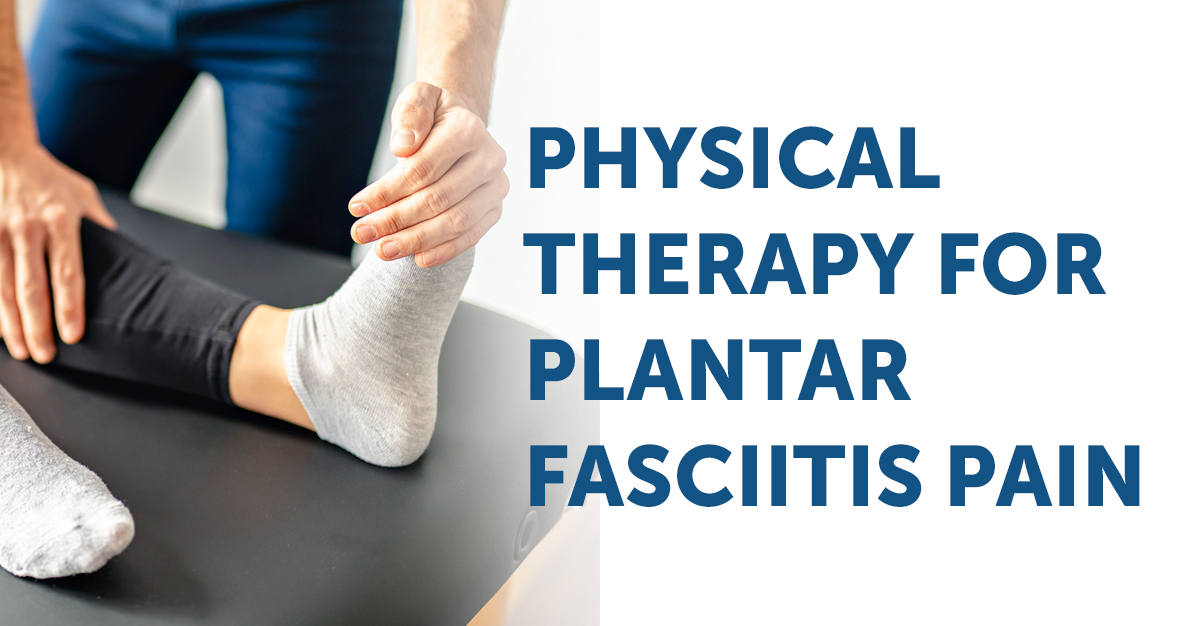
physical therapy for plantar fasciitis pain

Physical Therapy For Plantar Fasciitis Pain

plantar fasciitis physical therapy; physical therapy for plantar fasciitis

Does your foot or heel hurt with the first step in the morning? Does your foot hurt when you get up from sitting or driving for long periods of time? If the answer is yes, you may have plantar fasciitis. Plantar fasciitis is the most common type of foot pain. Plantar fasciitis is the irritation or inflammation of the plantar fascia. The plantar fascia is a thick dense connective tissue that attaches to the heel and ball of the foot. A related problem is a heel spur which is extra bone that may grow from the heel bone. This is in response to the plantar fascia being tight or inflamed, thus pulling on the heel bone.

Inflammation and microtears occur more commonly in sports that involve running, long-distance walking, dancing, tennis, basketball, and in non-athletes who spend long periods of time walking on unyielding surfaces. Patients with pes planus and heel pronation have an increased likelihood of developing plantar fasciitis because of the increased tension on the plantar fascia caused by these anatomic features. A tight gastrocnemius can result in heel pronation thereby making plantar fasciitis more likely. Cavus feet with relative rigidity also place more stress on the plantar fascia. The plantar fascia also tends to become more rigid with age making it less effective as a shock absorber and more likely to develop microtears.

Common Causes of Plantar Fasciitis:

  • Too Rapid of an Increase in Exercise Program.
  • Change in Lifestyle (Active to more Sedentary) Causing Sudden Weight Gain or Sedentary to Active.
  • Muscle Tightness and/or Weakness.
  • Poor Biomechanics (movement) at the Foot and Ankle.
  • Inadequate Cushioning in Shoes or Inadequate Shoes.
  • Occupation with prolonged weight bearing on Hard Surfaces.

Plantar Fasciitis Symptoms:

People with plantar fasciitis complain of searing pain at the point of the fascias insertion into the calcaneus. This pain is at its worst with the first few steps upon arising in the morning or after a sustained period of being off their feet. The plantar fascia origin is often extremely tender to palpation. Pain is also increased after long periods of walking, climbing stairs or doing toe raises.

For Plantar Fasciitis Pain Relief at Home – Try These Stretches:

plantar fasciitis stretch
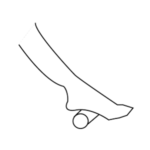
Frozen Can Roll
Take a frozen food can and roll your foot forwards and back.

plantar fasciitis exercise

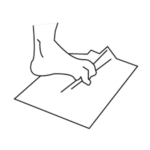
Towel Grab
Grab and pick up a towel or dishcloth using only your toes.


Finding Plantar Fasciitis Relief with Physical Therapy:

Physical Therapy for Plantar Fasciitis

Physical therapy evaluation generally reveals an antalgic gait pattern especially when first beginning to walk. Often foot is pronated, gastrocnemius is shortened and there is severe pain with palpation of the inferior, medial heel. Most people can experience relief in just a few sessions. However, the longer the pain remains untreated, the longer it will take to heal. It can even become so chronic in some cases other non-conservative treatments are deemed necessary. If you are experiencing symptoms similar to the ones listed earlier you may have plantar fasciitis. If you are diagnosed with plantar fasciitis physical therapy can help you resolve your pain.

Physical therapists take the time to educate each plantar fasciitis patient on how to prevent a recurrence of pain. They provide preventative stretching programs that can be done at home, instruct on what to look for when purchasing new shoes, and if necessary, help patients adapt their current lifestyle to prevent re-injury.

physical therapy near me


More Articles about Plantar Fasciitis Physical Therapy:

Plantar Fasciitis   Plantar-Fascioisis

Why wont my back pain go away

Why Won’t My Back Pain Go Away?

Why wont my back pain go away

Chronic back pain

Why Won’t My Back Pain Go Away is one of the most common questions we hear from patients when they come in for an appointment.  Unsurprisingly it’s also one of the most common conditions for patients seeking help from our physical therapy clinics. When suffering from back pain, it’s best to start the recovery process as soon as possible rather than hoping the pain will subside, as this could develop into chronic back pain. “If you wait to do something about lower back pain until it has become debilitating, you’ve waited too long.” States Dr. Hosun Hwang, a spine specialist at Houston Methodist.

Physical Therapy Appointment

When to know if your back pain has become chronic

Back pain tends to become chronic if the pain is persistent for three months or longer. In most cases, chronic back pain is related to your age, but it can also result from a new or previous injury, whether from sports, the workplace, etc. Back pain can also worsen if not treated properly or treated at all. Research suggests that between 60-75% of the population who experience back pain once will experience recurring or chronic problems. That is because most patients will not consult their physician for first-time problems, resulting in the patient continuing to experience chronic back problems. Contacting your local physician or physical therapist on the first onset of back pain is beneficial in finding answers to why you are experiencing your back pain and helps determine the next steps in your recovery process.

How can physical therapy help with chronic back pain?

Physical therapy can help restore the ability to conduct your daily routine without pain or discomfort. Large-scale studies have shown that physical therapy can provide up to 60% improvement in lower & chronic back pain.

Some of the most commonly seen back pain conditions seen by physical therapists include:

Physical therapy is the best non-surgical & non-invasive option for treating chronic back pain. Exercise plays a big part in physical therapy and is also the base foundation for chronic back pain treatment while being one of the first treatments you should consider under the supervision of your physician and physical therapist. However, the exercise must be specific to your problem. Talk with your physical therapist to conduct a treatment plan that is right for your pain and condition.

Physical therapy treatment for chronic back pain

Physical therapy treatments offer a comprehensive approach by incorporating manual therapy and prescriptive therapeutic exercise. Physical therapy programs strive to improve the patient’s physical condition and symptoms while providing them with movement awareness, knowledge of safe positions, functional strength, and coordination, all promoting chronic back pain management and healing.

Treatments offered may include:

  • Comprehensive evaluations with an emphasis on finding the root of the problem
  • Individualized & specific exercise programs to start the healing process
  • Manual therapy (hands-on treatment)
  • Progressive Home Exercise Programs to help restore independence and self-management

These treatments are tailored to the specific symptoms of your condition and diagnosis and are different for each patient. If you are experiencing back pain, you may benefit from an individualized consultation with a physical therapist. Find a PT near you today to get started on the road to recovery.

physical therapy near me

PT News PTandMe

PT News March 2023

PT News PTandMe

This time in PT News we recap what our clinics have been posting throughout March 2023. We are excited to bring you current physical therapy-based posts featuring published articles from PTandMe partnering clinics!

physical therapy near me

Physical Therapy

1. What to Expect in Physical Therapy

Written by Hamilton Physical Therapy with locations throughout Mercer County, NJ

Physical therapy is a form of rehabilitation that helps individuals recover from injuries, illnesses, or chronic conditions through targeted exercises and other techniques. The specific goals and treatments involved in physical therapy may vary depending on the individual’s condition and the therapist’s approach, but here are some common things to expect…  Read more


baseball pitching injuries Tommy Johns

2. Baseball-Related Arm Injuries: A Possible Solutions

Written by Mishock Physical Therapy & Associates an outpatient physical therapy practice in Montgomery, Berks, & Chester Counties, PA.

The fastest growing segment of elbow surgeries (Tommy John) is in 15-19 year-olds at 57%, followed by 20 to 24-year-olds at 22% (American Journal of Sports Medicine, 2016). One study showed a 193% increase in the volume of elbow surgery from 2002 to 2011. (American Journal of Sports Medicine, 2017). Many adult throwing injuries seen in the MLB today are attributed to overuse and injuries suffered as a youth player.  Read more


Common Basketball injuries physical therapy can treat

3. Common Basketball Injuries

Written by Memphis Physical Therapy, an outpatient physical therapy clinic throughout Greater Memphis, TN.

Injuries can happen to college and professional players as well as recreational athletes. Physical therapists are adept at working with patients suffering from common basketball injuries and can help in a variety of different ways.  Read more

We hope you enjoyed our picks for the PT News March 2023 edition.

Find these locations and others to start feeling better today!

Physical Therapy Appointment

PT News PTandMe

PT News February 2023

PT News PTandMe

This time in PT News we recap what our clinics have been posting throughout February 2023. We are excited to bring you current physical therapy-based posts featuring published articles from PTandMe partnering clinics!

Physical Therapy for Hip Pain

1. Hip Pain: Causes, Symptoms & Treatment

Written by Sport & Spine Physical Therapy with locations throughout Greater Wausau, WI

WHAT IS HIP PAIN?  Hip pain can be caused by a variety of factors, ranging from injuries and overuse to medical conditions such as arthritis or hip dysplasia. Here are some common causes and potential solutions for hip pain:  Read more


TPI Golf Screening

2. Improve Your Golf Game with a TPI Golf Screening

Written by Carolina Physical Therapy and Sports Medicine an outpatient physical therapy practice with locations in Columbia, Charleston, Sumter, and Rock Hill, SC.

Are you interested in improving your golf game? Maybe adding some yards to your drive or irons? Or want to move better? Titleist Performance Institute (TPI) Certified Professionals can help with all of this and more! TPI Professionals are trained in identifying movement restrictions and compensations related to the golf swing. Read more

 

Difference Between Athletic Trainers and Physical Therapists

3. Athletic Training vs. Physical Therapy

Written by ARCH Physical Therapy, an outpatient physical therapy clinic in Lansing, MI.

Have you ever wondered about the difference between an athletic trainer and a physical therapist?  While they may seem similar on the surface, the two careers are quite different from each other.  Read on to learn more about the two professions!  Read more

We hope you enjoyed our picks for the PT News February 2023 edition.

Find these locations and others to start feeling better today!

Physical Therapy Appointment

What Do Athletic Trainers Do?

What do Athletic Trainers Do?

With March being National Athletic Trainers Month, it is important to understand who they are and what athletic trainers do in our communities.

physical therapy near me

What Do Athletic Trainers Do?

Athletic trainers are highly skilled professionals who offer services in preventing, examing, diagnosing, and treating sports-related medical conditions and injuries. They work in different sports environments such as high school, college, and professional sports settings. Generally, they are the first responders when injuries occur during sporting events.

Athletic trainers hold at least a four-year degree from a BOC (Board of Certification) accredited institution and are licensed, certified health professionals working with athletes on and off the field. However, as of 2022, the National Athletic Trainers’ Association reports that 70% of athletic trainers in the U.S. have obtained a master’s degree.

Athletic trainers work closely with coaches and parents and often refer athletes to other healthcare professionals such as physicians, physical therapists, and surgeons when needed. They also monitor the physical condition of the athletes throughout the year to ensure that they are in good health regardless of if the athlete is in or out of season. Their hours of work are determined by the schedule of the sports. They are often available after school and stay until sporting events have concluded.

In the training room, athletic trainers will:

  • Prepare athletes for competition by taking preventative measures such as equipment fitting, taping, and bracing.
  • Assess athletes with acute and chronic injuries to determine their participation status.
  • Perform sport-specific rehabilitation on injured athletes.
  • Provide opportunities for strengthening and conditioning.
  • Work with sports staff on proper warm-up, game day preparation, and on/off-season conditioning.
  • Educate athletes, coaches, and parents on sports medicine strategies, nutrition, and sports psychology.

Athletic trainers support athletes during sporting events and manage and treat any musculoskeletal issues such as:

  • Shoulder, hip, knee, elbow, hand, and ankle injuries
  • Facial injuries
  • Neck and back injuries, spinal cord injuries, and traumatic brain injuries like concussions
  • Triage and wound care
  • Heat-related illnesses
  • Fractures and dislocations
  • Catastrophic injuries

Athletic Trainers Don’t Just Work With Athletes

The duties of many essential workers require a good range of motion, strength, and stamina while carrying the potential risk of developing musculoskeletal injuries. Athletic trainers also work in a variety of professional settings including but not limited to:

  • The Performing Arts
  • Military Bases
  • Police Departments
  • Fire Departments
  • Sports Medicine Clinics
  • Physician Offices, Hospitals, and Hospital Emergency Departments

Athletic trainers are crucial to the everyday life of athletes, essential workers, and more. They work to not only rehabilitate injuries but to prevent injuries as well through safety procedures and equipment. By deeming March National Athletic Trainers Month, we recognize their efforts and everything that they do for not only our athletes but our communities as well. If you have already experienced an injury or have long-lasting pain, our physical therapy teams can help you recover and get back to your sport.

Physical Therapy Appointment

This information was written by The Center for Physical Rehabilitation, an outpatient physical therapy group with five locations in Western Michigan. The Center specializes in all-inclusive physical therapy services, such as Sports Medicine, Orthopedic Post-Surgical, and McKenzie Therapy. Our state-of-the-art facilities are conveniently located around Grand Rapids with extended hours. Independent and locally owned since 1994, we have the freedom to work with the most qualified healthcare professionals.