Updated: May 2026
The past 50 years have revealed that at least 8 out of every 10 workers are turning into desk potatoes! According to the Mayo Clinic, more than four hours a day of screen time can increase your risk of death by any cause by 50 percent. There’s also a 125 percent risk for cardiovascular disease! But don’t worry, we also have some good news. It can be very easy to reverse these risks- take our advice!
Why is Sitting All Day Bad for Your Health?
Too much sitting also reduces blood circulation, which can leave you feeling tired, numb, or sluggish throughout the day. Studies have found that sitting for more than six hours daily may increase the risk of heart disease, diabetes, varicose veins, osteoporosis, and even early death. Research also suggests that excessive sitting can affect brain health by impacting memory and learning.
Modern life has made sitting for hours at a time more common than ever, whether at work, in the car, binge-watching, or scrolling through screens at home. Sitting for long periods of time can seriously affect your health, especially when it becomes part of a sedentary lifestyle. Spending hours sitting at a desk or looking at screens puts extra pressure on the lower back and often leads to poor posture, neck stiffness, and muscle pain. Over time, weak core muscles and a lack of movement can make these problems worse and even contribute to conditions like herniated discs or nerve pain.
Fortunately, there are ways to avoid these harmful effects and get moving!
Ways to Reverse the Risks of Prolonged Sitting
- Take a break from sitting every 30 minutes.
- Use an alarm on your computer, laptop, phone, or Apple Watch to remind you to take a stretch break.
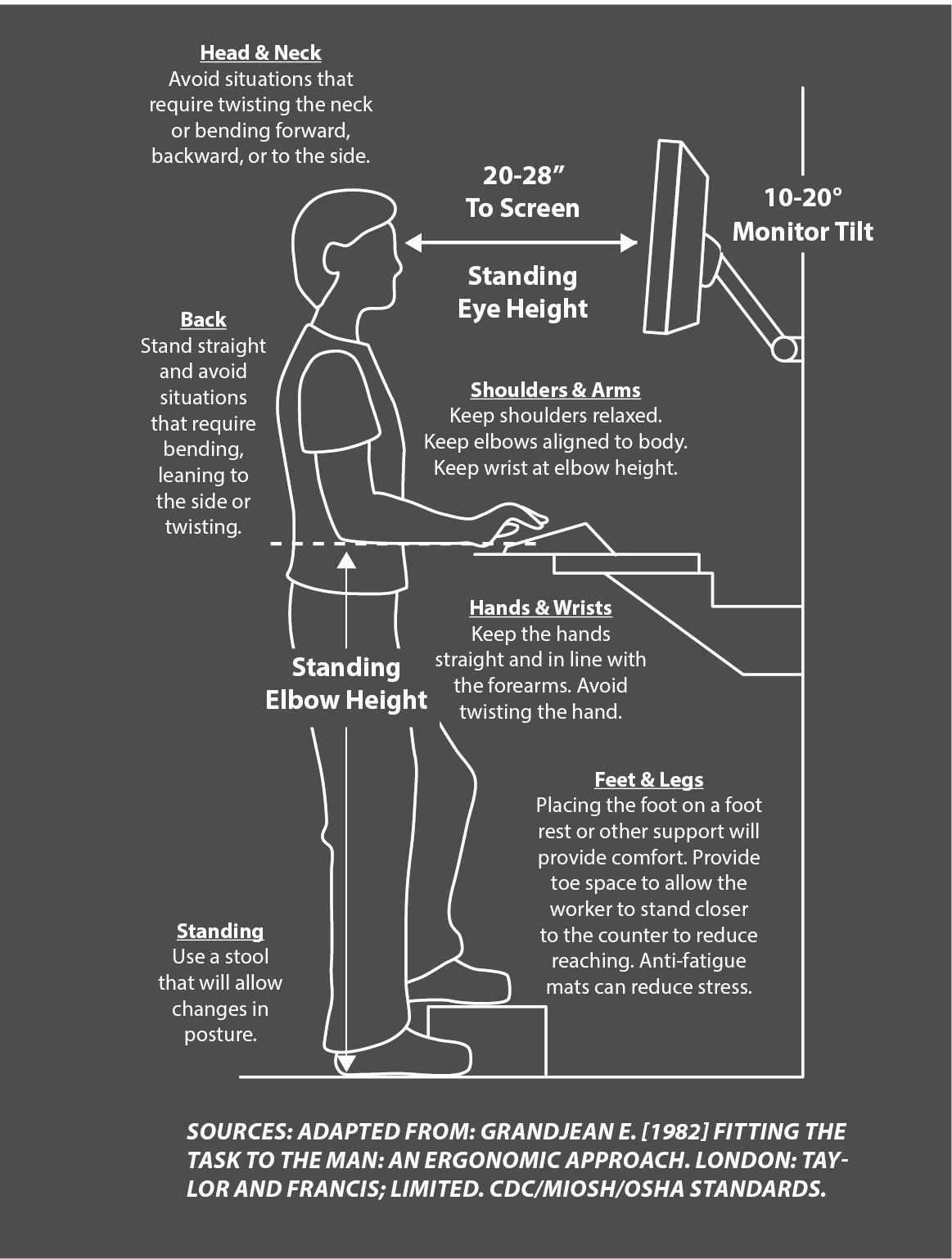
- Try a standing desk -or improvise with a high table or counter.
- Try out a new trend called Urban Walking meeting where you walk with your colleagues for meetings rather than sitting in a conference room. You’ll likely be more creative, productive, and have better ideas.
- If you work from home, position your work surface above a treadmill — with a computer screen and keyboard on a stand or a specialized treadmill-ready vertical desk – so that you can be in motion throughout the day.
Take a moment before the start of your workday, after or before a work break, and before you end the day with a quick stretch. Spending 5 – 10 minutes every hour can help reverse the effects of sitting for long periods of time during your workday.
We have put together a few workplace stretches to help:
- Enhance Flexibility
- Improve Circulation
- Promote Relaxation
- Decrease Healthcare Costs
- Promote Awareness of the need for regular exercise
Building the habit of moving more often throughout your day can also lead to better work performance and productivity. A recent study found that 66 percent of participants felt more productive with a one-hour increase in standing time, while 71 percent of people felt more focused.
What Are the Best Stretches to Do at Work?
Movement-Break Stretches You Can Do at Work!
Here are some great examples of movements you can try to do throughout your day. Learn them and build a great habit to reap to rewards of a healthy body.
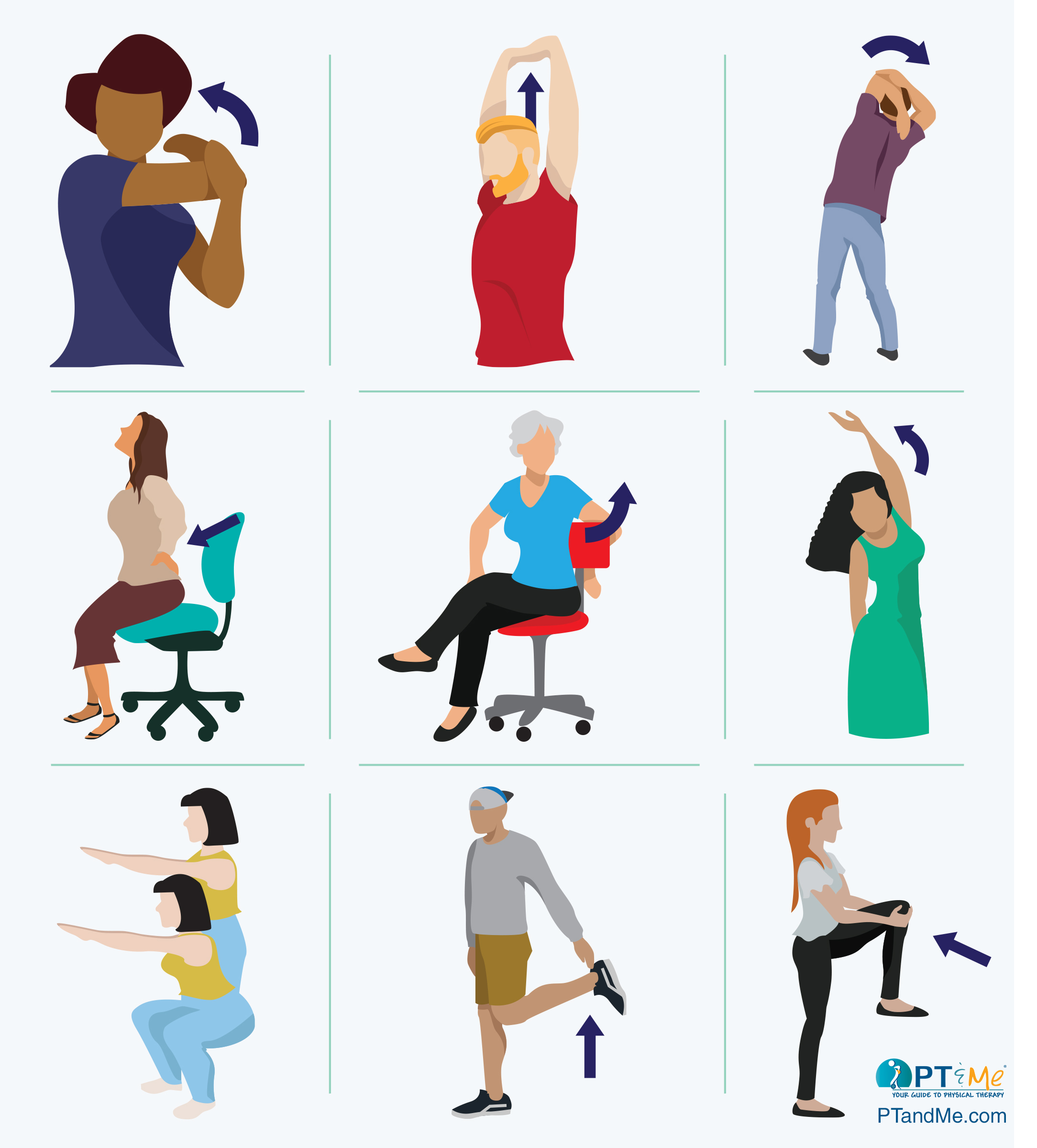
Perform these stretches 5-10 minutes before the start of work and after any work break of more than 15-30 minutes. Our talented teams of physical therapists can work with you to create a stretching program that’s specific to the muscle groups you use during your daily work routine. Find one near you today for more information.

Our bodies were made to move! If aches and pains are getting in the way of doing daily activities, take action now and contact us today to work with our team to create a stretching program that can work for your specific situation, and target muscle groups used during your daily work routine.
Looking for More?
Check out these 4 exercises you can do at home while watching TV. Small changes can make a big difference!

Article Reviewed by Matthew George, MSPT