Category Archives: Blog

Training Injuries

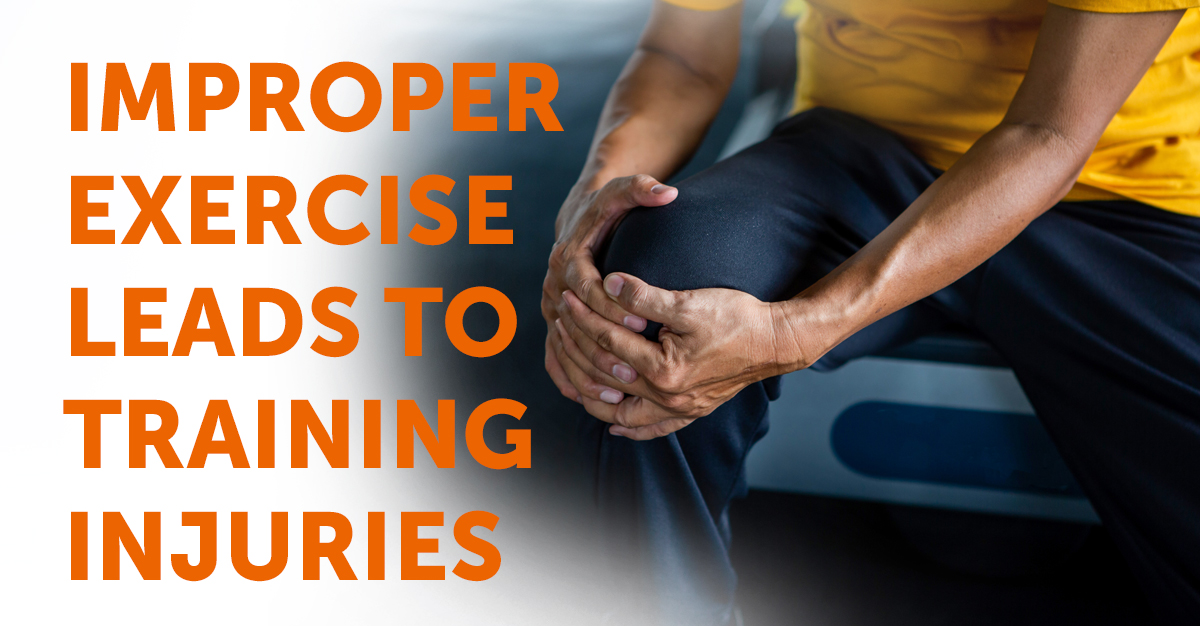
Improper Exercise Leads to Training Injuries

Training Injuries

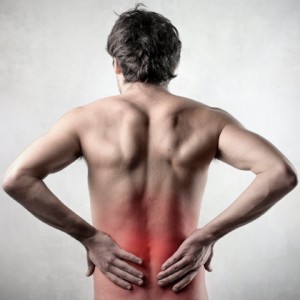
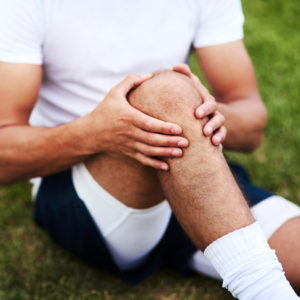
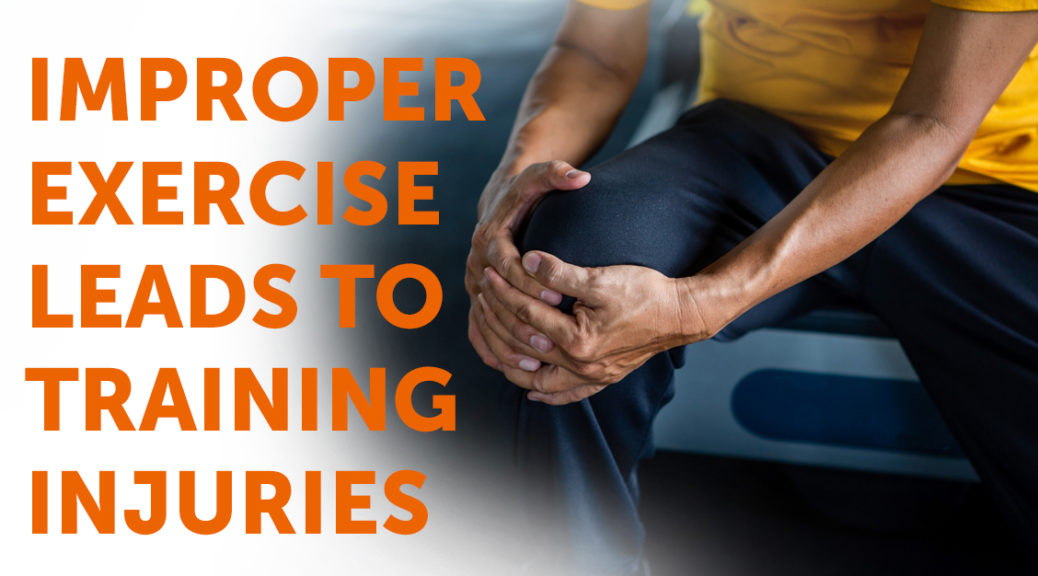
The amount of physical activity you need depends on your individual fitness goals and your current fitness level.  It’s important to start within your abilities and to listen to your body’s cues in terms of pain and injury. If you experience a training injury and your body starts to ache past the point of normal muscle soreness, your body is trying to tell you that something is wrong.  For a short time, you’ll be able to push through the ache, but eventually, a breakdown will happen, and weakness and lack of flexibility will begin. Once you have a breakdown, the pain will happen and more than likely you will stop training. We want to help you before you get to a breakdown.

Training Injuries

Training injuries can be sustained from weight training, martial arts training, and sport-specific training. Common injuries include:

  • Strain/Sprain (commonly called a pulled muscle)
  • Tendinitis,  Back/Neck Pain, Tennis Elbow (Inflammation of the tendon fibers that attach the forearm extensor muscles to the outside of the elbow).
  • Carpal Tunnel: Numbness, tingling, or a dull sensation of the thumb, index finger, and middle fingers due to compression to the median nerve in your wrist.
  • Muscle Tear/Rupture
  • Separated or Dislocated Joint (shoulder, hip, knee)
  • Bursitis: Tightness in the hip or pain radiating down the lateral thigh contusion

Running Injuries

Overuse musculoskeletal injuries occur frequently in runners. Proper stretching and training principles can reduce your risk of developing a running injury.

  • Shin Splints: An overuse injury of the anterior or posterior tibialis muscles, characterized by pain or soreness down either side of the shin. Technically, this condition is tendinitis or inflammation of the tendons/muscles that attach to the tibia.
  • Achilles Tendinitis: Inflammation of the Achilles Tendon with possible thickening or thinning of the tendon and associated with pain resulting from overuse, overstretch, or poor flexibility. Hills or jumping activity will exacerbate this condition.
  • Plantar Fasciitis: Inflammation of the plantar fascia, which is the connective tissue supporting the arch of the foot. There may be point tenderness at the heel and arch.  This condition usually occurs with increased mileage or won/unsupported shoes. This condition may lead to heel spurs.

Prevent Injury While you Train

Injury can happen at any time, but there are steps you can take before during, and after your run to help prevent long-term pain. Prior to your run allow yourself at least a five-minute warm-up.  Suggestions include jumping rope, jumping jacks, light jogging, or a combination. After your warm-up takes the time to gently stretch your muscles.  Remember not to bounce.

While you are training it is important to use the proper equipment. This includes shoes for your foot type (high arch, flat foot, neutral foot), comfortable clothing, and appropriate socks. If the shoe is fitted to your foot, you will need to change running shoes every 400 miles. Even sooner if wear has occurred to the foot platform. Also make sure to change the running path often, aka different locations, terrains, surfaces, and directions.  Cross-training is also important.  We recommend using a Stairmaster or elliptical trainer, biking, swimming, yoga, Pilates. After a run, it is important to cool down with more intense stretching than the warm-up.

How Physical Therapy Can Help

TRAINING ASSESSMENTS

  • Educate on faulty or improper posture or body mechanics with training
  • Educate and help with techniques on exercises that help your muscles stretch farther. Flexibility training helps prevent cramps, stiffness, and injuries and can give a wider range of motion.
  • Correct muscle imbalances through flexibility and strength training
  • Endurance training
  • Alleviate pain
  • Correct improper movement patterns

RUNNING ASSESSMENTS

  • Modify training when you have a minor ache and pain (This does not always mean you need to stop training)
  • Get assessed for weakness and flexibility issues to address biomechanical deficits.  A therapist can videotape your running to look for biomechanical deficits that you may have while running
  • Look at foot mechanics for proper shoe type, stability, motion control, and neutral/cushion shoes

Find a PT

We have talented teams of physical therapists throughout the U.S. that can help you get the care you need.  Whether you need training injury prevention or recovery, our specialists have the skills and know-how to get you back to your workout routine or sport safely.


physical therapy near me


PT News PTandMe

PT News December 2021

PT News PTandMe

This time in PT News we recap what our clinics have been posting throughout December 2021. We are excited to bring you current physical therapy-based posts featuring published articles from PTandMe partnering clinics!

Core Strength Improve Balance

1. Injury Prevention and Durability: The Significance of the “Core”

Written by Mishock Physical Therapy with multiple locations throughout  Montgomery, Berks, and Chester Counties.

In the US, 30 million children, and teens participate in organized sports with more than 4 million injuries each year. The majority of these injuries occur as sprains and strains of the upper and lower extremity. (Hopkinsmedicine.org) Many of these injuries are preventable with proper exercise training, which ultimately reduces health care costs and minimizes lost playing time keeping the athlete on the field or court.  Read more


Boxing Physical Therapy

2. Boxing: Making an Impact in Physical Therapy

Written by Intermountain Physical Therapy, an outpatient physical therapy practice with locations in Caldwell, Nampa, and Meridian, ID

Boxing is a full-body fitness and rehabilitation strategy that, in addition to general fitness, can be applied to a variety of conditions seen and treated by Physical Therapists and Physical Therapy Assistants.  Boxing has health applications for both neurologic and pathologic conditions, with significant research focusing on four common conditions addressed by physical therapy. Read more


3. The McKenzie Method

Written by ARC Physical Therapy+, an outpatient physical therapy group with locations throughout Greater Kansas City. 

“The most compelling part of the McKenzie Method is that it allows the patient to take a more active role in managing their pain,” Megan Westman, DPT, Certified MDT, explains. “It provides the patient’s tools to prevent further pain as well as improve centralization and reduction of symptoms in between each PT visit.”…  Read more

We hope you enjoyed our picks for the PT News December 2021 edition.

Find these locations and others to start feeling better today!

physical therapy near me

Physical Therapy Visit

Add Physical Therapy To Your 2022 Health Plan

Physical Therapy Visit

The new year is upon us and we can’t wait to see what surprises 2022 has in store. One surprise no one wants is pain and injury. Avoid this by getting scheduling an appointment with your physical therapist to have your musculoskeletal system checked. As physical therapists, we are uniquely qualified to evaluate physical changes in your body that could potentially lead to pain or injury. By making a routine physical therapy visit, we can help patients prevent issues in the future. You know they say, An ounce of prevention is worth a pound of cure.

So who can benefit the most from these visits? 

1. Former Patients:

If you have been discharged from physical therapy in the last 6 months or longer, this is a great time to get a follow-up. We can evaluate your previous injury and see if there are any signs of recurrence, go over your HEP to see if it needs to be updated to fit your current needs and check any other ailments that may be bothering you.

2. Athletes:

We work with athletes to help them prevent injuries in their sports before they occur. By going to physical therapy, we can evaluate the demands of your sport, compare that to your current physical capabilities, and create an exercise plan tailored to specific muscle groups. We can also work with teams to develop warm-up and exercise routines designed to improve performance.

3. Seniors over 65:

Seniors over the age of 65 can find themselves losing vision, strength, and perhaps, most importantly, balance. By going to physical therapy for a balance screening, we can identify your risk of falls and prevent them before they happen. The CDC says that 25% of people ages 65 and older fall each year. By going through a fall prevention program, we can help bring that statistic down.

4. Patients Considering Surgery:

Physical therapists work to reduce pain and heal injuries. It works so well in fact that in many cases it has been proven to remove or reduce the need for surgery.  If you’re looking for a conservative plan of care, you’ve come to the right place.  In the event that surgery is needed, we also provide pre-op appointments to help make recovery easier and safer.

We want to help you make this the best year ever by preventing major injuries or pain. We take your safety seriously. We are following all local and CDC guidelines to keep you safe. In-clinic and virtual appointments are available in many of our locations.  Find the clinic nearest you and get your physical therapy visit scheduled!

physical therapy near me

PT News PTandMe

PT News November 2021

PT News PTandMe

This time in PT News we recap what our clinics have been posting throughout November 2021. We are excited to bring you current physical therapy-based posts featuring published articles from PTandMe partnering clinics!

Healthy Snacks While Traveling

1. 15 Healthy Travel Snacks

Written by The Jackson Clinics with multiple locations in Northern, VA.

Packing healthy travel snacks may sound like a silly thing to do. After all, there are plenty of food options at just about every rest area or airport. However, there are many reasons to consider packing at least a few healthy travel snacks on your next trip.  Read more


Frozen Shoulder Physical Therapy

2. Don’t Miss Out on Free Physical Therapy

Written by Momentum Physical Therapy, an outpatient physical therapy practice with locations throughout Greater San Antonio, TX. 

Have you met your annual insurance deductible? If you have, it’s a great time to come in to see your physical therapist! any people find that they can access physical therapy at low or no cost after their deductible has been met. Most deductibles reset on January 1st, so NOW is the time to take advantage of your access to physical therapy. Not sure if your deductible has been met? Read more


Choose the right shoe

3. If the Shoe Fits

Written by Physical Therapy Plus, an outpatient physical therapy group with 3 locations in New Jersey

All too often the topic of footwear comes up in our clinic, even if the person isn’t there for a foot problem. The shoes you choose to spend your day in will greatly impact all areas of your body including your knees, hips, and spine. Your foot is the first part of your body to absorb the impact of the ground. That being said, it’s best to arm it with the right surface to stabilize against the force of the ground reaction…  Read more

We hope you enjoyed our picks for the PT News November 2021 edition.

Find these locations and others to start feeling better today!

physical therapy near me

Plantar-Fascioisis

Is your Plantar Fasciitis Really Plantar Fasciosis?

plantar fasciosis

There is a pain in your feet that has been bothering you for quite a while now.

You brush it off and put on your shoes in the morning to go to work. By the end of the day your feet are throbbing, and you realize there is a problem. Your feet handle the task of getting you from one place to another every single day, and sometimes you can experience pain when the thick band of tissue on the bottom of your foot becomes inflamed. This is called Plantar Fasciitis-or is it Plantar Fasciosis?

Plantar Fasciitis

Plantar fasciitis, pronounced PLAN-tur fas-e-I-tis (in case you were wondering), is one of the most common causes of foot pain. This is when pain and inflammation of the thick band of tissue on the bottom of your foot, called the plantar fascia, that connects the heel bone to the toes and creates the arch of the foot. When the plantar fascia becomes inflamed, it is called plantar fasciitis. This may be causing that stabbing pain you’ve been feeling in the morning, or when you stand up after sitting for a long period of time. Once your foot warms up, the pain of plantar fasciitis normally decreases, it may return after long periods of standing or after getting up from a seated position. This inflammation can be caused by trauma such as a fall or jumping from a height resulting in a once-off tear in the plantar fascia, or it can be the result of repetitive strain and micro-tearing from overuse or other causes. Common treatments for this condition are cortisone injections and pain medications.

Plantar Fasciosis

Chronic inflammation of the plantar fascia can cause plantar fasciitis which will evolve into plantar fasciosis (pronounced PLAN-tur fas-e-O-sis), if not treated. While fasciitis is an inflammatory process, fasciosis is non-inflammatory. Here is what this means: After the injury to your foot, the inflammation begins and tries to repair itself, but since we all need to use our feet every day, the plantar fascia is repeatedly stretched causing more tears all the while trying to repair itself. After time goes on and the injury is left untreated, there is a point where the tissue that is attempting to repair itself begins to break down leading to deterioration and scar tissue. At this point, the inflammation is gone so treatments for plantar fasciitis no longer work for plantar fasciosis. So how do you treat this pain?

Inappropriate footwear is the No. 1 cause of plantar fasciosis. Footwear that has a narrow or tapered toe box holds your big toe in an unnatural position. This happens by pushing your big toe towards your second toe, and if the front of the shoe is lifted, which is called the “toe spring” of the shoe (common in most athletic shoes). This will then pull on the foot muscle causing restriction to the blood flow to the main artery that carries blood to the bottom of your foot causing pain, inflammation, and tissue degeneration.

Here are some prevention and support tips:

  • Avoid high-heels. Wearing these fashion-approved shoes shortens the calf muscle placing even more stress on your arch and heel.
  • Avoid shoes with tapered toes. Your toes lose the ability to provide support for the rest of your foot when squashed together!
  • Always choose shoes with shock-absorbing soles and space inside for well-cushioned insoles. You can buy them and insert them into any pair of shoes.
  • Choose shoes that keep your feet in their natural position, with neither a high toe spring nor a high heel.

Don’t walk away from the pain and have a physical therapist take a look to help you sort out what type of injury you have. Those trustworthy feet of yours deserve it!

physical therapy near me


References:

https://bimptnyc.com/plantar-fasciosis-or-plantar-fasciitis/
https://www.aaronharriscmt.com/plantar-fasciitis-vs-plantar-fasciosis/

PT News PTandMe

PT News October 2021

PT News PTandMe

This time in PT News we recap what our clinics have been posting throughout Sept/October 2021. We are excited to bring you current physical therapy-based posts featuring published articles from PTandMe partnering clinics!

Arm Pain

1. Arm Pain? Check the Neck!

Written by JACO Physical Therapy with multiple locations in O’ahu, HI.

Do you have a deep ache or weird sensation in the shoulder, elbow, or hand? Does it come and go? Does it get worse when you stay in one position for too long, sometimes spreading into other areas? Do you massage or “shake it out” to get relief?  Check the neck!  Read more


get active square

2. Marathon Series: 4 Parts

Written by The Center for Physical Rehabilitation, an outpatient physical therapy practice with locations throughout Greater Grand Rapids, MI. 

Welcome to the blog and video series of my marathon training! I want to preface that this series will not be a detailed training plan, but a combination of reflection, describe shared principles in rehab and running, and a showcase of the clinician talent at CPR. Read more


Groin Strain

3. Pulled Groin or Sports Hernia? How to Tell the Difference

Written by O.S.R. Physical Therapy, an outpatient physical therapy group with 4 locations in MN.

It’s one of the most painful moments of any athlete’s life. Doing a fast cut-over during practice or twisting too much to avoid another player, suddenly you feel a sharp pain in your inner thighs and up into your groin. Clearly, you’ve strained your groin – but, is this strain just a pulled groin or sports hernia?…  Read more

We hope you enjoyed our picks for the PT News October 2021 edition.

Find these locations and others to start feeling better today!

physical therapy near me

What do Physical Therapists Do

Physical Therapists Do More Than Treat Pain

What do physical therapists do

October is our favorite month of the year because it is National Physical Therapy Month!  This month-long celebration is here to recognize the impact physical therapists make in restoring and improving motion in people’s lives. What do physical therapists do? Physical therapists work to improve strength, flexibility, and independence, by working to remove pain, injury, and weakness!

Here are a few of the reasons patients come to physical therapy each day!

Physical Therapy treats pain

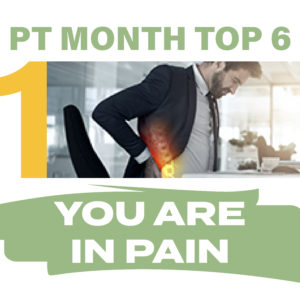
To Reduce or Eliminate Pain: If you are experiencing pain, physical therapy can help you treat the cause and not just the symptoms of your pain. Physical therapists work one-on-one with patients to achieve long-term solutions without the use of expensive prescriptions or tests, saving them both time and money.

physical therapy postpones surgery

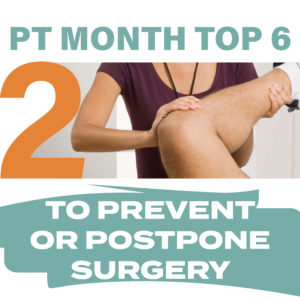
To Prevent or Postpone Surgery: While surgery can be the best course of treatment for certain diagnoses, there is increasing evidence demonstrating that conservative treatments like physical therapy can be equally effective and cheaper for many conditions. One study showed that physical therapy can lower patient treatment costs by 72 percent, and it has been proven to remove or reduce the need for surgery in many cases. In the event that surgery is needed, a pre-op visit can help make recovery easier and safer.

physical therapy prevents falls

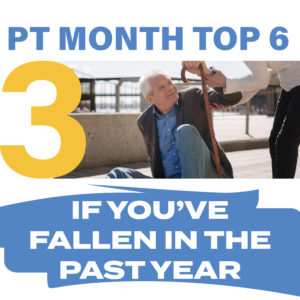
To Improve balance and prevent falls: According to the CDC, falls are the leading cause of injury and death for Americans over 65. Fall prevention programs offered by physical therapists are designed to increase independence with functional activities, functional mobility, and safety awareness while decreasing fall risk.

physical therapy prevents sports injuries

To Prevent Sports Injuries: Physical therapists work with athletes on many levels to prevent injury while promoting improved performance. By evaluating body movements and muscle strength, physical therapists can help you solve what body mechanics need to be corrected and create an injury recovery program for you to ensure a safe return to your sport with a competitive edge.

physical therapy covid recovery

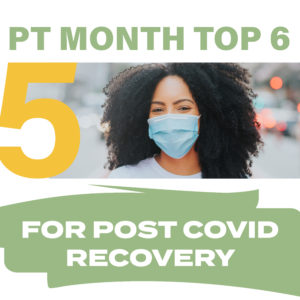
To Regain Strength after COVID-19: Even patients that weren’t hospitalized can experience multiple symptoms that may last several weeks or even months. Our therapists will provide you with a comprehensive evaluation to develop an individualized treatment plan to overcome your impairments and restore your strength.

physical therapy can help you achieve health goals

To Reach Overall Health Goals: Physical therapy can help those that have had trouble with mobility or are looking to improve strength and overall health. Physical therapists can tailor programs to each patient’s ability levels in order to improve confidence and independence while reducing the risk of future injury.

Physical therapists work collaboratively with their patients to empower them to reach their individual goals, meet their needs, and overcome their challenges. In many cases, patients develop a lifelong relationship with their physical therapist to maintain optimum health and movement abilities throughout their lifespan. Now that you know what physical therapists do, if you or anyone that you know need physical therapy services, contact us today to have a physical therapist come to your home and make October your healthiest month yet!

physical therapy near me

MedRisk (2021). Statistics Spotlight: Physical Therapy Reduces Costs [Online]. Available from: https://www.medrisknet.com/statistics-spotlight-physical-therapy-reduces-costs/ [Accessed 7 October 2021]. 


Cancer Fatigue Physical Therapy

Physical Therapy can Help Battle Cancer Related Fatigue

Should you Consider a Physical Therapy Cancer Fatigue Program?

Cancer treatments are rigorous and can take a toll on the body. If you are feeling tired all the time you’re not alone. The number one complaint of cancer patients, affecting 78% to 96% of those undergoing treatment, is cancer related fatigue(CRF). The goal in Physical Therapy is to help you become as independent as possible. Anyone who experiences signs and symptoms of pain or loss of function would benefit from an individualized physical therapy program.

Physical therapy can help you recover from:

  • Chronic pain
  • Leg pain
  • Shortness of breath after light activity
  • Difficulty walking short distance
  • Difficulty performing daily tasks
  • Extreme weariness and tiredness
  • Difficulty paying attention or concentrating

What to Expect from A Physical Therapy Cancer Fatigue Program

Licensed Physical Therapists provide specialized therapeutic services that address the needs of CRF patients. Therapy sessions last approximately thirty minutes to one hour, depending on the patient’s tolerance. The average number of visits per week is 2-3. The physical therapy program is concurrent with cancer therapy and may last throughout the entire treatment phase. Most programs require a thorough physical therapy evaluation and a team approach with your physician is maintained.

Consider it a stepping stone approach towards your recovery.

  • Address pain—which in turn can alleviate fatigue
  • Use non-drug based treatments such as physical modalities:
    – Soft tissue & joint mobilization
    – TENS
    – Heat/Cold
  • Coach patient on how to exercise
  • Alleviate musculoskeletal dysfunction
  • Improve posture
  • Combat effects of bed rest
  • Help to maintain muscle strength and flexibility, and restore muscle balance
  • Help to decrease depression by increasing endorphins
  • Improve balance
  • Improve endurance
  • Core body strengthening

Lady bandana

The Motivation Behind a Cancer Recovery Program

From a physical therapy perspective, one of the main reasons for helping cancer patients comes from seeing individuals for pain problems who were S/P cancer and chemo/radiation. When asked about their the post-treatment care, they said that either; there was none provided, or that they got a few sessions with a lymphedema nurse. Their fatigue and pain symptoms were not addressed.

In looking at what was offered in the community (with the exception of lymphedema nurses) there appeared to be no one addressing the cancer patients—once medical treatment had been completed.

Previous advice for cancer patients was often to get more rest and avoid activities that are physically challenging. Recent studies have shown that exercise was found to be effective in preventing or reducing CRF. No adverse effects of exercising have been reported. Identified as “remarkably underutilized”, exercise is one of the few interventions suggested to diminish CRF and other psychosocial symptoms. If you are struggling to regain your strength and endurance talk to your physical therapist and see if they offer a cancer-related fatigue program that can help you get back to doing the things you enjoy.

physical therapy near me

Information Provided by PTandMe Physical Therapy Partner, Advance Rehabilitation. Advance Rehabilitation has locations throughout GA and Northern FL. More information about Advance Rehabilitation can be found on their website at www.advancerehab.com.

For more information on cancer-related physical therapy programs click here:

    
PT News PTandMe

PT News August 2021

PT News PTandMe

This time in PT News we recap what our clinics have been posting throughout August 2021. We are excited to bring you current physical therapy-based posts featuring published articles from PTandMe partnering clinics!

ACL Knee Pain

1. Knee ACL and Lower Extremity Injuries: Can we prevent them in our young athletes? 

Written by Mishock Physical Therapy with multiple locations in Montgomery, Berks, and Chester Counties.

Lower extremity injuries make up 66% of all sports injuries, the knee being the most commonly injured joint. (Med Sci. Sports Exerc. 2002) The anterior cruciate ligament (ACL) is one of four ligaments in the knee that holds the thigh and leg bones together. The ACL ligament is often injured in sports. The ACL ligament tear often requires orthopedic surgery (ACL reconstruction). It is estimated that 350,000 ACL reconstructions are performed annually in the USA. Over 100,000 of these repairs happen in NCAA athletes per year, alone.  Read more


Core Strength Improve Balance

2. Strengthening Your Core Can Improve Balance

Written by One to One Physical Therapy & Aquatics, an outpatient physical therapy practice with locations in Lake Worth, Boca Raton, & Delray Beach, FL. 

Did you know that strengthening your core muscles is linked to developing better balance? It’s true! When your core muscles are strong, they have a better chance of preventing you from experiencing chronic lower back pain and developing other injuries. They also prevent you from losing your balance or falling over. A strong core helps to keep you in an upright position, especially as you get older and develop more of a risk of falling and hurting yourself. Read more


Mountain Biker Physical Therapy

3. Freeride Mountain Biker Carson Storch Pushes the Limits

Written by Rebound Physical Therapy, an outpatient physical therapy group with locations throughout Greater Bend, OR. 

In the sport of freeride mountain biking, taking big risks often produces big rewards. Professional freerider Carson Storch knows this firsthand. The 28-year-old Bend native has spent the last decade competing in high-profile slopestyle and freeride competitions and starring in mountain biking film projects in which he pushes the limits of the sport…  Read more

We hope you enjoyed our picks for the PT News August 2021 edition.

Find these locations and others to start feeling better today!

physical therapy near me

PTandMe was recently recognized as one of the Top 100 Physical Therapy Blogs Online by feedspot.com!

Physical Therapy During COVID

Physical Therapy During COVID

Physical Therapy During COVID

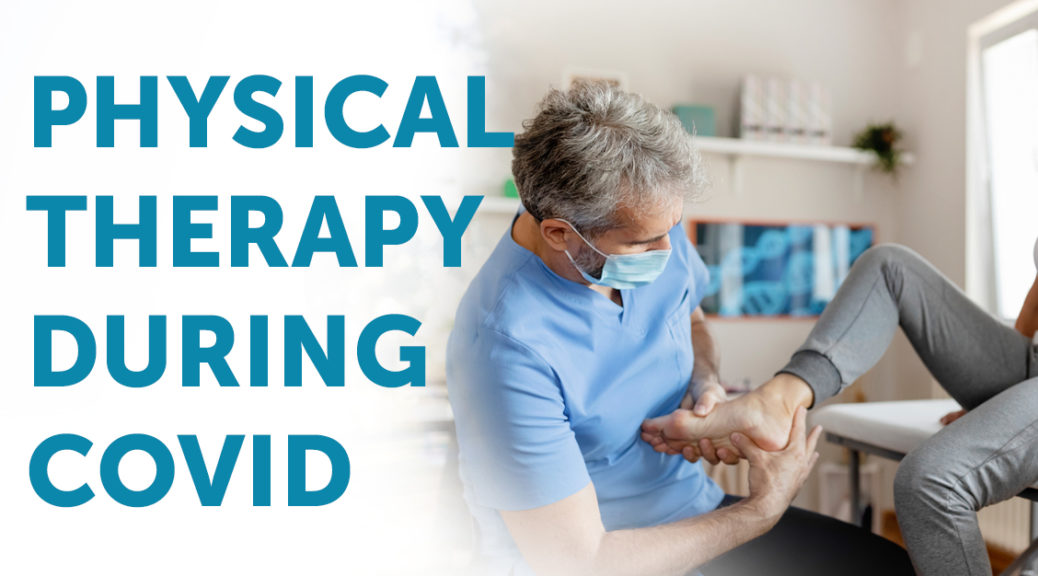
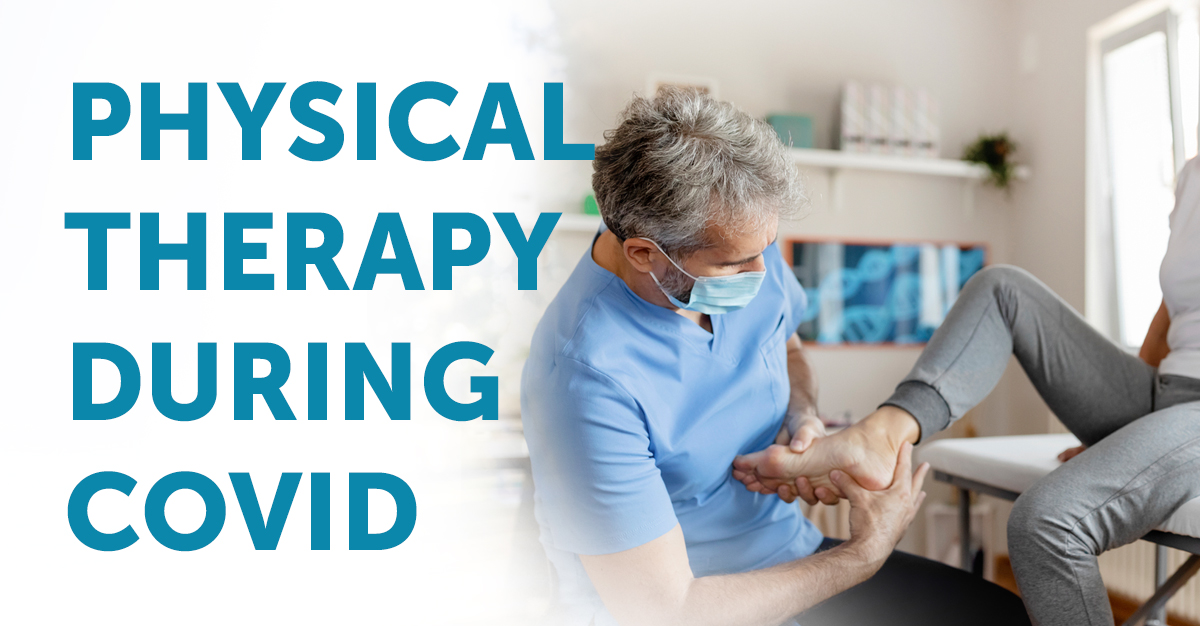
We are here for you! We are still following CDC guidelines to reduce the spread of COVID-19. Our staff continues to wear masks and disinfect frequently used surfaces. If you’re looking for an additional way to attend physical therapy during COVID, telehealth appointments are available for patients that may not feel comfortable coming into the clinic. Telehealth uses both VIDEO and AUDIO so that we can have two-way communication during virtual visits. 

  • We’ll email you a link.
  • You’ll join a video chat using a smartphone, laptop, or tablet. 
  • We’ll take you through a full therapy session with a major focus on exercises that restore joint range of motion and address tissue dysfunction. Then we’ll email you a thorough home exercise program.

While it may be tempting to stop before your treatment program has concluded, stopping too early can cost you both in terms of your health and your future goals. Here are some possible risks to stopping therapy before your body is ready:

  • Risk of Re-injury 
  • Ending treatment before learning how to maintain your health and strength
  • Result in costly tests & unnecessary appointments, even emergency room or hospital stays
  • Permanent bodily damage

You wouldn’t think of skipping your heart medication or your antibiotic. Physical therapy is no different! Consider physical therapy as you would another prescription from your doctor as part of your road to full recovery.

If you’re having trouble figuring out where you are on your physical therapy journey, see below to find out where you may see yourself:

Stage 1, Protection Phase: your body’s aim at this point is to protect your injury from any further damage; gentle movement can be added to maintain mobility, treatments to help control inflammation and pain 

Stage 2, Repair Phase: Your body has transitioned to repairing the injured tissues which commonly lasts up to six weeks post-injury; strengthening exercises are added as tolerated, and increased function begins

Stage 3, Remodeling Phase: the period between six weeks and three months is when your healing tissue is reasonably mature and will automatically stimulate additional new tissue to help strengthen and support the healing tissue until it meets the demands of your normal exercise or physical function

Stage 4, Ongoing Repair and Remodeling: this final stage of tissue repair can last from 3 months up to 12 months; physical therapy treatments focus on improving the quality of the new tissue and preventing reinjury

We can assure you that attending your remaining physical therapy appointments is a good investment for your health, now and in the future! Many of our physical therapists offer telehealth appointments in addition to on-site visits. Find one near you today!

physical therapy near me