
Category Archives: Blog

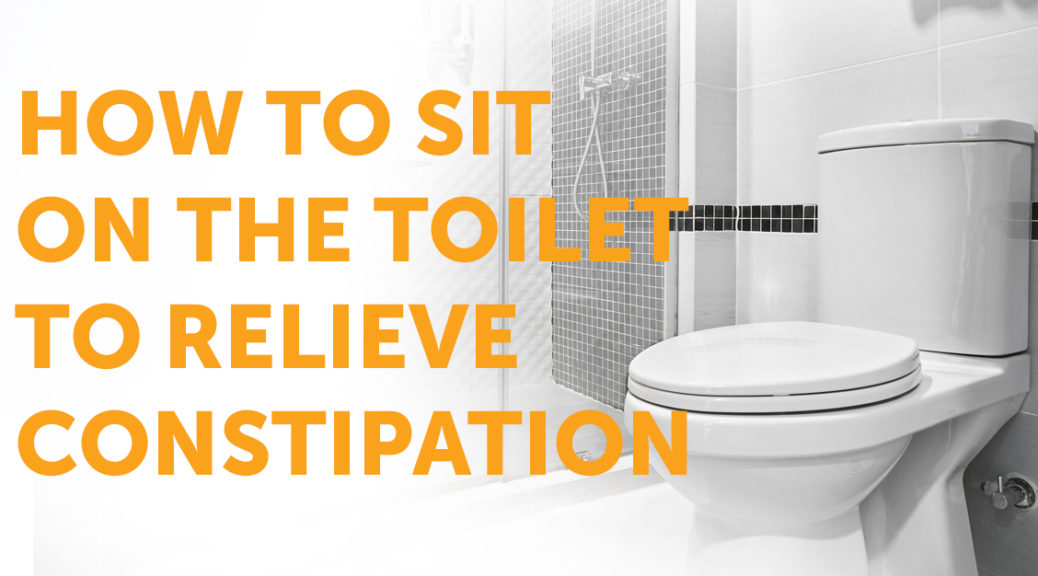
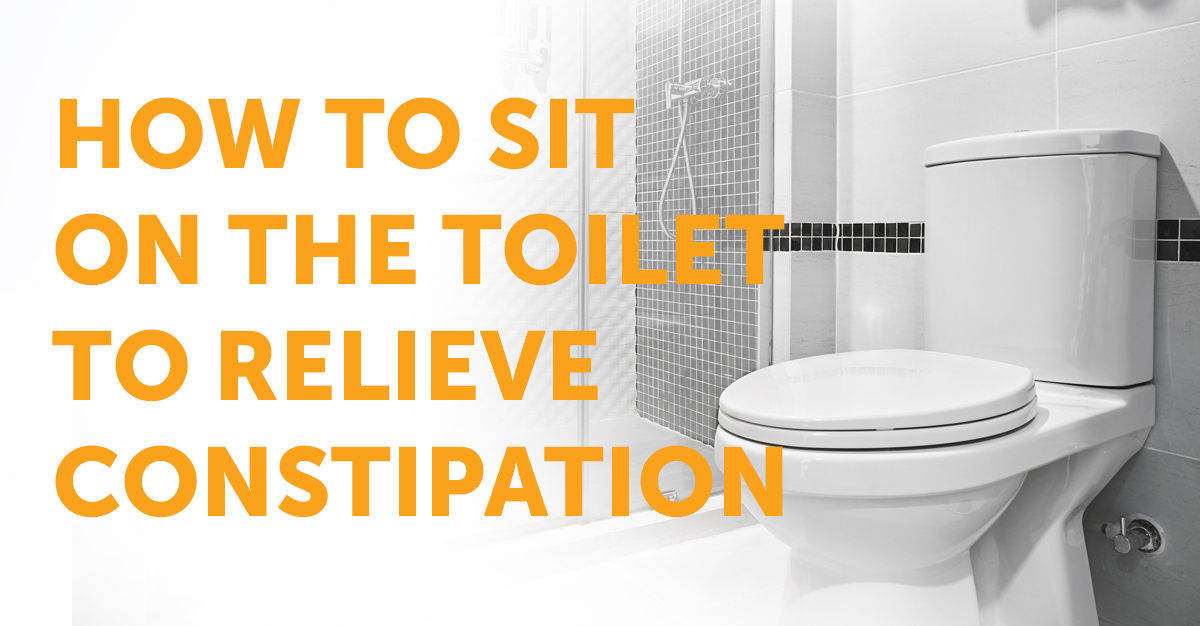
How to Sit on the Toilet to Relieve Constipation

How to Sit on The Toilet to Relieve Constipation

How to Sit on the Toilet to Relieve Constipation

Using your belly and pelvic floor muscles to help bring about a bowel movement is instinctive for most people. However, people sometimes have problems with these muscles and must relearn proper emptying techniques. If you discover weaknesses in your muscles, continuously ignore and fight the urge to go to the bathroom, or consume a diet low in fiber and water, you may be straining to conduct a bowel movement. You may be doing this if you:

  • Hold your breath or take in a gulp of air and hold it.
  • Keep your lips and jaw tensed and closed tightly.
  • Turn red in the face because of excessive pushing or forcing.
  • Develop hemorrhoids or have existing hemorrhoids worsen.
  • Get faint while pushing.
  • Aren’t emptying, resulting in many trips to the restroom to feel complete.

Straining makes it harder to conduct a bowel movement. In some cases, the anus can tighten instead of relaxing and opening, resulting in difficulty getting stool out. Here’s how to sit on the toilet to relieve constipation.

Position to Relieve Constipation

EVACUATION PLAN: Conducted in 4 Basic Steps

When conducting a bowel movement, it is essential to position yourself appropriately.

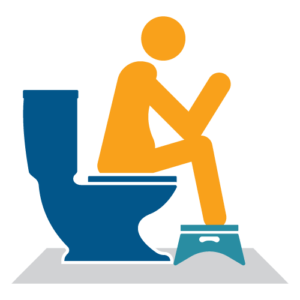
  1. Lean forward enough for your elbows to rest on your knees. Keep your back straight and avoid slouching.
  2. Support your feet on the floor or use a low stool if your feet don’t touch the ground.
  3. Push out your belly as if you have swallowed a beach ball. You should feel a widening in your waist.
  4. Exhale and keep your stomach out.

Position to Relieve Constipation  Rectal Squatted Position While Pooping on the Toilet

Proper Bowel Elimination

Your healthcare practitioner may make the following additional suggestions and adjustments:

  • Sit on the toilet.
    • Make sure your feet are supported.
    • Notice your hip angle and spine position – most people lean forward or raise their knees, which can help the muscles surrounding the anus to relax.
    • when you lean forward, place your forearms on your thighs for support.
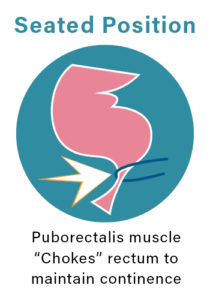
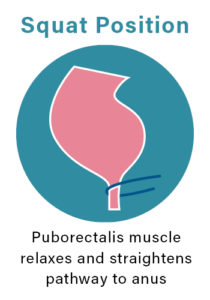
    • With proper positioning, the pelvic floor muscles relax, and the bowel angle decreases, allowing ease of elimination.
  • Relax.
    • The digestive tract starts at the mouth and ends at the anal opening, so be sure to relax both ends of the tube.
    • Breathe deeply in through your nose and out slowly through your mouth.
    • Keep your pelvic floor muscles relaxed; let your belly bulge out.
  • Empty.
    • Inhale and stick your belly out as if you swallowed a beach ball.
    • Exhale, keep your belly out and make it hard; this widens the anal opening.
  • Complete.
    • After completing your bowel movement, you can consider performing one or two pelvic floor muscle contractions.

Consider these steps when you sit on the toilet to relieve constipation. If you don’t feel any progress after conducting these steps, consult a health practitioner about the next steps in the process. Visit our Pelvic Health Page for more information about how physical therapy can help.

Written by Life Fitness Physical Therapy, with multiple locations throughout the Baltimore Area.

physical therapy near me

Remote Therapeutic Monitoring for Traditional Medicare Patients

Remote Therapeutic Monitoring for Traditional Medicare Patients

Remote Therapeutic Monitoring for Traditional Medicare Patients

What is Remote Therapeutic Monitoring?

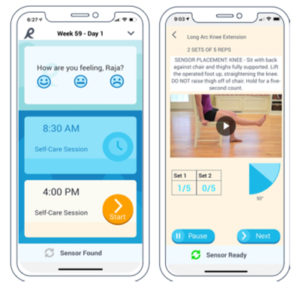
Remote Therapeutic Monitoring (RTM) provides physical and occupational therapists with a platform to review and monitor musculoskeletal data when a patient is not in the clinic. Including:

  • Pain levels
  • Functional level
  • Therapy adherence
  • Response to treatment

With RTM, physical therapists continue to create and prescribe home programs as part of the treatment plan as they have always done. The difference with RTM however,  is that now our teams can monitor a patient’s performance and response to the home exercise program between clinic visits. RMT provides physical therapists with musculoskeletal data and reports pain levels each time the patient engages with the platform. Additionally, if a patient can’t perform their exercises or follow the instructions correctly, the physical therapist will know and be able to make modifications immediately.

Why Remote Therapeutic Monitoring?

Improved patient compliance with the physical therapist’s instructions and adherence to home programs have long been correlated with better outcomes in physical therapy. Completing the home exercise program is a crucial part of the overall plan to get patients healthy, and RTM is making that easier for both patients and providers.

In 2018, it was estimated that only 35% of patients fully adhered to their plan of care.

We’re looking to change this by engaging patients with a new way to do their Home Exercise Programs!

RTM represents one of the first ways physical and occupational therapists,  can utilize technology to improve communication and drive better outcomes with their patients. RTM platforms are secure and are easily accessible for any patient with access to a smart device or computer.

Remote Therapeutic Monitoring (RTM) Steps 

  • The therapist designs and prescribes HEP
  • The patient performs their personalized program at home
  • Clinical staff remotely monitors patients’ adherence to their home program and pain and function measures
  • The therapist makes any necessary adjustments to the at-home program if needed based on the statistics RTM sends to them

These Easy to Use Apps are Improving Patient Outcomes

Plethy-Recupe
Plethy – Recupe
Limber
Limber Digital Health Solutions

How to Know if Remote Therapeutic Monitoring for Physical Therapy is Right for You

RTM is currently available for patients

  • Carrying Traditional Medicare Insurance coverage
  • Diagnosed with a musculoskeletal condition (surgical or non-surgical)
  • Who speak and read in English and own a smart device or computer

We have locations across the United States implementing RMT programs into their treatment plans. Find the one nearest you today for more information about the program they provide.

physical therapy near me

Additional Resources:

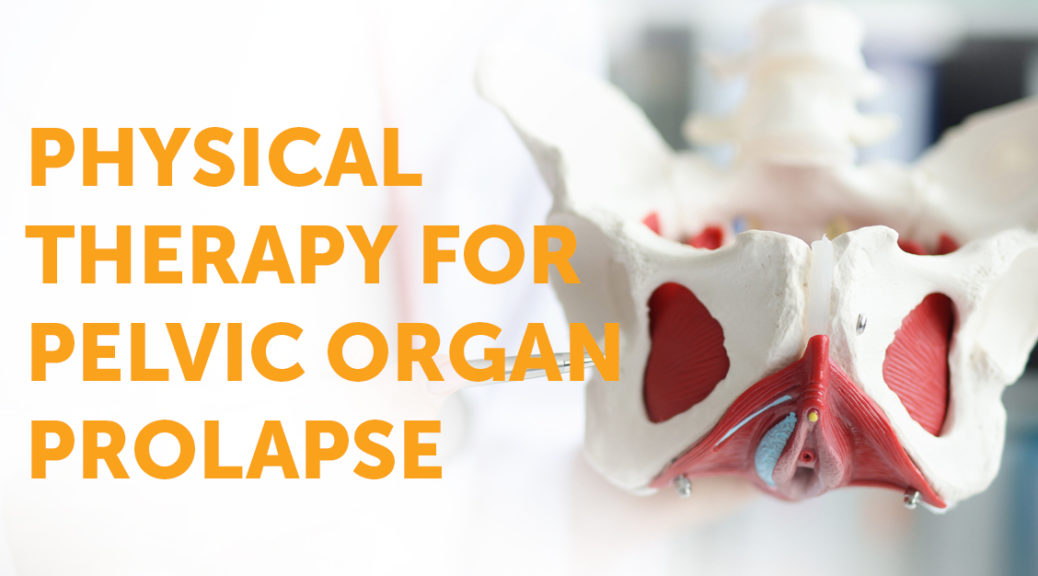
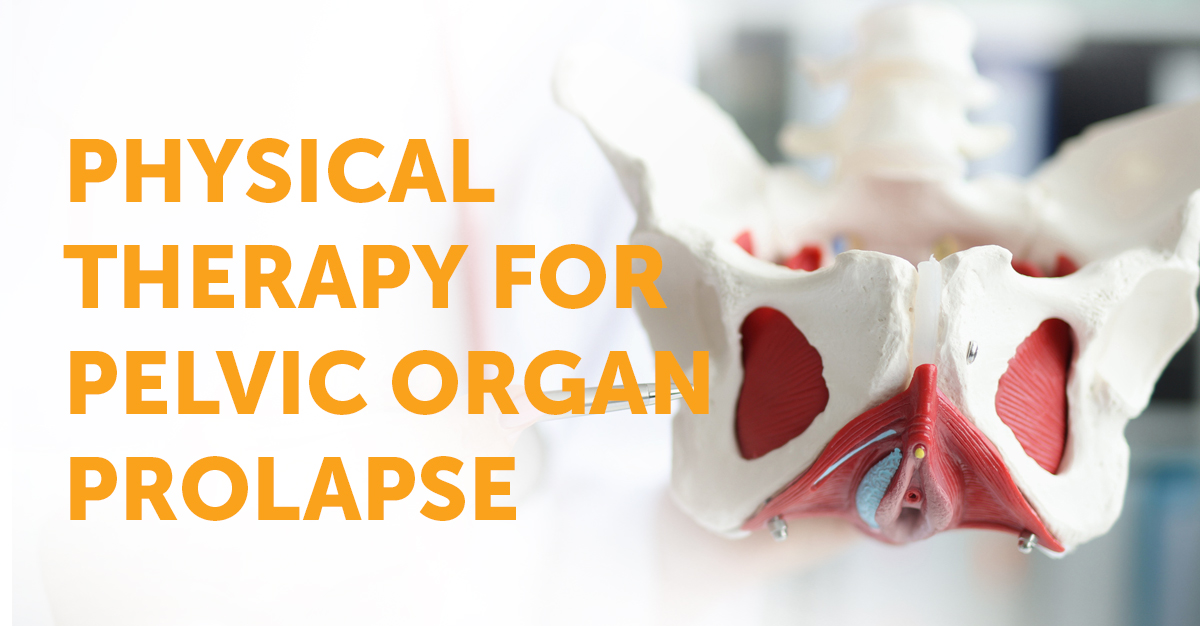
Physical Therapy for Pelvic Organ Prolapse

Physical Therapy for Pelvic Organ Prolapse

Physical Therapy for Pelvic Organ Prolapse

What is pelvic organ prolapse?

Pelvic organ prolapse, categorized as a pelvic floor disorder, affects almost 3% of women in the U.S. The pelvic floor is a group of muscles that form a hammock across the patient’s pelvic opening. These muscles and the tissues surrounding them keep the pelvic organ in place. These organs include the bladder, uterus and cervix, vagina, small bowel, and rectum. These muscles and tissues can develop problems or disorders and become more common as women age.

What is a prolapse?

Prolapse can happen when the pelvis muscles and tissues can no longer support these organs because they are weak or damaged and can cause one or more pelvic organs to drop or press into or out of the vagina.

What causes pelvic organ prolapse?

Pelvic organ prolapse is when the muscles and ligaments supporting a patient’s pelvic organs weaken, and the pelvic organs can drop lower into the pelvis, creating a bulge in the vagina (prolapse). Pelvic organ prolapse most commonly develops years after childbirth, a hysterectomy, or menopause.

Patients may experience pelvic pain for a variety of reasons. These reasons could include:

  • Myofascial (muscle & fascia): Muscles of the pelvic floor can be tense, weak, shortened, or uncoordinated. Scars and fascia tightness may contribute to pain.
  • Organ-related: The origin of the pain is primarily from an organ: the vulva, bladder, bowels, or uterus; Common medical diagnoses include vulvodynia, interstitial cystitis, painful bladder syndrome, endometriosis, irritable bowel syndrome, or menstrual pain.
  • Nerve-related: Pudendal neuralgia is often referred to as “the carpel tunnel syndrome of the pelvic floor”. This condition is brought forth by the pudendal nerve compressing and can cause perineal or rectal pain. Injuries during childbirth, prolonged downward pressure on the pelvic floor, prolonged sitting, and bicycling are common causes of pudendal neuralgia.

What are the symptoms of a pelvic organ prolapse?

  • Feeling of pressure, discomfort, aching, or fullness in the pelvis.
  • Pelvic pressure that worsens with standing or coughing as the day continues.
  • Trouble controlling bowels or urine, leading to leaks.
  • Uncomfortable pressure during physical activity.

*Symptoms could worsen at certain times of the day, during physical activity, or after standing for a long time.

Physical Therapy for Pelvic Organ Prolapse

Pelvic Floor Physical Therapy is one of the most common treatments for pelvic organ prolapse. This specialized physical therapy relieves the symptoms of pelvic floor dysfunction and strives to help the patient’s muscles work how they should.

Pelvic floor therapy typically includes several exercises and helps the muscles relax and gain strength. A pelvic health physical therapist will work with the patient to see how strong their core muscles are and how much endurance their body has while checking the coordination of their pelvic floor muscles.

This initial assessment will help develop a plan exclusively for the patient’s body. Pelvic floor therapy plans commonly include both external and internal therapy.

Dry Needling Trigger point therapy

Trigger point dry needling is a safe, effective, and efficient treatment technique to release pain from taut bands of skeletal muscle. Trigger point dry needling uses small, thin needles to stimulate underlying myofascial trigger points, muscular and connective tissues for the management of many orthopedic conditions, both acute and chronic. By inserting a needle into the dysfunctional tissue, it often leads to a contraction of the muscle which then stimulates a release. This leads to a reduction of pain, improvements in flexibility, and restoration of normalized movement when combined with corrective exercises.

Kegels

Kegels are known for strengthening the pelvic floor as well. This exercise can help the pelvic floor muscles by contracting and relaxing them. Pelvic floor exercises such as Kegels are personalized exclusively for each patient. These personalized routines include the number of repetitions, variety of positions, time holding a pose, time relaxing, and coordination with breathing and other key muscle groups. Talk to a pelvic health physical therapist about conducting this exercise and adding it to your personalized plan.

Electrical Stimulation (ESTIM)

Pelvic health physical therapists may include ESTIM as part of treatment.  Electrical stimulation works by inserting a small probe into the vagina and sending mild electrical impulses to stimulate the muscles in your pelvic floor. Electrical Stimulation can help reduce pain and muscle spasms in the pelvic region.

Biofeedback

Biofeedback, like electrical stimulation, uses a device to check the contraction of the pelvic floor muscles. It works by placing electrodes on the outside of the body or using internal probes to measure the tension and relaxation of the pelvic floor muscles. Pelvic health physical therapists use biofeedback to help guide patients as they work to strengthen or relax pelvic floor muscles.

Pelvic floor physical therapy can help reduce and eliminate symptoms of pelvic organ prolapse. Research supports using pelvic floor muscle training as an effective treatment option for patients with Grade 1 or Grade 2 pelvic organ prolapse. Once an individual’s prolapse exceeds Grade 2, they may still be able to proceed with pelvic floor therapy, but surgery is the recommended treatment for Grade 3 and Grade 4 pelvic organ prolapse.

If you find yourself in need of a pelvic health physical therapist, talk to your Ob/Gyn about what options are right for you.

physical therapy near me

PT News PTandMe

PT News June 2022

PT News PTandMe

This time in PT News we recap what our clinics have been posting throughout June 2022. We are excited to bring you current physical therapy-based posts featuring published articles from PTandMe partnering clinics!

Rotator Cuff Prevents Shoulder Pain

1. How Your Rotator Cuff Prevents Shoulder Pain

Written by Advance Rehabilitation with locations throughout Georgia.

You don’t know what happened. You were just playing catch with your child and you just threw “too hard” and the next day your shoulder hurt. Or maybe you were out cutting tree branches and the next morning you could barely raise your arm. How about you just woke up and had a pain in the shoulder that just did not go away or even got worse the more you used that arm. You decide to see your family physician and you hear the words “Your pain is coming from your rotator cuff.” You think “Great! But what is a rotator cuff and why is it hurting my shoulder?”   Read more


Hiking Advice

2. A Physical Therapist’s Hiking Advice

Written by Carolina Physical Therapy & Sports Medicine an outpatient physical therapy practice with locations throughout South Carolina.

My husband and I spend an amazing weekend at Yosemite National Park in California last year. We are not avid hikers, but we could not resist going on multiple hikes when we were there. We decided to go on a very long hike, Upper Yosemite Falls. It is over a 7-mile round trip with over 2500 elevation gain. We did some research before the hike to see what all we need to survive that hike. Read more


Low Back Pain Physical Therapy

3. Balance Training to Help Prevent Lateral Ankle Sprains

Written by The Center for Physical Rehabilitation, an outpatient physical therapy group with locations throughout Greater Grand Rapids, MI.

Ankle sprains are one of the most common injuries in the United States with approximately 28,000 occurring per day (Kaminski et al., 2013). Ankle sprains are estimated to make up 45% of all athletic injuries. As an athletic trainer in the secondary school setting, these seem to occur on a weekly basis. Due in part to some quarantine boredom in mid-2020, balance training was a solution found by way of a 16-year-old research study.   Read more

We hope you enjoyed our picks for the PT News June 2022 edition.

Find these locations and others to start feeling better today!

Physical Therapy Appointment

Choosing the Right Athletic Shoe

Choosing the Right Athletic Shoe

Choosing the Right Athletic Shoe

A good pair of shoes is one of the most essential parts of your workout gear and is critical to your safety. Wearing the wrong shoe can set you up for injuries like plantar fasciitis, shin splints, or even a total wipe-out! If the shoe fits your activity – wear it! So how do you choose the right athletic shoe? Let’s “walk” through the basics!

Choosing the Right Walking Shoe

Walking is one of those activities that can add years to your life -ask any centurion! When you walk to exercise, your heel hits the ground first before rolling gradually to the toe. This means you want a shoe with good shock absorption at the heel, particularly under the ball of the foot. Also, look for a shoe with a rocker bottom or slight rounding at the sole. This will help easily shift your weight from heel to toe.

The shoe should also be:

  • Flexible along the arch area
  • Rigid at the toe area
  • Made with lightweight material
  • Have a good amount of cushioning under the ball of the foot & arch area

Using the right walking shoe will reduce the chances of developing heel pain and burning & tenderness at the ball of the foot, which in many cases leads to plantar fasciitis.

The walking shoes our physical therapists are recommending:

Recommended Walking shoes by Physical Therapists

Walking Shoes Physical Therapists Like

Choosing the Right Running Shoe

If you’re one of those people that likes to get their heart rate up and going out for invigorating runs, there are a few things to keep in mind when finding the right pair of shoes to run in. The best running shoes are lightweight, flexible, have heel control, and overall great shock absorption. What makes a running shoe different than a walking shoe is the thicker heel and the sole is arched, with intricate treads that help propel you forward.

If you need a pair of shoes to run a marathon, the general rule of thumb is that the shorter the race distance, the flatter & lighter shoe you can get away with. Adding any extra unnecessary cushioning and weight to your shoes may affect your running time. For a 5K marathon, a racer may choose a more snug-fitting minimal flat, although a 10K or half marathon will likely require a roomier, more cushioned shoe.

If you prefer running through the unpaved trail with beautiful scenery but with uneven terrain, look for trail running shoes. This type of shoe offers even greater stability and support by having a more aggressive tread to help grip the ground and get better traction. Check out our Pre-Run Dynamic Stretching Routine to keep all the moving parts of your feet and legs running smoothly.

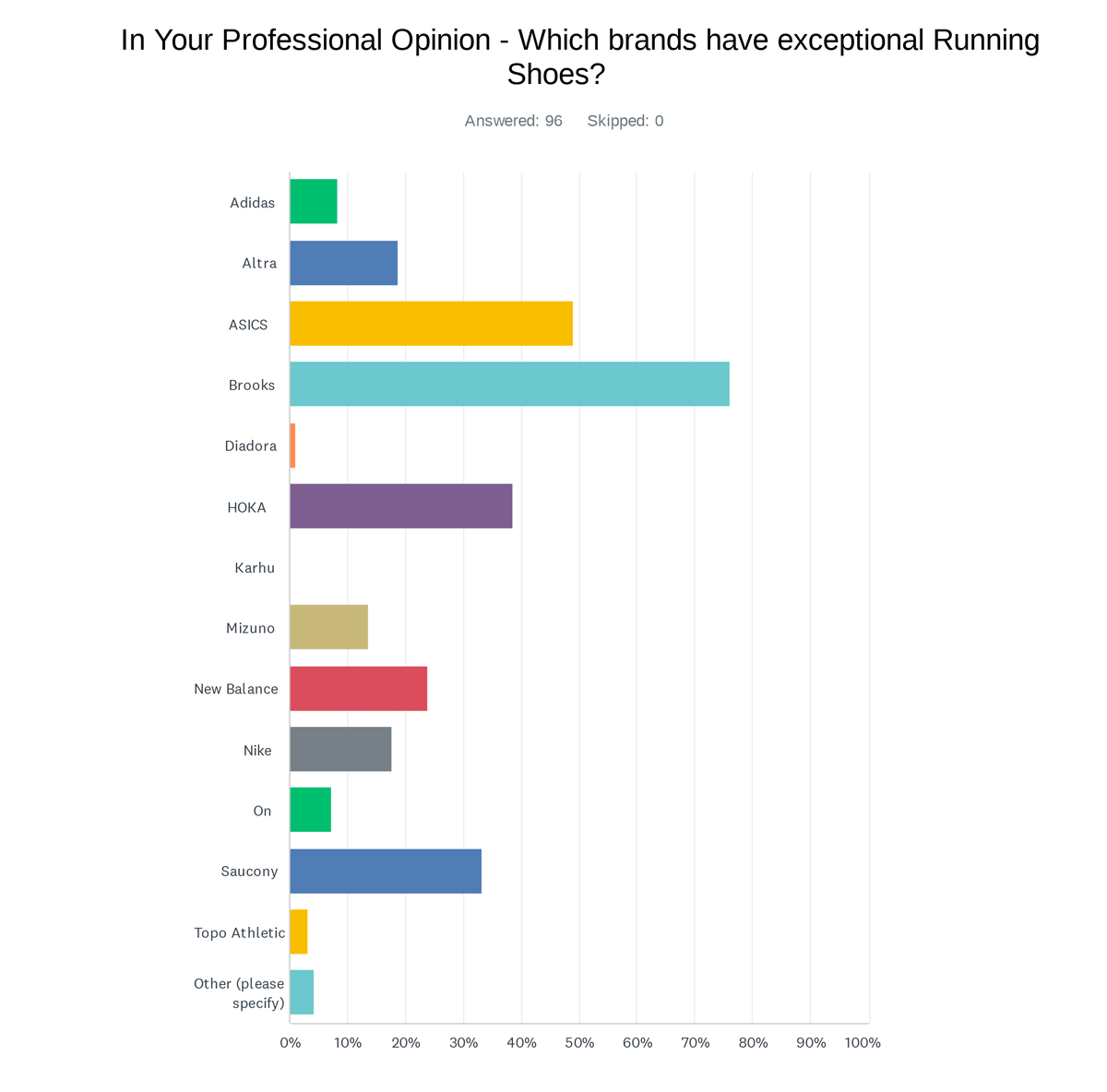
The running shoes our physical therapists are recommending:

Running Shoes Recommended by Physical Therapists

Running Shoes Physical Therapists Recommend

Choosing the Right Cross-Training Shoe

Sometimes you just need a good pair of shoes to help you do a little bit of everything. Maybe your workout routine consists of walking, jogging, playing a game of basketball, and then hitting the yoga mat −cross-training shoes would be perfect for you. Also, if you want a pair of shoes that’ll get you through the day after you run some errands, reorganize your closet, and do some gardening −go with the cross-training shoes!

Cross-training shoes combine the running shoe’s flexibility at the forefoot and the walking shoe’s shock absorption. A good cross-training shoe has good traction, a thick and durable stable sole, cushioning for extra stability, and a solid upper to give you ankle support.

Once you’ve found your perfect training shoe, a general rule of thumb, is to replace them every 80 to 100 workout hours. A simple visual test can be your guide as well. If you notice excessive creasing or wear on the areas of the shoe that absorb the most load (the heel and ball of the foot), it’s time to toss them out. Damaged safety footwear can increase your risk of injury, so it is important to know when it’s time for a replacement.

More Shoe Tips to Consider

  • Your feet swell throughout the day so it’s best to try shoes on around midday when your feet are the largest
  • Running shoes can also cause pain before they look worn. This is because they lose the capacity to absorb shock. The guideline to replace running shoes is every 350 to 500 miles. Running shoes older than one-year-old may also cause pain because of changes in the sole with exposure to humidity or heat.
  • Avoid narrow shoes that pinch your feet and look for shoes with a wide toe box, leaving ample room for your toes.
  • If your feet tend to perspire, select shoes that are made from moisture-wicking or leather material.
  • There should be some arch support in the shoe or the insert inside the shoe. Many shoes can be made to fit better simply by removing the factory insert and having a physical therapist order a custom-fitting orthotic. Ask your physical therapist about this!

physical therapy near me

Who knew there was so much to choosing the right shoes! If your feet feel uncomfortable or are in pain, ignoring this is a sure way to develop lingering issues in your feet, legs, hips, and lower back. Minimize your risk of foot or ankle problems and talk to a physical therapist to get the most out of your next activity or workout.

Resources: 

How to Pick the Right Running Shoe (Runner’s World)

10 Points of Proper Shoe Fit (FootCare MD)


Sleeping with shoulder pain.

Sleeping With Shoulder Pain

Sleeping with shoulder pain.

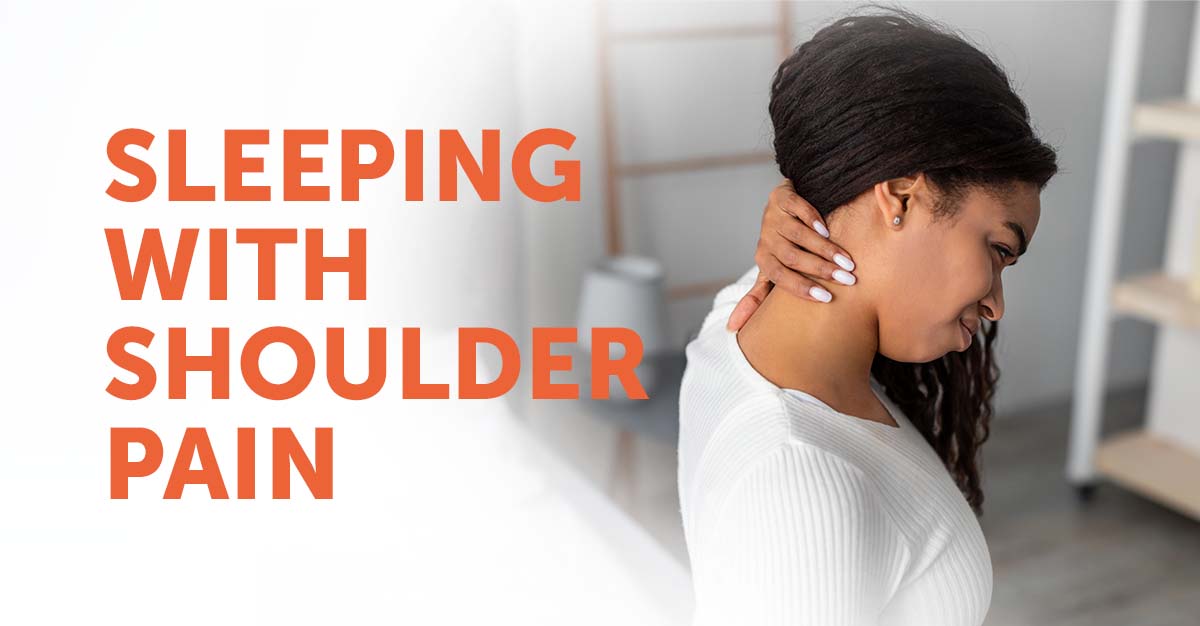
Waking up with shoulder pain can be uncomfortable and even irritating at times. It often leaves you wondering, “What could I have possibly done” but in most cases, the fix is a lot easier than the pain makes it out to be. Something as simple as visiting your physical therapist or even sleeping in a different position can impact the way your body feels throughout the day.

Sleeping habits that can cause shoulder pain and how to fix them.

One of the most common sleeping habits than can cause immense shoulder pain is sleeping on your side. When doing so, most of your upper body weight is on one shoulder, which can bring stress and discomfort to the joint soon after. To fix this, try laying on your back, the most proven way to avoid shoulder pain after sleeping.

If you’re part of the crowd that can only fall asleep by sleeping on your side, there is a way to help ease or prevent shoulder pain without sacrificing your comfort, which would be to hug a pillow while sleeping. When doing so, sleep on the opposite side of your ailing shoulder. Doing this helps reduce stress in the shoulder joint, along with helping prevent your shoulder from slumping forward and causing further damage in your sleep.

Note: When sleeping on your side, place a pillow or rolled blanket on your backside to help you avoid rolling over in your sleep on the ailing joint, causing more pain and discomfort.

How physical therapy could help.

In the case that you are still experiencing shoulder discomfort after trying the sleeping techniques mentioned, physical therapy should be considered a treatment option. There are several treatments that a physical therapist could conduct to get you the help your body needs to get a pain-free night of sleep.

Pain Management

Your physical therapist will help you discover and avoid painful or discomforting movements, which will allow the shoulder to heal. Heat and ice are great conductors for dealing with pain management. Electrical stimulation can also be applied to help with pain management.

Range of motion exercises

Range of motion exercises may be prescribed by a physical therapist if you have a shoulder ailment that limits mobility to your shoulder or arm. These are active exercises conducted by the patient using their strength with no external help. These exercises improve overall muscular function around the shoulder joint, helping heal shoulder-related injuries.

Range of motion around your shoulder joint is a common finding with people suffering from shoulder pain. A physical therapist can work with you to help perform these exercises and help determine the cause of your shoulder pain.

Strengthening exercises

When consulting with your physical therapist, they can help discover which strengthening exercises will be right for you, depending on the condition of the injury. The most common is resistance training. Resistance training involves weights, resistance bands, and medicine balls to help challenge the joints and muscles.

Strengthening the muscles that support your shoulder will help keep your shoulder joint stable. Keeping these muscles strong can relieve shoulder pain and prevent further injury.

Physical therapists are experts at evaluating, treating, and managing different shoulder issues. If you have any pain or discomfort that hasn’t subsided, contact your physical therapist to help decide on a treatment for you.

physical therapy near me

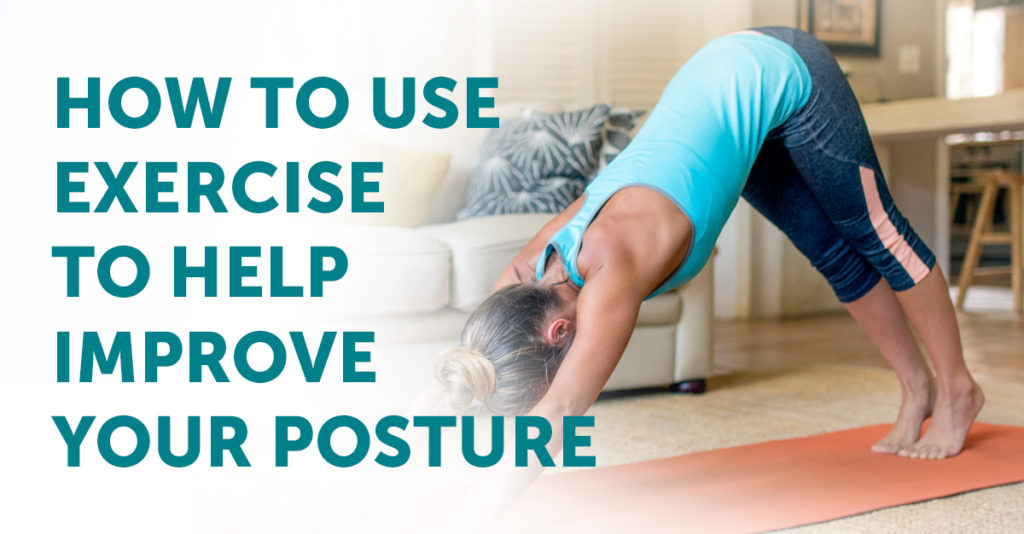
Use Exercise to Help Improve Your Posture

How to Use Exercise to Help Improve Your Posture

Use Exercise to Help Improve Your Posture

Poor posture is sometimes inevitable. With many people working jobs that require long periods of sitting, the tension in our muscles isn’t uncommon. Aside from this, poor posture can also be caused by general muscle weakness, technology use, injury, stress, and even genetics.

Failing to correct your posture can ultimately lead to increased health issues—like frequent headaches, spinal dysfunction, difficulty breathing, and indigestion. Good posture can help us breathe easier, digest food more efficiently, and help us feel more confident.

Keep reading to find out how you can easily improve your posture through exercise.

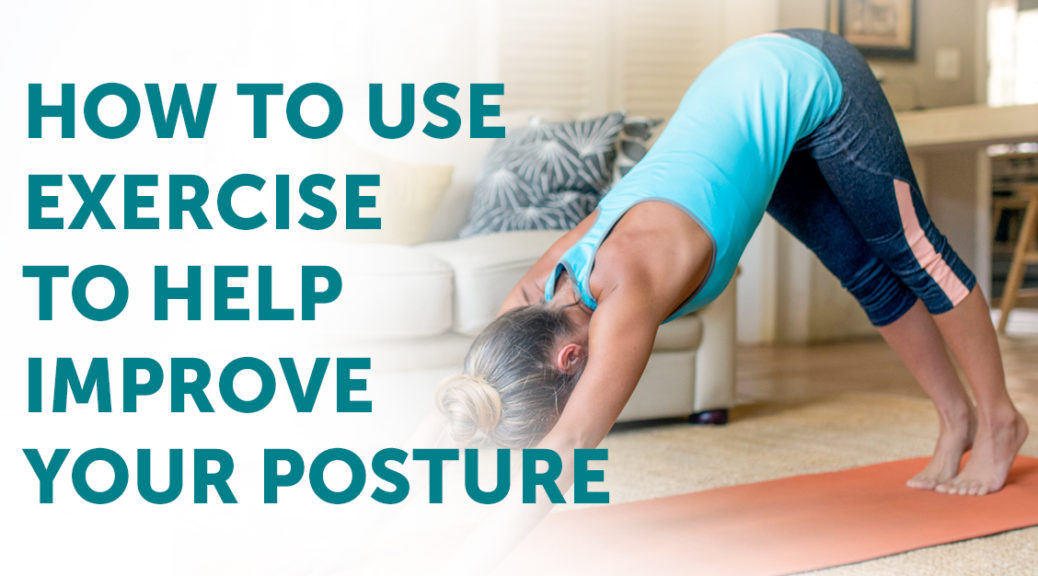
4 Exercises to Try To Correct Poor Posture

To correct your posture, grab your workout clothes, open space, and some water to perform these exercises to help build your core and back muscles, lengthen your spine and stretch your body.

.

1. Cat and Cow Pose

Not only does the cat and cow pose help improve your posture, it can also help relieve stress, calm the mind and improve coordination.

Here’s how:

  • Start on all fours.
  • Get into cat position by curling your shoulders downward and pushing your hips toward the ground to curve your back upward.
  • Then, get into cow position by pushing your hips upward and your stomach toward the ground.
  • Alternate between cat and cow post for one minute.

.

2. Pigeon Pose

If you tend to sit for long periods of time, your body will naturally build up tension in your back and hips. Pigeon pose is excellent to combat this as it helps open up your hip flexors and lower back muscles. A bonus: it also helps increase your flexibility and supports healthy digestion.

Here’s how:

  • Begin in a downward-facing dog.
  • Bring your right foot forward into a lunge position.
  • Bring your right shin down to the ground, perpendicular to your body.
  • Bring your left leg down flat on the ground.
  • Hold the stretch for one minute, then repeat on the opposite leg.

.

3. Side Plank

Side planks help strengthen your core without putting too much stress and pressure on your lower back—the perfect move for correcting poor posture.

Here’s how:

  • Lie on your side with your elbow on the ground under your shoulder to support your body.
  • Push your hips and knees off of the ground.
  • Hold this position for 10-30 seconds or longer if you’re comfortable, then repeat on the other side.

.

4. Crunches

Crunches are one of the most popular exercises for improving core strength needed for good posture, but they also help increase the mobility and flexibility of this muscle group.

Here’s how:

  • Lie on your back with your feet on the floor, shoulder-width apart.
  • Cross your arms over your chest or place them at your side.
  • Sit up to engage your core muscles, then lie back down.
  • Repeat for 4 sets of 10 to 20 reps.

Incorporating these simple yet effective exercises into your daily routine can help you stand up straight in no time. For more workouts, you can do to improve your posture, check out the infographic below.

physical therapy near me

PT News PTandMe

PT News April 2022

PT News PTandMe

This time in PT News we recap what our clinics have been posting throughout April 2022. We are excited to bring you current physical therapy-based posts featuring published articles from PTandMe partnering clinics!

Fix Bad Posture

1. Picture Perfect Posture

Written by Carolina Physical Therapy with locations throughout South Carolina.

Over the course of my career as a Physical Therapist, one of the biggest issues I see with patients is poor postural habits being practiced on a daily basis. Most of this can be due to the fact that individuals are constantly looking down at their phones, hunching over their desks at work, and sitting on their couches improperly.  Read more


Shedding Winter Weight

2. Shed the Winter Weight

Written by The Jackson Clinics, an outpatient physical therapy practice with locations throughout Northern Virginia.

Are you struggling to find the motivation to get back on your workout program and shed the winter weight? You’re not alone! Many of us find ourselves with unwanted pounds after long winter months filled with holiday parties and yummy foods. But worry not: we have ideas for ALL levels of athletes, from walking to running and cross-training.  Read more


Low Back Pain Physical Therapy

3. Primary Care Low Back Guidelines

Written by Wright Physical Therapy, an outpatient physical therapy group with locations throughout Idaho.

The cost for low back pain treatment to patients per year approximates $134 Billion for combined insurance and out-of-pocket costs. This does not include the expense of missed workdays or missed opportunities that individuals encounter when managing low back pain. For this reason, improvements in the treatment approach for non-specific low back pain are important.  Read more

We hope you enjoyed our picks for the PT News April 2022 edition.

Find these locations and others to start feeling better today!

Physical Therapy Appointment

Shoulder Pain Physical Therapy Can Fix

Types of Shoulder Pain Physical Therapy Can Fix

Shoulder Pain Physical Therapy Can Fix

Shoulder Pain Physical Therapy Can Fix

Carrying the weight of the world on your shoulders? When everything rests on your shoulders, they’re more prone to injury. Constantly carrying your children, overtraining, too much lifting, or throwing your heavy backpack over your shoulders every morning can lead to a painful injury. If you already have pain or difficulty with your shoulders, physical therapy is the way to go.
Whether it’s rotator cuff tears or other injuries to the muscles surrounding the shoulder, physical therapy for shoulder pain is often a successful, non-surgical treatment. It aims to strengthen the muscles around your shoulder to heal and improve its function and your mobility.

Common Causes of Shoulder Pain

Not all shoulder pain is created equally! It is not all caused by the same thing. The anatomy of a shoulder is a bit complex, consisting of many different parts. The shoulder is a ball and socket joint made up of the humerus (arm bone), the scapula (shoulder blade), and the clavicle (collar bone). There are many ligaments that support the shoulder, and many muscles are attached to help you move in many different directions. This leads to many potential causes of the pain you may be experiencing and here are the most common causes of shoulder pain.

Tendonitis

Tendinitis is a very common condition that often sends people straight to a physical therapist for pain relief. A tendon is a cord that connects muscle to bone. Most tendinitis is a result of inflammation of the tendon and usually affects people who take part in many physical activities, or work at a job that requires them to use lots of repetitive motions every day.
The most commonly affected tendons in the shoulder are the four rotator cuff tendons and one of the biceps tendons. The rotator cuff is made up of four small muscles and their tendons that cover the head of your upper arm bone and keep it in the shoulder socket. Your rotator cuff helps provide shoulder motion and stability. If you make the same repetitive motions every day to play your sport or do your job, such as an athlete who plays tennis or a professional painter, you could be at high risk for developing tendonitis in your shoulder. Those who are at high risk for developing this condition should be aware of how important it is to not only visit a physical therapist regularly but also rest their shoulders often to prevent chronic pain.

Tendon Tears

Splitting and tearing of tendons may result from an acute injury or degenerative changes in the tendons due to advancing age, long-term overuse, wear and tear, or a sudden injury. These tears may be partial or may completely separate the tendon from its attachment to bone. In most cases of complete tears, the tendon is pulled away from its attachment to the bone. Rotator cuff and bicep tendon injuries are among the most common of these injuries.

If you experience a partial or full tendon tear, the pain can be searing and require regular appointments with a physical therapist -but there’s good news! In a 2013 study, up to 75% of people with a full tear in their rotator cuff were able to rehab their shoulder without the need for surgery (Kuhn et al. Shoulder and Elbow, 2013 October).

Instability

Shoulder instability occurs when the head of the upper arm bone is forced out of the shoulder socket. This can happen as a result of a sudden injury or from overuse. Shoulder dislocations can be partial, with the ball of the upper arm coming just partially out of the socket. This is called a subluxation. A complete dislocation means the ball comes all the way out of the socket. Once the ligaments, tendons, and muscles around the shoulder become loose or torn, dislocations can occur repeatedly. Recurring dislocations, which may be partial or complete, cause pain and unsteadiness when you raise your arm or move it away from your body. Repeated episodes of subluxations or dislocations lead to an increased risk of developing arthritis in the joint.

Non-surgical physical therapy treatment for instability will typically focus on reducing the strain at the shoulder in a downward or backward position during functional task performance. The therapist will likely present a number of restricted motions and ways to perform functional daily tasks without putting strain on the ligaments. In the case of a painful shoulder, the therapist will recommend anti-inflammatory techniques and positions of the shoulder at night and during sustained or repetitive task performance.

Arthritis

Often people will avoid shoulder movements in an attempt to lessen arthritis pain. This sometimes leads to a tightening or stiffening of the soft tissue parts of the joint, resulting in a painful restriction of motion. Two common forms of shoulder arthritis without a previous injury involve osteoarthritis and rheumatoid arthritis.

Osteoarthritis

This “wear and tear” condition involves the smooth cartilage that covers the ends of the bones where they form a joint. This cartilage allows the bones to move against each other smoothly. When you have osteoarthritis, your cartilage wears away, causing your bones to rub against each other.

When working with patients that suffer from Osteoarthritis, physical therapists focus on maximizing the amount of safe motion that the shoulder can perform and provide education on how to alter your activities to stay within that motion. Patients are likely to be provided with a home exercise program that includes strengthening the uninvolved muscle groups in order to provide support for those that are inflamed or damaged.

Rheumatoid arthritis (RA)

Rheumatoid arthritis impacts the joint lining, or synovium, that lubricates the joint so it can move easier. Unlike osteoarthritis, RA is an autoimmune disorder. This means the body attacks itself, and in this case, it attacks the synovium. It usually affects multiple joints, typically on both sides of the body, such as both shoulders.

Bursitis

The shoulder is made up of a very complex network of moving parts. One of the main components that make up the shoulder is called the “bursa.” Bursae are small, fluid-filled sacs that are located in joints throughout the body, including the shoulder. They act as cushions between bones and the overlying soft tissues to help reduce friction between the gliding muscles and the bone.
Sometimes, excessive use of the shoulder leads to inflammation and swelling of the bursa between the rotator cuff and part of the shoulder blade and can become painful. Many daily activities, such as combing your hair or getting dressed may become difficult.

Impingement

Shoulder impingement can occur when the top part of the shoulder blade puts excessive pressure on the underlying soft tissues in the arm when it is lifted away from the body. As the arm is lifted, the shoulder blade rubs, or “impinges” on, the rotator cuff tendons and bursa. This can lead to bursitis and tendinitis, causing pain and limiting movement. Shoulder impingement is a condition that occurs when the top part of the shoulder blade lifts away from the body and puts too much pressure on the underlying soft tissues in the arm. As the arm lifts, the shoulder blade rubs against the bursa and tendons. If this condition goes untreated, an impingement in the shoulder can result in bursitis and/or tendinitis.

Not all shoulders are created equal, so an individualized plan for physical therapy treatment needs to be designed and instructed. Many times, there needs to be a certain amount of manual stretching and joint mobilizations provided by a trained and licensed Physical Therapist as well. The vast majority of people who suffer from shoulder impingement are treated successfully with these steps of rest, medications, stretching exercises, and the temporary avoidance of overhead reaching. If symptoms persist or if there is significant weakness present that is not improving the rotator cuff may be damaged and require further assessment from an Orthopedic MD.

Fracture

Fractures are broken bones. Shoulder fractures commonly involve the clavicle (collarbone), humerus (upper arm bone), and scapula (shoulder blade). Shoulder fractures in older patients are often the result of a fall from a standing height. In younger patients, shoulder fractures are often caused by a high-energy injury, such as a motor vehicle accident or contact sports injury. Fractures often cause severe pain, swelling, and bruising on the shoulder.

Frozen Shoulder

Adhesive capsulitis, also known as frozen shoulder, is a condition that occurs following an injury or alongside another shoulder condition. This is when the shoulder capsule thickens and becomes stiff and tight causing thick bands of tissue, called adhesions, to develop. If left untreated, frozen shoulder can take up to 2 years to go away on its own. Most physical therapists recommend that patients with frozen shoulders rest often in between physical therapy appointments to avoid developing scar tissue in the shoulder. On the chance that scar tissue does develop, the muscles surrounding the shoulder may eventually freeze up as well. This will limit your full range of motion and result in chronic pain.

Physical therapists are specialists and experts in evaluating, treating, and managing patients with an array of shoulder pain problems. If any of these conditions sound familiar, your therapist will examine your strength and range of motion, check your functional abilities (like reaching up and behind your back), and then come up with a personalized treatment plan to relieve your shoulder pain and restore your mobility. Don’t shrug it off and have a physical therapist guide you through your shoulder rehab today.

Physical Therapy Appointment

common running injuries

Common Running Injuries

Physical therapy for runners
Running can be great for your health, but if an injury occurs never be afraid to seek help. The best treatment for injuries for runners is early management and education on self-care specific to the injury. We’ve compiled a list of common running injuries below. If you are experiencing lasting pain that affects your ability to complete your run or activities throughout your day, don’t modify your behavior – talk to your physical therapist.

IT (Iliotibial) Band Syndrome

  • Common Causes: Improper footwear, Increasing mileage and/or intensity too quickly are all things that lead to common running injuries
  • Symptoms: Usually occurs after a short period of running with sharp pain on the outside of the knee

For more information click here

Piriformis Syndrome

  • Common Causes: Increasing mileage and/or intensity too quickly, Poor running mechanics, Usually associated with weak hips and core can lead to common running injuries.
  • Symptoms: Local pain and tightness in the buttock with possible tingling or numbness down the back of the leg. Most noted during prolonged sitting.

Shin Splints

  • Common Causes: Improper footwear, Lack of flexibility in calves, running on hard surfaces can also lead to common running injuries.
  • Symptoms: Throbbing or aching pain along the front of the shin. Usually occurs during and/or following a prolonged run or walk.

For more information click here

Plantar Fasciitis

  • Common Causes: Improper footwear, Change in running surface, Calf tightness, increasing mileage and/or intensity too quickly can lead to common running injuries.
  • Symptoms: Deep ache and/or sharp pain in the bottom of the heel. Most commonly felt in the morning or following prolonged sitting

For more information click here

Runner’s Knee

  • Common Causes: Increasing mileage and/or intensity too quickly, Poor running mechanics lead to common running injuries.
  • Symptoms: Swelling, Aching pain behind and/ or around the kneecap, pain walking up and/or downstairs.

Achilles Tendinitis

  • Common Causes: Improper footwear, Increasing mileage and/or intensity too quickly lead to common running injuries.
  • Symptoms: Swelling, painful to the touch, lack of flexibility along the back of the lower leg close to the heel.

For more information click here