

Category Archives: Blog

how to run with bad knees

How to Run with Bad Knees: Pain Prevention & Care

how to run with bad knees and running with knee pain; Do your knees hurt after running?

Running With Knee Pain

The biggest fear of every runner is that their joints will start to ache and prevent them from running. You can actually never know when something like knee or ankle pain could occur, but you should know the most common reasons that happen and how to prevent it.

Maybe you had a knee injury when you were younger and it could start showing up again while running. Also, a meniscus tear is another problem that could make your knees ache as well as the jumper’s knee. There are simply many reasons for this pain to show since knees are gentle and the impact of feet to the ground puts too much stress on them. Luckily, there are many ways to prevent this and take proper care of your knees and tendons around them which will enable you to run without any difficulties.

Wear the Right Shoes

Feet are very complex and if you don’t take care of them while running, you will find more problems occurring in them, your knees, and even hips. It is all connected and you have to protect your foot in order to avoid any further aches and problems. Running is a high-impact sport and puts plenty of stress on your feet, ankles, and knees, and wearing proper shoes will help you run easily and reduce any risks of injury and pain.

Your job is to find the right shoes that will provide proper support for your toes, heel, and arch. Also, the sole should be comfortable and thick enough to provide amortization during running. Not only will running become even more fun, but you will manage to save your knees from stress, provide comfort for your feet and avoid and prevent any ankle pain and injuries.

Don’t Skip the Strength Training

Strength training is good for your entire body. Proper strength exercises will make your muscles more strong and more flexible which is an essential part of preventing any pain and injuries. If your lower-body muscles are weak, you should try to make them stronger. You can perform plenty of different exercises, such as lunges and squats and you will manage to make your thighs and knees stronger and more balanced. Also, don’t forget to work on your core and stability, because those will keep your knees and hips protected while running and even help with performance.

Check Your Posture While Running

If you’re experiencing any knee pain during or after your running session, it could be that your technique or posture is off. In the past leaning forward was thought to help, but a recent study by Human Movement Science found just the opposite. Their study found that the impact your body had on the ground increased significantly when runners leaned too far forward. If you’re unsure of how your running posture is affecting your body, ask your physical therapist for a gait analysis.

Don’t Overtrain

It is essential to know your body, listen to it, and know when it’s tired. Too much intense training will only bring negative effects and increase the risks of injuries and pain. If you’re already experiencing knee pain, think about how much you’ve run in the last couple of days and see if that was maybe too much for your body. Your body needs proper rest in order to stay healthy, injury-free, and make progress. If you run one day, make sure to rest the next day, or adjust the amount of time you spend running in one take. Take care of your body, let it rest, and you will reach your goals fast and avoid pain.

Knees are delicate. No joint in your body will give in eventually if you’re putting too much stress on it every day. So, make sure your running technique is right, invest in proper shoes, and take it easy. You will be able to run faster and longer if you gradually increase the intensity.

If you are looking for help with your knee pain or would simply like to improve your running posture please don’t hesitate to reach out to your local physical therapist. Many clinics have running programs that are designed specifically to help keep people on the pavement pain-free!

physical therapy near me

Sports Overtraining Physical Therapy

Sports Overtraining: Reaching Your Tipping Point

Sports Overtraining Physical Therapy

Pushing your body to be the best that it can be is a good thing that can yield great results, but sometimes going too heavy on your body’s odometer might be damaging for you in the long run and can even result in injuries that are detrimental to your fitness goals. Overtraining is doing too much, too often, and past the point of your body’s ability to recover quickly.

Since it’s always better to prevent an injury than to have to treat it after the fact, we thought it would be helpful to share signs you can look out for if you think you’ve reached your tipping point.

Signs and Symptoms of Sports Overtraining

  • Persistent aches, pains, or muscle soreness
  • Elevated resting heart rate
  • Decreased agility, strength, endurance, and overall performance
  • Increased susceptibility to infections
  • Chronic or overuse injuries
  • More frequent bouts of illness
  • Feeling irritable, agitated, or depressed
  • Loss of appetite or excessive thirst
  • Headaches
  • Excessive fatigue, sluggishness, or insomnia
  • Becoming restless and losing focus

Although sometimes your body may not be able to keep up with the level of fitness you’d like to perform, it’s important to remember that there is a delicate balance between achieving optimal conditioning and overdoing it.

How to Avoid Sports Overtraining

  • GET ENOUGH SLEEP – This is when our bodies rebuild & repair and our immune system recovers
  • PROPER NUTRITION – Make sure to eat proper nutrients, including plenty of lean meats, fruits, and vegetables
  • EXERCISE SMARTLY – Find a balance & avoid workouts that are too intense for you
  • EASE INTO IT – Follow a structured plan that increases your activity incrementally and safely
  • MONITOR STRESS LEVELS – Remember to breathe during any rigorous activity to remind your nervous system to keep your body calm
  • PROPER RECOVERY TIMETake one or two days between workout sessions or alternate intensity levels for each workout
  • ACTIVE REST – Try less intense exercises such as yoga, stretching, or foam rolling

Even the healthiest of activities should be enjoyed in moderation. If you’re noticing that you’re feeling run down, your performance is suffering, you’re getting sick more often, and you keep getting injured, it’s time to change your routine. Take time off, dial back your intensity, cross-train to add variety once you’re adequately rested, and visit a physical therapist to deal with an injury.

physical therapy near me

shin splints

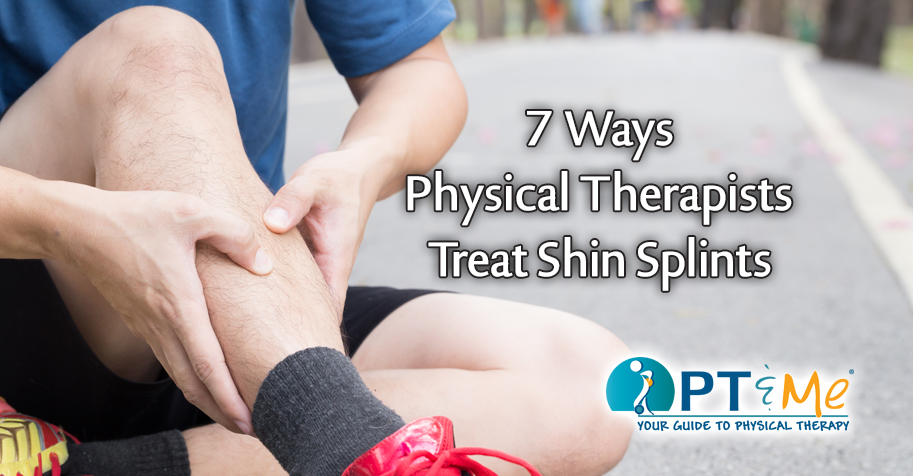
7 Ways Physical Therapists Treat Shin Splints

Ways physical therapists treat shin splints.

Here are 7 ways a physical therapist can help treat pain and symptoms associated with shin splints:

Pain Reduction: The RICE principle is the first step to recovery (rest, ice, compression, and elevation). Manual therapy and Kinesiotaping may also speed up recovery and reduce swelling.

Gait and Footwear Analysis: An analysis of how a person walks and runs is an important part of treatment. The wrong mechanism of walking can transmit a great deal of force through the shin to the knee and hip. In such situations, physical therapists will correct gait patterns and recommend footwear with shock-absorbing capacity.

Muscle Stretches and Strengthening: The tibial and peroneal muscles are attached to the shin and must be stretched adequately before any form of exercise. Physical therapy includes various stretches of the foot that will help stretch and warm up these muscles. Strengthening damaged muscles can also help.

 Activity Modification:  Physical therapists may suggest alternative activities to minimize stress on the shinbones. These can include swimming and cycling.

Increase Range of Motion (ROM): Exercises for the hip, knee, ankle, and foot improve blood circulation, reduce inflammation and relieve pain. A home exercise program may also be implemented.

Arch Support:  The absence or collapse of a normal foot arch can lead to shin splints. Physical therapists will recommend appropriate orthotics that can be custom-made for the patient and provide the proper amount of arch support.

Return to Sport: If you are an athlete, your therapist may tailor exercises that are specific to strengthening the areas needed to perform your sport. Modified use of your muscles may also be discussed and implemented. Return to your sport may be gradual to prevent re-injury.

To learn more about shin splints please visit our PTandMe injury center on this website by clicking here.

Physical Therapy Appointment

PT News PTandMe

PT News February/March 2022

PT News PTandMe

This time in PT News we recap what our clinics have been posting throughout February and March 2022. We are excited to bring you current physical therapy-based posts featuring published articles from PTandMe partnering clinics!

1. Worker’s Compensation: What Is A Job Analysis?

Written by ARC Physical Therapy+ with locations throughout  Missouri, Kansas, and Iowa.

A functional job analysis is the first and most critical step of a comprehensive injury management program. The job analysis is the cornerstone for determining the essential functions of the position and associated physical demands required as well as for developing testing to determine the physical capabilities of an employee.  Read more


physical therapy for headaches

2. Physical Therapy Tackles Cervicogenic Headaches Head-On

Written by Jaco Physical Therapy, an outpatient physical therapy practice with locations throughout Oahu, Hawaii.

Are you noticing headaches on one side or the back of your head? Are you feeling worse at the end of your workday or headaches that worsen with computer usage or driving? You may be suffering from cervicogenic headaches. Thankfully, they are treatable with physical therapy!  Read more


How to Sleep Better

3. How you sleep matters.

Written by Riverview Physical Therapy, an outpatient physical therapy group with locations throughout Maine.

How you sleep matters. Are you waking up with lower back discomfort or neck soreness that you didn’t go to bed with? You may be sleeping wrong.

Try sleeping on your back or on one of your sides. Sleeping on your stomach is never advised. Just think about it, would you spend your workday with your head turned 90 degrees to the side for 6-8 hours? Of course not.  Read more

We hope you enjoyed our picks for the PT News February/March 2022 edition.

Find these locations and others to start feeling better today!

physical therapy near me

sports medicine physical therapy

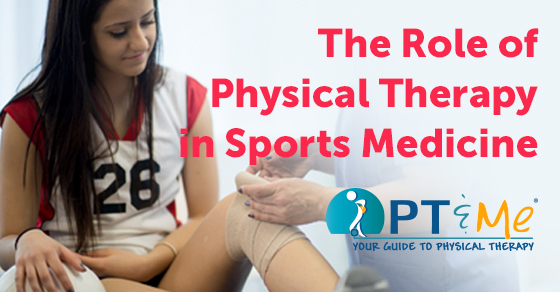
The Role of Physical Therapy in Sports Medicine

Physical therapy in sports medicine; physical therapy for athletes and physical therapy for sports injuries. Physical therapist for athletes.

Sports medicine through physical therapy comes in many forms. Many clinics keep licensed athletic trainers on staff that will go on-site to schools and other sporting events to act as an initial caregiver at the time of an injury. If an injury occurs, you may be referred to physical therapy. From there, your physical therapist will have an array of different programs tailored to your specific type of injury, the severity of the injury, and your fitness level. However, you don’t have to wait until you have an injury to get help from a physical therapist. Sometimes the best medicine is prevention.

WHEN YOUR BODY EXPERIENCES PAIN:

  • It’s telling you that something is wrong
  • Your body can accommodate the pain, but eventually, a breakdown will happen
  • While you accommodate to your pain, weakness and stiffness begins
  • Once you have a breakdown, pain will happen and more than likely you will stop training

Some ways physical therapists help athletes from experiencing an injury:

Sports Injury Prevention Programs: Physical Therapists offer classes and/or programs geared to specific injuries. Commonly offered programs are geared towards ACL Injury prevention, Golf Strengthening (TPI), Running Injuries, and more.

Gait Analysis for runners: A three-dimensional video assessment of a runner’s biomechanics using a state-of-the-art motion analysis system. See yourself run at variable speeds from five different camera angles. An athlete can learn how to prevent injuries and improve performance through increased cadence and strengthening/stretching.

Functional Movement Screenings (FMS): One way to determine physical weaknesses is to perform the Functional Movement Screen. FMS is an innovative system used to evaluate movement pattern quality for clients and athletes. The functional movement screen is used to identify and correct weaknesses in the movement and strength of athletes.

ONCE AN ATHLETE DOES EXPERIENCE AN INJURY, PHYSICAL THERAPY MAY INCLUDE:

  • Education on faulty or improper posture or body mechanics with training
  • Education and help with technique on exercises that help your muscles stretch farther
  • Flexibility training helps prevent cramps, stiffness, and injuries, and can give you a wider range of motion
  • Correction of muscle imbalances through flexibility and strength training
  • Endurance training
  • Kinesiotaping
  • Alleviation of pain
  • Correction of improper movement patterns

If you are in need of sports medicine physical therapy, we have licensed professionals throughout the country.

physical therapy near me

Why we Love Physical Therapy

Why We LOVE Physical Therapy!

Why we Love Physical Therapy

This Valentine’s day we wanted to tell you why we LOVE physical therapy! There are a million reasons, but these really hit close to home.

1. The human body is fascinating

You’ll be hard-pressed to find a machine that works as well or better than the human body. We see people with all kinds of injuries and pain – and for the most part, with a little help from us (okay, sometimes a lot!), the body will heal. The human body has around 640 muscles in 13 major muscle groups, working together to keep you moving. We love diving in to find out where your pain comes from, what caused it, and how we can get everything working smoothly again.

2. We can provide an alternative to surgery

We love that we get to provide an option for patients that might not be ready or are unwilling to try surgical options. Sometimes surgery is needed, and we’ll recommend someone we know and trust, but we love helping people achieve success with non-invasive techniques.

3. We get to make a difference in our patients’ lives

As physical therapists, few things are more rewarding than watching the small victories of our patients as they work towards their ultimate goals. Being a part of those first moments of success, whether it be a few extra degrees of mobility, that first step without pain – whatever the circumstances… those moments are what keep us coming back to the clinic each day. When patients walk through those doors for the first time, we know they are not at their best, but we’re going to work our hardest to get them back and better than ever!

4. We love seeing the impact of our work in the community

It’s hard not to smile when you see a former patient make the team without red-shirting the season. Or when we hear that one of our seniors is independent and expecting visits from their grandkids. Health is something a lot of us take for granted until we don’t have it. Seeing our patients active, happy, healthy, and out in the community is one of our favorite things.

We LOVE our physical therapy family, and we’re not alone.

Our best advocates happen to be current and former patients. Check out the great things they are saying about our PTandMe physical therapy family.  If you’ve been through a rehabilitation program, please consider leaving feedback for your clinic – It really does make a difference.

Reputation Reviews

To find a physical therapy clinic near you click the button below.

physical therapy near me

PT News PTandMe

PT News January 2022

PT News PTandMe

This time in PT News we recap what our clinics have been posting throughout January 2022. We are excited to bring you current physical therapy-based posts featuring published articles from PTandMe partnering clinics!

physical therapy after a car accident

1. Physical Therapy gets Patient Walking Again after Serious Accident

Written by Ability Rehabilitation with multiple locations throughout  Central, FL.

In the US, 30 million children, and teens participate in organized sports with more than 4 million injuries each year. The majority of these injuries occur as sprains and strains of the upper and lower extremity. (Hopkinsmedicine.org) Many of these injuries are preventable with proper exercise training, which ultimately reduces health care costs and minimizes lost playing time keeping the athlete on the field or court.  Read more


2. Get Moving Again with these Helpful Tips

Written by Cornerstone Physical Therapy, an outpatient physical therapy practice with locations in the Columbus, Ohio area.

Did you know that 80 percent of the U.S. population falls short of the Physical Activity Guidelines recommended by the Department of Health and Human Services? Millions of Americans are risking serious health consequences simply because they do too much sitting and not enough moving around. Read more


Pelvic Health for Men

3. Is Pelvic Rehab Just for Women?

Written by The Center for Physical Rehabilitation, an outpatient physical therapy group with locations throughout Greater Grand Rapids, MI. 

Pelvic floor physical therapy has long been identified as “Women’s Health.” But the fact remains that everyone is in possession of a pelvic floor. Men can experience pelvic floor dysfunction or pelvic pain for a multitude of reasons that can successfully be treated with physical therapy. Male pelvic floor dysfunction has the same definition as female. The pelvic floor is unable to correctly relax and coordinate muscle use, noting issues with urination, bowel movements, pain, or sexual dysfunction.  Read more

We hope you enjoyed our picks for the PT News January 2022 edition.

Find these locations and others to start feeling better today!

physical therapy near me

winter sports safety

Winter Sports Safety

winter sports safety

The first snowfall is exciting. It’s a signal to strap on the skis and skates, or even jump on a sled. Days spent playing in the frosty snow can be jam-packed with fun, but like any activity, you need to play safely. Winter activities can lead to the same bumps and bruises of every sport, but there’s the added concern of how to safely stay outside in cold temperatures. To help with that we have compiled a few winter snow safety strategies to help you avoid some of the most common winter sports injuries.

General Guidelines

No matter what your winter sport is, it is important to take a few minutes and make sure you know how to be safe.
Suggestions include:

  • Don’t wait until the last minute. Start strength training the muscles you will need a month or so ahead of time. This will help you get into proper shape.
  • Make sure you are in good physical condition for activities in the cold. If you are unsure, check with your doctor.
  • Warm-up with light exercise for 5 minutes before you engage in any sport.
  • Make sure your equipment and protective gear are in good condition and fit well.
  • Always wear the appropriate protective gear for your sport.
  • Dress properly for the cold. Protect yourself from frostbite and hypothermia.
  • Wear several layers of tops and pants under warm jackets. Wear hats and water-resistant gloves. Face masks may be necessary for very cold weather.
  • Protect your eyes from snow glare with shatter-proof sunglasses or goggles with UV protection.
  • Take lessons to improve your ability. Better skills will allow you to adjust to changing conditions.
  • Many organizations, like the National Ski Areas Association, recommend the use of helmets for downhill winter sports to prevent head injury.

Skiing and Snowboarding

Skiing and snowboarding have their own special equipment. The right equipment and the right fit are as important as knowing what you are doing. This will reduce your risk of injury.
Here are some other things you need to know:

  • Take lessons from an expert. Evidence supports that beginners are hurt more frequently. The quicker you improve, the safer you will be on the slopes.
  • Stick with your abilities. Do not attempt to ski a slope that is beyond your personal abilities. Ski-marked trails and observe trail signs. Rest when you get tired.
  • Be sure that equipment is properly maintained and clean—no dirt or salt between boots, bindings, and the binding mechanism.
  • Properly adjust bindings to reduce the chance of leg injuries. Test your ability to escape bindings by standing in the skis, then twisting to release the toe and heel pieces
  • Wear the proper gear for snowboarding. This includes snowboarding pants, wrist guards, arm guards, and shin guards.
  • When approaching the lift, be aware of pieces of clothing that could become entangled.
  • Wear a helmet specifically designed for snow sports.
  • Always ski or board with a buddy.
  • Know and observe all the rules about crossing a trail, passing, and stopping.
  • Wear sunscreen.
  • Wear bright colors.
  • If you are cross-country skiing for long distances, take snacks, water, extra clothes, and first aid supplies with you. Take a cell phone if you will be skiing in a remote area.

BOSU Balance, Endurance, and Strengthening Exercises to help you Stay Healthy on the Slopes

Exercises provided by North Lake Physical Therapy, located in Portland Oregon

Make sure you’re safe on the slopes by going to see your physical therapist. A Physical therapist can evaluate your injury, start a treatment plan, and most importantly, make sure you’re able to get back out enjoying your winter sports and activities.

physical therapy near me

Physical Therapy for Type 2 Diabetes

Physical Therapy for Type 2 Diabetes

Physical Therapy for Type 2 Diabetes

If you are looking for better ways to manage your Type 2 Diabetes or are simply trying to get ahead of it by preventing it, read on because we may have some tips for you!

Just under half a billion people are currently living with diabetes worldwide. That number is projected to increase by 25% in 2030 and 51% in 2045. Diabetes is a worldwide health problem characterized by the body’s inability to break down sugar due to the inefficiency of the hormone insulin, which can lead to several complications, including the disproportionate impact the COVID-19 pandemic has had on people with this condition. Diabetes can affect people of all ages and can be associated with muscle weakness, decreased endurance, balance problems, obesity, a sedentary lifestyle, and musculoskeletal impairments. “Up to 80% of patients referred for outpatient physical therapy have diabetes or are at risk for diabetes, providing an opportunity for us as physical therapists to intervene.” – JOSPT

Diabetes can affect a person’s ability to move easily due to issues associated with joint mobility limitation and tissue changes, resulting in thicker and stiffer collagen tissues in tendons, skin, and discs, increasing a person’s risk for injury.

One of the best ways physical therapists help patients combat all these underlying issues is, you guessed right, Exercise!

Researchers in the United Kingdom found that exercise reduces your risk of developing the disease by almost 25 percent. So how much exercise is enough? The quantity of exercise is important because the positive effects on blood sugar drop 72 hours after you’ve finished your activity. This means that instead of trying to get your exercise in once a week — such as on the weekend — you should spread out your activities throughout the week. The American Diabetes Association recommends 150 minutes of exercise per week of moderate-to-vigorous physical activity. However, those with peripheral neuropathy, nerve damage commonly caused by diabetes, shouldn’t perform any weight-bearing activities.

The best exercise program for those with type 2 diabetes should include a combination of aerobic, resistance, and endurance training. We can also provide patients with a fall prevention program designed to increase independence with functional activities, functional mobility, and safety awareness while decreasing fall risk.

Here are some of the exercises recommended during physical therapy for Type 2 Diabetes:

  • Walking – The only thing necessary to complete this activity is a good pair of shoes and a trail, path, or sidewalk. Taking a brisk walk 3 to 5 times a week will put you on your way to meeting the recommended exercise recommendation goals.
  • Stationary Bicycling – This is a low-impact exercise that can help strengthen muscles, and limit joint pain.
  • Swimming – This is another activity that puts very little strain on the body’s joints but gives you a whole-body workout at the same time.
  • Aerobic dance – Zumba is an example of aerobic dance that encourages you to move around freely! Not only will this exercise your body, but it will give you a chance to connect with others that are looking to improve their health in similar ways to you.
  • Resistance band exercisesUsing resistance bands will allow you to train in a very different way than usual. Although, to use them properly, consulting with a physical therapist is a good idea. Your therapist can help you learn the safest ways to use the bands. They can also assist you with appropriate exercises for your health and fitness level.
  • YogaYoga can improve flexibility & joint health. It can provide a mental boost as well.

Bonus Tips for Safe Exercise

Exercise should be a safe, enjoyable, and positive experience. Here are some exercise tips for individuals with diabetes.

  • Check Your Blood SugarIt’s important to check your blood sugar every 30 minutes during exercise, and four hours afterward to make sure that you’re maintaining proper blood sugar levels.
  • Check Your Feet/Shoes – People with this condition are at risk for diabetic neuropathy, which is a type of nerve damage that can mostly occur in the legs and feet. Diabetic neuropathy can lead to serious complications, including ulcers, infection, and bone & joint pain. Make sure to wear clean socks and shoes that fit you well. Look inside your shoes before wearing them to make sure there is nothing in them that might hurt you or make you feel uncomfortable. Always examine your feet before and after activity for blisters, redness, or other signs of irritation.
  • Hydration and Snacks – Staying hydrated is essential to avoid any injury. It is also important to have some fast-acting sugary food available in the event of hypoglycemia or low blood sugar levels. This is critical for individuals who are on insulin and have type 1 diabetes.
  • Warm-Up/Cool Down – We encourage you to warm up for 5 minutes before starting to exercise and cool down for 5 minutes in the end. If you begin to feel uncomfortable, you should rest for a few minutes and see how you feel. Use the “talk test” to make sure you are not pushing yourself too hard. If you become short of breath and you can’t talk, then slow down. As your fitness level improves over time, you’ll be able to exercise at a higher intensity and chat with others while having fun exercising.

Physical therapy for Type 2 diabetes can help patients address weakness, balance problems, lack of activity, and more. As mentioned before, skipping regular physical activity for more than two days in a row can lead to glucose intolerance and insulin sensitivity, so it is important that you maintain your physical therapy appointments and follow our home exercise instructions. We can help you manage your diabetes together and help you live a happy healthy life.

physical therapy near me

Training Injuries

Improper Exercise Leads to Training Injuries

Training Injuries

The amount of physical activity you need depends on your individual fitness goals and your current fitness level.  It’s important to start within your abilities and to listen to your body’s cues in terms of pain and injury. If you experience a training injury and your body starts to ache past the point of normal muscle soreness, your body is trying to tell you that something is wrong.  For a short time, you’ll be able to push through the ache, but eventually, a breakdown will happen, and weakness and lack of flexibility will begin. Once you have a breakdown, the pain will happen and more than likely you will stop training. We want to help you before you get to a breakdown.

Training Injuries

Training injuries can be sustained from weight training, martial arts training, and sport-specific training. Common injuries include:

  • Strain/Sprain (commonly called a pulled muscle)
  • Tendinitis,  Back/Neck Pain, Tennis Elbow (Inflammation of the tendon fibers that attach the forearm extensor muscles to the outside of the elbow).
  • Carpal Tunnel: Numbness, tingling, or a dull sensation of the thumb, index finger, and middle fingers due to compression to the median nerve in your wrist.
  • Muscle Tear/Rupture
  • Separated or Dislocated Joint (shoulder, hip, knee)
  • Bursitis: Tightness in the hip or pain radiating down the lateral thigh contusion

Running Injuries

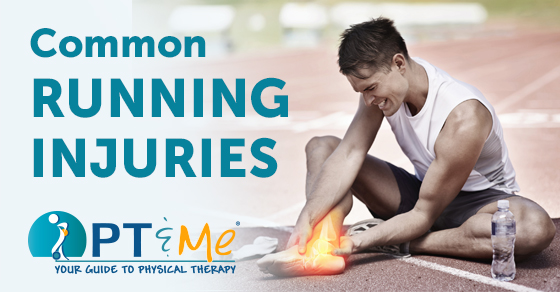
Overuse musculoskeletal injuries occur frequently in runners. Proper stretching and training principles can reduce your risk of developing a running injury.

  • Shin Splints: An overuse injury of the anterior or posterior tibialis muscles, characterized by pain or soreness down either side of the shin. Technically, this condition is tendinitis or inflammation of the tendons/muscles that attach to the tibia.
  • Achilles Tendinitis: Inflammation of the Achilles Tendon with possible thickening or thinning of the tendon and associated with pain resulting from overuse, overstretch, or poor flexibility. Hills or jumping activity will exacerbate this condition.
  • Plantar Fasciitis: Inflammation of the plantar fascia, which is the connective tissue supporting the arch of the foot. There may be point tenderness at the heel and arch.  This condition usually occurs with increased mileage or won/unsupported shoes. This condition may lead to heel spurs.

Prevent Injury While you Train

Injury can happen at any time, but there are steps you can take before during, and after your run to help prevent long-term pain. Prior to your run allow yourself at least a five-minute warm-up.  Suggestions include jumping rope, jumping jacks, light jogging, or a combination. After your warm-up takes the time to gently stretch your muscles.  Remember not to bounce.

While you are training it is important to use the proper equipment. This includes shoes for your foot type (high arch, flat foot, neutral foot), comfortable clothing, and appropriate socks. If the shoe is fitted to your foot, you will need to change running shoes every 400 miles. Even sooner if wear has occurred to the foot platform. Also make sure to change the running path often, aka different locations, terrains, surfaces, and directions.  Cross-training is also important.  We recommend using a Stairmaster or elliptical trainer, biking, swimming, yoga, Pilates. After a run, it is important to cool down with more intense stretching than the warm-up.

How Physical Therapy Can Help

TRAINING ASSESSMENTS

  • Educate on faulty or improper posture or body mechanics with training
  • Educate and help with techniques on exercises that help your muscles stretch farther. Flexibility training helps prevent cramps, stiffness, and injuries and can give a wider range of motion.
  • Correct muscle imbalances through flexibility and strength training
  • Endurance training
  • Alleviate pain
  • Correct improper movement patterns

RUNNING ASSESSMENTS

  • Modify training when you have a minor ache and pain (This does not always mean you need to stop training)
  • Get assessed for weakness and flexibility issues to address biomechanical deficits.  A therapist can videotape your running to look for biomechanical deficits that you may have while running
  • Look at foot mechanics for proper shoe type, stability, motion control, and neutral/cushion shoes

Find a PT

We have talented teams of physical therapists throughout the U.S. that can help you get the care you need.  Whether you need training injury prevention or recovery, our specialists have the skills and know-how to get you back to your workout routine or sport safely.

physical therapy near me