Category Archives: Blog

PT News PTandMe

PT News October 2022

PT News PTandMe

This time in PT News we recap what our clinics have been posting throughout October 2022. We are excited to bring you current physical therapy-based posts featuring published articles from PTandMe partnering clinics!

breast cancer physical therapy

1. Breast Cancer and Post-Mastectomy Rehab

Written by Mission Physical Rehabilitation with locations throughout San Antonio

Post-mastectomy physical therapy can aid in the overall recovery process by focusing on regaining strength and increasing the range of motion in your shoulder and arm. Early intervention by a physical therapist can help women regain full function following mastectomy surgery, regardless of whether or not a woman has had reconstruction.  Read more


2. Why You Should Care About Your Pelvic Floor

Written by Sport & Spine Physical Therapy an outpatient physical therapy practice with locations in Wausau, WI, and Surrounding Areas.

The pelvic floor is the band of muscles that make up the hammock that supports all your abdominal organs. If you think of the trunk as a soda can, the diaphragm is the top of the can, and the pelvic floor is the base. The pelvic floor needs to be flexible to allow things to pass through it (think #1 and #2), but also be strong enough to support everything in the can (think intestines, bladder, etc.). When things go wrong in that band of muscles, we call it a pelvic floor disorder. Read more


Frozen Shoulder Physical Therapy

3. 3 Reasons to go to Physical Therapy After Surgery

Written by Wright Physical Therapy, an outpatient physical therapy group located throughout Southern Idaho

Whether you’re undergoing a joint replacement, back surgery, or some other procedure, we’re confident that working with a physical therapist can help you heal up and get back to your active lifestyle as efficiently and safely as possible. Every year, our physical therapy team meets thousands of individuals recovering from surgery. Curious about why physical therapy is so important in the post-surgical window? We’ve got three reasons to pique your interest!  Read more

We hope you enjoyed our picks for the PT News October 2022 edition.

Find these locations and others to start feeling better today!

Physical Therapy Appointment

Stretches to Relieve Sciatica Pain

Stretches for Sciatica Pain Relief

Stretches to Relieve Sciatica Pain

What is Sciatica and the Sciatic Nerve?

The sciatic nerve is the longest and thickest nerve in the body.
It starts with five nerves in the lower back that come together and form one nerve that runs through the buttocks and down the leg. When there is inflammation of the sciatic nerve it is called sciatica. It can cause a burning or shooting pain in the buttocks or a pain that goes all the way down the leg and usually occurs only on one side.

Common Signs and Symptoms

  • Pain in the back of the thigh, usually traveling below the knee; may be worse with bending, sneezing, coughing, straining, or prolonged sitting
  • Numbness or weakness affecting the thigh, lower leg, ankle, or foot
  • Occasionally, pain in the back or buttocks

Common Causes of Sciatica 

Inflammation of the sciatic nerve because of irritation from a variety of sources, which include:

  • Trauma
  • A ruptured disk
  • Arthritic spurs of the spine
  • Spondylolisthesis (slippage of the vertebrae)
  • Pressure from muscles of the pelvis (hamstring, piriformis)
  • Prolonged sitting on a wallet

5 Simple Stretches to Relieve Sciatica Pain:

Pigeon Pose (Reclining)

This is a great pose for opening the hips and stretching the back (this is also used in yoga).
1. Begin by lying on your back. Bring one of your legs upward, to a right angle. Lock both of your hands behind your thigh.
2. Bring up your other leg, placing the ankle on top of the opposite knee.
3. Hold the position. This helps stretch the piriformis muscle, which is often a cause of sciatic pain.
4. Switch legs and repeat the exercise.

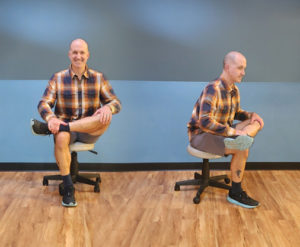
Pigeon Pose (Sitting in Chair)

Sciatica Stretches

This exercise is recommended if you can easily perform the pigeon pose. Try it out!
1. Sit on a stool or chair, with your legs directly in front of you.
2. Bend your right leg. Put the ankle on top of your left knee.
3. Lean forward, pushing your upper body towards your thighs.
4. Hold this position for 15-30 seconds to stretch out the muscle in the lower back and glutes.
5. Repeat on the other side.

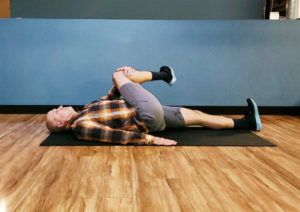
Knees To Opposite Shoulder

Sciatica Stretches

This stretch offers sciatica pain relief by stretching and loosening both the piriformis and gluteal muscles.
1. Begin by lying on your back, and extending your legs.
2. Bend your right leg gently, clasping your opposite hand around the knee.
3. Pull the right leg across your body towards the opposite shoulder, holding it for up to 30 seconds. Pull only hard enough to feel a stretch – if you feel pain, reduce the force you’re using.
4. Push your knee down, returning to the starting position.
5. Repeat for a total of 3 reps, alternating each leg.

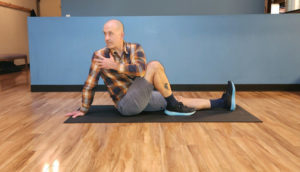
Sitting Spinal Stretch

Spinal Stretch for Sciatica Pain

This stretch helps relieve back pain and decompress the spine. It’s quite simple!
1. Sit on the ground in a neutral position, with your legs stretched outward.
2. Bend your right knee until you put your foot flat on the floor, past your opposite knee.
3. Place your left elbow on the right knee. Gently turn your body toward the right, flexing the spine.
4. Hold the position for 3 seconds and repeat for 3 reps on either side.

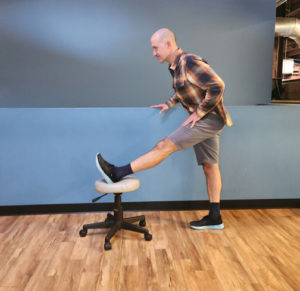
Standing Hamstring Stretch

This stretch helps relieve hamstring tightness caused by sciatica.
1. Find a flat, elevated surface such as a bench or a chair that’s at (or below) hip level. Place your right foot on this surface.
2. Keep your leg and toes straight. Bend your body forward, towards your foot, like you’re trying to touch your toes. The deeper you bend, the more intense the stretch.
3. Push the hip of your raised leg downward. Hold for 30 seconds and repeat on the opposite side.

There is no one-size-fits-all exercise for sciatic nerve pain. Never force yourself through an exercise that doesn’t feel right. Instead, focus on finding the ones that work for you! As you improve, you may be able to do some movements that didn’t work at first. Anyone experiencing pain for more than a month could benefit from seeing a physical therapist. Physical therapy and exercise help strengthen and mobilize tissues in the lower back, pelvis, abdomen, buttocks, and thighs. Commitment and frequency are important attributes of a successful treatment outcome when using physical therapy and exercise for sciatica.

physical therapy near me

Resources

Special thanks to North Lake Physical Therapy in Portland, OR for posing for our stretches!

https://www.healthline.com/health/back-pain/sciatic-stretches#What-is-the-sciatic-nerve? 
https://www.webmd.com/pain-management/sciatica-exercises-pain-relief
https://www.movementforlife.com/articles/physical-therapy-sciatica-5-stretches-pain-relief
https://www.suburbanortho.com/wp-content/uploads/2017/03/Sciatica.pdf

physical therapists are musculoskeletal experts

Physical Therapist are Musculoskeletal Experts

physical therapists are musculoskeletal experts

According to the World Health Organization, Musculoskeletal conditions are the leading contributor to disability, with approximately 1.71 billion people having musculoskeletal conditions worldwide. With numbers like that, it’s probably safe to say that you or someone you know suffers from musculoskeletal pain, discomfort, or disorders. Pain and dysfunction cause many disruptions to daily lives, and that is where physical therapists, THE musculoskeletal experts, step in to get your body back to being pain-free.

physical therapist is a licensed health specialist in treating musculoskeletal disorders. In fact, physical therapists must complete a Clinical Doctorate degree before obtaining their license. Physical Therapists help not only manage illnesses and injuries to your musculoskeletal system but can prevent them. The first visit to physical therapy begins with a physical evaluation. Evaluations take around an hour and provide physical therapists with the information needed to understand the injury, what’s causing it, and how to develop a treatment plan to fix it. 

What to Expect from My Physical Therapy Treatment Plan:

Physical rehabilitation programs designed by physical therapists improve strength, flexibility, and independence by working to remove pain, injury, and weakness. Physical rehabilitation programs often improve a patient’s ability to function, reduce symptoms, and improve their overall well-being. 

The result is a patient that has returned to the highest level of function and independence possible. 

Physical Therapy Programs from a Physical Therapist May Include:

  • Exercises that increase range of motion and strength, improve flexibility and mobility, and increase endurance.
  • Pain management.
  • Ergonomic assessments and work-related injury prevention.
  • Help with obtaining assistive devices that promote independence.
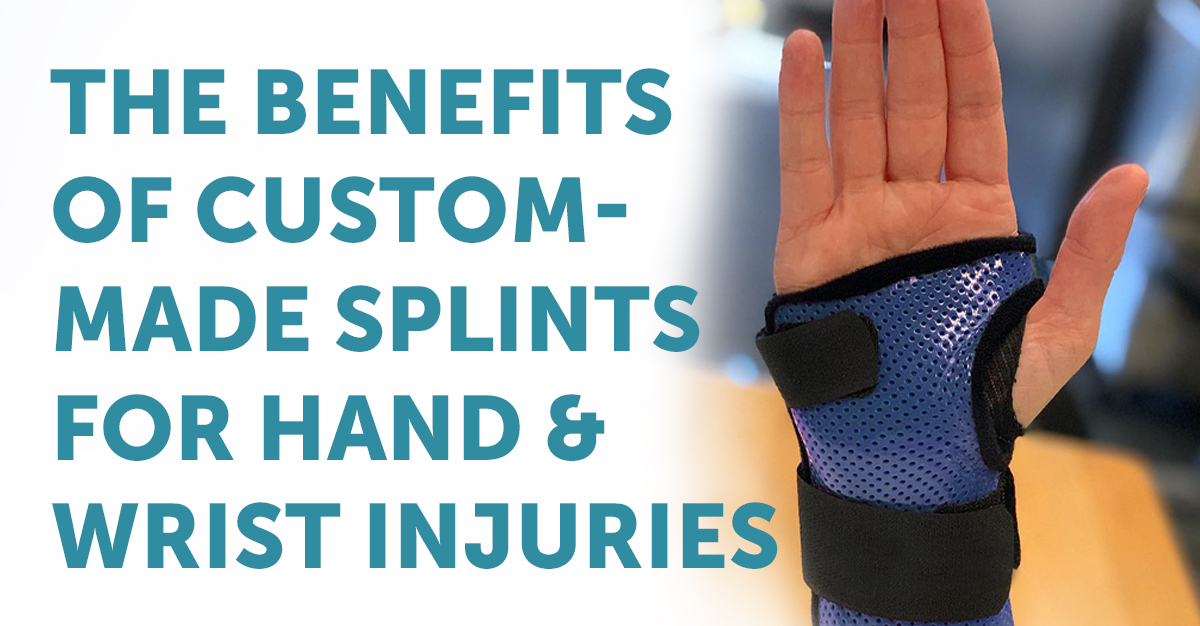
  • Fitting and caring for braces, splints, or artificial limbs.

What Makes Physical Therapists THE Musculoskeletal Experts?

Physical therapists are musculoskeletal experts who help patients with pain, stiffness, disease, injury, and rehabilitation after surgery. They can also help people move better and reduce the risk of getting hurt.

Most people think of physical therapy as a practice strictly for injuries, but patients can see a physical therapist to relieve lingering pain, practice injury prevention, and improve overall health and performance. 

Not Convinced that Physical Therapists are Musculoskeletal Experts? 

Here are a few more reasons why physical therapy is an excellent choice for dealing with musculoskeletal pain.

  • Physical therapists can improve the tolerance to physical activity, which can have a positive impact on: sleep, mental health, and chronic conditions such as arthritis, cardiovascular disease, and diabetes.
  • Physical therapists can treat multiple health conditions and incorporate “Lifestyle medicine” alongside musculoskeletal rehabilitation. Rather than just treating the injury, physical therapists encourage overall lifestyle changes to prevent failure issues.
  • Physical therapists get to know the daily demands of their patient’s jobs and activities, so they can understand how to formulate a plan to best prevent and treat musculoskeletal injuries.

Whether you are in pain because of traumatic injury, overuse, or a disease, physical therapy can help relieve your musculoskeletal pain and reduce the need for surgery and opioids. Physical therapists are musculoskeletal experts and have an assortment of tools to manage and relieve musculoskeletal pain. If you need physical therapy due to musculoskeletal pain, please schedule an appointment to get you on the road to recovery.

Physical Therapy Appointment


PT News PTandMe

PT News September 2022

PT News PTandMe

This time in PT News we recap what our clinics have been posting throughout September 2022. We are excited to bring you current physical therapy-based posts featuring published articles from PTandMe partnering clinics!

Diastasis Recti

1. How Can I Heal My Diastasis Recti? 

Written by JACO Rehabilitation with 4 locations in Oahu

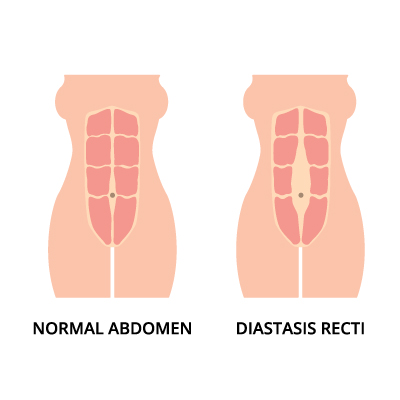
Have you ever been told by a doctor or healthcare provider that you have separation of your abdominal muscles? This condition is known as diastasis rectus abdominis (DRA), or diastasis recti. Diastasis recti is a condition in which the connective tissue in the center of your abdominal muscles, the linea alba, becomes overstretched or torn. You may be able to see a visible dip or bulge in the center of the abdominal region when trying to perform abdominal exercises.  Read more


FCE

2. What are Functional Capacity Evaluations (FCEs) for Employers?

Written by ARC Physical Therapy+ an outpatient physical therapy practice with over 25 locations in Kansas, Missouri, and Arkansas.

FCEs help determine a patient’s physical capacity and ability to safely return to work after a work-related injury or extended medical leave. These are evidenced-based and legally defensible XRTS tests that provide safe return-to-work recommendations. ARC Physical Therapy+ performs these evaluations to help employers decrease lost time and prevent future injuries. Read more


Mountain Biking

3. Mountain Biking Tips to Keep You Riding

Written by Rebound Physical Therapy, an outpatient physical therapy group located throughout Greater Bend, OR.

Central Oregon is a phenomenal region to explore on a mountain bike. We have an expansive trail network, fantastic weather, and a large cycling community that is excited to adventure with other riders. While this sport is incredible, there is the risk of injury just like there is when participating in other sports. This risk of injury is present regardless of if you are a novice vs. expert rider or seek cross-country trails vs. downhill trails.  Read more

We hope you enjoyed our picks for the PT News September 2022 edition.

Find these locations and others to start feeling better today!

Physical Therapy Appointment

Common Types of Ankle Injuries

Common Types of Ankle Injuries

Common Types of Ankle Injuries

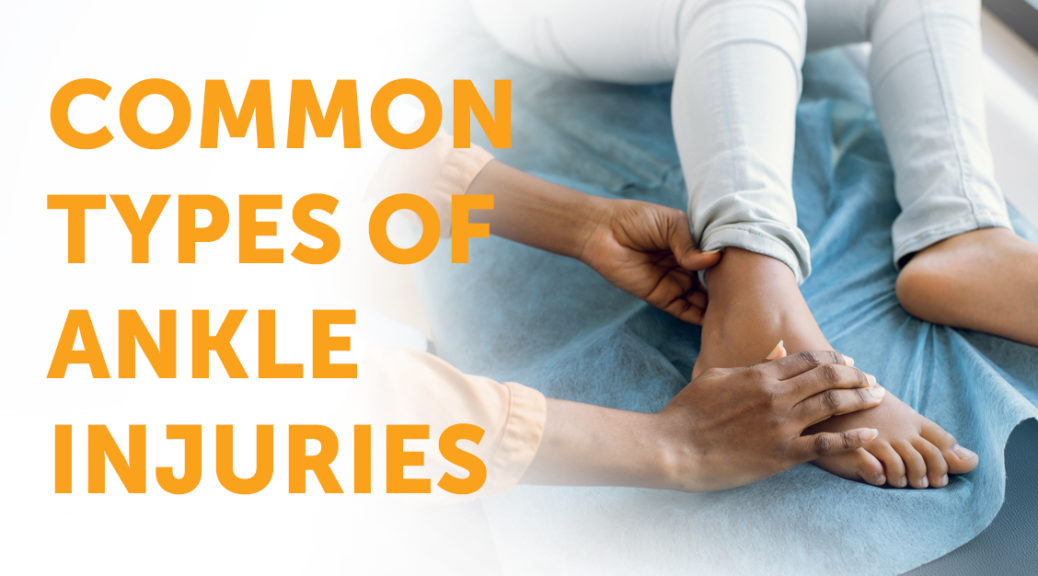
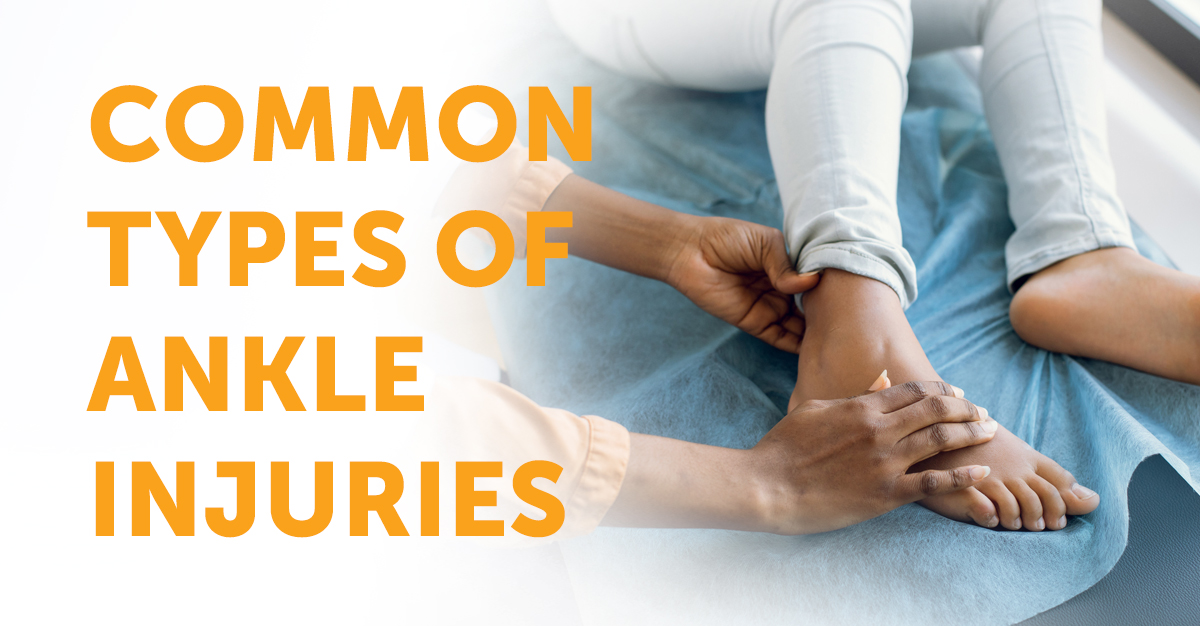
Ankle, such a funny-sounding word, but what exactly is it? A common misconception is that the ankle is the bony, ball-like structure that sticks out on the side of your foot— but that is only a part of your ankle. The ankle is where three of your bones meet: where the tibia & fibula of your lower leg meet with the talus (located at the top of the foot, aka. “ankle bone”). These bones are held together at the ankle joint by ligaments, which are strong elastic bands of connective tissue that keep the bones in place while allowing normal ankle motion. Tendons attach muscles to the bones to allow movement in the ankle and foot, keeping the joints stable.

Ankle injuries happen to be one of the most common reasons why you could end up in the emergency room, although they can be treated with physical therapy depending on the severity of the injury. These common types of ankle injuries can happen to anyone, at any age, for a number of reasons. 

Certain situations make you more likely to injure your ankle. These include:

  • Accidents, such as tripping or falling
  • Walking or running on uneven surfaces
  • Landing awkwardly after a jump
  • Wearing shoes that do not provide any ankle support
  • Sudden impacts such as an automobile accident 
  • Practicing sports that involve rolling or twisting your foot (basketball, football, soccer, tennis)

Not all ankle injuries require a trip to the emergency room, your body may have suffered a less severe injury such as an ankle strain. There are different kinds of ankle injuries, and here is a breakdown of them:

Ankle Strain

An ankle strain happens when the muscles or tendons around the ankle have been pulled or stretched too far. In the ankle, there are two tendons that stabilize and protect the ankle, called the peroneal tendons, which are often strained. They can become inflamed from overuse or trauma which can lead to inflammation of one or both tendons called tendinitis.

Ankle Sprain

A sprained ankle is a common injury that occurs when the ankle ligaments are stretched too far, resulting in small tears, often after a fall or if you roll or twist your ankle. Sprains are most common in athletes during sporting events but can happen during everyday activities. 

There are three types of ankle sprains based on how much ligament damage occurred:

  • Grade 1 (Mild): The ligament fibers stretched slightly, or there is a very small tear, resulting in minor swelling and tenderness to the touch.
  • Grade 2 (Moderate): The ligament is torn, but it isn’t a complete tear, resulting in swelling over the injury, and it hurts to move.
  • Grade 3 (Severe): The ligament is torn completely. Your ankle has significant swelling, painful injury, and difficulty walking.


If you know you have suffered an injury to your ankle

and are experiencing symptoms but are not quite sure whether you have strained or sprained your ankle. Here are the common symptoms when experiencing each type of injury: 

Common symptoms of Ankle Sprains

  • Bruising
  •  Pain around the affected joint
  •  Swelling
  •  Limited flexibility
  •  Difficulty using the joint’s full range of motion

Common symptoms of Ankle Strains

  • Muscle spasm
  •  Pain around the affected joint
  •  Swelling
  •  Limited flexibility
  •  Difficulty using the joint’s full range of motion

Most strains and sprains heal independently, but using physical therapy to strengthen the injured muscles can prevent future sprains. Although self-care measures and over-the-counter pain medications may be all you need, a medical evaluation may be necessary to reveal how badly you’ve damaged your ankle and to determine the appropriate treatment.

Ankle Fracture/Broken Ankle

A broken ankle is the most severe type of ankle injury and will need to be confirmed by your doctor using an x-ray. The telltale signs of a broken ankle are all the symptoms of a sprain, with the addition of:

  • Pale skin
  • Deformity (out of place)
  • Inability to move the toes or foot
  • Numbness.

If the bone is intact and stable, it needs to be immobilized with a cast or a boot to ensure proper healing and protection from bumping into anything. Surgery may be necessary to realign the bone if the pieces have shifted out of place and the ankle is unstable.

What do I do after an ankle injury?

The best way to treat your injury is to seek care as soon as possible. Remember, the first 48 hours are the most important when injuring your ankle. Whether you have a strain, or sprain, or think you have broken your ankle, follow these simple steps to help alleviate pain or prevent more damage before seeing your doctor.

  • Protection: Use crutches or a splint or brace to limit the use of your injured ankle.
  • Rest: Limit physical activities that may cause stress to the sprain (no running, jumping, exercising).
  • Ice: Apply ice or a cold pack in a towel to your ankle in 20-minute increments to reduce swelling.
  • Compression: Gently wrap your ankle in an elastic bandage to help decrease swelling.
  • Elevation: Raise your ankle on pillows while sitting or lying down so that it is higher than your heart.

You should visit your doctor if you can’t walk after an injury, or if your pain & swelling hasn’t improved or has worsened 24-48 hours after the injury occurred. Your healthcare provider will diagnose your ankle with a physical examination and an x-ray of your foot and ankle to identify your range of motion and determine which parts of your ankle are affected and in most cases, will recommend physical therapy. You may begin physical therapy after swelling has subsided, and you can walk without significant pain, typically two to three weeks after the injury. Physical therapy may include mobilizing the ankle joint and stretching the foot to improve the range of motion.  If you’re looking for help recovering from these common types of ankle injuries we can help!

Physical Therapy Appointment

Sources:

https://www.healthline.com/health/sprain-vs-strain#symptoms

https://my.clevelandclinic.org/health/diseases/22048-sprained-ankle

https://www.campbellclinic.com/how-to-tell-if-you-have-a-strained-sprained-or-broken-ankle/

https://nyulangone.org/conditions/foot-ankle-sprains/treatments/physical-therapy-for-foot-ankle-sprains


backpack ergonomics

Backpack Ergonomics

backpack ergonomics

Children and adults alike use backpacks to carry their books, laptops, gear, and supplies throughout the day. Unfortunately, when used improperly, long-term side effects of using heavy bags continuously can result in poor posture and pain. Here are some tips to help practice proper backpack ergonomics to keep your body pain-free and feeling good. 

Personalize Your Backpack Fit

Each of our bodies are unique! This means the fit of your backpack should be too. Listed below are some tips and tricks towards having better backpack ergonomics. 

Size:

  • The size of your backpack should not extend beyond your shoulders. 
  • Your backpack should sit evenly and comfortably on your back; it shouldn’t sag to your buttocks. 

Fit:

  • Padded straps help relieve pressure on your shoulders for much-needed comfort. 
  • Shoulder Straps should rest comfortably; make sure you adjust the straps for the right fit for your body.
  • Adjust the straps so that the bottom of the pack rests in the curve of your lower back.
  • If the backpack has a waist or chest strap, use it. Waist straps help to distribute the weight load to the hips, relieving shoulder pressure. A chest strap helps keep the shoulder straps in place and reduces the swaying of the pack. 

Weight:

Your backpack should never exceed 15% of your overall body weight. Following this will curb the early onset of back, neck, and shoulder pain and poor posture. For example, a child who weighs 100 pounds shouldn’t carry a loaded backpack heavier than 15 pounds.

In a study investigating school children’s perception of backpack loads: 79% of surveyed individuals said their backpacks were heavy, 66% felt their backpacks caused fatigue, and 46% said they had back pain due to a heavy load. So, if you or a loved one leans forward to carry a backpack…it’s too heavy!

Your backpack is too heavy if:

  • It’s difficult to put on or take off.
  • You have pain from wearing it.
  • You feel tingling or numbness in your limbs.
  • Strap marks show on your shoulders.
  • Your posture changes while wearing it.

Tips to reduce weight and help posture:

  •  Every few weeks, go through your pack and remove any unnecessary items. All the little things that pile on weight impact the overall weight of your backpack. 
  • Load the heaviest items closest to your back.
  • Arrange books and other supplies so they won’t slide around in the backpack.
  • Consider using a book bag on wheels.

Lifting Your Backpack:

Properly picking up a backpack may not seem important, but because we use them so often, it can take a toll on your body. By using safe lifting techniques, you can avoid injuries and pain. Proper lifting safety includes:

  • Lift with your legs
  • Don’t bend your body to the side
  • Keep your back straight
  • Use both hands (If lifting with only one, keep your wrist straight)

Tip: Do NOT one-strap when picking it up or carrying your backpack. Distribute the weight evenly across your body by using both straps. 

Pain caused by poor backpack ergonomics will most likely start as short-lasting muscle pain. However, if you continue to lift or carry your backpack incorrectly it could lead to chronic pain issues that linger or worsen over time. We can work with you to eliminate your back, neck, and shoulder pain, improve posture, and work with you to make sure your backpack doesn’t cause any additional stress on the body. If you are experiencing pain that isn’t going away on its own, please schedule an appointment and start feeling better today.

schedule physical therapy appointment


PT News PTandMe

PT News August 2022

PT News PTandMe

This time in PT News we recap what our clinics have been posting throughout August 2022. We are excited to bring you current physical therapy-based posts featuring published articles from PTandMe partnering clinics!

What is Osgood-Schlatters

1. Osgood-Schlatters & Strickland Protocol 

Written by Horizon Rehabilitation and Sports Medicine with 3 locations in South Carolina

Osgood-Schlatters is commonly found in children going through their middle school years. As the child goes through a “growth-spurt”, they may be experiencing pain just below the knee. Their bones are growing faster than their muscles can adapt so the tension on the muscle can often pull at the bone causing pain.  Read more


Osteoarthritis

2. Suffering from Osteoarthritis? Movement is Medicine!

Written by Life Fitness Physical Therapy an outpatient physical therapy practice with locations throughout greater Baltimore.

Okay, so you have OA- now what? The good news is that there are many interventions that can help you manage your OA so that you can live a healthy, pain-free, and active life. One of the most beneficial interventions for osteoarthritis is physical therapy! While we physical therapists cannot wave a magic wand and make your OA disappear (unfortunately!), there are still many different things that we can do to help manage your symptoms. Read more


better understand concussions

3. How to Better Understand Concussions

Written by Sports Physical Therapy, an outpatient physical therapy group with locations in Bellevue, Factoria, Kirkland, Everett, and Lake Stevens, WA.

Concussions can and do happen to anyone, so it is crucial to recognize the signs and take proper precautions. In a definition provided by the CDC, a concussion is a type of traumatic brain injury (TBI) caused by a blow to the head or body that causes the brain to move inside the skull. Even a ding, getting your bell rung, or what seems to be a mild bump or blow to the head is serious.  Read more

We hope you enjoyed our picks for the PT News August 2022 edition.

Find these locations and others to start feeling better today!

Physical Therapy Appointment

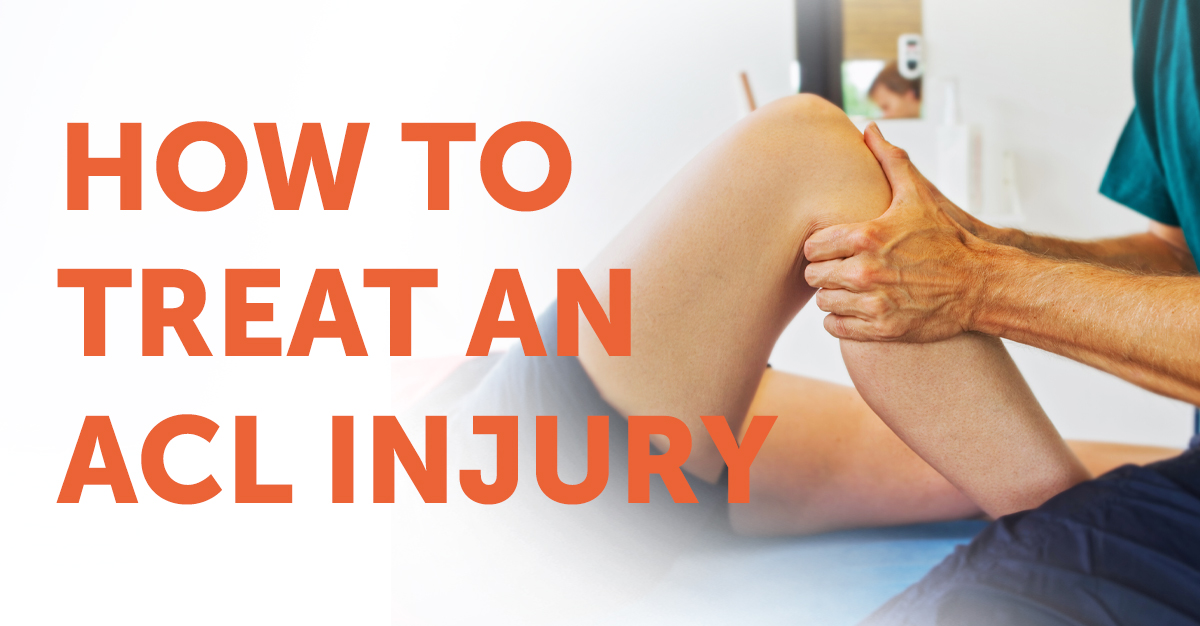
How to treat and ACL Injury

How to Treat an ACL Injury

How to treat and ACL Injury

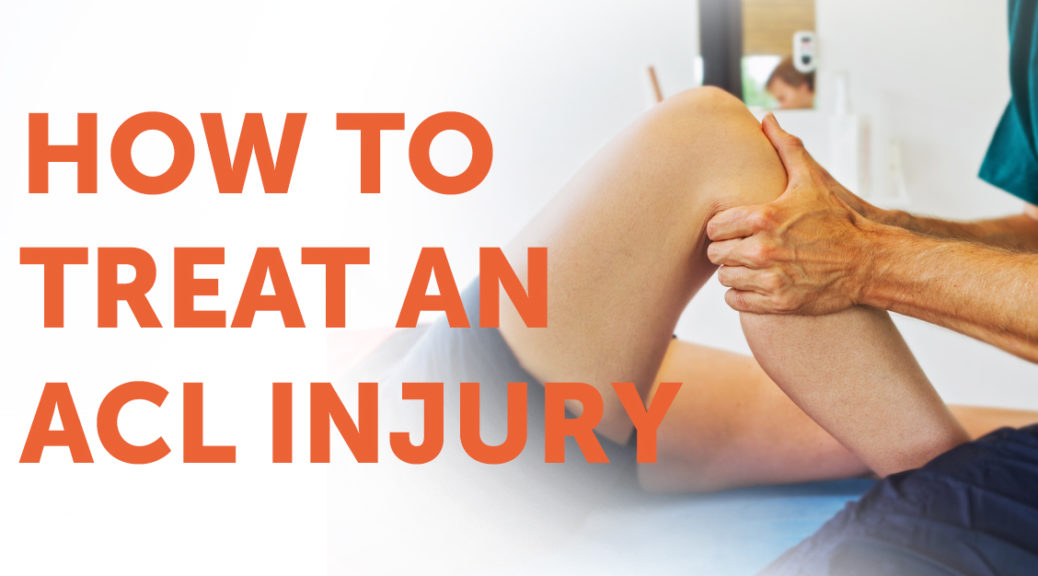
As summer concludes, we can see the beginning of fall sports coming around the bend. Football, Basketball, Soccer, Hockey, and Cross Country are fall sports enjoyed by many. If you participate in these sports throughout the fall, work with your athletic trainer and physical therapist to help prevent an ACL tear from occurring. If you do experience an injury, physical therapists are experts on how to treat an ACL injury and can effectively help you get back into your sport.

A tear to the ACL can be one of the most common forms of injury during fall sports. There are approximately 100,000 to 200,000 ACL injuries per year in the United States. This type of injury is common in both professional and recreational athletes across a variety of sports.

What is an ACL?

The ACL is formally known as your Anterior Cruciate Ligament. Ligaments, located throughout the body, are a type of durable, flexible tissue that connects bones and cartilage structures. The Anterior Cruciate Ligament, located in the knee, is placed to connect the thigh bone to the shin, which keeps the knee stable as you walk, run, and absorb impact throughout the day. The ACL is at constant work, especially during athletic activities, which is why it is a common injury amongst many athletes.

How do ACL Injuries Happen?

The ACL can withstand and absorb large amounts of impact, and particular stretches and exercises can help the durability of the ACL. However, this does not fully protect you from injury as something can happen during gameplay that can impact the overall health of your ACL.

The ACL can tear from both contact and non-contact movements. Roughly 70% of ACL injuries result from a non-contact motion in which the athlete attempts to change direction, slow down, or land. However, contact injuries result in a direct blow which causes the knee to bend inward or hyperextend.

The following non-contact motions are amongst the most common resulting in ACL injury.

  • A sudden change of direction
  • Pivoting with a foot planted in the ground
  • An awkward landing from a jump
  • Sudden stops

Symptoms & Signs of an ACL Injury

Soreness in the knee after physical activity is not a good indicator and can be a symptom of an ACL injury. More specific points of pain to look out for would be indicators such as:

  • An audible pop sound or feeling in the knee
  • Decrease in range of motion
  • Inability to bear weight on the knee
  • Trouble walking
  • Severe swelling in the knee within a few hours of the initial injury
  • Instability in the knee

If any of these symptoms relate to a knee injury that you are dealing with, don’t wait. Schedule an appointment immediately

What to do if You’ve Suffered an ACL Injury

There are precautions and steps to take to ensure the injury doesn’t progress and that you start a road to recovery that gets you back to 100% so you can continue playing the sport that you love.

First things first, after the impact of the injury, take all bearing weight off the knee. Doing this will help take the tension and pressure off the torn ligament. Using an ace wrap, ice wrap, and a knee immobilizer will also help reduce the swelling and movement of the knee, limiting further damage. Following these steps will help keep you more comfortable until a specialist can reach a diagnosis.

Reminder: Only a medical professional can truly determine the source of your pain. Do not self-diagnose your injury without consulting with a specialist.

How Medical Professionals Determine if You Have an ACL Injury

One of the most common ways a medical professional can determine if you have suffered an injury to your ACL is through the Lachman test. This test induces stress on the ACL. It conducts movement of the shin bone, and the feel of the endpoint (How solid the ligament feels) offers additional information about the condition of the ACL. Knees with a damaged or torn ACL may demonstrate more movement and a less firm endpoint during the Lachman test.

How to Treat an ACL Injury

Treatment to repair a torn ACL is highly individualized. Some patients will have to have their torn ACL repaired through surgery, while others can use non-surgical methods such as physical therapy.  Treating an ACL Injury depends on the severity of the injury, and the performance levels reached prior to the injury.

Post-Surgery Physical Therapy for a Repaired ACL 

Rehabilitation to the knee through physical therapy is crucial in getting you back to 100%. Physical therapy typically starts a few days after surgery and can last up to 3-4 months. There are protocols in physical therapy that allow patients to increase their range of motion, decrease swelling, and regain the strength of the knee. There are fewer complications when the patient participates in the rehabilitation program during physical therapy rather than trying to complete the exercises alone. So, if you’re suffering from an ACL injury, talk to your physical therapist to develop a strategy that is right for you.

Preventative Measures to Take to Keep Your ACL Healthy

There is not one or more given steps that can assure you won’t injure your ACL, but there are preventative measures that an individual can take to strengthen the ligament and help diminish the chance of it happening. These steps include things such as:

  • Get a pre-examination or screening done by a physical therapist or a specialist. Doing this will ensure that you don’t have a pre-existing injury.
  • Practice a good technique. Proper technique can help fend off injuries. Work with your trainer or physical therapist to identify any improper form and correct it.
  • Avoid overworking your body when fatigued. When tired, it is easy to throw proper form and techniques out the window. Stopping your workout before exhaustion sets in helps to prevent injury.
  • Create a balance between strength and flexibility. Core and extremity strength are important. Working on both in moderation is key to avoiding injury.
  • Stay hydrated and eat a balanced diet that provides the proper nutrients to your body. Poor nutrition and dehydration lead to a decrease in strength, endurance, and attention. Keeping a balanced diet and staying hydrated will help improve focus, performance, and strength, reducing the risk of injury.

Physical therapists can help prevent injury but are also experts in how to treat an ACL Injury or tear. For more information about the services provided, please schedule an appointment or reach out to the location nearest you.

schedule physical therapy appointment

concussion baseline testing

Post Concussion Recovery: Why Baseline Testing is Important

Concussion Baseline Testing

Concussions are serious

Medical providers may describe a concussion as a “mild” brain injury because concussions are usually not life-threatening. Even so, the effects of a concussion can be serious.

Once an athlete has been suspected of having a concussion… when is it safe to go back to play? The answer is different for everyone, but there are few baseline tests that medical professionals can administer to make sure that a gradual return to play, work and activity is safe and won’t lead to further damage.

When an athlete has a concussion, it’s important to know how much their functional and cognitive abilities have been affected. With a baseline test you give medical professionals an accurate starting point to correctly evaluate the impact of the injury.

FAQs about Concussion Baseline Testing

Concussion baseline testing is a pre-season exam conducted by a trained health care professional. Baseline tests are used to assess an athlete’s balance and brain function (including learning and memory skills, ability to pay attention or concentrate, and how quickly he or she thinks and solve problems), as well as for the presence of any concussion symptoms. Results from baseline tests (or pre-injury tests) can be used and compared to a similar exam conducted by a health care professional during the season if an athlete has a suspected concussion.

Baseline testing generally takes place during the pre-season—ideally prior to the first practice. It is important to note that some baseline and concussion assessment tools are only suggested for use among athletes ages 10 years and older.

How is baseline testing information used if an athlete has a suspected concussion?

Results from baseline testing can be used if an athlete has a suspected concussion. Comparing post-injury test results to baseline test results can assist health care professionals in identifying the effects of the injury and making more informed return to school and play decisions.

Education should always be provided to athletes and parents if an athlete has a suspected concussion. This should include information on safely returning to school and play, tips to aid in recovery (such as rest), danger signs and when to seek immediate care, and how to help reduce an athlete’s risk for a future concussion.

What should be included as part of baseline testing?

Baseline testing should include a check for concussion symptoms, as well as balance and cognitive (such as concentration and memory) assessments. Computerized or paper-pencil neuropsychological tests may be included as a piece of an overall baseline test to assess an athlete’s concentration, memory, and reaction time.

During the baseline pre-season test, health care professionals should also assess for a prior history of concussion (including symptoms experienced and length of recovery from the injury). It is also important to record other medical conditions that could impact recovery after concussion, such as a history of migraines, depression, mood disorders, or anxiety, as well as learning disabilities and Attention-Deficit/Hyperactivity Disorder.

Baseline testing also provides an important opportunity to educate athletes and others about concussion and return to school and play protocol.

Who should administer baseline tests?

Baseline tests should only be conducted by a trained health care professional such as a physician, physical therapist or trained ATC.

Who should interpret baseline tests?

Only a trained health care professional with experience in concussion management should interpret the results of a baseline exam. When possible, ideally a neuropsychologist should interpret the computerized or paper-pencil neuropsychological test components of a baseline exam. Results of neuropsychological tests should not be used as a stand-alone diagnostic tool, but should serve as one component used by health care professionals to make a return to school and play decisions.

How often should an athlete undergo concussion baseline testing?

If baseline testing is used, research suggests that most components of baseline testing be repeated annually to establish a valid test result for comparison. Baseline computerized or paper-pencil neuropsychological tests may be repeated every 2 years. However, more frequent neuropsychological testing may be needed if an athlete has sustained a concussion or if the athlete has a medical condition that could affect the results of the test.

Many physical therapy clinics have therapists that have been trained in baseline testing software and techniques. Physical therapists can also specialize in return to sports programs for athletes that have experienced concussions.  The decision of when you go back to your sport can be a critical one… especially if you go back to soon. Prevent this by having an accurate baseline available for your healthcare professionals.

Need Physical Therapy? Find a PT Near You!

physical therapy near me

more information can be found at http://www.cdc.gov/headsup/

Additional articles from PTandMe about concussions can be found here:

concussion physical therapy   

concussion treatment   

PT News PTandMe

PT News July 2022

PT News PTandMe

This time in PT News we recap what our clinics have been posting throughout July 2022. We are excited to bring you current physical therapy-based posts featuring published articles from PTandMe partnering clinics!

Pre Workout Nutrition

1. Pre-Workout Nutrition for Optimal Performance 

Written by The Jackson Clinics with locations throughout Northern Virginia.

When we work out, our bodies require fuel to support energy production within the muscle tissues. Unsurprisingly, the food we eat directly supports these bioenergetic pathways! Proper pre-workout nutrition can greatly boost your performance while delaying fatigue and soreness. However, there are a few important considerations, including what, when, and how much to eat or drink, to get the most out of your pre-workout fueling.   Read more


Physical Therapy

2. Did you Know Physical Therapy Can Alleviate Pain and Discomfort?

Written by Cornerstone Physical Therapy an outpatient physical therapy practice with locations throughout the Columbus, Ohio Area.

When you wake up in the morning, do you feel achy? While aches and pains are common from time to time, waking up every morning with them can indicate a more serious problem. We’ll get to the source of your issue to help you find relief, so you may wake up feeling refreshed in the mornings! Read more


3. Arthritis. Does Physical Therapy Help?

Written by Mission Physical Rehabilitation, an outpatient physical therapy group with locations throughout San Antonio, TX.

According to the San Antonio Metropolitan Health District, 20.7% of Bexar County residents have been diagnosed with Arthritis. With over 100 forms of arthritis, there is understandable confusion about the different forms of arthritis and the treatment options for each. Osteoarthritis is the most prevalent, while Rheumatoid arthritis is the most disabling. Those with arthritis do not have to live in pain, as there are treatment options beyond medication and surgery available   Read more

We hope you enjoyed our picks for the PT News July 2022 edition.

Find these locations and others to start feeling better today!

Physical Therapy Appointment