

Category Archives: Blog

Sarcopenia

Fighting Sarcopenia (Muscle Loss Due to Aging)

Sarcopenia

Sarcopenia, or muscle loss due to the normal aging process, is common as the body becomes resistant to regular growth signals. After a person turns 30 years old, the average rate of muscle mass decrease per decade can be as high as 8%(1).  Sarcopenia causes a person’s body to become functionally impaired and frail in old age. It is estimated that the range of clinical sarcopenia exists as low as 8.8% in older women and up to 17.5% in older men(2). Older people who experience this muscle-wasting condition have various treatment options, including physical therapy and body contouring for muscle loss. These non-surgical cosmetic treatments can help to firm and tone muscles.

How Does Aging Cause Muscle Loss?

Adults usually achieve peak muscle mass at some point during their early 40s(3). Gradual muscle loss happens afterward. Age-related decrease of skeletal muscle mass and disease can affect muscle performance and physical function. Meanwhile, the decrease in physical function and mobility connected to sarcopenia can lead to falls(4).

Researchers are studying ways to slow, reverse, or prevent such conditions. Medical professionals diagnose sarcopenia by examining flexors and extensors for signs of muscle loss. People can also take steps to slow or reverse muscle loss due to aging.

Overcome the Main Factors that Accelerate Muscle Loss

Besides the normal aging process, other factors can cause a muscle imbalance, including:

  • Not Moving Enough: Inactivity includes a sedentary lifestyle, like sitting at a desk all day or lying in bed after an illness or injury.
    Not using muscles is a common trigger of sarcopenia(5), resulting in faster muscle loss and increased weakness.
  • Inflammation: Inflammation helps the body rebuild damaged cells after injury or illness. Long-term diseases like rheumatoid arthritis (RA), however, can cause inflammation that leads to muscle loss. A person’s body may experience decreased muscle mass due to a low-protein or low-calorie diet. Other factors include age-related lifestyle changes, such as problems cooking or altered sense of taste.
  • Chronic Physical Stress: Sarcopenia becomes more common in several health conditions that increase stress on the body, such as chronic kidney disease(6).

Exercise Regularly

Keeping muscles active is one of the most effective methods to fight sarcopenia. As the timeless adage goes, “If you don’t use it, you lose it.” A good workout program combines weight-resistance exercises, aerobic exercises, and balance training. An older adult should consider doing two to four exercise sessions every week to get the optimum results(7).

Here are some of the best types of exercises to consider:

  • Fitness Training: Physical activity like endurance training and aerobic exercise can help control sarcopenia. Older adults could combine aerobic and resistance exercises for workout programs(8).
    More research is needed to determine whether aerobic exercises without weight resistance exercises would produce the same results.
  • Resistance Training:  Some examples include weightlifting and resistance bands. These exercises create tiny tears in muscle fibers, boosting muscle strength and muscle mass(9).
  • Walking: Significantly reducing walking for two or three weeks can drastically reduce muscle mass and strength(10). Another benefit of this exercise is that it is usually free unless people walk on a treadmill in a commercial gym. Senior citizens can take different approaches to add more steps to their daily lives. For example, they can try to increase their daily walking distance by 10% every month.

Boost Intake of Muscle-Friendly Substances

A diet deficient in protein, particular vitamins, and minerals, or calories can cause a higher risk of muscle wasting. Here are some nutrients people can add to their diets:

  • Protein; Nutritional issues like protein deficiency become more common among adults over 60 years old(11).
    Some good sources include:
    ● Meat
    ● Fish
    ● Eggs
    ● Soy
    ● Whey

Leucine is among the nine essential amino acids (EAA) people must get from food and supplements. Its functions include increasing muscle mass(12).

  • Amino Acid (Creatine): The liver, kidneys, and pancreas make this byproduct amino acid. Sources like meat or Creatine supplements might trigger muscle growth.
  • Vitamin D: Studies show Vitamin D deficiency is linked to sarcopenia. However, more research is needed about the reasons for this relationship(13).
    Minimally processed food is always the best source of nutrients. Nevertheless, some studies show that Vitamin D supplements may boost muscle strength(14).
  • Omega-3 Fatty Acids: Fatty fish like tuna, salmon, and mackerel, and shellfish are some foods high in omega-3. They could also boost muscle growth, although more research is needed about whether this is due to omega 3’s anti-inflammatory properties(15).

Get a Good Night’s Sleep

Research on the possible relationship between sleep disorders and sarcopenia is limited(16). However, a recent study showed a possible link between these two health conditions among seniors.
Sleep experts have learned that getting enough sleep is beneficial for muscles through tissue repair and growth(17). More research is needed to determine whether sleep and age-related sarcopenia are connected(18).

If you suffer from muscle loss or are in need of a strengthening program please reach out to one of our physical therapy teams near you.

physical therapy near me

References

  1. Muscle tissue changes with aging: https://www.ncbi.nlm.nih.gov/pmc/articles/PMC2804956/
  2. Sarcopenia: https://mayoclinic.pure.elsevier.com/en/publications/sarcopenia
  3. Slowing or reverse muscle loss https://www.mayoclinic.org/medical-professionals/physical-medicine-rehabilitation/news/slowing-or-reversing-muscle-loss/mac-20431104
  4.  Ibid
  5. Sarcopenia: https://mayoclinic.pure.elsevier.com/en/publications/sarcopenia
  6. Sarcopenia in patients with chronic liver disease: https://pubmed.ncbi.nlm.nih.gov/27372291/
  7. Exercise frequency, health risk factors, and diseases of the elderly: https://pubmed.ncbi.nlm.nih.gov/23748185/
  8. How can you avoid muscle loss as you age?: https://health.clevelandclinic.org/how-can-you-avoid-muscle-loss-as-you-age/
  9. Want to lose weight? Build muscle: https://health.clevelandclinic.org/build-muscles-lose-weight-by-adding-strength-training-to-your-workout/
  10. Role of exercise in age-related sarcopenia: https://www.ncbi.nlm.nih.gov/pmc/articles/PMC6165967/
  11. How older adults can stay on track to eat healthfully: https://health.clevelandclinic.org/how-to-age-better-by-eating-more-healthfully/
  12. Leucine: https://www.urmc.rochester.edu/encyclopedia/content.aspx?contenttypeid=19&contentid=Leucine
  13. Sarcopenia in post-menopausal women: https://pubmed.ncbi.nlm.nih.gov/25882761/
  14. Effects of vitamin D on muscle function and performance: https://www.ncbi.nlm.nih.gov/pmc/articles/PMC3513873/
  15. The influence of omega-3 fatty acids on skeletal muscle protein turnover in health, disuse, and disease: https://www.ncbi.nlm.nih.gov/pmc/articles/PMC6742725/
  16. Association between sleep duration and sarcopenia among community-dwelling older adults: https://www.ncbi.nlm.nih.gov/pmc/articles/PMC5348186/
  17. Sleep and muscle recovery: https://pubmed.ncbi.nlm.nih.gov/21550729/
  18. The impact of sleep on age-related sarcopenia: https://pubmed.ncbi.nlm.nih.gov/26216211/
high school sports injuries

High School Sports Injuries

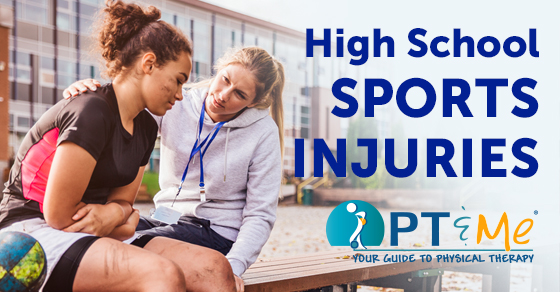
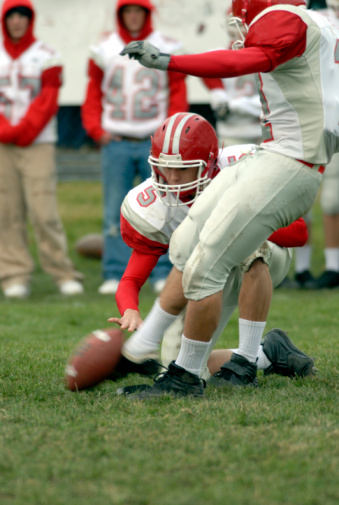
Every year, millions of teenagers participate in high school sports. An injury to a high school athlete and the pressure to play can lead to decisions that may lead to additional injury with long-term effects. High school sports injuries can cause problems that require surgery as an adult, and may lead to arthritis later in life.

When a sports injury occurs, it is important to quickly seek proper treatment. To ensure the best possible recovery, athletes, coaches, and parents must follow safe guidelines for returning to the game.

Teenage athletes are injured at about the same rate as professional athletes, but because high school athletes are often still growing they are more susceptible to muscle, tendon, and growth plate injuries.

Types of High School Sports Injuries

Injuries among young athletes fall into two basic categories: overuse injuries and acute injuries. Both types include injuries to the soft tissues (muscles and ligaments) and bones.

Acute Injuries
Acute injuries are caused by a sudden trauma. Examples of trauma include collisions with obstacles on the field or between players. Common acute injuries among young athletes include contusions (bruises), sprains (a partial or complete tear of a ligament), strains (a partial or complete tear of a muscle or tendon), and fractures.

Overuse Injuries
Not all injuries are caused by a single, sudden twist, fall, or collision. Overuse injuries occur gradually over time, when an athletic activity is repeated so often, parts of the body do not have enough time to heal between playing.

Overuse injuries can affect muscles, ligaments, tendons, bones, and growth plates. For example, overhand pitching in baseball can be associated with injuries to the elbow. Swimming is often associated with injuries to the shoulder. Gymnastics and cheerleading are two common activities associated with injuries to the wrist and elbow.

Stress fractures are another common overuse injury in young athletes. Bone is in a constant state of turnover—a process called remodeling. New bone develops and replaces older bone. If an athlete’s activity is too great, the breakdown of older bone occurs rapidly, and the body cannot make new bone fast enough to replace it. As a result, the bone is weakened and stress fractures can occur—most often in the shinbone and bones of the feet.

Concussion
Concussions are mild traumatic brain injuries. They are caused by a blow to the head or body that results in the brain moving rapidly back and forth inside the skull.

Although some sports have higher instances of concussion—such as football, ice hockey, and soccer—concussions can happen in any sport or recreational activity.


Growth Plate Injuries

Growth plates are areas of developing cartilage tissue near the ends of long bones. When a child becomes full-grown, the growth plates harden into solid bone.

Because growth plates are the last portion of bones to harden (ossify), they are vulnerable to fracture. Growth plates regulate and help determine the length and shape of adult bone, therefore, injuries to the growth plate can result in disturbances to bone growth and bone deformity.

Growth plate injuries occur most often in contact sports like football or basketball and in high impact sports like gymnastics.

ThinkstockPhotos-90911121

Treatment

Treatment will depend upon the severity of the injury, and may include a combination of physical therapy, strengthening exercises, and bracing. More serious injuries may require surgery.

Return to Play

A player’s injury must be completely healed before he or she returns to sports activity.

In case of a joint problem, the player must have no pain, no swelling, full range of motion, and normal strength.
In case of concussion, the player must have no symptoms at rest or with exercise, and should be cleared by the appropriate medical provider.

Prevention
Many high school sports injuries can be prevented through proper conditioning, training, and equipment.

High school athletes require sport specific training to prevent injury. Many injuries can be prevented with regular conditioning that begins prior to the formal sports season. Injuries often occur when athletes suddenly increase the duration, intensity, or frequency of their activity. Young athletes who are out of shape at the start of the season should gradually increase activity levels and slowly build back up to a higher fitness level.

Using proper technique for the position being played is also key to preventing injury. Proper equipment—from the right shoes to safety gear—is essential. In addition, injuries can be prevented when athletes understand and follow the rules of the game, and display good sportsmanship.

Information provided by American Academy of Orthopaedic Surgeons

Back to School Nutrition

Back to School Nutrition

Back to School Nutrition

It’s almost time for school to start, and we wanted to spend some time on Back to School nutrition! We have made it through most of the summer and it is time to take a moment and really think about how we would like to prepare our families for this coming school year so that we can all stay healthy. Most of us get excited about the barbeques and the summer parties where we usually eat burgers, fried chicken, French fries, pizza, potato salad, and that yummy barbeque brisket! But believe it or not, these foods are harder to digest during the summer because they require a strong digestive fire in the stomach and are naturally more insulating-which makes them perfect foods to eat come fall or wintertime!

Every season, the qualities in nature change, and the qualities of the harvest change, which both influence everyone of us. In the winter, we are naturally more able to digest meat, poultry, dense root vegetables, and nuts when our digestive strength is naturally more potent. In the summertime, our body’s digestive strength is weaker, and its digestive acid reduces in the summer, which helps to avoid the risk of overheating. This might seem like a problem, but in comes Nature. It harvests certain fruits and vegetables in abundance during the summertime that are readily available and don’t require a big furnace to be properly cooked and digested. Summer foods are cooked all summer long by the sun, on the vine, and when they are harvested, they are ready to be eaten to keep us energized.

If you or a loved one is feeling a bit boggy or bloated, with a bit of weight gain, indigestion, or is constipated, it might be because the body tends to accumulate the heat of the summer, therefore, weakening digestive strength. Overworking and overheating can trigger heartburn and other digestive issues related to excess stomach acid production. Eating cooling foods that are harvested in the summer can help with this. Extra servings of raw or lightly steamed vegetables and eating fruits will help you cool down naturally.

Here are some examples:

  • Cherries: support the health of joints, muscles, the cardiovascular system, lymphatic movement, and blood sugar balance through its high phenolic and anthocyanin content, also found to enhance exercise during and after by achieving quicker recovery times
  • Celery: a powerhouse for your digestive system, which is full of fiber and rich in antioxidants that have been shown to remove free radicals and help to eliminate the bile sludge and gallbladder stones that might be causing inflammation, heartburn, acid reflux, and weight gain
  • Cilantro: is a good source of Vitamins A, K, and C, as well as copper, manganese, iron, magnesium, and calcium. Cilantro is also known as a natural blood purifier and detox agent (lead detoxifier), which will aid in inflammatory conditions such as arthritis
  • Watermelon: stacks up as 92% water and is very cooling by nature by removing heat because of its mild diuretic properties, and is known to have great anti-inflammatory and antioxidant properties. Athletes use it to build muscle because of its exceptionally high source of citrulline, which is used in the body as a precursor to human growth hormone (HGH)
  • Bell Peppers(All Colors): as a vegetable, it contains the highest source of Vitamin C at a whopping 157% DV(Daily Value) per cup, offers great amounts of phytonutrients such as beta-carotene and Vitamin B6, which are all great for protecting your skin from sun damage

Consider these tips if your digestion slows down as summer forges on:

If you are going to enjoy those yummy harder-to-digest foods, have them as a part of your lunch, during the middle of the day, when your body’s digestive strength is at its peak
While it IS OK to eat these foods at this time, do your best to eat smaller portions of the barbeque and larger portions of fruit and vegetables.

Take a look at the list of foods below that are in season during the summer, add them to your grocery list, and make it a point to eat more of them!

Remember, there are no bad foods. The goal is not to stay away from “bad foods” but to enjoy more seasonal foods by shifting your focus to in-season foods throughout the year. Nature always provides the antidote to the extreme of each season with the ideal harvest to keep you and your family strong, healthy, energized, and focused this school year. Now more than ever, our health is at the forefront of our minds, where it should be!

What Should You Eat When You’re On The Go?

If you’re getting back to a busy after-school schedule and the only option for dinner is on-the-go, we’ve put together a list of healthier fast food choices.

Summer Grocery List/Summer Harvest Foods:

Source: lifespa.com/pitta-diet

Vegetables/Fruit

  • Asparagus
  • Leafy Greens
  • Bell Peppers
  • Watermelon
  • Apricots
  • Apples
  • Broccoli
  • Cabbage
  • Cauliflower
  • Blueberries
  • Cantaloupe
  • Cherries
  • Celery
  • Cilantro
  • Kale
  • Radishes
  • Grapes
  • Guavas
  • Mangoes
  • Melon (All types)
  • Snow Peas
  • Watercress
  • Zucchini
  • Okra
  • Artichokes
  • Cucumbers
  • Jicama
  • Lettuce
  • Peaches
  • Pineapple
  • Plums
  • Raspberries
  • Strawberries
  • Avocadoes
  • Tomatoes
  • Lemons

Need to have a physical injury looked at before going back to school? Reach out to one of our partnering physical therapy clinics.

physical therapy near me

Article was written by Vanessa Delgado. Vanessa is a nutrition enthusiast who is currently pursuing her Bachelor of Science degree in Human Nutrition and Foods at the University of Houston

Resources:

https://lifespa.com/superfoods-summer-edition/
https://pubmed.ncbi.nlm.nih.gov/22280223/
https://pubmed.ncbi.nlm.nih.gov/15219719/
https://www.ncbi.nlm.nih.gov/pmc/articles/PMC2874510/
https://pubmed.ncbi.nlm.nih.gov/23692746/
https://lifespa.com/why-you-should-eat-cherries-in-the-summer/
https://lifespa.com/8-foods-gallbladder-sludge/
https://explore.globalhealing.com/foods-that-help-heartburn/
https://lifespa.com/the-benefits-of-cilantro-and-coriander/
http://www.whfoods.com/genpage.php?tname=foodspice&dbid=14
http://www.whfoods.com/genpage.php?tname=foodspice&dbid=31
https://lifespa.com/064-cool-your-pitta-this-summer/ 
http://www.whfoods.com/genpage.php?tname=foodspice&dbid=50 

Vacation During Physical Therapy

Going on Vacation During Physical Therapy

Vacation During Physical Therapy

For most of us, vacation equals relaxation, catching up with loved ones, or even some much-needed fun in the sun. We all deserve a break from time to time from our work schedules and daily tasks, and going on vacation during physical therapy this time of year isn’t uncommon. However, missing a few exercises between physical therapy visits can run the risk of losing some of your hard-earned progress. With just a little forethought and planning, you can stay active and healthy throughout your trip. If you are going on vacation during your rehabilitation program, here are a few key things you can do.

If you’re going on vacation during physical therapy the first thing you should do is talk to your physical therapist about a home exercise plan (HEP) that you can take with you so you’ll know exactly what you can do while you are away. Then, take a look at your itinerary and see what time you’ll have available for your exercise program. By planning ahead you’ll be more likely to follow through.

Second, plan times during your trip when you can do your HEP. It can be ideal to fit your routine first thing in the morning so you don’t have to worry about it the entire day. Lunchtime is another good option since it’s when your body is naturally most active. Making use of your breaks instead of a set time each day can also work.

Whether flying or driving, you’re likely going to be doing a lot of sitting and waiting at the beginning and end of your trip, which is a great time to get those exercises in. Also, try to take advantage of breaks during your vacation whether you’re…

  • Waiting for an uber
  • About to start a tour
  • Getting ready to eat
  • In a longer-than-it-should-be theme park line

Taking just a few minutes throughout the day to do some stretching and the prescribed exercises will help keep you from losing all those hard-fought gains you worked on with your physical therapist.

Finally, if you’ve had a major injury or are recovering from surgery, ask your physical therapist for advice on how to prevent re-injury while you are away from the clinic. By listening to your physical therapist, sticking to your home exercise plan, and avoiding situations that could increase your pain/injury, you should be able to have an amazing vacation full of fun!

If you are experiencing pain or loss of motion, we highly recommend you see one of our licensed and very talented physical therapists before going on vacation. Even if you haven’t started treatment yet, we can give you ways to keep from reinjuring your body further and get you on the schedule for your return.

physical therapy near me

PT News PTandMe

PT News June 2021

PT News PTandMe

This time in PT News we recap what our clinics have been posting throughout June 2021. We are excited to bring you current physical therapy-based posts featuring published articles from PTandMe partnering clinics!

Beach Activities

1. Our Top 10 Beach Activities

Written by The Jackson Clinics with multiple locations throughout Northern, VA.

Summer is here and, despite the cicadas and lack of a proper Spring season, it’s time to get out and enjoy the sun. We asked our team to share their favorite beach activities. From building sandcastles to creating fantastic smoothies, our Top 10 list delivers fun and affordable activities for the whole family!  Read more


2. Managing Return to Work Aches and Pains

Written by The Center for Physical Rehabilitation, an outpatient physical therapy practice with locations serving Greater Grand Rapids, MI. 

Over the past several months, many people have experienced an extended time away from work due to the covid-19 pandemic but recently employees have gradually begun returning to their regular work routine. As we return to our places of employment and re-adjust to the physical demands of our jobs, we undoubtedly will experience an onset of aches and pains. Thankfully a majority of these aches and pains will resolve on their own or with some basic interventions.  Read more


Frozen Shoulder Physical Therapy

3. 5 Keys to Treating a Frozen Shoulder

Written by Wright Physical Therapy, an outpatient physical therapy group with locations throughout ID. 

We explore the meaning of stiff shoulder as it refers to a sub-optimal range of motion for performance that is physically and, at times, mentally debilitating. The lack of motion from a stiff shoulder can have a significant impact on daily living, vocation, and recreation. There are 5 key principles for treating the “frozen” shoulder. These apply to all shoulders which lack range of motion, regardless of the particular diagnosis.  Read more

We hope you enjoyed our picks for the PT News June 2021 edition.

Find these locations and others to start feeling better today!

physical therapy near me

Four Exercises you can do at Home

Four Exercises You Can Do at Home While Watching TV

Four Exercises you can do at Home While Watching TV

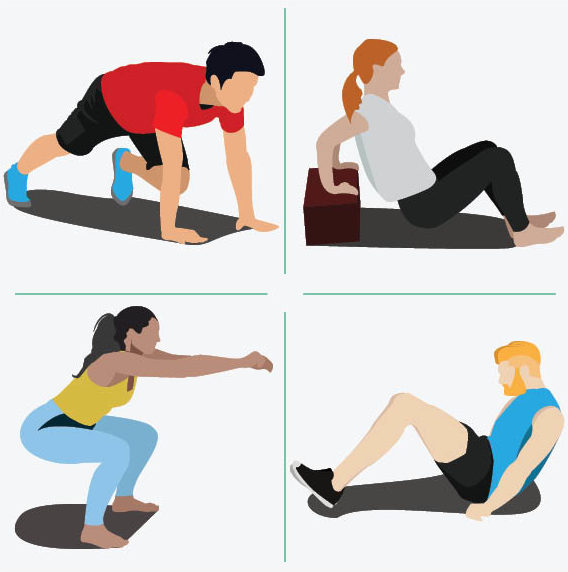
Watching television can be a fun way to spend a night at home, especially when there are so many great shows to choose from. Many conversations now start with, “Did you watch that new show on Netflix?” While it is fun to binge-watch a television show, sitting for long periods can be detrimental to your health. Fear not – we have 4 Exercises you can do at home while watching TV

Here are some exercises you can do while enjoying a good show!

  • Sit-To-Stand
  • Leg Figure Eights
  • Elevated Mountain Climbers
  • Tricep Dips

Exercises You Can do At Home While Watching TV

Need help getting started? These exercises will not work for everyone and should not be done if you are experiencing pain. An on-site or telehealth visit with a physical therapist can show you the safe way to exercise, the right number of repetitions, and how to progress the exercises correctly. Remember that all bodies are a little different; physical therapists can teach what is right for YOU!

physical therapy near me

Looking for more?

Check out our recent blog on stretches you can do at work!

Stretches you can do at work

5 Ways to Overcome Stress at Work

There is a close relationship between health and productivity. It is important to raise awareness about employee’s well-being as we celebrate National Employee Wellness Month. Many of the most effective stress control mechanisms are surprisingly physical in nature.  Encouraging them in the workplace can have a positive impact on the health and productivity of workers.

So how do we overcome stress? What can we do NOW, to help keep our mental health strong?

Here are a few ways to overcome stress and put a positive spin on your day and minimize stress levels:

  • Take Deep Breaths for an easy 3-5 minute exercise, sit up in a chair with your feet flat on the floor and hands on top of your knees. Breathe in and out slowly and deeply. Deep breathing oxygenates your blood.
  • Exercise causes your body to release endorphins and it helps clear the mind. Get up, and walk for a few minutes. If you can’t leave your desk, stretch! Stretching is a therapeutic exercise.
  • Eat Right and avoid sugary, fatty snack foods. Fruits and vegetables are always a good healthy option. Keep several at your desk and enjoy them.
  • Listen to Music, playing calm music has a positive effect on the brain and body. If you are feeling overwhelmed, take a small break and listen to your favorite tune. One recommendation is listening to ocean or nature sounds.
  • Schedule Time with family or friends to combat stress and/or loneliness by calling or meeting them after work. Schedule a group lunch outing or zoom with coworkers and have it on your calendar as something to look forward to.

The physical consequences of unattended stress can be far-reaching and, at some point, become more permanent than chronic. Chronic, non-traumatic pain typically does not require surgery, but it does require the skills of an experienced physical therapist to evaluate and treat the root of the problem. FIND A PT today and schedule an appointment!

physical therapy near me

REFERENCES:www.healthsearch.com, healthline.com, helpguide.org, and article by Elizabeth Scott, M.S., About.com Guide
www.corporatewellnessmagazine.com/article/june-is-national-employee-wellness-month

Top 5 Benefits of Cross Training

Top 5 Benefits of Cross-Training

Top 5 Benefits of Cross Training

We’ve all had exercise ruts: Our weight loss stalls, our strength seems at a standstill, and every workout feels like misery. If that’s happened to you, there’s something that your body might be trying to tell you: cross-train.

All athletes have physical specialties, and as a result, they tend to focus on and train the major muscle groups that are used primarily in their specific sport. Cross-training helps to create muscle confusion, which combats boredom and exercise plateaus. What it involves is adding in a new-to-you exercise sequence, or a faster or unusual workout type, to keep your body on alert for responsiveness and adaptation.

TOP 5 Benefits of Cross-Training

  • Decreased Risk of Injury
    Through cross-training, an athlete is less likely to get an overuse injury. Instead of overusing the same joints over and over, cross-training allows athletes to employ a variety of muscle groups.
  • Better Aerobic Capacity
    Limiting an athlete to one activity can cause burn-out. By doing different exercises, they are instead able to switch to new activities when a body part feels sore. For example, if you are a runner with shin pain, you can stop running and do swimming, rowing, or other non-impact activity, allowing you to continue to work on your stamina.
  • Increase in Overall Strength
    Research has shown that strength training can increase overall performance. By increasing strength, athletes can run faster, throw harder, and jump higher. For instance, weightlifting can increase performance more than just simply practicing certain skills.
  • Develop Dynamic Flexibility
    By working out multiple muscle groups, athletes can develop much greater dynamic flexibility than when you focus on one area of the body. New muscles, joints, and ligaments are “warmed up” and lengthened by trying new exercises or activities.
  • Aid in Healing
    In some cases, cross-training can allow the body to recuperate faster from injury; this is because other exercises can directly improve the condition caused by regular activity. Using alternative exercises allows the body to heal and in many cases will also help stretch and strengthen parts of the body that are in pain.

Physical therapists work with athletes to improve performance, prevent injuries, and aid in recovery.  If you are in pain or are looking for ways to improve in your sport find a physical therapy clinic near you!

physical therapy near me

This article was written by the rehabilitation team at  The Center for Physical Rehabilitation – with locations throughout greater Grand Rapids, MI.

PT News PTandMe

PT News April 2021

PT News PTandMe

This time in PT News we recap what our clinics have been posting throughout April 2021. We are excited to bring you current physical therapy-based posts featuring published articles from PTandMe partnering clinics!

1. Physical Therapy Can Relieve Your Arthritis Pain in These 4 Ways

Written by Cornerstone Physical Therapy with multiple locations throughout Ohio.

Physical therapy is one of the highest-rated treatments for arthritis pain. While so many people think of physical therapy as a treatment for following an injury or after a devastating health condition like a heart attack or stroke, utilizing physical therapy for arthritis pain is both highly effective and recommended.  Read more


2. What is Proprioception Injury Prevention?

Written by O.S.R. Physical Therapy, an outpatient physical therapy practice with 4 locations in Minneapolis. 

Proprioception injury prevention is simply using your body’s sense of orientation to prevent an injury. Thinking about how you’re moving, what’s around you, and your position can help you stay clear of acute injuries. Acute sports injuries are some of the most painful injuries for an athlete. An injury is physically painful. But, it can also be emotionally painful as you’re sidelined for days and even months until you recover.  Read more


ACL Soccer Knee

3. Second ACL Tear 7 Times More Likely in Young Athletes

Written by Custom Physical Therapy, an outpatient physical therapy group with 3 locations near Reno, NV.

If you return to knee-strenuous sporting activities (e.g. soccer, volleyball) within 9 months of your ACL reconstruction and you are 25 years old or younger, you are 7 times more likely to sustain a second ACL tear! Those who returned to their sport 12 months after surgery fared substantially better.  Read more

We hope you enjoyed our picks for the PT News April 2021 edition.

Find these locations and others to start feeling better today!

physical therapy near me

posture causes neck pain

Posture is a leading cause of Neck Pain.

posture causes neck pain

Neck pain is a common problem among adults and with the help of smartphones and tablets, is becoming more frequent among young adults.  Studies have shown that the incidence of neck pain is increasing making it second only to low back pain in worker’s compensation costs.  Seventy percent of adults will experience this form of pain in their lifetime and over fifty percent of adults have experienced it in the last six months.  Symptoms of cervical dysfunction may include dizziness and headaches as well. It may be a result of trauma, stress, poor posture, static or repetitive movements.

Physical therapy can be effective in treating many types of neck pain.  The combination of modalities, manual therapy, and exercise, as well as postural and ergonomic correction, is proven to provide the best long-term results. It’s also important to look at the whole body for postural issues as well as movement disorders that could cause increased stress on the neck. Chronic pain may be from altered patterns of muscle activation with upper extremity use, resulting in the increased use of the accessory muscles.  The increased use of these muscles along with the decreased use of the neck flexors can lead to decreased ability for neck stabilization which can result in pain, headaches or dizziness.

Physical therapists can design a specific program to restore alignment and muscular stabilization, resulting in decreased pain. Range of motion and posture can be improved with cervical and scapular strengthening exercises, which are an integral part of any physical therapy program for the neck. However, no physical therapy program for neck pain is complete without patient education. This includes a home exercise program along with the postural and ergonomic correction. This is specific to each patient and also encompasses all aspects of life including sleeping, work, and recreation.

See if your posture may be contributing to your neck pain.

Posture IQ Quiz

1. When you’re sitting at the computer are you:

A. Leaning into the computer with your head closest to the screen?

B. Sitting upright with your back to the office chair?

2. Is your keyboard:

A. Positioned in the middle of the desk (forcing you into a reach)?

B. Directly in front of you at the edge of your desk?

3. Is your computer screen:

A. At an angle or tilted

B. At eye level, directly in front of you

4. When driving, can you feel your head against the headrest?

A. No, I’m leaned forward looking out the windshield

B. Yes, and I use the lumbar support feature in my car


If you answered A to 2 or more questions, you’re most likely going to suffer from posture-related symptoms throughout your life.
If you answered B to most questions, you’ve got an excellent posture IQ and will save yourself years of potential back, neck, and shoulder pain.
(Quiz provided by Life Fitness Physical Therapy  – Ellicott City, MD)

physical therapy near me

More information you may find helpful:

text neck   office ergonomics