Category Archives: Blog

physical therapy telehealth

Now Providing Online Physical & Occupational Therapy Care

physical therapy telehealth

Our partnering clinics are now providing physical and/or occupational therapy care!

There are now two ways to help patients recover from injury:

  • In Person:We are still open and welcoming patients to receive the care they need in our clinic. Click here for more information about the precautions we are taking in the clinics to keep you safe.
  • Online Through Telehealth: Our partnering therapists can still complete a visit for patients that are unable to make it into the clinic.  They will use both VIDEO and AUDIO so that they can have two way communication during these physical and/or occupational therapy visits.

In order to make your telehealth appointment a success, here are the things you will need access to: 

  • Internet access
  • A device with a camera (computer, phone, tablet) that has access to email
  • Space to exercise

online physical therapy

For more information about online physical and occupational therapy services please contact your clinic directly.

physical therapy near me

*Not all locations may be set-up for online appointments. 

PT News PTandMe

PT News November 2020

PT News PTandMe

This time in PT News we recap what our clinics have been posting throughout October & November 2020. We are excited to bring you current physical therapy based posts featuring published articles from PTandMe partnering clinics!

Holiday Home Exercise Program

1. 15 Minute Holiday Home Exercise Program

Created by Mishock Physical Therapy with 7 Convenient locations throughout Montgomery, Berks, and Chester Counties.

The goal of the Mishock Physical Therapy Holiday Home Exercise program is to promote the development of the individual’s ability to become strong in fundamental movement patterns (relative maximum strength) that are critical to improving function and preventing injury. The scientifically based program trains the body’s major muscle groups by focusing on the core, upper, and lower body strength through fundamental movement patterns. Read more


Stretching

2. 9 Ways Stretching Can Improve your Health and Wellness

Written by Cornerstone Physical Therapy, an outpatient physical therapy practice with multiple locations throughout Ohio. 

Is stretching part of your daily life? If not, it should be. Stretching is a great way to start your day and it comes with a wide range of benefits. Don’t know where to start? Don’t fret! Our licensed physical therapists can help you create a stretching plan that will work best for you. To find out more about how daily stretches and improve your quality of life! Read more


breast cancer physical therapy

3. Recovery During and After Cancer Treatment: A Therapist’s Role

Written by Rebound Physical Therapy, an outpatient physical therapy group in Bend, OR, and surrounding areas.

October is Breast Cancer Awareness Month and it also is National Physical Therapy Month. As a physical therapist and certified lymphedema therapist, I am very passionate about working with patients during their journey with breast cancer.   Physical therapists (and occupational therapists) play an important role in the recovery after breast cancer treatments.  These treatments can include surgery, chemotherapy, and radiation therapy.  Patients can experience side effects from treatments that can impact their daily lives.  Read more


Find these locations and others to start feeling better today!

physical therapy near me

Your Health is Our Top Priority

Updated 6/24/2020

Preventing the Spread of Illness

Due to the emergence of COVID-19 we are taking necessary precautions to prevent the spread of this virus and encouraging everyone to take action to stay healthy. While we are all changing our daily routines during this global health crisis, we want to let you know that our doors are still open, and will remain open unless we are told otherwise by our governmental leaders.

We have considered the question of whether or not to stay open from an ethical perspective. The question pertains to whether or not we, as private practice business owners, are contributing to the rise of the infection curve, versus supporting the flattening of it, by remaining open to see our patients.

We want to share that a memorandum was issued on March 19, 2020 by the U.S. Department of Homeland Security which states:

“If you work in a critical infrastructure industry, as defined by the Department of Homeland Security, such as healthcare services and pharmaceutical and food supply, you have a special responsibility to maintain your normal work schedule.”

The guidance goes on to further define the “essential infrastructure workers” to include “physical and occupational therapists and assistants”. Their advice to our industry is to strive to stay open and treat the patient population during this pandemic. Therefore, we believe that it is our duty to try to meet this guidance and continue to care for our patients’ physical and occupational therapy needs during this time of crisis.

Since our clinics and its staff are included in the specific definition of “essential” healthcare businesses that should strive to stay open and care for patients, we intend to do just that. We are able to practice within the recommended CDC guidelines and we are following local government mandates. We are here to assist in keeping people healthy; physical and occupational therapists are essential in flattening the curve of the COVID-19 pandemic. We play a key role in keeping people we can help out of physician offices and hospitals. This will not only free up the medical teams to treat those impacted by COVID-19, but also limit the exposure of those seeking care for treatment that a physical or occupational therapist can provide. For those patients who do not need surgery at this time, or if surgery has been delayed, we are here and ready to help get you better.

There is currently no vaccine to prevent COVID-19 infection. The best way to prevent infection is to avoid being exposed to this virus.

Here are the steps we are taking to help to prevent infection and the spread of the virus.

  • Daily screens of all patients, visitors, and employees for COVID-19 symptoms.
  • All employees are wearing face coverings.
  • After each patient encounter, we are washing our hands with soap and water, or using an alcohol-based hand sanitizer that contains at least 60% alcohol.
  • We are routinely cleaning and disinfecting frequently touched objects and surfaces such as mats, treatment tables, exercise equipment, computer keyboards and mouse, pens, phones, light switches, door handles, faucets, etc.
  • We are requiring a minimum of a 6-foot space between all patients and employees whenever possible, except to the extent necessary to provide services

Face Coverings:

  • All patients, employees, and visitors are expected to wear a face-covering at all times when in our clinics and offices unless a reasonable exception applies.
  • For those persons that are unable to wear a face-covering due to health, safety, security risk, or personal reasons, please contact your therapist to discuss Telehealth.
  • Wearing a face covering is not a substitute for maintaining 6-feet social distancing and hand washing, as these working together remain important steps to slowing the spread of the virus.

How you can help us maintain a safe environment for yourself and our patients.

  • Please take a minute to wash your hands or use hand sanitizer when you first walk inside.
  • It is allergies season. When coughing and sneezing, cover mouth and nose with flexed elbow or tissue – discard tissue immediately into a closed bin.
  • Avoid touching your eyes, nose, and mouth with unwashed hands.
  • If you have symptoms of any respiratory infection with no fever (e.g., cough, runny nose) please call ahead to reschedule your appointment or a telehealth visit, if appropriate.
  • If you have a fever, please refrain from coming to the clinic until you have been fever-free for 3 days.

More information about the coronavirus can be found on the CDC’s website. If you have any questions or would like to speak with us directly, please don’t hesitate to call any of our locations.

physical therapy near me

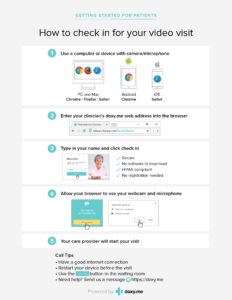
Many of our locations are now offering a Telehealth option for patients who are not able to make it in the clinic. More information about Online Physical Therapy Sessions.

Physical Therapy for Post Intensive Care Syndrome

Physical Therapy for Post Intensive Care Syndrome

Physical Therapy for Post Intensive Care Syndrome

In regards to COVID, as a country, we have been uniquely focused on infection and survival rates. States and school districts have set up dashboards to help keep everyone informed as much as possible. News sources are still providing regular updates. Very little, however, is said about the quality of life that COVID patients have if they spent prolonged periods in an Intensive Care Unit (ICU). Did you know that around 70% of ICU patients that are released suffer from neuromuscular deficits and weakness? These are all symptoms of Post Intensive Care Syndrome (PICS).  PICS is described by the Cleveland Clinic, as a collection of physical, mental, and emotional symptoms that continue to persist after a patient leaves the ICU.

Physical complications include impairments in: 

  • Muscle strength
  • Mobility
  • Pulmonary function
  • Pain 
  • Gait speed
  • Balance
  • Activities of Daily Living (ADL)

As physical and occupational therapists, we are uniquely prepared to help patients who have required a hospital stay, admission to the ICU, and often ventilation during their COVID-19 treatment. 

What to Expect During Physical Therapy for Post Intensive Care Syndrome 

Patient interview screening questions for COVID will help your team identify yellow flags, which may indicate the patient is at risk for additional physical limitations, cognitive deficits, and biopsychosocial aftermath. Physical and occupational therapists can combat these issues by providing individualized treatments programs that may include: 

  • A progressive strengthening exercise program 
  • Functional activities/ADL training 
  • ROM, flexibility exercises, manual therapy techniques 
  • A graded aerobic conditioning program 
  • Gait training program
  • Pain Neuroscience Education (PNE) including relaxation training, ADL pacing, sleep hygiene
  • Neuromuscular re-education/proprioceptive training
  • Patient education & aftercare wellness programs

Physical Therapy for Post Intensive Care Syndrome can help post-COVID patients get back into their daily routines and activities. Patients that have trouble or feel uncomfortable going into the clinic have the option to receive care virtually through Telehealth. As caregivers, the main goal is to help patients recover in the setting that best suits their needs. If you need help, please don’t hesitate to reach out to one of our licensed physical therapists.

physical therapy near me

PT News PTandMe

PT News September 2020

PT News PTandMe

This time in PT News we recap what our clinics have been posting throughout September 2020. We are excited to bring you current physical therapy based posts featuring published articles from PTandMe partnering clinics!

1. Virtual Total Body Fitness Workout

Created by The Center for Physical Rehabilitation with locations throughout Greater Grand Rapids, MI.

This bodyweight-only class is sure to get your heart rate up and muscles burning! With modifications available to increase or decrease the intensity, this exercise circuit is great for everyone! Not ready to resume in-person classes? No problem! Check out this Virtual Fitness Class options here! Read more


2. Excercise Improves Learning

Written by The Jackson Clinics, an outpatient physical therapy practice with multiple locations throughout Northern Virginia. 

Due to the COVID-19 pandemic, e-learning platforms have quickly become how many children will learn this Fall. As a result, our kids will experience a sharp jump in their screen time. Now, more than ever, we need to help to counteract this rise in sedentary time with some good old fashioned exercise and playtime!  Read more


3. Minimizing Opioid Use Through Physical Therapy

Written by Wright Physical Therapy, an outpatient physical and hand therapy practice with locations throughout Southern, ID.

Chronic pain affects nearly one-third of the American population and is, more often than not, disabling. The assurance of repose can sound promising no matter which pain relief option is presented, even if the option is the introduction of habit-forming prescription medications. Despite the daunting stats, there is great news! Physical therapy (PT) is powerful as a highly recommended alternative to the use of dangerous and addictive pain medications.  Read more

Find these locations and others to start feeling better today!

physical therapy near me

improve posture at work

Improve Your Posture at Work

improve posture at work

Postural muscles are used to prevent the forces of gravity from pushing us forward, help us maintain balance, and allow us to move effectively and efficiently. Poor posture, which can be caused by tight or weak muscles, stress, incorrect body positioning, obesity, and wearing uncomfortable shoes, puts a strain on the body and can lead to adverse health effects.

Given the potential risks of poor posture, it’s critical to understand how to improve your posture. Improved posture has been shown to improve mood, boost productivity, and reduce the risk of injury. By learning how to correctly position your body and working on strengthening relevant muscle groups, you can have a positive impact on your overall health and wellbeing.

The infographic below from the University of St. Augustine for Health Sciences highlights how to improve posture at work, whether you spend the majority of your day sitting, standing, driving, or lifting objects, and offers exercises and stretches to help strengthen postural muscles and relieve pain.

As physical and occupational therapists we have the skills to help improve your poster and evaluate your workstation. For more information find a talented team of rehabilitation specialists near you!
physical therapy near me

improve posture at work

Created by the team at usa.edu

prevent sports shoulder injuries

Tips to Prevent Sports Shoulder Injuries

prevent sports shoulder injuries

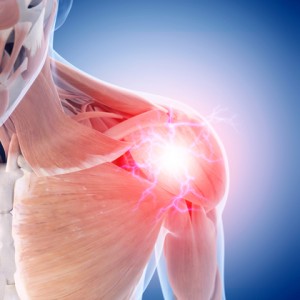
If you have injured your shoulder with a fracture, strain, or a sprain, you need to rehab safely to take care of the muscles, tendons, and ligaments. We usually injure our shoulders through either overuse, wear and tear of joints, trauma, or a false movement.

Common shoulder injuries include:

  • Bursitis
  • Frozen shoulder
  • Torn rotator cuff
  • Fracture
  • Dislocation
  • Impingement
  • Arthritis


Strengthening the Shoulder Muscles

The best way to avoid shoulder pain is to reduce the risk of an injury from happening. This can be done by working with your shoulder muscles to increase range-of-motion while building joint strength. As you work to strengthen your shoulder start slow and make sure to rest between practices.

If you are experiencing shoulder pain, speak to a health care professional for modified exercises. 
 

Here are some exercises that can help get lessen mild shoulder pain and prevent an injury from occurring.


1. External rotation with retraction
This exercise uses a gentle resistance band arm workout to help your shoulder.

  • Stand with your feet hip-width apart.
  • Take a long resistance band in both hands.
  • Have your elbows at your side (bent about 90 degrees) with your palms facing up.
  • Now gently move your forearms out to the side, about 6 to 8 inches.
  • Squeeze your shoulder blades together as best you can. Your forearms will move out a little bit further.
  • Hold in this position for a short pause, then return to your starting position.


2. Side-lying external rotation

  • Lie down on your side on a mat, with your weight on your elbow if you wish.
  • Place a rolled-up towel underneath your top arm (bent) to rest between your arm and your hip.
  • Hold a small weight (1/2kg – 2 kg depending on your size and strength) in your hand.
  • Start with the weight on the floor in front of your body, and rotate your arm slowly from the elbow.
  • Your hand should come up so that your lower arm is almost perpendicular to your body. Don’t go too far, as that will put stress on your shoulder.
  • Gently bring your hand back down, and repeat. Do this exercise slowly.


3. Shoulder abduction with anchored resistance
This exercise uses a resistance band anchored under your feet

  • Hold the band in your hand, thumb facing up
  • Lift your arm straight out to the side to shoulder height, and lower it back down.
  • Slowly return to the starting position and repeat for up to 10 reps
  • Switch arms and repeat


4. Bilateral shoulder extension
For this exercise, grab your long resistance band and stand with your feet hip-distance apart.

  • Pass the resistance band around the net post, or if you’re doing this at home, around a pillar or another stationary object at hip height.
  • Position yourself far enough away from the anchor point that there is tension in the band.
  • Hold one end the resistance band in your hands with your palms facing up, and your thumbs rotated outward.
  • Keeping a tight hold of the resistance band, bring your arms back (keep them straight) until it is against your side.
  • Bring your shoulder back and squeeze your shoulder blades together.


When is it time to get help?

Shortly after an injury or pain, you should start with the first steps of recovery rest, ice, and protection. If your shoulder pain doesn’t subside, a physical therapist can help guide you through a treatment plan tailored specifically to your needs. If you experience pain while doing an exercise program, stop immediately, and consult your healthcare provider.

physical therapy near me

physical therapy benefits pregnant women

5 Ways Physical Therapy During Pregnancy Benefits Women

physical therapy during pregnancy benefits women: Ways physical therapy during pregnancy benefits women

Pregnancy is a wonderful process, but as part of the process, women endure many physiological changes, including an intense physical strain that can lead to discomfort and pain in certain parts of the body.

Most people associate physical therapy with patients that have suffered severe injuries from an accident. But they are not the only ones in need of it. Proper therapy is also fantastic for helping expectant mothers prepare for labor as well as remedying common discomforts associated with this special time. Since labor and delivery can be tedious, the need to prepare the body for the challenge should not be overlooked.

If you’re pregnant, don’t wait until the pain or other issues associated with pregnancy becomes unbearable before seeking help. Here, the PTandMe team takes a look at some of the reasons to consider physical therapy during this unique part of your life.

1. Lower back pain relief

The fact that there is new life forming inside a woman forces her body to change in wonderful ways that in turn leads to bouts of discomfort and even pain. Her center of gravity changes as the baby increases in size, leaving her struggling to maintain balance, especially while standing. The muscles of a woman’s bodywork to continuously provide support.

The alignment of a pregnant woman’s spine is eventually affected too, straining the back, shoulder, and neck muscles. If these changes go unchecked, many pregnant women develop lower back and/or SI pain. A recent study has shown that pregnant women with lower back or SI pain felt better with physical therapy. Physical therapy during the prenatal period helps manage these new aches and pains, thereby improving the quality of life.

2. The right choice of exercises

During pregnancy, women struggle with joint and spinal alignment, posture, muscle strength, weight gain, and nerve involvement. This could eventually lead to stress and fatigue, with a reduced willingness to participate in physical activity.

However, a physical therapist can recommend targeted exercises that increase muscle strength, easing the discomfort during pregnancy and after delivery.
Better still, the majority of these exercises are ones that can be performed at home without having to visit a gym. With improved metabolism and endurance, women are in better shape to drop some pounds after pregnancy – if that’s something they would like to do.

3. Ease other pregnancy complications

There are hormones released in the body during pregnancy that helps pregnant women adapt to their new reality. As these changes continue, women tend to struggle with other issues like nausea, heartburn, abdominal pain, and urinary problems, as well as musculoskeletal problems. Urinary issues typically involve difficulty in controlling the bladder due to the stretched pelvic floor muscles.

The right sleeping posture and a quality mattress can help with easing pregnancy pains and woes. Many experts advise placing a pillow between your legs and behind your back or investing in a wedge pillow. Similarly, if you are struggling to get precious zzz’s in bed, try sleeping in a recliner in a semi-upright position. This will take the weight off your feet and spine, relieve pressure and pains, and help with back pain. With physical therapy, women learn pelvic floor exercises, strengthening the muscles, and alleviating many common pregnancy issues, including incontinence.

4. Smoother labor and delivery

Unless advised otherwise by a physician, physical activity can improve strength and flexibility during pregnancy and childbirth. A perineal massage may also be recommended by your health care provider as it improves stretching during labor and reduces the chances of tears within that region while giving birth.

Electromyography (EMG) can also be used by the physical therapist to detect a suitable position that will be more comfortable for a more natural delivery. With proper testing, the biofeedback can provide enough information to guarantee a smooth process without complications.

5. A quicker recovery post-pregnancy

Like athletes and victims of accidents with severe injuries, women also need physical therapy to recover faster after childbirth.

Whether there was an episiotomy or not, all women would like to resume normal activities as soon as they can post-childbirth, without difficulties. With the right treatment and program, women can ease that pain much faster postpartum. Through strengthening those weakened muscles with selected exercises, you can enjoy a healthier and happier life.
Consider booking an online physical therapy appointment

Although we strongly recommend consulting a physical therapist, COVID-19 has made it difficult for them to offer regular assessment and treatment services in person. Fortunately, we work with some fantastic physical and occupational therapists who provide a range of assessments and recovery programs to help you get back to your routine fitness after injury.

To find out more about how physical therapy benefits pregnant women, contact a physical therapist near you.

ergonomic school space for kids

How to Make an Ergonomic School Space at Home

ergonomic school space for kids

Make an Ergonomically Friendly School Space

With many districts beginning the school year at home, we wanted to continue our back to school theme, and talk about how to set up an ergonomically friendly school space for your child.

The good news is that kids have the same needs as adults, just in smaller sizes. To make an ergonomic school space for your child, you will want to make sure their:

  • Feet are flat on the floor or resting a footrest
  • Wrists and hands don’t rest on sharp or hard edges
  • Chair offers back support
  • Computer screen is at or slightly below eye level
  • Mouse and keyboard are positioned at a 90-degree angle to the elbows and the shoulders are relaxed.

Home School Ergonomics

If your child is using a laptop for online learning it can be difficult to position both the screen and keyboard at the prime levels for your child. We recommend that parents use a stand-alone keyboard and mouse. Now you can lift the laptop onto a stand or books until the screen is eye level. Looking down for an extended period can lead to neck and back pain.

text neck

Breaks Between Classes:

Breaks between classes are a great time to get your kids moving! Kids need about an hour of physical activity each day. To help with this, we have put together a list of physical activity recommendations. We have ideas for students from elementary through high school, so make sure to check it out and have fun with it!

Start the school year off right by taking advantage of our tips on how to make an ergonomic school space for your child.  If you or your child begin to experience pain while working from home or participating in online learning, we have a talented group of physical therapists throughout the country that can help you get rid of pain and make sure your home setup is working for your family.

physical therapy near me

PT News PTandMe

PT News August 2020

PT News PTandMe

This time in PT News we recap what our clinics have been posting throughout June & July 2020. We are excited to bring you current physical therapy based posts featuring published articles from PTandMe partnering clinics!

1. Sports Periodization Can Help You Peak and Avoid Overuse Injuries

Written by Physical Therapy Plus with locations in Clinton, Hackettstown, and Washington, NJ.

As unfortunate as it is true, injuries and sports go hand in hand. An average of 8.6 million injuries in sports and recreational activities occur each year, which equates to about 34 injuries for every 1,000 individuals that participate. While some minor injuries might only lead to a short gap in participation, others can end seasons and lead to long-term complications if not rehabilitated properly.  Read more


sport specialization

2. Baseball Throwing Injuries

Written by Mishock Physical Therapy, an outpatient physical therapy practice with multiple locations throughout Montgomery, Berks, and Chester Counties. 

Most states have moved away from self-quarantine and are now resuming the “new normal” with COVID-19 in our midst. From March through June, youth and adolescent sports were canceled. Sports organizations are now trying to play catch up by squeezing spring and summer sports into July and August. With this ramp-up in games, we have seen a significant increase in sports-related injuries, especially baseball throwing injuries. Two such injuries are growth plate injuries of the throwing elbow and shoulder.  Read more


3. Get Back In The Saddle With Help from a Hand Therapist

Written by Rebound Physical Therapy, an outpatient physical and hand therapy practice with locations throughout Bend, OR.

Reaching out your arm to brace for a fall is instinctual. It’s no surprise, then, that some of the most common mountain biking injuries are fractures of the wrist, hands, fingers, and elbows. When a bike’s front tire hits a rock or loose dirt, it can cause the rider to fly off the bike and land on an outstretched arm.  Read more

Find these locations and others to start feeling better today!

physical therapy near me