

Category Archives: Sports and Fitness

prevent sports shoulder injuries

Tips to Prevent Sports Shoulder Injuries

prevent sports shoulder injuries

If you have injured your shoulder with a fracture, strain, or a sprain, you need to rehab safely to take care of the muscles, tendons, and ligaments. We usually injure our shoulders through either overuse, wear and tear of joints, trauma, or a false movement.

Common shoulder injuries include:

  • Bursitis
  • Frozen shoulder
  • Torn rotator cuff
  • Fracture
  • Dislocation
  • Impingement
  • Arthritis


Strengthening the Shoulder Muscles

The best way to avoid shoulder pain is to reduce the risk of an injury from happening. This can be done by working with your shoulder muscles to increase range-of-motion while building joint strength. As you work to strengthen your shoulder start slow and make sure to rest between practices.

If you are experiencing shoulder pain, speak to a health care professional for modified exercises. 

Here are some exercises that can help lessen mild shoulder pain and prevent an injury from occurring.


1. External rotation with retraction
This exercise uses a gentle resistance band arm workout to help your shoulder.

  • Stand with your feet hip-width apart.
  • Take a long resistance band in both hands.
  • Have your elbows at your side (bent about 90 degrees) with your palms facing up.
  • Now gently move your forearms out to the side, about 6 to 8 inches.
  • Squeeze your shoulder blades together as best you can. Your forearms will move out a little bit further.
  • Hold in this position for a short pause, then return to your starting position.


2. Side-lying external rotation

  • Lie down on your side on a mat, with your weight on your elbow if you wish.
  • Place a rolled-up towel underneath your top arm (bent) to rest between your arm and your hip.
  • Hold a small weight (1/2kg – 2 kg depending on your size and strength) in your hand.
  • Start with the weight on the floor in front of your body, and rotate your arm slowly from the elbow.
  • Your hand should come up so that your lower arm is almost perpendicular to your body. Don’t go too far, as that will put stress on your shoulder.
  • Gently bring your hand back down, and repeat. Do this exercise slowly.


3. Shoulder abduction with anchored resistance
This exercise uses a resistance band anchored under your feet

  • Hold the band in your hand, thumb facing up
  • Lift your arm straight out to the side to shoulder height, and lower it back down.
  • Slowly return to the starting position and repeat for up to 10 reps
  • Switch arms and repeat


4. Bilateral shoulder extension
For this exercise, grab your long resistance band and stand with your feet hip-distance apart.

  • Pass the resistance band around the net post, or if you’re doing this at home, around a pillar or another stationary object at hip height.
  • Position yourself far enough away from the anchor point that there is tension in the band.
  • Hold one end the resistance band in your hands with your palms facing up, and your thumbs rotated outward.
  • Keeping a tight hold of the resistance band, bring your arms back (keep them straight) until it is against your side.
  • Bring your shoulder back and squeeze your shoulder blades together.


When is it time to get help?

Shortly after an injury or pain, you should start with the first steps of recovery rest, ice, and protection. If your shoulder pain doesn’t subside, a physical therapist can help guide you through a treatment plan tailored specifically to your needs. If you experience pain while doing an exercise program, stop immediately, and consult your healthcare provider.

physical therapy near me

Physical therapy for basketball players

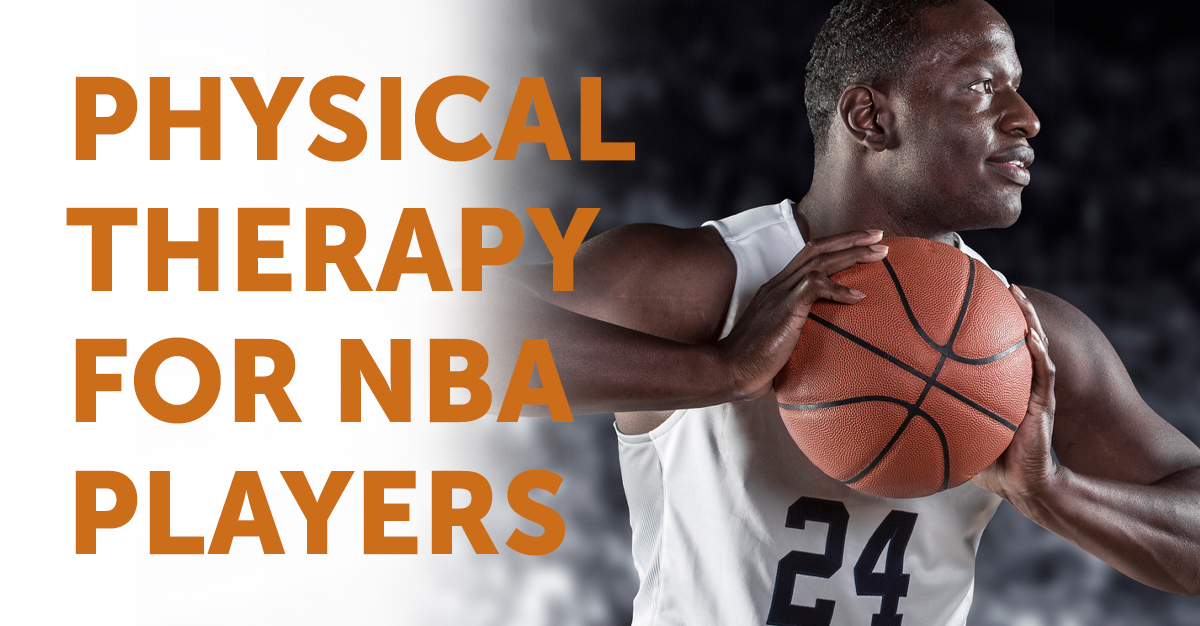
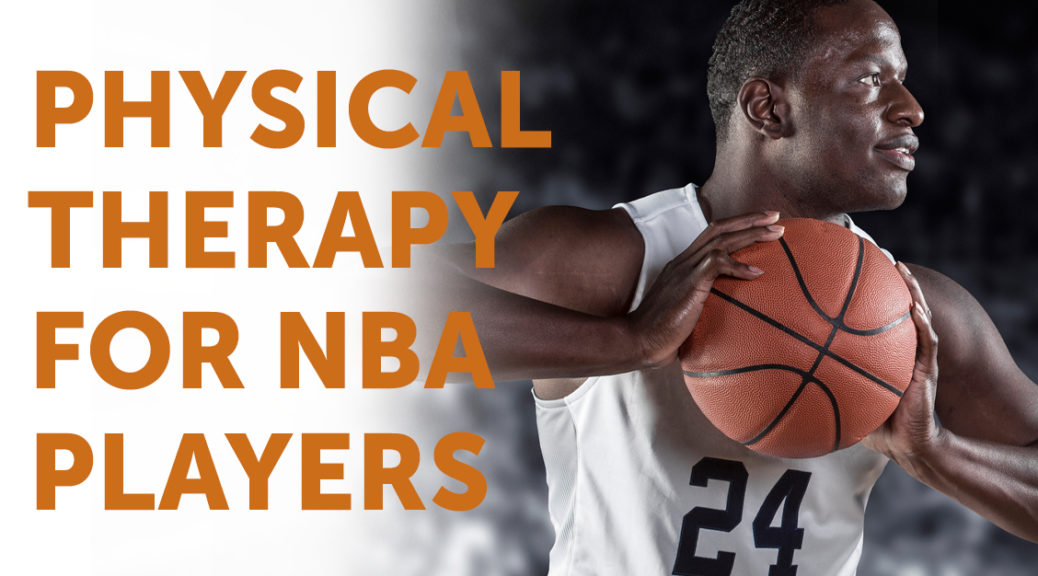
Physical Therapy for NBA Players

Physical therapy for basketball players

Playing basketball is all about speed, fast breaks, agility, and high-impact movements. It is a vertical sport that includes jumping and landing activities that might lead to injuries.

Some of the best NBA players’ careers have been ruined because of injuries. This makes the need for physical therapists important, especially for NBA players.

A physical therapist working with basketball players knows the key factors that help minimize injury risk and maximize performance.

Certain injuries are more common in basketball and can impact a player’s overall performance in the game.

Here are the most common basketball injuries.

1- ACL and MCL Injuries

ACL (anterior cruciate ligament) is one of the key ligaments that connect the thigh bone (femur) to the shinbone (tibia). It helps stabilize your knee joint. ACL injury happens when a player stops suddenly or changes the direction, resulting in stretching and tearing in the knee tissue.

On the other hand, MCL refers to a thick band of tissue on the inside of your knee that connects the thigh bone to your lower leg. MCL (medial collateral ligament) injury happens when the side of your knee is hit hard. It could be due to a collision with another player.

2- Ankle Sprains

Ankle sprains are common in basketball, caused by overextension or a loss of balance when moving quickly. Basketball players are most likely to injure their ankle when they slow down, pivot, or land after a jump.

When the ankle rolls outward, the ligaments that connect the bones can stretch and tear. The injury could be as minor as stretching and as major as complete tearing of the ligamentous complex.

3- Fractured Kneecaps

In basketball, the kneecap fracture is mainly caused when the player lands directly on the kneecap. This can also happen if the knee is in a semi-flexed position during a fall.

The pain in this injury is felt behind the kneecap, where the knee meets the thigh bone. The pain is the result of excessive joint pressure due to poor kneecap alignment, affecting the joint surface behind the kneecap.

4- Hip and Thigh Contusions

Pelvis, hip, and thigh injuries in professional basketball players are extra-articular strains and contusions.

Hip and thigh contusions are common in sports like basketball, soccer, and football due to player-to-player contact. A sudden force to the quadriceps muscle causes the injury, which can significantly damage the tissue. This force is usually caused by another player, a sport attribute, or a misplaced fall on a severe object.

5- Patellofemoral Pain Syndrome

Patellofemoral pain syndrome refers to the pain in the front of the knee and around the kneecap. Sports players who participate in games that involve running, jumping, or squatting, frequently are more likely to face patellofemoral pain syndrome.

The increase in training intensity or volume puts repeated stress in the knee, resulting in pain behind the kneecap. Players with a tight hamstring, weak thigh, and hip muscles are at a higher risk.


Physical Therapy for Basketball Players

Physical therapy helps players avoid injury in the first place with targeted training. Most physical therapy programs for basketball players include stretching, strengthening, and conditioning.

1- Stretching Exercises for Inflexible Areas of the Body

After an evaluation, a physical therapist can work closely with athletes do determine the best treatment plan moving forward.  Some common stretches used for basketball players include:

● Rotating stomach and side stretch
● Squatting leg-out groin and adductor Stretch
● Single heel-drop calf and Achilles stretch.

These basketball stretches are best after the workout to improve flexibility.

2- Strengthening Exercises for Weak Muscles or Muscle Imbalance

Every basketball player has a difference in strength, power, and stability between their right and left legs. The players’ dominant leg plays a role in imbalance. Players prefer to use the stronger leg, which increases the chances of injury when the weaker leg is forced to use. To help identify these imbalances, a physical therapist may recommend a Functional Movement Screening (FMS). An FMS is a quantifiable method of evaluating basic movement abilities, and will help your therapist determine and address areas of weakness and imbalance.

3- Manual (Hands-on) Therapy to Address Any Sore or Painful Areas

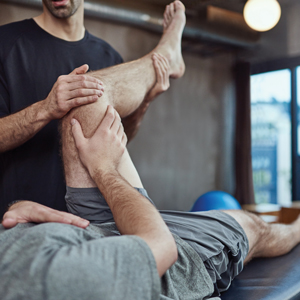
Manual therapy involves kneading and manipulating soft tissues and joints, which increase circulation, reduce scar tissue, relax muscles, and decrease pain. This hands-on approach combined with a full treatment plan often yields faster recovery times.

4- Basketball-specific Training That Mimics the Action on the Court

Basketball training should be relevant to the game to produce desired results. A basketball player’s training must go from highly general to very specific. The goal of basketball conditioning is to create a practice that is highly specific to the game. This maximizes players’ focus on skill and tactical development while reducing the chances of injuries during the match.

Final Thoughts

Injuries like ACL, MCL, and ankle sprains are more common in basketball. Prevention of injuries is an essential aspect of an athlete’s healthcare. Comprehensive physical therapy programs are generally provided to the NBA players. If you are in pain or looking to avoid a basketball injury on the court, please find the physical therapist nearest you.

physical therapy near me

Fitness after injury

Getting Back To Fitness After Injury: How To Do It Safely

Fitness after injury

If you’re taking part in a sport and training regularly to hit peak performance, you’ll understand the impact an injury can have. Lost training days, empty pages on the diary, targets to revise and thoughts going around your head – what do I do now? The number one rule is don’t try to carry on. You could make the injury worse. Even if you feel okay, there’s a good chance you’ll pick up an injury somewhere else because you’re moving unnaturally by trying to protect the injured area.

The first step with minor injuries like muscle pulls or sprains is to get some ice on the injured area. That helps increase blood flow and starts removing waste from the injury. If your injury is more serious, get to a doctor or physical therapist for an assessment.

Healthcare professionals now recognize the health benefits of exercise and take a more positive attitude to injuries sustained through sport — that wasn’t always the case. But, qualified physical therapists specialize in sports injuries so you can be confident of expert advice, and a sympathetic ear.

Getting Back To Fitness After Injury

Look ahead

When you know the extent of your injury, it’s time to start looking ahead with a positive mindset. Forget the initial disappointment and frustration. Recovery programs are based on progressive exercise, not weeks or months of non-activity. Work out how you’re going to get your regular training and fitness routines back on track. Investing in a fitness tracker could help motivate you and keep track of your progress.

Top tip: Avoid the cookie jar. You know that old cliché ‘no pain, no gain’, now think ‘no train, weight gain.’

Start slowly

You’ve got the good news; your injury can be treated. You can’t wait to get back but don’t be tempted to rush recovery. If your physical therapist prescribes a course of treatment or exercises, stick to it and complete the course. You might think you’ve recovered and can get back to your normal training levels. Just ask around – hands up, who had to go back to physical therapy again?

Any exercise in your recovery period must start easy— and be progressive. So, easy jogging maybe, light stretches and simple exercises to flex and strengthen the injured area. If you’re running, the grass is easier on the legs than the road and the uneven surface can actually strengthen joints by making them work harder.

An alternative approach is to exercise in a different way. Swimming and cycling, for example, don’t affect the weight-bearing joints and muscles like running. But you’re still getting a good cardio workout. Whatever you do, make sure you can handle the work without strain. The same goes for the physical therapist’s exercise routines. Follow the instructions carefully.

Plan your return

Now you’re in recovery mode, you can start thinking about a return to normal levels. Put some realistic dates in your diary — can I make the big game, that local competition, or one of my favorite races? Targets for recovery are just as motivating as targets for competition. But, don’t be ruled by them, your recovery could take longer. Complete recovery comes first.

It’s also important to think about the injury. What caused it? Was it poor form, excessive training with no time for recovery between sessions, worn-out shoes if you’re a runner, or just an unfortunate accident?

Understanding the cause of the injury can help you plan your sessions when you eventually return to fitness. Think about reducing the duration or intensity of your training sessions, to begin with. Then plan a sensible, progressive build-up.

Follow hard days with easy days if you train every day and include one day of complete rest or different types of exercise every week. Make sure you build recovery into your program — overuse is a major cause of injuries.

Improve all-round fitness

If you haven’t included alternative exercises in your training programs before, think about it now. Most sportspeople focus on the muscle groups specific to their sport and ignore the rest. That can lead to an imbalance in the body and could be an underlying cause if you suffer frequent injuries.
Ask your physical therapist for advice. They will almost certainly recommend exercises to strengthen the core, plus some fitness routines to strengthen antagonistic muscle groups. Better all-round fitness can put you in great shape for improved performance when you return.

Recovering from non-sports injuries

While much of the focus of exercise-based recovery has been on sports injuries, recent research at Columbia University’s Zuckerman Institute has highlighted the potential importance of exercise for patients recovering from a stroke or serious brain injuries. It is said that exercise and physical therapy is just as important for these patients as speech therapy.

Experiments with mice indicated that mice given a complete rest were slower to return to normal functions than mice that re-engaged earlier with an activity like using whiskers for detection. Looking at the potential for people, the researchers believe that introducing simple exercise tasks earlier can stimulate and re-activate important areas of the brain and promote faster recovery.

Consider booking an online physical therapy appointment

Although we strongly recommend consulting a physical therapist, COVID-19 has made it difficult for them to offer normal assessment and treatment services in person. Fortunately, we work with some fantastic physical and occupational therapists who provide a range of assessments, recovery programs and can help you get back to your routine fitness after injury.

To find out more, contact our friendly team. Here you can learn about an injury, how physical therapy can treat it, and find a physical therapy clinic in your area.

PT News PTandMe

PT News June 2020 Live Edition

PT News PTandMe

This month in PT News we recap the educational videos that our partnering clinics have been sharing to their Facebook followers. We are happy to share with you some great information on topics that can help you more easily live a pain-free life.

back pain physical therapy

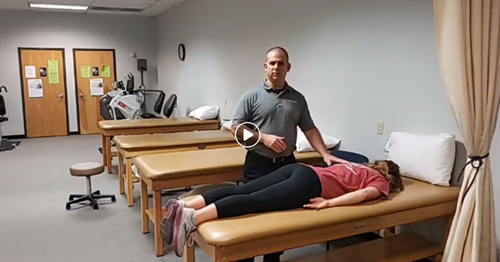
1. What Should I Do for My Low Back Pain?

Produced by Cutting Edge Physical Therapy, located in Richmond, IN.

One of the most common questions physical therapists get it what can I do for my low back pain. Take an in-depth look at what your pain is telling you about your injury, how physical therapists treat low back pain, and what you can do to find back pain relief at home.  View Recording


go back to the gym safely

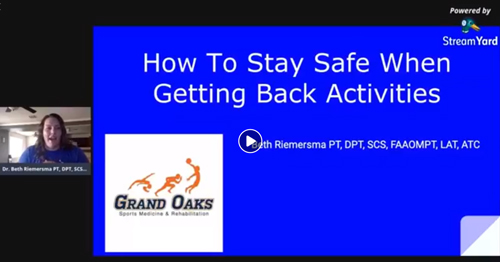
2. How to Stay Safe When Getting Back Into the Gym and Sports

Produced by Grand Oaks Sports Medicine & Rehabilitation, located in Spring, TX

As gyms open up, this video goes over how athletes can safely get back into the gym without the risk of injury. Due to COVID-19, athletes who have not been able to continue their regular training routine will have experienced levels of deconditioning. This video goes over what that means and how athletes can safely return to their prior performance levels.  View Recording


Knee Pain While Running

3. Why Do My Knees Hurt When Running?

Produced by Wright Physical Therapy, with locations throughout the Magic Valley, Boise, and Eastern ID.

Why does your knee hurt when you run? The partners of Wright Physical Therapy go over the most common reasons runners have knee pain, where you may sit on the Wright PT performance scale, and ways to fix and prevent injury moving forward.  View Recording


How to fix your posture

4. Fixing Your Posture So That it Doesn’t Contribute to Neck and Back Pain

Produced by Kingwood Occupational & Physical Therapy, located in Kingwood, TX

How practicing good posture can help reduce pain in everyday activities. It also goes over how thoracic mobility can cause neck and shoulder issues during your day-to-day and sports activities. View Recording

Physical and occupational therapists work hard to help people get back to what they love doing most. If you are in pain or need help recovering from an injury, please find a pt near you and get started on your path to recovery.

physical therapy near me

Stay Active While Social Distancing

4 Ways to Stay Active While Social Distancing

Stay Active While Social Distancing

Most of us have found ourselves at home looking for things to do. Even though we may not be able to make it to the gym or to a group class with friends, there are still ways to stay active while social distancing at home.

Here are our top 4 ways to keep moving.

  1. Go for a walk or run: Getting some fresh air and going for a walk or run in an uncrowded location is a great way to get some exercise in. The CDC recommends 6 feet of distance between yourself and others, so make sure you choose a path or trail that allows for space.
  2. Do housework: You have stocked up on cleaning supplies; now it’s time to get some exercise out of it! Whether it’s washing dishes, vacuuming, or dusting, the time spent on your feet and moving around can add up to a fully productive and active day – not to mention the result of having a clean living space.
  3. Have a dance party: It might not be the same as a traditional Zumba class, but all you need to get the party started is some music that can get you moving. Whether it be salsa, a line dance, or maybe even the floss, dancing is a sure way to get your heart rate up.
  4. Living room resistance training: Squats, lunges, planks, and push-ups can all be done at home without the need of a gym or weights. These exercises use your body weight to help train. If you need guidance on getting started or making sure you have exercises that you can do safely, please call us for help.

We hope you have fun staying active with these exercise ideas. If you need help getting started or have questions, please reach out to any of our physical therapy clinics. They can work with you to create an in-home exercise plan that works for you and your ability levels.

physical therapy near me

Avoid common baseball injuries

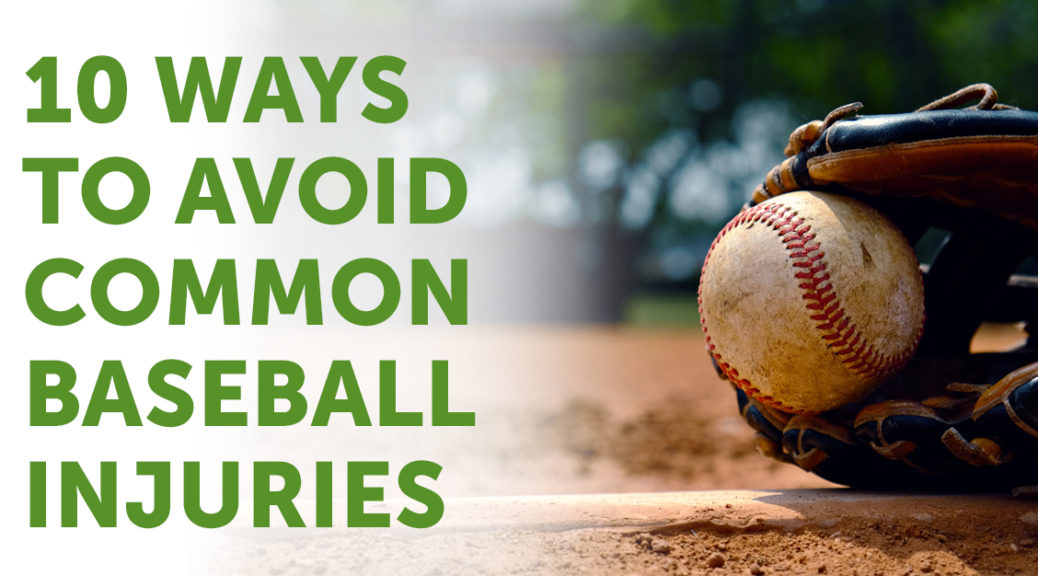
10 Ways To Avoid Common Baseball Injuries

Avoid common baseball injuries

According to an article published by the Journal of Athletic Training, youth baseball players reported throwing-arm pain 74% of the time. They also reported that UCL reconstructions between 2003 and 2014 increased by 343%, with 56.6% in those aged 15 to 19 years. With the increase in injuries related to the pitching athlete, we wanted to take a minute and focus on what you can do to help prevent common baseball injuries from happening to your athlete.

Physical Therapy Appointment

WHAT ARE COMMON BASEBALL INJURIES?

  • The most common baseball injuries include mild soft tissue injuries, such as muscle pulls (strains), ligament injuries (sprains), cuts, and contusions (bruises).
  • Although baseball is a non-contact sport, most serious injuries are due to contact — either with a ball, bat, or another player.
  • The repetitive nature of the sport can also cause overuse injuries to the shoulder and elbow.

WHAT CAN YOU DO TO PREPARE FOR THE SEASON?

  • Physical exam. A pre-season physical exam is important for both younger and older players. The goal is to prevent injuries and illnesses by identifying any potential medical problems. These may include asthma, allergies, heart, or orthopedic conditions.
    Warm up and stretch. Always take time to warm up and stretch.
  • Warm up with some easy calisthenics, such as jumping jacks. Continue with walking or light running, such as running the bases.
  • Gentle stretching, in particular your back, hamstrings, and shoulders, can be helpful. Your team coach or athletic trainer may provide a stretching program.

10 WAYS TO AVOID COMMON BASEBALL INJURIES

ASMI GUIDELINES TO HELP PROTECT PITCHERS FROM SHOULDER AND ELBOW INJURIES:

Pitching

1. Don’t throw too much:
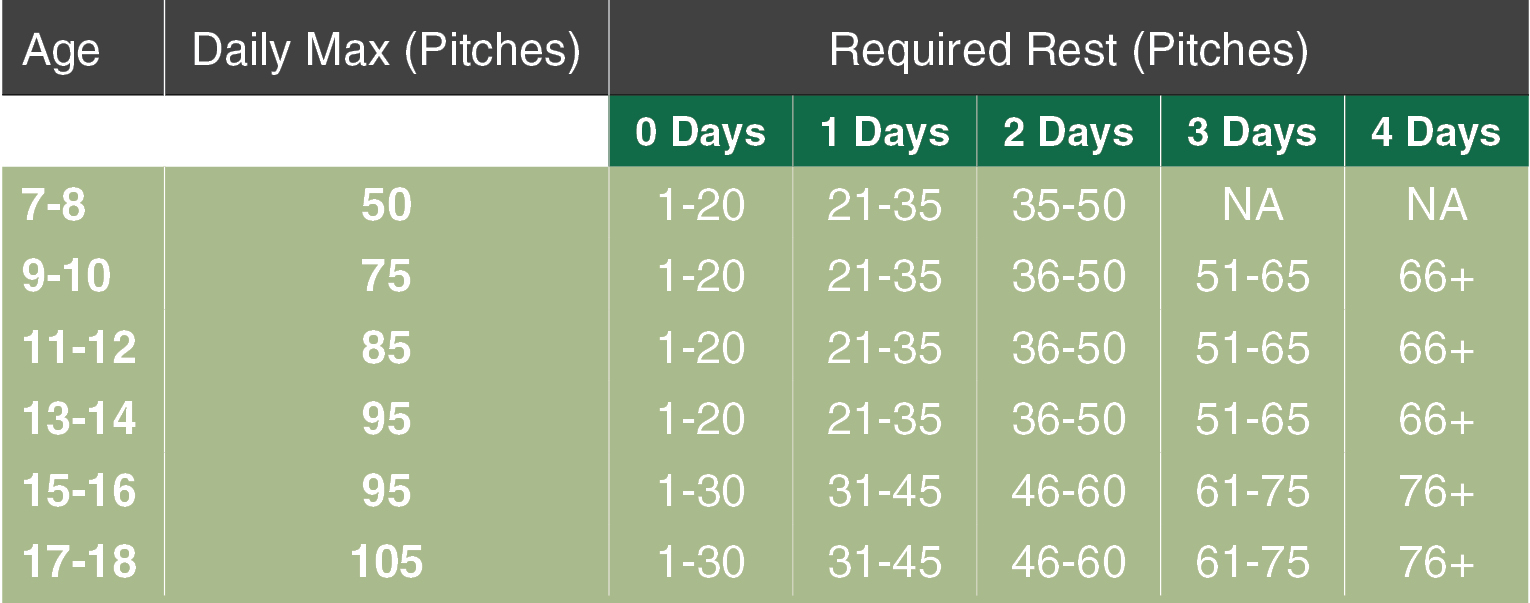
Daily, weekly and annual overuse is the greatest risk to a pitcher’s arm health. Numerous studies have shown that pitchers who throw more pitches per game and those who do not adequately rest between appearances are at an elevated risk of injury. While medical research does not identify optimal pitch counts, pitch count programs have been shown to reduce the risk of shoulder and elbow injury in Little League Baseball by as much as 50% (Little League, 2011). The most important thing is to set limits for a pitcher and stick with them throughout the season.

2. Don’t pitch through arm fatigue:
Individuals are 36 times more likely to develop shoulder and elbow injuries when routinely pitching with arm fatigue.

3. Don’t pitch more than 100 innings per year:
If an athlete throws over 100 innings they are 3.5 times more likely to be injured than those who did not exceed 100 innings pitched.

4. Don’t throw more than 8 months per year:
Athletes who throw > 8 months per year are 5 times as likely to suffer an injury requiring surgery of the elbow or shoulder. Pitchers should refrain from throwing for at least 2-3 months per year and avoid competitive pitching for at least 4 months per year.

5. Don’t pitch on consecutive days:
Pitchers who pitch on consecutive days have more than 2.5 times greater risk of experiencing arm pain.

6. Don’t play catcher following pitching:
If the player catches the following pitching they are 2.7 times more likely to suffer a major arm injury.

7. Don’t play on multiple teams at the same time:
There is an increased risk of injury due to the difficulty in monitoring pitch limits and rest time. If the player is on multiple teams, make meticulous efforts to keep track of the number of pitches thrown to allow adequate rest.

8. Don’t forget the shoulder in strength and conditioning programs:
Numerous studies have shown that deficits in upper extremity strength and mobility are strongly correlated to serious arm injuries. Shoulder and forearm strengthening exercises can build strength, endurance and motor control which can prevent injury.

9. Be cautious with throwing curveballs and sliders:
While existing research has not consistently shown a strong connection between the curveball and injuries, Yang et al., found that amateur pitchers who threw curveballs were 1.6 times more likely to experience arm pain while pitching and Lyman et al, found that youth pitchers who throw sliders are 86% more likely to experience elbow pain.

10. Be cautious with the radar gun:
Radar guns do not directly cause harm to a pitcher, however, the gun may cause the pitcher to throw beyond their normal comfort level. This could create an arm strain.

Don’t redshirt this season. Physical therapists can work with athletes to make sure certain muscle groups can accommodate the strain and movements necessary to perform well in your sport. Be proactive and work towards a great season with PT!

physical therapy near me


PT News PTandMe

PT News December 2019

PT News PTandMe

This time in PT News we recap what our clinics have been posting throughout December 2019. We are excited to begin a new year of new posts featuring published articles from PTandMe partnering clinics!

nutrition strategies

1. Effective Nutrition Strategies

Written by The Center for Physical Rehabilitation with multiple locations throughout greater Grand Rapids, MI.

How do you stay on target with eating healthy and being active? Between work schedules, kid’s schedules, appointments, and change of plans, finding time to exercise and eat right can sometimes feel impossible. Read more


crossfit

2. Is Crossfit Right For You?

Written by Riverview Physical Therapy, an outpatient physical therapy practice with multiple locations in Southern Maine. 

CrossFit is no longer a form of exercise performed in small gyms; it is a phenomenon that has taken the world by storm. At its roots, CrossFit is a popular form of exercise utilizing high-intensity fitness programming that incorporates elements from many disciplines: including weightlifting, traditional cardiovascular exercise (running, jumping rope, biking, rowing), and basic gymnastic movements. Read more


lymphedema physical therapy

3. Lymphedema Therapy – You Don’t Have to Live with Chronic Swelling

Written by Mishock Physical Therapy & Associates an outpatient physical therapy practice with locations throughout Montgomery, Berks, and Chester Counties in PA.

One cause of chronic swelling could be lymphedema. This is a condition where swelling occurs in the extremities due to a compromised or damaged lymph system. Lymph is the fluid that bathes the cells with needed nutrients, oxygen, and white blood cells provided by the circulatory system.   Read more

Find these locations and others to start feeling better today!

physical therapy near me

PT News PTandMe

PT News November 2019

PT News PTandMe

This time in PT News we recap what our clinics have been posting throughout November 2019. We are excited to begin a new year of new posts featuring published articles from PTandMe partnering clinics!

low back pain

1. Low Back Pain – A Powerful Guide

Written by Wright Physical Therapy with multiple locations throughout the heart of the Magic Valley, Boise and Eastern Idaho.

Daily, we see patients who are concerned about the course they should take to heal their back pain.  Our aim with these individuals is to utilize a skilled classification system and evidence-based treatments to aid in identification and treatment of Low Back Pain (LBP). Read more


Snow Shoveling

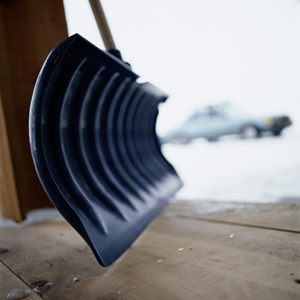
2. Prevent Low Back Pain While Shoveling Snow

Written by Rehab Associates of Central Virginia, an outpatient physical therapy practice with multiple locations throughout Central VA. 

As I was shoveling the snow off my driveway this week, I quickly realized that I needed to adjust my technique or I was going to pay for it later. Injury can result from repetitive movements with a general lack of awareness and variability in movement and may be prevented with some easy steps. Read more


physical therapy

3. Relieving Your Pain the Natural Way – Physical Therapy as the Safer Relief Alternative

Written by Cornerstone Physical Therapy an outpatient physical therapy practice with locations throughout Greater Columbus, OH.

It is no secret that the United States is a country with very high levels of medication. It is also a common practice for physicians to prescribe heavier pain relievers, such as the opioids that have resulted in a country-wide epidemic. While the effects of these drugs can be frightening, there is a safer solution available: physical therapy.  Read more

Find these locations and others to start feeling better today!

physical therapy near me

PT News PTandMe

PT News October 2019

PT News PTandMe

This time in PT News we recap what our clinics have been posting throughout October 2019. We are excited to begin a new year of new posts featuring published articles from PTandMe partnering clinics!

sport specialization

1. Sports Specialization Vs. Sports Diversification in Youth Athletes

Written by The Center for Physical Rehabilitation with multiple locations throughout greater Grand Rapids.

Early specialization in one sport has become a trend in youth athletes across the country. This shift is one that has young athletes training year round to develop a specialized skill be able to play at the highest level of competition. Read more


food is fuel

2. Food is Your Fuel

Written by Rebound Physical Therapy, an outpatient physical therapy practice with locations throughout greater Bend, OR. 

Truth: we are not nutritionists. That said, after a bit of trial and error and working with patients and various health professionals, we have picked up on these and common do’s and dont’s. Lindsey Hagen, PT, and healthy running nut discusses the importance of balance in your diet and making sure you do what is best for your body, as they say, “You do you…” Read more


walking up stairs

3. Climbing Stairs – One Step at a Time

Written by The Jackson Clinics an outpatient physical therapy practice with locations across Kansas, Missouri, and Iowa

Although going up the stairs may feel challenging, some people experience more pain going down. This is because your muscles have to work hard to control your weight as you descend. If you have suffered from knee problems in the past or continue to have problems, it is probably time to look at increasing strength to make navigating stairs less difficult. Read more

Find these locations and others to start feeling better today!

physical therapy near me

PT News PTandMe

PT News August 2019

PT News PTandMe

This time in PT News we recap what our clinics have been posting throughout August 2019. We are excited to begin a new year of new posts featuring published articles from PTandMe partnering clinics!

Physical Therapy Direct Access

1. Physical Therapy Direct Access is Coming to Texas
Written by Momentum Physical Therapy with multiple locations throughout Greater San Antonio.

Starting September 1, 2019, it will be easier to get Physical Therapy in Texas, thanks to local San Antonio State Representative, Ina Minjarez (D) who drafted HB29, a handful of other State Reps who co-sponsored the bill, the Texas Medical Association, and the Texas Orthopedic Association.  Read more


House workout

2. Get Your Housework(Out) Done!

Written by Rebound Physical Therapy, an outpatient physical therapy practice with locations throughout Bend, OR and the surrounding communities. 

Let’s get honest for a second though and realize not all moments are adventure packed (at least for your average community member). Here are some fantastic ways to make even the down time productive and moving you in a healthy direction… and you get the chores done! Read more


AEW Ability Rehab

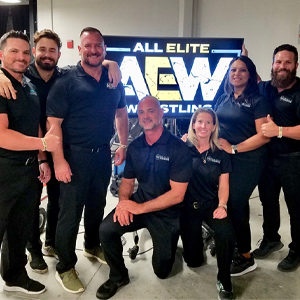
3. Ability Rehabilitation Played Key Role at AEW’s Two Florida Based Events

Written by Ability Rehabilitation an outpatient physical therapy practice with locations throughout Greater Tampa and Orlando.

Florida-based Ability Health Services & Rehabilitation worked closely with All Elite Wrestling (AEW) to provide athletic training and physical therapy care to the wrestlers at the recent FYTER FEST and FIGHT FOR THE FALLEN events, which both took place last month in Daytona Beach and Jacksonville, respectively. Read more

Find these locations and others to start feeling better today!

physical therapy near me