
Tag Archives: winter

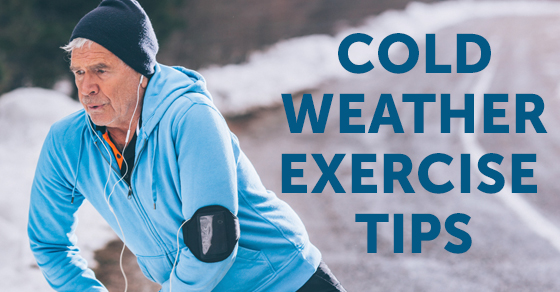
cold weather exercise tips

Cold Weather Exercise Tips: Running Safety

Physical Therapy Appointment

Cold temperatures and reduced exposure to sunshine can sometimes lead to Seasonal Affective Disorder (SAD) during the winter months. However, spending time outside exercising can help alleviate the symptoms of the winter blues. Even spending just 10 – 15 minutes outside in the sunshine to exercise can have compounding effects. Not only are you getting your daily dose of Vitamin D, but you also have the benefits of boosting endorphins in your body that will leave you with a stronger sense of happiness and lightness throughout the day.

While exercising in the cold may come with risks, there are also many things we can do before and after workouts to lower our risk of injury.

Follow our cold-weather exercise tips to run safely and comfortably through wintry weather.

  • Pay attention to temperature and wind chill: If the temperature drops below 0˚F or the wind chill is below -20F, you should hit the treadmill instead.
  • Protect your hands and feet: The body loses heat from any exposed skin; the head, hands, and feet often feel colder because they’re commonly left uncovered and have many blood vessels, so wearing protective clothing helps reduce heat loss and maintains warmth.
  • Dress in layers: It is important to start with a thin layer of synthetic material such as polypropylene, which wicks sweat away from your body. Stay away from cotton as a base layer, as it holds moisture and will keep you wet. If it is very cold out, you will need a middle layer, such as polar fleece, for added insulation.
  • Avoid overdressing: You should feel a slight chill off your body during the first 5 minutes of winter running; after that, you should warm up.
  • Remember sunscreen: Sunburn is still possible in the winter. It is also important to protect your lips with hydrating lip balm to prevent chapping.
  • Take it easy when it is frigid: The colder the temperature becomes, the greater your risk for a pulled muscle when running in the cold, so warm up slowly. Try our Pre-Run Dynamic Stretching Routine!
  • Be prepared: Know the signs of hypothermia, inform others of your outdoor whereabouts, and carry a fully charged cellphone
  • Do not stay in wet clothes: If you get wet from rain, snow, or even from sweat in chilly temperatures, you are at risk of hypothermia. It is important that you change out of damp clothing immediately and get to a warm shelter as quickly as possible.
  • Stay Hydrated: Despite the cold weather, you will still heat up and lose fluids through sweat. The cool air also has a drying effect, which can increase the risk of dehydration. Make sure you drink water or a sports drink before, during, and after you run.
  • Be extra careful in snow and ice: Check sidewalks before using them. Wear non-skid, rubber-soled, low-heeled shoes to help prevent slipping.

Stay Heart Healthy

Cold weather can make the heart work harder to distribute blood throughout the body. But a regular exerciser with cardiovascular endurance can make their heart muscle even stronger with these cold-weather sessions, better preparing the body for more strenuous workouts in the future, not to mention other daily life stress. If you have heart disease or high blood pressure, follow your doctor’s advice about exercising during this season.

With the right precautions, winter running can boost energy, improve fitness, and help you stay ready for spring. Feeling tight, sore, or dealing with a winter running injury? Physical therapy can help you stay strong and injury-free throughout the entire season.

Looking for help with a nagging injury? Find a physical therapist near you.

physical therapy near me

For more cold-weather exercise tips to keep you safe this winter check out the articles below!
Staying Warm in Winter PTandMe  Winter Safety PTandMe  Snow Shoveling Safety PTandMe

PT News

This Month in PT News. Featuring articles from PTandMe partnering clinics!

2. Don’t Let Your Asthma Freeze You Out of Winter Workouts
Written by the Therapy Team at the Jackson Clinics – Northern Virginia

Avoiding asthma attacks while exercising in winter is best accomplished by preventing cold, dry air from getting into your bronchial airways. One way to do this is to exercise indoors when it is cold. Read more

3. Living Our Mission Statement: Being a Catalyst of Change In 2018
Written by Colleen Norris, Partner/Practice Administrator – Overland Park, KS

I have been in healthcare for almost 40 years and the changes that have occurred over that time have been tremendous. I’ve seen everything from patient care innovations, new payment methodologies, advancing technology, improved workflow processes, and my personal favorite… a focus on outcome data. Read more

PT News

This Month in PT News. Featuring articles from PTandMe partnering clinics!

1. How to Deal with Chronic Joint and Muscle Pain
Written by the Therapy Team at Cornerstone Physical Therapy – Gahanna, OH

All of us have experienced pain and discomfort in the muscles and joints at some point, especially with age. In most cases, the use of over the counter medications, hot/cold packs and rest help resolve the problem. Read more

2. Pain at the Mall
Written by the Therapy Team at the Jackson Clinics – Northern Virginia

As the outside temperatures drop, people contemplating undertaking an exercise program often consider walking at the mall. Benefits include a controlled climate, an absence of traffic, security and easily available restrooms and water. Read more

3. Quality of Care in Rehab
Written by the Ian M. Campbell, DPT at Intermountain Physical Therapy – Boise, ID

What does quality care mean in rehabilitation? One can drive through their city and likely notice multiple physical therapy (PT) clinics. Some may be privately owned and operated, others run by local hospitals. Read more

PT News

This Month in PT News. Featuring articles from PTandMe partnering clinics!

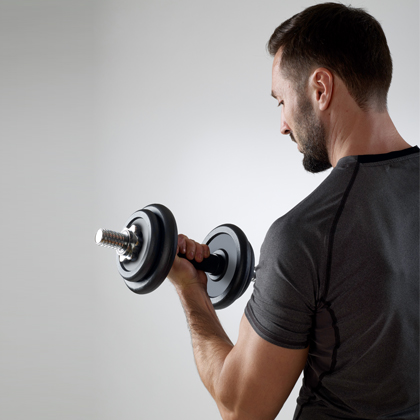
1. Simple Steps to Starting a Weight-Training Program
Written by the Therapy Team at The Jackson Clinics – Middleburg, VA

One of the challenges of weight training is determining how much effort to put in for the most benefits. Read more

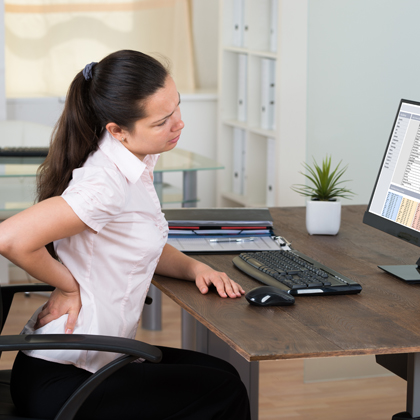
2. Sit Up Straight! Avoid Sitting with Bad Posture
Written by Megan Russo, PTA at The Center for Physical Rehabilitation – CPR – Grand Rapids, MI

Do you ever find yourself sitting in a slumped position while at work or driving in the car? Read more

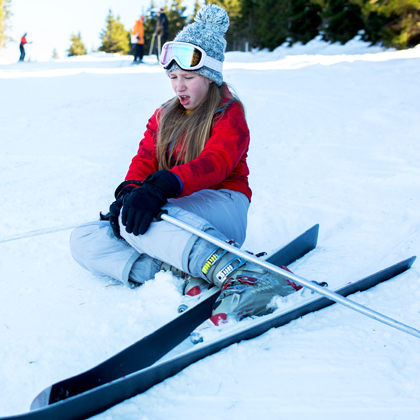
3. Minimizing the Risk of Ski Injury
Written by the Therapy Team at The Jackson Clinics – Middleburg, VA

If winter weather has you prepared to hit the slopes, be sure to take the necessary precautions to keep yourself injury-free this season. Read more

winter safety tips

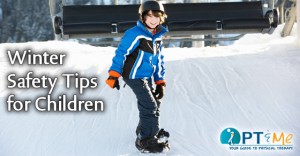
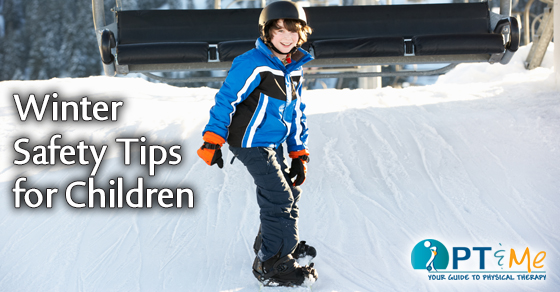
Winter Safety Tips for Children

winter safety tips for Children PTandMe
When the temperature drops and snow is on the ground, your children can still benefit from some outdoor physical activity. All it takes is a little extra planning to stay safe.

Layer Up!
Infants and children lose heat more quickly due to their size. As a result, they are more likely to suffer from low body temperature, also known as hypothermia. Dressing in layers is a good way to provide your child with added warmth during the winter months. Your child should wear 1 more layer than an adult would wear. Choose fabrics that wick moisture to help pull sweat away from your child’s skin and keep them warm.

Here are some other winter stafety tips to help keep your child safe in the cold:
• Mittens are warmer, but gloves allow your child to use their fingers more. Consider having your child wear mittens over a pair of light gloves.
• Keep your child’s feet warm and dry with 2 pairs of socks.
• Avoid long scarves and drawstrings or ties, which could become a choking hazard. Consider neck warmers or turtleneck garments.
• Choose hats and hoods that do not obstruct your child’s vision.
• Keep a dry set of clothing at school in the event your child’s clothes become wet.

Winter Sport Safety
Winter safety tips for sports such as skiing, skating, snowboarding, and sledding require adult supervision and added safety measures. To help keep your child safe:
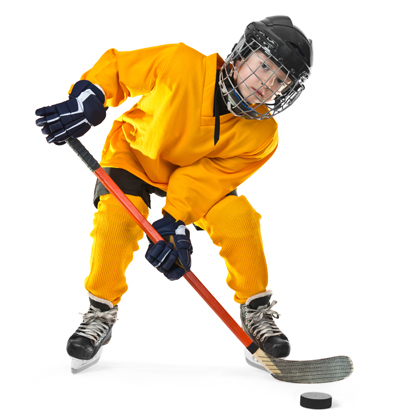
• Make sure your child wears a helmet and other protective gear such as wrist guards for snowboarding and a mouth guard for ice hockey.
• Teach your child to be aware of and avoid hazards when sledding such as cars, trees, and ponds.
• Do not allow your child to skate on surfaces until you are sure the water is frozen solid.
• Do not allow your child to wear headphones while playing. Headphones will block traffic or grooming machine sounds.
• Encourage your child to keep moving when outdoors to help generate body heat.

Bring your child inside at the first sign of frostnip—skin that is red, numb, and tingly. Soak your child’s skin in warm water until the symptoms go away. Do not rub the skin. If symptoms do not improve, call your child’s doctor. If your child’s skin becomes white, hard, and swollen, your child may have frostbite. The skin may also burn, tingle, or become numb. If you think your child has frostbite, bring your child inside and put your child in dry clothes. Do not rub the skin, rubbing can cause more damage. Call for medical help right away.

hockey_player

Don’t Skip the Sunscreen
It is possible for your child to get a sunburn in the winter since sunlight reflects off of the snow and ice. Your child should use a sunscreen with an SPF of at least 30. Apply it to your child 20 minutes before going outside and reapply it every 2 hours.

Fuel Up for Fun
Dehydration can contribute to hypothermia. Encourage your child to drink plenty of fluids, especially during vigorous physical activities. Your child will also need to fuel up to generate body heat needed for outdoor play. Provide your child with plenty of healthy snacks such as trail mix, fruit and bread.

When to Play
Freezing temperatures and wind are risk factors for hypothermia and frostbite. Avoid severe cold. Keep an eye on weather forecasts and plan outdoor activities for warmer days without snow or rain.

Following these winter safety tips will allow you and your child to safely enjoy the beauty of winter.

by Cynthia M. Johnson, MA

RESOURCES:
Family Doctor—American Academy of Family Physicians
http://familydoctor.org

Healthy Children—American Academy of Pediatrics
http://www.healthychildren.org

CANADIAN RESOURCES:
Canadian Paediatric Society
http://www.cps.ca

Health Canada
http://www.hc-sc.gc.ca

REFERENCES:

Chillin’ with winter safety. Healthy Children—American Academy of Pediatrics website. Available at: http://www.healthychildren.org/English/safety-prevention/at-play/Pages/Chillin-With-Winter-Safety.aspx. Updated January 19, 2016. Accessed February 11, 2016.

Frostbite in children. Lucile Packard Children’s Hospital Stanford website. Available at: http://www.stanfordchildrens.org/en/topic/default?id=frostbite-in-children-90-P02820. Accessed February 11, 2016.

Keeping kids safe in the cold. American Academy of Pediatrics website. Available at: http://www2.aap.org/sections/schoolhealth/ECarchivenovember11.html. Accessed February 11, 2016.

Sunscreen FAQs. American Academy of Dermatology website. Available at: https://www.aad.org/media-resources/stats-and-facts/prevention-and-care/sunscreens. Accessed February 11, 2016.

Last reviewed February 2016 by Michael Woods, MD Last Updated:10/20/2014

EBSCO Information Services is fully accredited by URAC. URAC is an independent, nonprofit health care accrediting organization dedicated to promoting health care quality through accreditation, certification and commendation.

For more winter safety tips to keep you out of harm’s way this season check the articles below!
Staying Warm in Winter PTandMe  snow shoveling safety PTandMe  

PT News

This Month in PT News. Featuring articles from PTandMe partnering clinics!

2. Winter Activities Foster Year-Round Fitness
Written by the Therapy Team at the Jackson Clinics – Middleburg, VA

The urge to “hibernate” in winter is strong, even for us humans. Read more

3. Top 5 New Year’s Resolutions 
Written by Therapy Team at Momentum Physical Therapy – San Antonio, TX

2017 is almost here, and it’s the perfect time for assessing the year behind and looking forward to the changes we want to make in 2017. Read more