Tag Archives: overtraining

Age Appropriate Strength Training

Age Appropriate Strength Training

Age Appropriate Strength Training

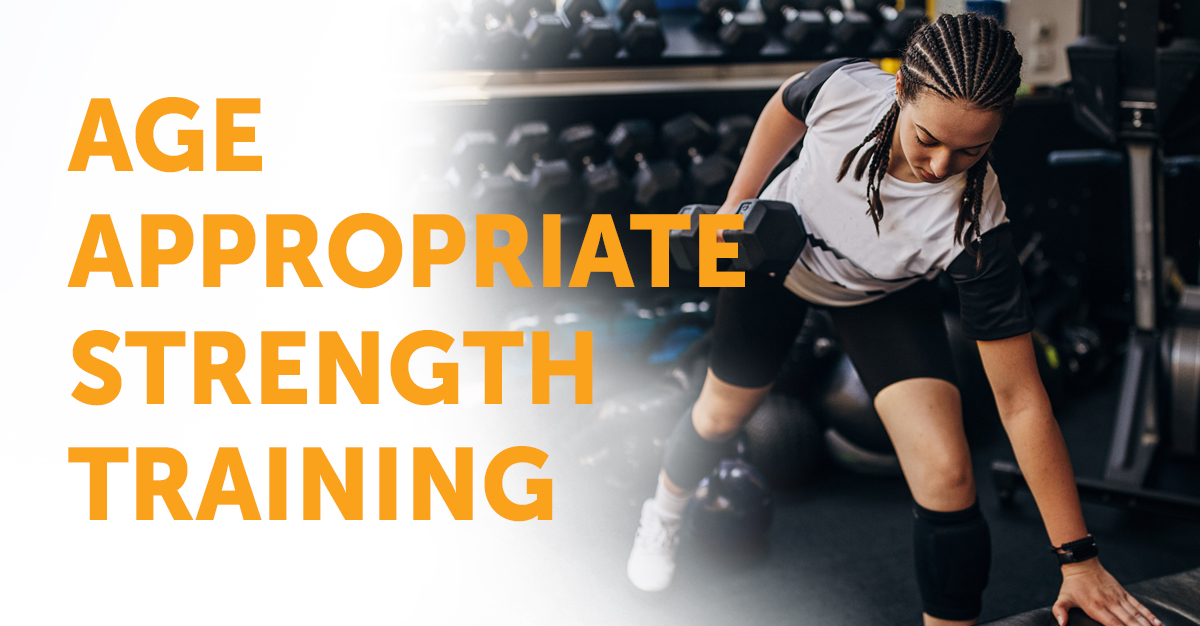
Recently concerns regarding appropriate training for our adolescent athletes has surfaced. Issues such as how much, how soon, or how specialized are addressed in our commonly heard questions below.

Physical Therapy Appointment

When Can My Athlete Start Lifting Weights?

The NSCA’s position statement states pre-adolescence (7-8 y/o) is a safe age to begin resistance training with graduated modalities and loads. Basically, if the athlete is ready for organized sports, they are ready for some kind of resistance training.

What Should I Look for in a Strength Training Program

It’s important to note that the type of programming is dependent on the athlete’s age and physical abilities.

7-10 Year Old or Beginner 

  • Geared towards “free play”
  • Activities that challenge balance, coordination, and speed


10-14 Year Old or Intermediate Focus on Technical Form

  • Mastering body weight exercises
  • Introduction into resistance


14-18 Year Old or Experienced

  • Increase in difficulty
  • Maintain a focus on functional form
  • Higher external forces while maintaining proper technique


Signs that My Athlete is Overtraining

  • Ongoing decreased performance on field
  • Often injured or sick
  • Disengagement from sport and school
  • Mood swings
  • Physically tired all the time
  • Sleep issues
  • Overreactive emotional response to failure
  • Depression
  • Nutrition issues

A strength training and conditioning specialist can screen each athlete’s movements in order to determine a baseline level of movement and strength. They then develop exercises and drills that will enhance the good movement qualities while addressing any bad motor patterns that may exist. Main components that are often noticed by trained professionals are mobility(flexibility) and stability (strength) issues.

Physical Therapy Appointment

This article Written by The Center for Physical Rehabilitation at the Academy for Sports & Wellness, please visit: www.pt-cpr.com/academy
overtraining

Are You Overtraining?

Are You Overtraining_FBsize

Maintaining a rigorous workout schedule without allowing enough time for the body to recover, often leads to what is known as overtraining. Not only is an athlete at a higher risk for injury but overtraining can manifest itself in several other ways.

WHAT CAN CAUSE OVERTRAINING
• Sudden increase in exercise frequency
• Intensity or duration of training sessions
• Not allowing your body adequate recovery
• The length of time you have been training

SIGNS AND SYMPTOMS OF OVERTRAINING
• Persistent muscle soreness
• Elevated resting heart rate.
• Increased susceptibility to infections.
• Increased incidence of injuries.
• Irritability
• Depression
• Loss of motivation
• Insomnia
• Stop noticing progress towards training goals
• Becoming restless and losing focus
• Feeling sluggish all day

HOW TO AVOID OVERTRAINING
• Get enough sleep – this is the time when your body is able to heal the most
• Proper nutrition- get plenty of protein, fats and carbs
• Monitor stress levels

leg press

Exercise Smartly:
• Find a balance and avoid workouts that are too intense for you
• Progress workouts slowly

Allow Proper Recovery Time Between Workout Sessions:
Take one or two days between workout sessions or alternate intensity levels for each workout

Stay Active On Off Days:
• Try a less intense mode of exercise (Active Rest)
• Yoga, stretching, or foam rolling can be done on these days

Information provided by the Center for Physical Rehabilitation – Grand Rapids, MI
To learn more about the Center for Physical Rehabilitation click here.

PT News

This Month in PT News. Featuring articles from PTandMe partnering clinics!

2. Early Intervention is the Key to Success
Written by Ben Eggleston, PTA at the Center for Physical Rehabilitation – Grand Rapids, MI

The relationship between longevity of symptoms and healing time is of reciprocal proportion? Read more

3. Overtraining Doesn’t Help, It Hurts 
Written by the Therapy Team at Momentum Physical Therapy – San Antonio, TX

Working to achieve a sports or fitness goal can drive many people to overtrain in an effort to get stronger, better, faster. Read more

PT News

This Month in PT News. Featuring articles from PTandMe partnering clinics!

GymBike

1. The Rapid Recovery Blueprint
Written by the Therapy Team at Cornerstone Physical Therapy

Exercise tends to break down muscle fibers while rest allows muscles to recuperate and emerge stronger. The appropriate amount of exercise, followed by recovery leads to an ongoing cycle of improvement over time. Strength and endurance improve, creating a foundation for long-term health. Read more

GymSeniors

2. Can We Get Stronger as We Age?
Written by the Therapy Team at the Jackson Clinics Physical Therapy

The answer to that question is – absolutely! After age 40 or so, we all begin to lose muscle strength and bone density, and our hormone production slows. Read more

shoulderInjury

3. Overtraining Doesn’t Help, It Hurts
Written by the Therapy Team at Momentum Physical Therapy

Working to achieve a sports or fitness goal can drive many people to overtrain in an effort to get stronger, better, faster. Our PT’s have seen many injuries related to overtraining. Read more