
Tag Archives: Physical Therapy

Post Surgical Rotator Cuff Physical Therapy

Post Surgical Rotator Cuff Tear Physical Therapy

Post Surgical Physical Therapy after Rotator Cuff Tear Surgery

Post Surgical Rotator Cuff Physical Therapy

A patient will typically be referred for rotator cuff tear surgery when 90% or more of the tendon is torn. The most common causes for a rotator cuff tear and rotator cuff injuries are aging, overuse of overhead activities and heavy lifting. Surgery should never be taken lightly, so we wanted to take some time to inform you about what to bring before surgery, things that can help you immediately after and then give an idea of what to expect as you go through a post-surgical rotator cuff tear physical therapy treatment plan. These are general guidelines. More specific expectations can be given by your healthcare provider.

Items to bring with you before rotator cuff tear surgery

  • Sling
  • Ice Pack or Cold Therapy Unit

Using your sling

  • You will usually wear it for about 4 weeks. (Removing only to wash up and do exercises)
  • Avoid ANY active reaching or lifting up to 6 weeks
  • Getting Dressed
    – Place the involved arm in the sleeve first.
    – Put your belt in your pants first.
    – Slip-on shoes are recommended.
  • Sleeping
    – It may be more comfortable sleeping in a recliner instead of a bed.
    – Support your arm with a towel roll or pillow if lying down.
  • Avoid showering for the first couple of days.  (Once able to shower, lean over to let your healing arm hang away from your body, while you use the other to wash.)

Icing your shoulder (Ice Pack or Cold Therapy Unit)

  • Ice for 20 minutes in your waking hour for the first few days.
  • Decrease to 3-5 times a day as needed for pain.

General Care

  • Change dressing daily as recommended by your physician/nurse.
  • No driving especially if the right arm and if taking pain medications.
  • Walk around your home at least 1 time each hour to prevent blood clots.
  • Begin therapeutic exercises as soon as instructed

After being cleared for physical therapy, the normal course of a POST-SURGICAL rotator cuff tear physical therapy has been described as having five stages:

Stage 1: Immobilization

There is a mandatory period of rest for the arm following a rotator cuff tear surgery. The tendons have been repaired but need to wait through the biological healing phase in order to be able to accept the strain of moving the arm. This period may last 4-6 weeks and may be intermittent with the therapist being able to do slight motions to the arm to keep the joint from getting stiff.

Stage 2: Passive motion

During and after the immobilization phase, you’ll begin performing passive motion exercises. At first, the therapist will provide the muscle to move the arm, but over time, you’ll be educated in the use of pulleys, stretch straps and table stretches to allow the joint to move while keeping the muscles fully relaxed.

Stage 3: Active-Assisted motion

Once the shoulder has achieved full expected passive motion, and with the permission of the surgeon, your therapist will begin active-assisted motion. This type of exercise uses less than 100% of the surgical shoulder’s power to move the arm. The therapist may instruct you in pendulum exercises that employ gravity and momentum. Self-ranging exercises use the uninvolved arm to move the involved arm, either against the weight of gravity or lying down so that the weight of gravity is minimalized. The surgical arm’s responsibility will slowly increase up to 100% of the weight of the arm. Then, you’ll be ready for active motion.

Stage 4: Active motion

The active motion phase begins when the arm is able to carry its own weight against gravity but is not yet ready to lift, push or pull objects. During this phase, your therapist will demonstrate safe motion patterns of the shoulder and shoulder blade. They will monitor the coordination of movement between the muscles to check for specific weaknesses that could put a strain on the repair. Once you can achieve full expected active range of motion against the weight of gravity, and with your physician’s approval, you’ll be ready to add weight.

Stage 5: Strengthening

The strengthening program may start out slowly. Be patient! The muscles are relearning how to work together so inflammation of the tendons and bursae are still a risk in this phase. Your therapist will recommend exercises that you can do at home in order to improve the arm’s tolerance for strength and to reduce the strain on the arm when you come into therapy. Over time, the therapist will demonstrate ways that you can safely use the arm for pushing up from a chair, pulling a door open, reaching into a cabinet and other activities of daily living.

Post-surgical rotator cuff tear physical therapy care can vary based on the patient’s needs and ability levels. Depending upon the severity of the rotator cuff tear, physical therapy can work with patients to heal the tendon and reduce pain. To find a physical therapist near you click the button below.

physical therapy near me

PT News PTandMe

PT News May 2019

PT News PTandMe

This time in PT News we recap what our clinics have been posting throughout May 2019. We are excited to begin a new year of new posts featuring published articles from PTandMe partnering clinics!

nutrition strategies

1. Effective Nutrition Strategies
Written by The Center for Physical Rehabilitation with 8 physical therapy locations throughout Greater Grand Rapids, MI.

How do you stay on target with eating healthy and being active? Between work schedules, kids schedules, appointments, and change of plans, finding time to exercise and eat right can sometimes feel impossible. Read more


physical therapy for headaches

2. Physical Therapy Can Help Headaches
Written by Mishock Physical Therapy and Associates, a privately owned, outpatient physical therapy practice throughout Montgomery, Berks and Chester Counties.

Headache pain is the third most common pain complaint worldwide. Some people suffer from the occasional headache, but others suffer from daily, chronic headaches which can be disabling, interfere with one’s ability to work and result in decreased quality of life. Read more


Does Mono Mean no exercise

3. Does Mono Mean No Exercise?
Written by The Jackson Clinics with 21 physical therapy locations throughout Northern Virginia and Maryland.

Mononucleosis—often known simply as “mono”—has an incubation period of one to two months. Once symptoms appear, recovery can take an additional four to six weeks. Until your physician tells you it is safe to resume more strenuous workouts, avoid any but the mildest exercise. Read more

low back pain relief

Physical Therapy for Low Back Pain: Finding Relief

physical therapy low back pain; physical therapy back pain; low back pain; chronic back pain; back safety tips

Physical Therapy for Low Back Pain: Finding Relief

Low back pain affects nearly everyone at some stage of life and is one of the most common ailments seen in medical practices. It is referred to by many different names including lumbago, lumbar sprain or strain, slipped or bulging disc, degenerative arthritis, or, when it extends into the leg, sciatica. Research suggests that between 60% – 75% of the population who experience back pain once will experience recurring or chronic problems. Most patients will not consult their physician for first-time problems with their back, so you may be one of the thousands worldwide who continue to have recurring problems with their back.

To most people, their low back pain is confusing and frustrating. Many times it starts without warning and for no obvious reason. It will interfere with the performance of basic daily activities and the ability to get a good night’s sleep. Then, often the pain will subside just as unexpectedly as it started. When in acute pain, most people are unable to think clearly about the trouble and simply seek pain relief. When episodes of back pain subside, most will then go on to forget about their back trouble. Due to a lack of understanding of the specific nature of the back problem, we are unable to deal with the problem ourselves and are unable to prevent future episodes.

The majority of back pains are mechanical in nature, meaning that they are caused by problems with the moving parts of the spine. Therefore, certain movements that you make and positions you adopt can lead to the onset or worsening of pain. A very common example of this is patients who complain of worsening pain from bending forward for prolonged periods. Also, sitting for prolonged periods at work or while driving will bother these individuals and they might find it hard to get up from a sitting position. In some cases, it might even take a few minutes to be able to stand upright properly.

If you are like most patients with mechanical low back pain, you are better when you can move around frequently and worse when you have to remain in one position for long periods. You feel better when you are walking or are able to change positions frequently. There are times in the day when you will be much better and might even have no pain at all, and there are times when it is much worse. There are some whose pain will have worsened to the point that it is constant and the changing of positions is necessary to simply find some relief from the pain.

If you are a back pain sufferer, be encouraged that most patients can get significant help with their back pain. Exercise and activity need to be a regular part of your management strategy, but the exercise must be specific to your problem. Your program should include a daily walking program if possible. Management of your back problem is each individual’s responsibility, but we are here to help you. You may benefit from an individualized consultation with a physical therapist with specific training to evaluate mechanical spine disorders if your pain does not subside.

Common Back Problems Seen by Physical Therapists:

  • Strains & Sprains
  • Herniated Discs
  • Degenerated Discs
  • Sciatica
  • Piriformis Syndrome
  • Spondylosis
  • Spondylolisthesis

Physical Therapy Low Back Pain Quick Assessment

If 3 or more Yes’s are present then the patient would likely benefit from a Mechanical Diagnosis and Physical Therapy Examination.

The more YESs that are present, the higher the probability of a successful outcome with a mechanical examination.

  • Are symptoms present for less than 16 days in the most recent exacerbation? Yes or No
  • If the patient has lower extremity symptoms, are the symptoms above the knee? Yes or No
  • Does the patient’s low back pain vary in intensity? Yes or No
  • Do movements or positions change the patient’s symptoms? Yes or No
  • Does the patient have a hard time standing after sitting? Yes or No
  • Are the symptoms worse after bending, stooping, or sitting? Yes or No
  • Are the symptoms usually worse in the morning? Yes or No

physical therapy near me

For more information about physical therapy low back pain see the links below: 

Low Back Pain Physical Therapy  physical therapy for chronic back pain  beware bed rest for back pain

PT News PTandMe

PT News April 2019

PT News PTandMe

This time in PT News we recap what our clinics have been posting throughout April 2019. We are excited to begin a new year of new posts featuring published articles from PTandMe partnering clinics!

shoulder impingement

1. The Truth Behind Shoulder Impingement
Written by Spectrum Physical Therapy with 3 physical therapy locations in Connecticut.

Shoulder impingement (Subacromial Impingement Syndrome) is a condition of the shoulder that results in pain felt at the front of the shoulder, under a bone called the acromion process, that is often worse with repetitive or frequent overhead activity.  Read more


what is certified hand therapy

2. What is Certified Hand Therapy?
Written by the Therapy Team at Momentum Physical Therapy with multiple physical therapy locations throughout Greater San Antonio.

You may have heard of Certified Hand Therapists (CHTs) and wondered if they are the only therapists that can treat hand injuries. You may have also wondered why therapists needed a special certification to treat a specific body part. Read more


wrist pain

3. The Power (and Weakness) of the Wrist
Written by the physical therapy team at Cornerstone Physical Therapy with 5 locations in Ohio.

A wrist fracture has the potential to impact daily life for an extended period of time. Wrist fractures result from falls, sports activities, and improper lifting. Owing to the complex architecture of the bones, muscles, and ligaments in the wrist and hand, healing can take a while. Read more

PT News PTandMe

PT News March 2019

PT News PTandMe

This time in PT News we recap what our clinics have been posting throughout March 2019. We are excited to begin a new year of new posts featuring published articles from PTandMe partnering clinics!

trigger finger

1. What Triggers Trigger Finger?
Written by Rebound Physical Therapy with physical therapy locations throughout Bend, OR and the surrounding areas.

Trigger Finger seems to be a diagnosis many people are familiar with but not actually sure what the diagnosis entails and what can be done to prevent or treat it.  Read more


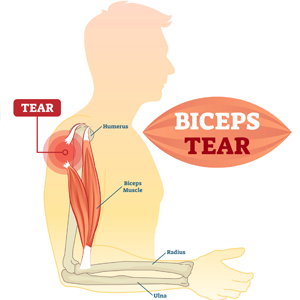
biceps tear

2. Patient Regains Use of Arm After Biceps Tear Surgery
Written by the Therapy Team at Ability Rehabilitation with multiple physical therapy locations throughout Central Florida.

After his biceps tendon repair surgery, Rob’s right arm was in a fragile state; it was locked at the elbow and Rob was fearful of moving it and causing further injury. Read more


pain neuroscience

3. Physical Therapists Undergo Pain Neuroscience Education
Written by the physical therapy team at ARC Physical Therapy+ with locations across Kansas, Missouri and Iowa.

Evidence has shown that neuroscience educational strategies focused on teaching people in pain more about the biological and physiological processes involved in their pain experience, changes patient beliefs regarding their pain, thus reducing the threat of pain. Read more

PT News PTandMe

PT News February 2019

PT News PTandMe

This time in PT News we recap what our clinics have been posting throughout February 2019. We are excited to begin a new year of new posts featuring published articles from PTandMe partnering clinics!


2. Can I Exercise Safely with a Cold?
Written by the Therapy Team at The Jackson Clinics with physical therapy locations throughout Northern Virginia and Maryland.

The average adult gets one to six colds every year, with symptoms lasting a week to 10 days. Should you let these colds interrupt your exercise routine? Probably not, as long as you pay attention to what your body tells you. Read more


3. Physical Therapy for the Treatment of Osteoporosis
Written by the physical therapy team at Mishock Physical Therapy & Associates with locations throughout Montgomery, Berks and Chester, PA counties.

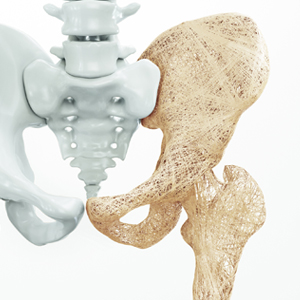
Osteoporosis is the leading cause of fractures in the elderly. It is a disease which causes diminished bone mass and leads to a decrease in bone quality which results in increased risk for bone fractures. Fractures can lead to functional disability, chronic pain, and at times, early death. Read more

PT News PTandMe

PT News January 2019

PT News PTandMe

This time in PT News we recap what our clinics have been posting throughout January 2019. We are excited to begin a new year of new posts featuring published articles from PTandMe partnering clinics!

neck pain

1. Improving your Bed & Workstation Setup can Help Reduce your Neck Pain
Written by Sport & Spine Physical Therapy with 5 physical therapy locations throughout Southern Wisconsin.

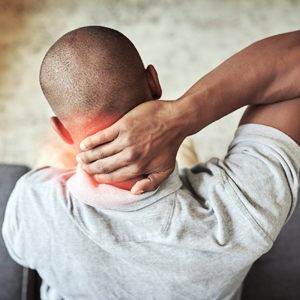
The neck has an incredibly important job to do. It supports the head and allows us to move it in a wide range of directions so that we can better navigate the world around us. But because of how frequently it’s used and its position in the body, the neck is also a very common location for pain, and sometimes all it takes is one bad night’s sleep to ruin your day.  Read more


Dry Needling

2. What is Dry Needling and How Does it Work?
Written by the Therapy Team at Momentum Physical Therapy with 12 physical therapy locations throughout Greater San Antonio.

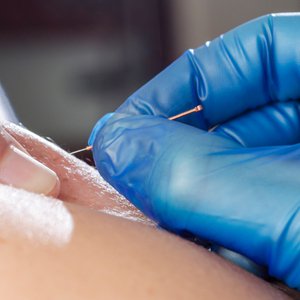
You may have heard of acupuncture, but have you heard of dry needling? If you’re up for trying new things to help with your physical therapy, keep reading to get more information on dry needling and how it works in physical therapy.  Read more

Work Injury Patient

3. Rehabilitation Program Gets Man Safely Back to Work After Two Different Operations
Written by the physical therapy team at Ability Rehabilitation with locations throughout Greater Orlando and the Tampa Bay Area

Carlos needed two different surgical procedures three years apart to repair a torn rotator cuff and an injured bicep muscle. But he also had a family to support and a paycheck to earn; he didn’t have the luxury of taking an extended leave of absence from work. Read more

seniors start exercising

Seniors: It’s Never Too Late to Start Exercising

seniors start exercising

For years, seniors have attributed their aches, pains, and illnesses to the normal aging process. Age is often used as a reason to avoid exercise. But a regular exercise program can improve the quality of your life and help you avoid illness, including heart disease, stroke, and diabetes. As always, you should consult with your health care provider before starting any exercise program.

WHAT WE KNOW
Most people know that with age, come certain physiological changes. Studies show that we lose the following as we age:
• Lean muscle tissue—Most of us will lose muscle mass as we get older. We usually hit our peak muscle mass early—around age 20—and begin losing muscle mass thereafter.
• Aerobic capacity—The aerobic capacity is the ability of the heart and the body to deliver and use oxygen efficiently. Changes in the heart and decrease in muscle tissue decrease aerobic capacity.
• Balance—As we age, our ability to balance decreases, making falls and injuries more likely. The loss of muscle is a major contributor to losses on balance.
• Flexibility—Our joints and tendons lose some of their range of motion with age, making it difficult to bend and move around comfortably.
• Bone density—Most of us reach our peak bone density around age 20. After that, bones can become gradually thinner and weaker, which can lead to osteoporosis.

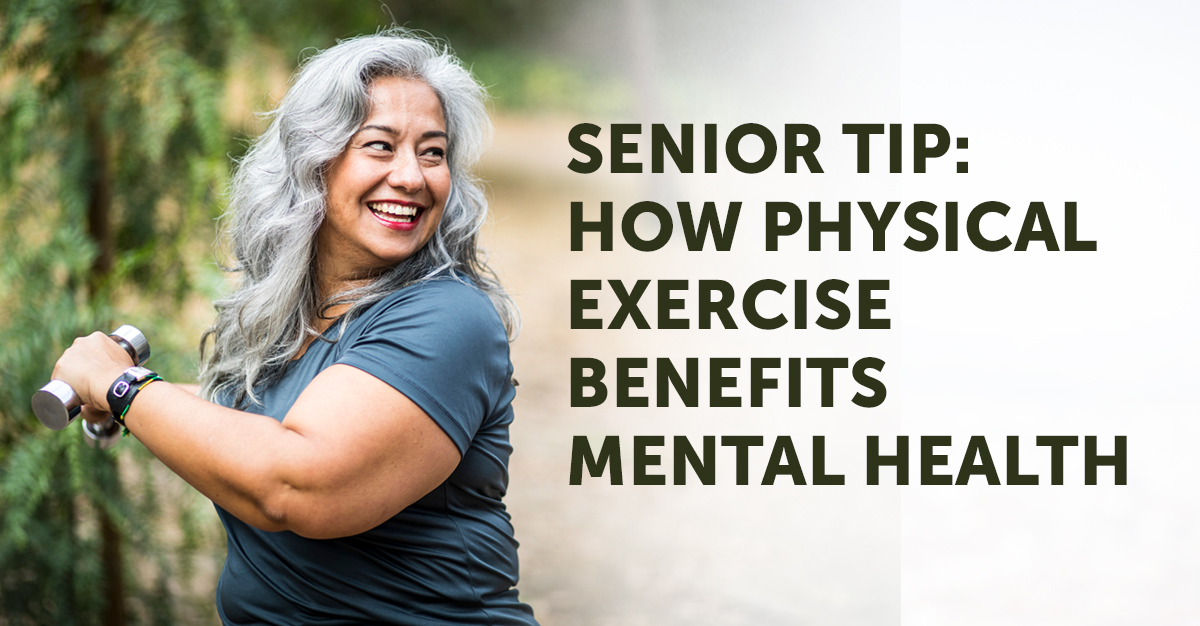
Fortunately, regular exercise can help delay some of these changes and give you the energy you need to do everyday activities like walking, shopping, and playing with your grandchildren. Exercise may even help decrease depression and stress, improve mood and self-esteem, and postpone age-related cognitive decline.

By adding endurance, strength, flexibility, and balance training into your routine, you will be healthier, happier, and more energetic.

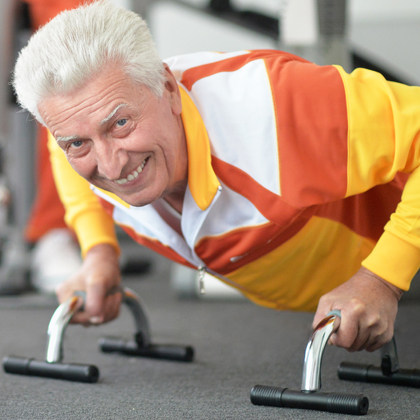
senior push ups

ENDURANCE
Decades ago, doctors rarely recommended aerobic exercise for older people. But we now know that most people can safely do moderate exercises. Studies have shown that doing aerobic exercise just a few days a week can bring significant improvements in endurance.

Aim to get 30 minutes of moderate exercise—such as brisk walking, bicycling, or swimming—at least 5 days a week. You do not have to do 30 minutes at once—you can break these sessions up into two 15-minute sessions or three 10-minute sessions. Moderate exercise will cause your heart rate to rise and your breathing to be slightly elevated, but you should still be able to carry on a conversation.

STRENGTH
It is not just aging that makes people lose muscle. One of the main reasons older people lose muscle mass is that they stop exercising and doing everyday activities that build muscle.

Building stronger muscles can help protect your joints, strengthen your bones, improve your balance, reduce the likelihood of falls, and make it easier for you to move around in general. Even small changes in your muscle size and strength—ones that you cannot even see—will make things like walking quickly across the street and getting up out of a chair easier to do.

Aim to do strength exercises (eg, weight lifting) every other day, or at least twice a week. For each exercise, do three sets of 8-12 repetitions.

FLEXIBILITY
Increasing your overall activity level and doing stretching exercises can markedly improve your flexibility.

To improve the flexibility—or range of motion—of your joints, incorporate bending and stretching exercises into your routine. A good time to do your flexibility exercises is after your strength training routine. This is because you muscles will already be warmed up. Examples of exercises that you may enjoy include Tai chi, yoga, Pilates, and exercises that you do in the water.

By regularly stretching, you will be able to move around easier. You may also feel less stressed, and your posture will improve.

BALANCE
Just becoming more physically active will improve your balance and decrease your risk of falling. If you add some basic balancing exercises to your exercise routine, you will begin feeling more stable on your feet. Balance exercises can be done just about anywhere and usually require no more equipment than a chair.

Keep in mind that if you are having severe problems with balance, a fall prevention physical therapy program can be a great way to regain your balance, increase strength or improve flexibility.

GETTING STARTED
To avoid injury, start slowly. Add one or two sessions a week at first and progress from there as you begin to feel stronger. A physical therapist, or other health professional, can help develop a program that will be both safe and effective. Check with your local fitness or community center, which may offer exercise classes designed especially for older adults. Check with your primary health care provider if you are planning to participate in vigorous activities.

Remember, it is never too late to start exercising. The sooner you start, the sooner you will start feeling healthier, more energetic, and less stressed.

RESOURCES:
American Heart Association
http://www.heart.org

The President’s Council on Physical Fitness, Sports, and Nutrition
http://www.fitness.gov

CANADIAN RESOURCES:
Health Canada
http://www.hc-sc.gc.ca

Public Health Agency of Canada
http://www.phac-aspc.gc.ca

REFERENCES:

Effects of aging. American Academy of Orthopaedic Surgeons website. Available at: http://orthoinfo.aaos.org/topic.cfm?topic=A00191. Updated September 2009. Accessed April 4, 2016.

Exercise and physical activity: your everyday guide from the National Institute on Aging. National Institute on Aging website. Available at: http://www.nia.nih.gov/health/publication/exercise-physical-activity-your-everyday-guide-national-institute-aging-1. Updated February 16, 2016. Accessed April 4, 2016.

Physical activity: glossary of terms. Centers for Disease Control and Prevention website. Available at: http://www.cdc.gov/nccdphp/dnpa/physical/terms/index.htm#Moderate. Updated June 10, 2015. Accessed on April 4, 2016.

EBSCO Information Services is fully accredited by URAC. URAC is an independent, nonprofit health care accrediting organization dedicated to promoting health care quality through accreditation, certification and commendation.

PT News PTandMe

PT News December 2018

PT News PTandMe

This time in PT News we recap what our clinics have been posting throughout December, 2018. Featuring published articles from PTandMe partnering clinics!

Shedding Holiday Pounds

1. Shed Those Extra Holiday Pounds
Written by The Jackson Clinics with physical therapy locations throughout Northern Virginia and Maryland.

The holidays are here once again, with all their edible temptations, and you would like to get into better shape after they have passed. This time you are determined to find an approach that will prevent frustration, keep you motivated and help you achieve your fitness goal.  Read more


Snow Shoveling

2. Prevent Low Back Pain While Shoveling Snow
Written by the Therapy Team at Rehab Associates of Central VA with 11 physical therapy locations throughout Central Virginia.

As I was shoveling the snow off my driveway this week, I quickly realized that I needed to adjust my technique or I was going to pay for it later. Injury can result from repetitive movements with a general lack of awareness and variability in movement and may be prevented with some easy steps.  Read more

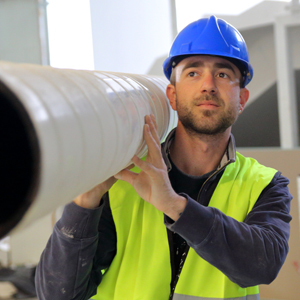
Fire fighter workers compensation

3. One Fire Captain’s Story: From a Workers’ Comp Injury to a Full Recovery
Written by the Therapy Team at ARC Physical Therapy+ with locations across Kansas, Missouri and Iowa

Bryan Bogue, the Fire Captain with the City of Independence, Missouri Fire Department was on a medical call and needed to lift a heavy bag over a concrete wall. It seemed like a fairly straightforward task until he raised his arms and felt a tendon snap in his elbow. The pain was immediate and severe. Read more

PT can Help

Elf Injuries and How PT Can Help: Part 1 of 3

Elf Injuries_2016-11_FBsize

It’s that time of year, when we check in on Santa’s helpers to see if they can use some physical therapy. With their heavy lifting and high demand job they’re always experiencing injuries. Our new elf friend Ziggy, is the perfect patient for physical therapy. Let’s see how PT can help Ziggy!

Here’s part of his story…

Ziggy was working late one night in the North Pole. When all of a sudden… he lifted a large toy scooter and fell over on to his back. OUCH!

elf on PT & Me website

Luckily, Santa and his elves have an amazingly good north pole internet provider, and Ziggy was able to go online to the PTandMe website and find great physical therapy clinics in his area.

elf on pt table

Now Ziggy is at one of PT & Me’s physical therapy clinics with one of our trusted therapists to help relieve him of all his back pain. He will be back to making more toys real soon, just in time for the holiday!

See Ziggy’s complete physical therapy experience here!

elf injuries physical therapy PTandMe   Elf on the Shelf Physical Therapy

elf injuries

Special thanks to Action Physical Therapy, in Houston, TX, for accommodating the demanding work schedule of Santa’s elves. Click Here for more information about Action Physical Therapy.