Category Archives: Blog

holiday stress

Tips for Reducing ADHD Related Holiday Stress and Anxiety

HolidayStess_FBsize

Ah, the holidays. The lights. The carols. The food. The family. It’s the most wonderful time of year. Right? Well, for many of us, the holidays are far more jangled nerves than joyful noise. And if you or a loved one suffers from ADHD, the stress of the holidays can be almost too much to bear. If you have ADHD, you already know how lonely and frustrating it can be when the holidays roll around, and it seems that everyone in the world is in the holiday spirit but you.

Increased Stress, Fatigue, and Sadness are Common During the Holidays
The truth is, though, that the season of celebration is also the season of stress. No one is immune to the pressures of the season. But the disruption of normal, daily routines, the added responsibilities of social engagements and familial obligations, and the abundance of symptom-exacerbating holiday foods make the stresses of the holidays particularly acute for ADHD sufferers.

Nevertheless, whether you or someone close to you has ADHD, or you are just seeking to navigate the season with more pleasure and less pain this year, there are some simple things you can do to manage holiday stress. The following techniques, derived primarily from cognitive-behavioral therapy (CBT), might just help you relax and enjoy the magic of the season.

1. Make a Plan
As much as we hate to admit it, there are only so many hours in a day and there’s a limit to what we can accomplish in those hours. So take some time before the rush and tumult of the holidays begin to prioritize what you want, need, and must do for the holidays. Figure out what matters most to you and yours and set up a clear, incremental strategy for getting it done. Knowing you have a doable action plan in place and working a little each day on your holiday tasks can minimize stress, worry, and fatigue, leaving you with the time and energy to actually enjoy the season. Whether it’s allotting five minutes a day for writing holiday cards or two hours of online gift shopping each Saturday, the best way to eat the elephant is one bite at a time.

2. Be Realistic
Yes, you’re good. You’re a rock star. But as awesome as you are, you’re still just one person. And trying to do it all is just not possible—and it’s also just not fair. The answer? Delegate! Have a sister who is a Mozart in the kitchen? Put her in charge of the meal preparation. Have a spouse who’s a Picasso of design? Let him handle the holiday decorating. Not only will this take some of the pressure off you, but it will enable you to enjoy what the holidays are really all about anyway: spending time and making memories with those you love.

stress

3. Forget Perfection
Face it, life is not a Frank Capra movie (and even good old George Bailey had it pretty rough there for a while). So let go of the fantasy of a Capra Christmas or a humdinger of a Chanukah. Inevitably, something is going to get lost or broken; invariably someone’s going to burn the bread or forget the cookies. And, yes, somebody is going to hurt anyone’s feelings. But that’s life. Real life—the good, the bad, and the ugly. Just remember that the imperfections are what make it real, unique, and, in the long run, beautiful. These screw-ups and squabbles that we put such desperate pressure on ourselves to prevent in our pursuit of some fictitious “perfect” holiday are exactly the things we will remember so fondly, and laugh about most heartily with our dear ones, in the years to come.

4. Practice Extreme Self-Care
No matter what the greeting card companies say, the holidays are not the time for self-sacrifice. The only thing playing the martyr will get you is stress, exhaustion, and resentment. Ho, ho, ho. Instead of running yourself ragged, make sure that you do what you need to do to recharge your batteries, to nourish your mind, body, and spirit. Take an hour each day to do something that gives you joy: a warm bath, a long walk, a good book—a nap.

While you’re at it, don’t forget about exercise and nutrition. Indulging in holiday treats is fine. Complete denial will only lead to resentment. But everything in moderation. Rich, highly processed, sugary, and fatty foods can worsen ADHD symptoms. Be selective about what, when, and how much you eat, and remember that exercise, whether an hour of yoga or a brisk bike ride, can help to dispel the brain fog borne of these less-than-healthy foods—not to mention working off some of that holiday stress when it does come!

Begin Reducing Your Stress Today!
Whether you or a loved one has ADHD, or you only want to thrive and not just survive this holiday season, these few simple techniques can make it possible. For more information about ADD/ADHD in adults, please read: https://openforest.net/attention-deficit-disorder-adults/, Wishing you and yours less stress and more joy this holiday season!

Looking for a way to help manage ADHD? You can find natural remedies  here.

Written by Terri Beth Miller, MA, PhD. She is freelance writer and contributor to Open Forest, the online mental health self-help website.


Elf Injuries and How PT Can Help: Part 2 of 3

It’s that time of year, when we check in on Santa’s helpers to see if they can use some physical therapy. With their heavy lifting and high demand job they’re always experiencing injuries. Our new elf friend Ziggy, is the perfect patient for PT.

When we last left off…

Ziggy was at one of PTandMe’s partnering physical therapy clinics.
He first had to check in with our friendly and helpful receptionist.

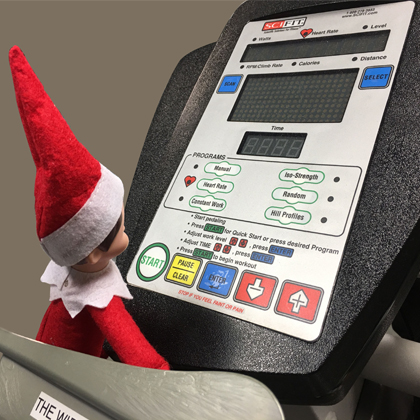
Then Ziggy warmed up on one of our many clinic’s treadmills to help strengthen his aching back.

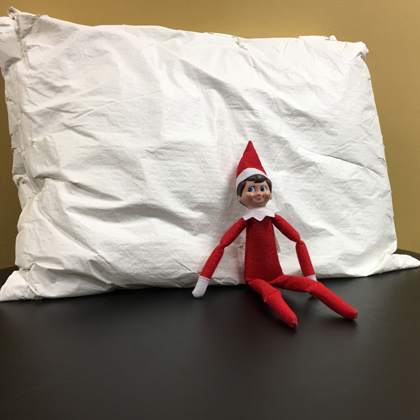
Now Ziggy is awaiting the arrival of one of our trusted physical therapists, who will provide him with stretching techniques and exercises to help relieve his back pain.

elf on pt table2

To be continued…

See Ziggy’s complete physical therapy experience here!

elf injuries physical therapy PTandMe   Elf on the Shelf Physical Therapy

elf injuries

Special thanks to Action Physical Therapy, in Houston, TX, for accommodating the demanding work schedule of Santa’s elves. Click Here for more information about Action Physical Therapy.

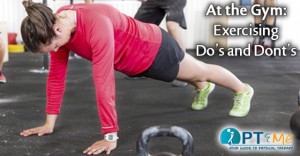
How to Exercise at the gym

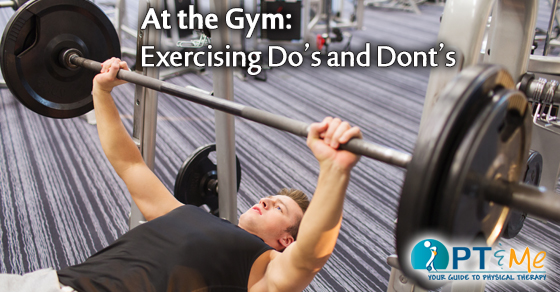
Exercising Do’s and Don’ts

In the fourth installment of our “At The Gym” series we examine how to exercise at the gym from start to finish. If you have any sudden significant increase in pain, swelling, or discoloration while performing or following exercise, discontinue immediately and contact your physician or therapist at your next therapy session.

How to Exercise at the gym

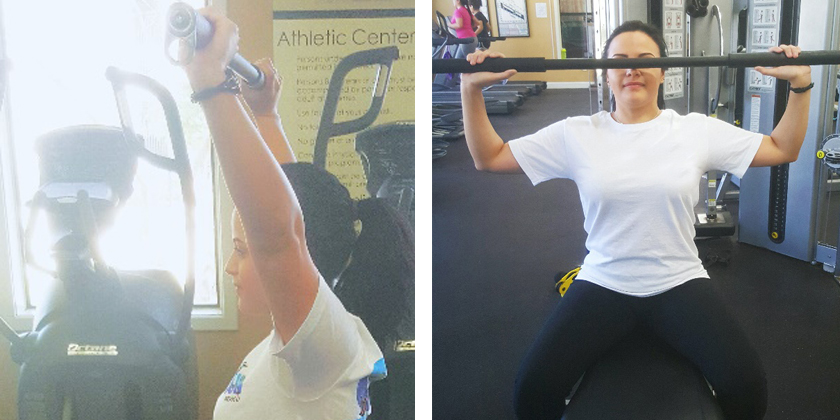
MILITARY SHOULDER PRESS
* How to exercise at the gym top tip: It is generally not recommended to do this exercise due to undo stress and strain at the shoulder joint.
If you do choose to do a military press, avoid bringing the bar behind the head and make sure that the elbows don’t pass 90⁰ at the bottom of the repetition.

START POSITION
• Seated with back against the seat (if available), with feet flat on the ground.
• Barbell held above head with elbows fully extended and wide grip to facilitate 90⁰ bend at the elbows at the bottom of the rep.

ENDING POSITION
• Bring barbell down until your elbows are bent at 90⁰ with the barbell in front of your face.

DON’T
• Lift feet off the ground.
• Lift off the seat.
• Arch your back.
• Bring barbell down to chest.

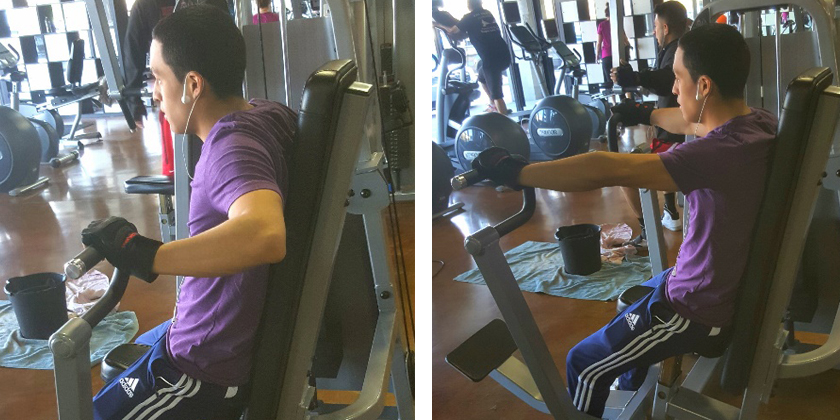
MACHINE CHEST PRESS

START POSITION
• Seated with back against the seat and feet flat on the ground.
• Arms out to your side and elbows flexed at 90⁰ but not coming back past your body (This picture shows the arms back a little too far with the angle at the elbows being a little too deep. Most chest press machines are built so that you have to start in this position which can compromise the shoulder if lifting heavy. If adjustable start in a position a little more forward than this).

ENDING POSITION
• Back against the seat.
• Elbows fully extended.

DON’T
• Lift feet off the ground.
• Lift off the seat.
• Bring bent elbows past your body.

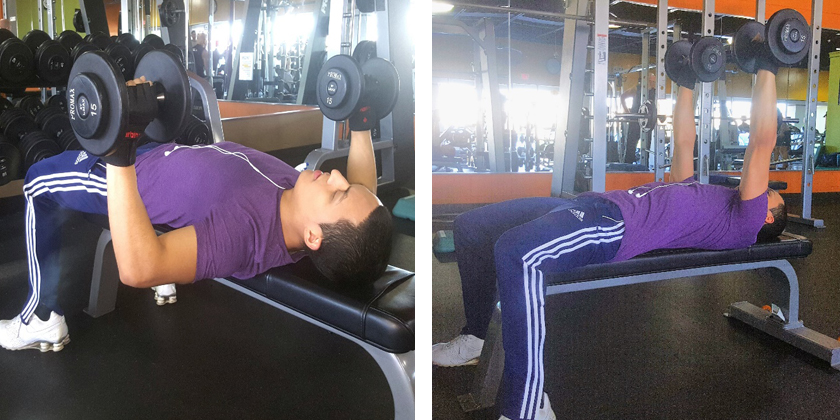
CHEST PRESS

START POSITION
• Lay flat on bench with feet flat on the ground.
• Arms out to your side at 90⁰ with elbows flexed at 90⁰.
• Palms facing lower extremities.

ENDING POSITION
• Elbows fully extended.

DON’T
• Allow elbows to come down past bench height or 90⁰ bend.
• Left feet off the ground.
• Arch your back.

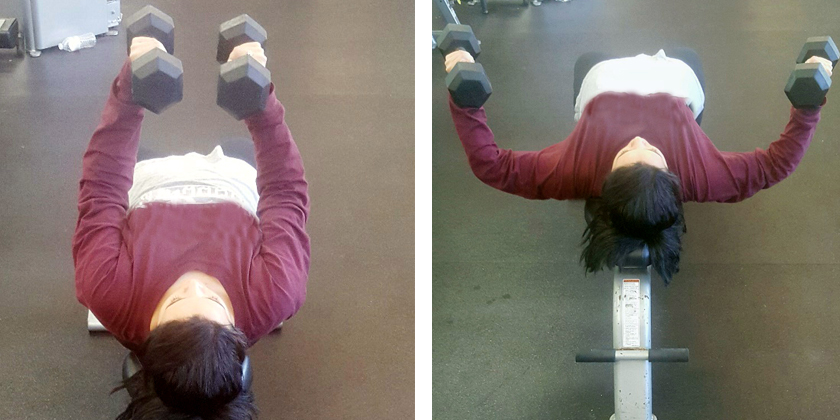
CHEST FLY

START POSITION
• Lay flat on bench with feet flat on the ground.
• Dumbbells touching each other with palms facing each other with elbows slightly bent.

ENDING POSITION
• Arms out at your side at 90⁰ with elbows flexed at about 120⁰.

DON’T
• Lift feet off the ground.
• Arch your back.
• Allow elbows to come down past bench height.

This information was written by STAR Therapy Services, an outpatient physical therapy group with six locations in Houston, Texas. At Star Houston Therapy Services, their number one priority is the patient. They strive to provide individualized treatment with hands-on, compassionate care. They perform comprehensive evaluations and encourage patient input for treatment planning and goal setting. For more information click here.

Knowing how to exercise at the gym, can build confidence and reduce the likelihood of injury. View the complete Exercising Do’s and Don’ts series below:


exercising do's and dont's

dry needling physical therapist

Trigger Point Dry Needling

Trigger Point dry needling_FBsize

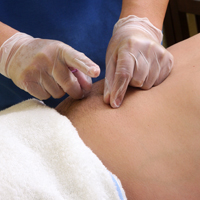
Dry needling uses small, thin needles to stimulate underlying myofascial trigger points, muscular and connective tissues for the management of many orthopedic conditions, both acute and chronic. By inserting a needle into the dysfunctional tissue, it often leads to a contraction of the muscle which then stimulates a relaxation. This leads to a reduction of pain, improvements in flexibility and a restoration of normalized movement when combined with corrective exercises.

WHAT IS A MYOFASCIAL TRIGGER POINT?
A myofascial trigger point is a hyperirritable spot within a taut band of skeletal muscle that produces local or referred pain. The trigger point can lead to increased pain, decreased flexibility and decreased muscle function if not treated. Trigger point dry needling is a safe, effective and efficient treatment technique to release these painful spots.

dry needling

WHAT TYPE OF PROBLEMS CAN BE TREATED?
Muscle dysfunction can be the primary or secondary contributing factor to many neuromusculoskeletal conditions.

WHAT YOU NEED TO KNOW:
• Dry needling must be specifically prescribed by a physician.
• Dry needling is not covered by insurance, it is a cash based modality.

This information was written by The Jackson Clinics, a locally owned physical therapy practice in multiple locations throughout Northern Virginia. They specialize in outpatient orthopedics and sports rehabilitation. Their therapists and assistants possess advanced clinical skills in spinal disorders, sacroiliac joint dysfunction and peripheral joint problems, including rotator cuff injuries, knee injuries and foot and ankle pain. They also also have specialty programs in breast cancer rehab, vestibular rehab, pediatrics, post-cancer rehab, aquatic therapy and women’s health. For more information click here.

PT News

This Month in PT News. Featuring articles from PTandMe partnering clinics!

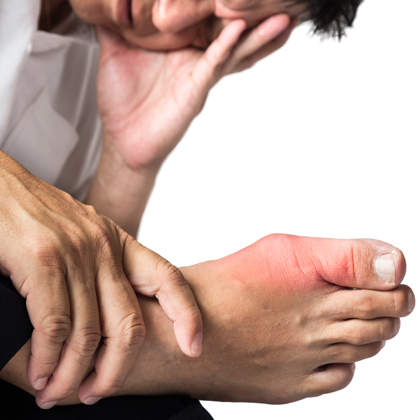
2. Kick the Pain of Gout
Written by the Therapy Team at the Jackson Clinics – Middleburg, VA

In this age of gyms on every corner and fitness-focused reality television shows and entire networks, it’s easy to think of a high-impact workout as a panacea for all kinds of physical ailments. Read more

3. Four Ways to Make Holiday Travel Pain Free 
Written by Therapy Team at Momentum Physical Therapy – San Antonio, TX

‘Tis the season for holiday travel. The hustle and bustle is unavoidable with people moving through airports, piling into traffic, and some even traveling by bus to reach their destination. Read more

December 2016 Events

Check out our Physical Therapy Monthly Events Calendar! Focusing on events from PTandMe.com participating physical and occupational therapy clinics. Read more to find out what’s happening in your community in December 2016!

GEORGIA PHYSICAL THERAPY EVENTS

ROME, GA
DATE: November 23rd – December 16th 2016
Advance Rehabilitation Canned Food Drive
CLINIC: Advance Rehabilitation – Rome
Help Feed the Hungry This Holiday Season.
Advance Rehabilitation is accepting food donations at all locations through December 16th
Pantry Program Needed Items are:
• Canned Vegetables (low sodium or no added salt)
• Canned Fruit (in its own juice or 100% juice)
• Canned Tomato Products (low sodium or no added salt)
• Canned Tuna/Chicken (low sodium)
• Boxed Potatoes
• Boxed/Bagged Stuffing
• Whole Grains
• Brown Rice

All South Georgia locations are accepting donations along with Columbus, GA.
For more information about Advance Rehabilitation, visit them online at http://www.advancerehab.com.

MICHIGAN PHYSICAL THERAPY EVENTS

GRAND RAPIDS, MI
DATE: December 6th 2016, 5:30PM – 6:30PM
CPR Downtown Yoga Classes Begin!
CLINIC: The Center for Physical Rehabilitation – Downtown Grand Rapids
Join the Academy at CPR’s Downtown location for an “All Levels Yoga Class”. Whether you are new to the mat, or an experienced student, this class is designed for everyone to work at their own ability and comfort level. New students will be exposed to basic poses and body positioning, while more experienced student will be challenging their body through variations in poses they have mastered.
For more information about The Center for Physical Rehabilitation, visit them online at http://www.pt-cpr.com.

SALINE, MI
DATE: December 10th 2016, 10:00AM – 1:30PM
Saline Area Chamber of Commerce Treasure Trail to Santa
CLINIC: Physical Therapy In Motion – Saline
The event is the Saline Area Chamber of Commerce Treasure Trail to Santa at the Saline Shopping Center. Children will go on a treasure trail starting at Physical Therapy in Motion, stopping at all of the businesses for a treat, and end at Busch’s to see Santa. Carriage rides, photo booth, and a petting farm will be available. For more information about Physical Therapy In Motion, visit them online at http://www.physicaltherapyinmotion.com/.

NEW JERSEY PHYSICAL THERAPY EVENTS

NEW MILFORD, NJ
DATE: November 23rd – December 23rd 2016
Spread the Warmth Blanket & Jacket Drive
CLINIC: Madison Spine & Physical Therapy – New Milford
Please support the Madison Spine & Physical Therapy charity campaign by donating today! On December 23rd They will drive into NYC with the Donations & Hand Them Out to Those Who Could Use a Little Warmth!
Items needed are:
• JACKETS
• BLANKETS
• BOOTS
• GLOVES
• HATS
• SCARVES
YOU DONATE, MADISON SPINE DELIVERS! Let’s all come together and make a difference! All locations are accepting donations now. For more information about Madison Spine & Physical Therapy, visit them online at http://madisonspinept.com/physicaltherapy.

TENNESSEE PHYSICAL THERAPY EVENTS

PULASKI, TN
DATE: December 8th 2016, 11:30AM – 1:00PM
Sudden Violence: Surviving an Active Shooter
CLINIC: STAR Physical Therapy, LP – Pulaski
Giles County Workforce Employer Outreach Committee invites you to join us for an informative lunch and learn. Lunch Provided by STAR Physical Therapy.
Speaker: Barry Crotzer, Agent – TN Homeland Security
Located at: First National Bank Building, 206 South 1st Street, Pulaski, TN
Please RSVP by Tuesday, December 6th online: https://goo.gl/forms/0ckSzRdplrMv89m13
We look forward to seeing you there!
For more information about STAR Physical Therapy, LP, visit them online at http://www.starpt.com.

MURFREESBORO, TN
DATE: December 14th 2016, 12:00PM – 1:30PM
Sudden Violence: Surviving an Active Shooter
CLINIC: STAR Physical Therapy, LP – Murfreesboro
The WEOC is an ongoing effort by the TN Department of Labor & Workforce Development to reach out to Tennessee employers and provide valuable information to foster economic development and to promote our services. Lunch Sponsored by STAR Physical Therapy.
Speaker: Barry Crotzer, Agent – TN Homeland Security
Located at: Rutherford County Chamber of Commerce, 3050 Medical Center Parkway, Murfreesboro, Tennessee 37129.
Please RSVP by Tuesday, December 12th online: https://goo.gl/forms/qWqCr8LJoPdSk6Ex1
We look forward to seeing you there!
For more information about STAR Physical Therapy, LP, visit them online at http://www.starpt.com.

postoperative physical therapy

Postoperative Physical Therapy

Postopertive physical therapy after surgery

Postoperative physical therapy after a Total Hip Replacement is essential to your recovery. Your physical therapist will follow your physician’s protocol and will focus on range of motion exercises, progressive strengthening exercises, gait training, balance training, and activity specific training to meet your specific needs. Modalities such as ice and e-stim may be used to help reduce discomfort and swelling. It is very important to complete your home exercise program as directed by your physical therapist and physician.

RANGE OF MOTION EXERCISES
Swelling and pain can make you move your knee less. Your physical therapist can teach you safe and effective exercises to restore the range of motion to your knee so that you can perform your daily activities.

STRENGTHENING EXERCISES
Weakness of the muscles of the thigh and lower leg is typical after surgery. Your physical therapist can determine the best strengthening exercises for you with the goal of no longer needing a cane or walker to walk.

post op

BALANCE TRAINING
Specialized training exercises can help your muscles “learn” to adapt to changes in your world such as uneven or rocky ground. When you are able to put your full weight on your knee without pain, your physical therapist may add agility exercises so that you can safely and quickly change directions or make quick stops or starts. They may use a balance board that will challenge your balance and knee control. These exercises will be safe and fun.

GAIT TRAINING
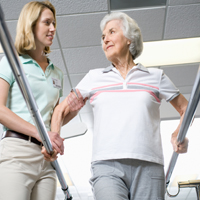
Your physical therapist will work with you in retraining your gait following your surgery using appropriate assistive devices such as a walker or cane. They will make sure that you will be able to safely and confidently go up and down stairs, negotiate curbs, and inclines, etc.

ACTIVITY SPECIFIC TRAINING
Depending on the requirements or your job or the type of recreational activities you enjoy, your physical therapist will tailor your program so that you can meet your specific demands.

This article about postoperative physical therapy was written by STAR Physical Therapy, an outpatient physical therapy group with over sixty locations in Tennessee. Established in 1997 with one clinic and one mission – to serve. Today, they have grown to offer that direct service in more than 60 clinics, and while they’ve grown, one thing that has not changed is their commitment to you, their communities, and their employees. For more information click here.

exercise at the gym

Exercising Do’s and Dont’s

AtTheGym#3_FBsize

In the third installment of our gym series we examine the proper ways to exercise at the gym from start to finish. If you have any sudden significant increase in pain, swelling, or discoloration while performing or following exercise, discontinue immediately and contact your therapist at your next therapy session.

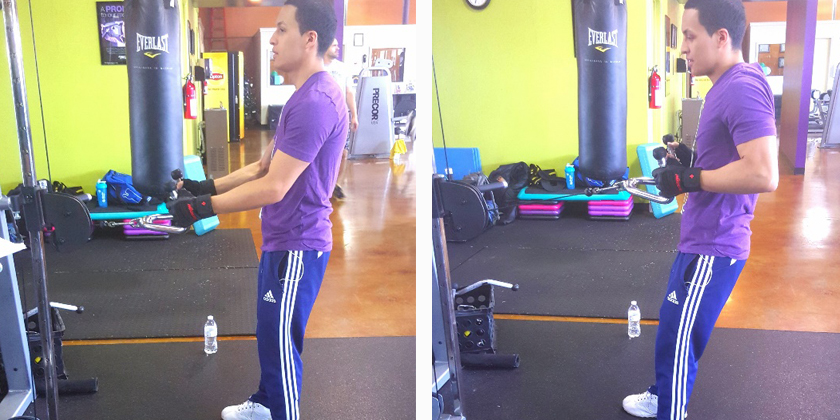
SCAPULAR RETRACTION / ROW

START POSITION
• Standing or seated with back in neutral with feet shoulder width apart.
• Squeeze shoulder blades together.
• Elbows slightly bent and forearms parallel to the floor.

ENDING POSITION
• Elbows at 90⁰ flexion.
• Shoulders pulled back.
• Hands at your sides at shoulder width and forearms parallel to the floor.

DON’T
• Swing body back and forth.
• Let the weight pull you forward between repetitions (keep the shoulders back).
• Shrug.

exercise at the gym

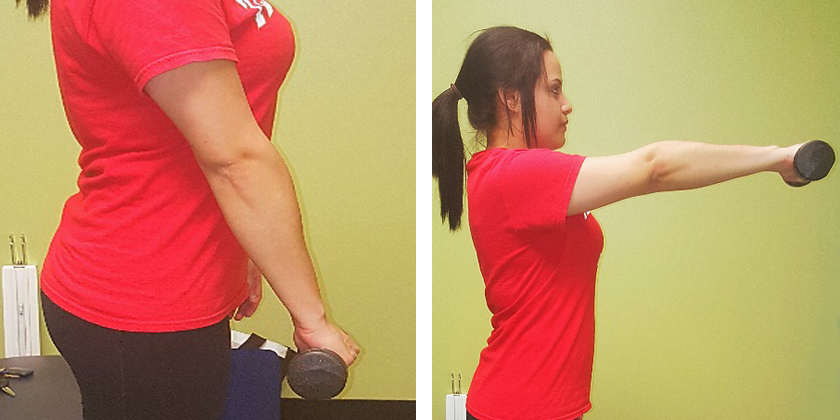
ANTERIOR DELTOID – FRONTAL RAISE

START POSITION
• Standing with spine in neutral position with feet shoulder width apart.
• Palms facing down.

ENDING POSITION
• Arm raised to 90⁰ directly in front of you.
• Elbow in full extension.

DON’T
• Raise arm past 90 degrees.
• Swing body back and forth.
• Rotate wrist.
• Shrug shoulders.

exercise at the gym

LATERAL DELTOID – LATERAL RAISES

START POSITION
• Standing with spine in neutral position with feet shoulder width apart.
• Elbows bent at 90 degrees.

ENDING POSITION
• Arms raised to 90 degrees at your side.
• Palms facing down.

DON’T
• Raise arms past 90 degrees.
• Swing body back and forth.
• Shrug shoulders.

exercise at the gym

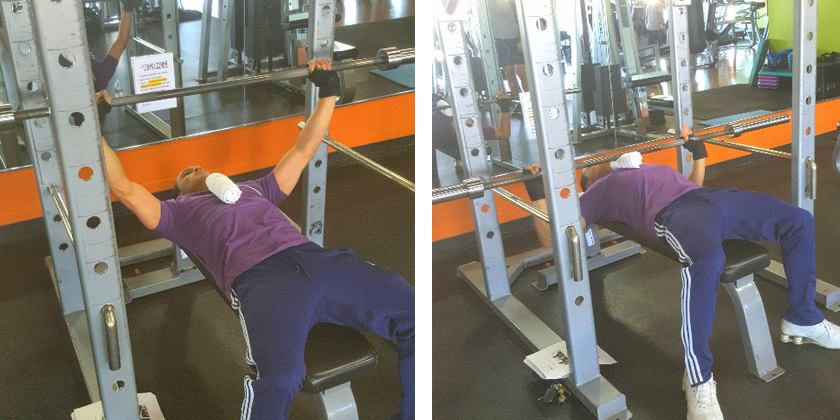
BENCH PRESS

START POSITION
• Lay flat on bench with both feet flat on the ground.
• Place a rolled towed in the center of the chest.
• Arms extended with wide grip to facilitate 90 degree bend at the elbow at the bottom of repetition.

ENDING POSITION
• Lower slowly until the bar touches the towel
• Elbows should not pass the height of the bench bending to about 90 degrees.

DON’T
• Lift feet off the ground.
• Arch your back.
• Bounce bar off your chest (barbell should only touch the towel lightly).

This information about exercise at the gym was written by STAR Therapy Services, an outpatient physical therapy group with six locations in Houston, Texas. At Star Houston Therapy Services, their number one priority is the patient. They strive to provide individualized treatment with hands-on, compassionate care. They perform comprehensive evaluations and encourage patient input for treatment planning and goal setting. For more information click here.

View the complete Exercising Do’s and Don’ts series below:


exercising do's and dont's

Type 2 Diabetes

Type 2 Diabetes (Diabetes Mellitus Type 2; Insulin-Resistant Diabetes; Diabetes, Type 2)

Type 2 Diabetes_FBsize

Definition
Glucose is a type of sugar. It comes from food, and is also created in the liver. Glucose travels through the body in the blood. It moves from the blood to cells with the help of a hormone called insulin. Once glucose is in those cells, it can be used for energy.

Diabetes is a condition that makes it difficult for the body to use glucose. This causes a buildup of glucose in the blood. It also means the body is not getting enough energy. Type 2 diabetes is one type of diabetes, and it is the most common.

Medication, lifestyle changes, and monitoring can help control blood glucose levels.

Causes
Type 2 diabetes is often caused by a combination of factors. One factor is that your body begins to make less insulin. A second factor is that your body becomes resistant to insulin. This means there is insulin in your body, but your body cannot use it effectively. Insulin resistance is often related to excess body fat.

Risk Factors
Type 2 diabetes is more common in people who are aged 45 years and older. It is also common in younger people who are obese and belong to at-risk ethnic groups. Other factors that increase your chance for type 2 diabetes include:
• Prediabetes — impaired glucose tolerance and impaired fasting glucose
• Metabolic syndrome — a condition marked by elevated cholesterol, blood glucose, blood pressure, and central obesity
• Excess weight or obesity, especially central obesity
• Lack of exercise
• Poor diet — high intake of processed meats, fats, sugar-sweetened foods and beverages, and calories
• Family history of type 2 diabetes
• High blood pressure
• History of cardiovascular disease
• Depression
• History of gestational diabetes, or having a baby that weighs over 9 pounds at birth
• Endocrine disorders, such as Cushing’s syndrome, hyperthyroidism, acromegaly, polycystic ovary syndrome, pheochromocytoma, or glucagonoma
• Conditions associated with insulin resistance, such as acanthosis nigricans
• Certain medications, such as glucocorticoids or thiazides
• Certain ethnic groups, such as African American, Hispanic, Native American, Hispanic American, Asian American, or Pacific Islander

Symptoms
You may have diabetes for years before you have symptoms. Symptoms caused by high blood sugar or include:
• Increased urination
• Extreme thirst
• Hunger
• Fatigue
• Blurry vision
• Irritability
• Frequent or recurring infections
• Poor wound healing
• Numbness or tingling in the hands or feet
• Problems with gums
• Itching
• Problems having an erection

Diagnosis
The doctor will ask about your symptoms and medical history. You will also be asked about your family history. A physical exam will be done.

Diagnosis is based on the results of blood testing. American Diabetes Association (ADA) recommends diagnosis be made if you have one of the following:
• Symptoms of diabetes and a random blood test with a blood sugar level greater than or equal to 200 mg/dL (11.1 mmol/L)
• Fasting blood sugar test is done after you have not eaten for 8 or more hours—showing blood sugar levels greater than or equal to 126 mg/dL (7 mmol/L) on two different days
• Glucose tolerance test measures blood sugar 2 hours after you eat glucose—showing glucose levels greater than or equal to 200 mg/dL (11.1 mmol/L)
• HbA1c level of 6.5% or higher—indicates poor blood sugar control over the past 2-4 months

* mg/dL = milligrams per deciliter of blood; mmol/L = millimole per liter of blood

Treatment
Treatment aims to:
• Maintain blood sugar at levels as close to normal as possible
• Prevent or delay complications
• Control other conditions that you may have, like high blood pressure and high cholesterol

Diet
Food and drinks have a direct effect on your blood glucose level. Eating healthy meals can help you control your blood glucose. It will also help your overall health. Some basic tips include:
• Follow a balanced meal plan. It should include carbohydrates, proteins, and fats.
• Be aware of appropriate serving size. Measure your food to help understand ideal serving size.
• Do not skip meals. Plan your meals and snacks through the day. Having meals throughout the day can help avoid major changes in glucose levels.
• Eat plenty of vegetables and fiber.
• Limit the amount of fat (especially saturated and trans fats) in your foods.
• Eat moderate amounts of protein and low-fat dairy products.
• Carefully limit foods containing high concentrated sugar.
• Keep a record of your food intake. Share the record with your dietitian or doctor. This will help to create an effective meal plan.
diabetes

Weight Loss
If you are overweight, weight loss will help your body use insulin better. Talk to your doctor about a healthy weight goal. You and your doctor or dietitian can make a safe meal plan for you.

These options may help you lose weight:
• Use a portion control plate
• Use a prepared meal plan
• Eat a Mediterranean-style diet

Exercise
Physical activity can:
• Make the body more sensitive to insulin
• Help you reach and maintain a healthy weight
• Lower the levels of fat in your blood

Aerobic exercise is any activity that increases your heart rate. Resistance training helps build muscle strength. Both types of exercise help to improve long-term glucose control. Regular exercise can also help reduce your risk of heart disease.

Talk to your doctor about an activity plan. Ask about any precautions you may need to take.

Medication
Certain medications will help to manage blood glucose levels.

Medication taken by mouth may include:
• Biguanides reduce the amount of glucose made by the body
• Sulfonylureas encourage the pancreas to make more insulin
• Insulin sensitizers to help the body use insulin better
• Starch blockers to decrease the amount of glucose absorbed into the blood
• Sodium-glucose co-transporter 2 (SGLT-2) inhibitors to increase glucose excretion in urine
• Bile acid binders

Some medications needs to be given by injection, such as:
• Incretin-mimetics stimulate the pancreas to produce insulin and decrease appetite, which can assist with weight loss
• Amylin analogs replace a protein of the pancreas that is low in people with type 2 diabetes

Insulin
Insulin may be needed if:
• The body does not make enough of its own insulin
• Blood glucose levels cannot be controlled with lifestyle changes and medications

Insulin is given through injections. There is one short-acting inhaled insulin which may be available for select persons.

Blood Glucose Testing
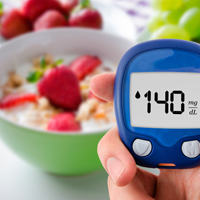
You can check the level of glucose in your blood with a blood glucose meter. Checking your blood glucose levels during the day can help you stay on track. It will also help your doctor determine if your treatment is working. Keeping track of blood sugar levels is especially important if you take insulin.

Regular testing may not be needed if your diabetes is under control and you don’t take insulin. Talk with your doctor before stopping blood sugar monitoring.

An HbA1c test may also be done at your doctor’s office. This is a measure of blood glucose control over a long period of time. Doctors advise that most people keep their HbA1c levels below 7%. Your exact goal may be different. Keeping HbA1c in your goal range can help lower the chance of complications.

Counseling
Depression can undermine your recovery and put you at risk for other complications. Feelings of sadness, hopelessness, and loss of interest in your favorite activities that stay with you for at least 2 weeks should prompt you to call your doctor. Depression is treatable. Your doctor may refer you to counseling to help you better manage your depression and diabetes.

Decreasing Risk of Complications
Over a long period of time, high blood glucose levels can damage vital organs. The kidneys, eyes, and nerves are most affected. Diabetes can also increase your risk of heart disease.

Maintaining goal blood glucose levels is the first step to lowering your risk of these complications. Other steps:
• Take good care of your feet. Be on the lookout for any sores or irritated areas. Keep your feet dry and clean.
• Have your eyes checked once a year.
• Don’t smoke. If you do, look for programs or products that can help you quit.
• Keep track of your moods and be alert for persistent depressive symptoms.
• Plan medical visits as recommended.

Prevention
To help reduce your chance of type 2 diabetes:
• Participate in regular physical activity
• Maintain a healthy weight
• Drink alcohol only in moderation (2 drinks per day for a man, and 1 drink per day for a woman)
• Eat a well-balanced diet:
– Get enough fiber
– Avoid fatty foods
– Limit sugar intake
– Eat more green, leafy vegetables
– Eat whole fruits, especially apples, grapes, and blueberries

by Debra Wood, RN

RESOURCES:
American Diabetes Association
http://www.diabetes.org

National Diabetes Information Clearinghouse
http://diabetes.niddk.nih.gov

CANADIAN RESOURCES:
Canadian Diabetes Association
http://www.diabetes.ca

Public Health Agency of Canada
http://www.phac-aspc.gc.ca

REFERENCES:

American Association of Clinical Endocrinologists, American College of Endocrinology. Medical guidelines for the management of diabetes mellitus. The AACe system of intensive diabetes self-management. 2002 update. Endocrine Practice. 2002;8(suppl 1):S40-S82.

American Diabetes Association Diagnosis and Classification of Diabetes Mellitus. Diabetes Care. 2010;33:S62-S69.

Boren SA, Gunlock TL, Schaefer J, Albright A. Reducing risks in diabetes self-management: a systematic review of the literature. Diabetes Educ. 2007;33:1053-1077.

Causes of diabetes. National Institute of Diabetes and Digestive and Kidney Diseases website. Available at: http://www.niddk.nih.gov/health-information/health-topics/Diabetes/causes-diabetes/Pages/index.aspx. Updated June 2014. Accessed September 3, 2015.

Diabetes. Centers for Disease Control and Prevention website. Available at: http://www.cdc.gov/diabetes/home/index.html. Updated August 18, 2015. Accessed September 3, 2015.

Diabetes mellitus type 2 in adults. EBSCO DynaMed Plus website. Available at: http://www.dynamed.com/topics/dmp~AN~T113993/Diabetes-mellitus-type-2-in-adults. Updated August 29, 2016. Accessed September 29, 2016.

Diabetes mellitus type 2 in children and adolescents. EBSCO DynaMed Plus website. Available at: http://www.dynamed.com/topics/dmp~AN~T901364/Diabetes-mellitus-type-2-in-children-and-adolescents. Updated June 9, 2016. Accessed September 29, 2016.

Diagnosis and classification of diabetes mellitus. Diabetes Care. 2005;28(suppl 1):S37-42.

Dietary considerations for patients with type 2 diabetes. EBSCO DynaMed Plus website. Available at: http://www.dynamed.com/topics/dmp~AN~T270045/Dietary-considerations-for-patients-with-type-2-diabetes. Updated January 19, 2016. Accessed September 29, 2016.

Gaede P, Vedel P, Larsen N, et al. Multifactorial intervention and cardiovascular disease in patients with type 2 diabetes. N Engl J Med. 2003;248:383-393.

Harsch IA. Inhaled insulins: their potential in the treatment of diabetes mellitus. Treat Endocrinol. 2005;4:131-138.

Lee DC, Sui X, Church TS, Lee IM, Blair SN. Associations of cardiorespiratory fitness and obesity with risks of impaired fasting glucose and type 2 diabetes in men. Diabetes Care. 2009;32:257-262.

Marre M. Reducing cardiovascular risk in diabetes. J Hypertens. 2007;(supp 11)S19-22.

Physical activity/exercise and diabetes. Diabetes Care. 2004;27(suppl 1):S58-62.

Rosenbloom AL, Silverstein JH, Amemiya S, et al. ISPAD Clinical Practice Consensus Guideline 2006-2007. Type 2 diabetes mellitus in the child and adolescent. Pediatr Diabetes. 2008;9:512-526.

Rosenzweig JL, Ferrannini E, Grundy SM, et al. Primary prevention of cardiovascular disease and type 2 diabetes in patients at metabolic risk: an endocrine society clinical practice guideline. J Clin Endocrinol Metab. 2008;93:3671-3689.

Skyler JS, Bergenstal R, Bonow RO, et al. Intensive glycemic control and the prevention of cardiovascular events: Implications of the ACCORD, ADVANCE and VA diabetes trials: a position statement of the American Diabetes association and a scientific statement of the American College of Cardiology Foundation and the American Heart Association. Circulation. 2009;119:351-7.

Standards of medical care in diabetes—2009. Diabetes Care. 2009;32:S13-61.

Statement by an AACE/ACE Consensus Panel on Type 2 Diabetes Mellitus: An Algorithm for Glycemic Control. Endocr Pract. 2009;15:540-559.

Traina AN, Kane MP. Primer on pramlintide, an amylin analog. Diabetes Educ. 2011;37(3):426-431.

Type 2. American Diabetes Association website. Available at: http://www.diabetes.org/diabetes-basics/type-2/?loc=HomePage-type2-tdt. Accessed September 3, 2015.

UK Prospective Diabetes Study Group. Effect of intensive blood-glucose control with metformin on complications in overweight patients with type 2 diabetes. Lancet. 1998;352:954-965.

US Preventive Services Task Force: Screening for type 2 diabetes mellitus in adults: U.S. Preventive Services Task Force recommendation statement. Ann Intern Med. 2008;148:846-854.

11/29/2006 DynaMed Plus Systematic Literature Surveillance.http://www.dynamed.com/topics/dmp~AN~T113993/Diabetes-mellitus-type-2-in-adults: Lindstrom J, Ilanne-Parikka P, Peltonen M, Aunola S, Eriksson JG, Hemio K, et al. Sustained reduction in the incidence of type 2 diabetes by lifestyle intervention: follow-up of the Finnish Diabetes Prevention Study. Lancet. 2006;368:1673-1679.

9/19/2006 DynaMed Plus Systematic Literature Surveillance.http://www.dynamed.com/topics/dmp~AN~T113993/Diabetes-mellitus-type-2-in-adults: Thomas DE, Elliott EJ, Naughton GA. Exercise for type 2 diabetes mellitus. Cochrane Database of Syst Rev. 2006;CD002968.

6/1/2007 DynaMed Plus Systematic Literature Surveillance.http://www.dynamed.com/topics/dmp~AN~T113993/Diabetes-mellitus-type-2-in-adults: Nissen SE, Wolski K. Effect of rosiglitazone on the risk of myocardial infarction and death from cardiovascular causes. N Engl J Med. 2007;356(24):2457-2471.

7/13/2007 DynaMed Plus Systematic Literature Surveillance.http://www.dynamed.com/topics/dmp~AN~T113993/Diabetes-mellitus-type-2-in-adults: Farmer A, Wade A, Goyder E, et al. Impact of self-monitoring of blood glucose in the management of patients with non-insulin treated diabetes: open parallel group randomised trial. BMJ. 2007;335(7611):132.

12/13/2007 DynaMed Plus Systematic Literature Surveillance.http://www.dynamed.com/topics/dmp~AN~T113993/Diabetes-mellitus-type-2-in-adults: Milman U, Blum S, Shapira C, et al. Vitamin E supplementation reduces cardiovascular events in a subgroup of middle-aged individuals with both type 2 diabetes mellitus and the haptoglobin 2-2 genotype. A prospective double-blinded clinical trial. Arterioscler Thromb Vasc Biol. 2008;28(2):341-347.

2/28/2008 DynaMed Plus Systematic Literature Surveillance http://www.dynamed.com/topics/dmp~AN~T113993/Diabetes-mellitus-type-2-in-adults: Davies MJ, Heller S, Skinner TC, et al. Effectiveness of the diabetes education and self management for ongoing and newly diagnosed (DESMOND) programme for people with newly diagnosed type 2 diabetes: cluster randomised controlled trial. BMJ. 2008;336(7642):491-495.

2/28/2008 DynaMed Plus Systematic Literature Surveillance http://www.dynamed.com/topics/dmp~AN~T113993/Diabetes-mellitus-type-2-in-adults: Christian JG, Bessesen DH, Byers TE, Christian KK, Goldstein MG, Bock BC. Clinic-based support to help overweight patients with type 2 diabetes increase physical activity and lose weight. Arch Intern Med. 2008;168:141-146.

6/18/2008 DynaMed Plus Systematic Literature Surveillance http://www.dynamed.com/topics/dmp~AN~T113993/Diabetes-mellitus-type-2-in-adults: ADVANCE Collaborative Group. Intensive blood glucose control and vascular outcomes in patients with type 2 diabetes. N Engl J Med. 2008;358:2560-2572.

2/24/2009 DynaMed Plus Systematic Literature Surveillance http://www.dynamed.com/topics/dmp~AN~T113993/Diabetes-mellitus-type-2-in-adults: Liese AD, Weis KE, Schulz M, Tooze JA. Food intake patterns associated with incident type 2 diabetes: the Insulin Resistance Atherosclerosis Study. Diabetes Care. 2009;32:263-268.

5/11/2009 DynaMed Plus Systematic Literature Surveillance http://www.dynamed.com/topics/dmp~AN~T113993/Diabetes-mellitus-type-2-in-adults: Loimaala A, Groundstroem K, Rinne M, et al. Effect of long-term endurance and strength training on metabolic control and arterial elasticity in patients with type 2 diabetes mellitus. Am J Cardiol. 2009;103:972-977.

8/19/2009 DynaMed Plus Systematic Literature Surveillance http://www.dynamed.com/topics/dmp~AN~T113993/Diabetes-mellitus-type-2-in-adults: Li TY, Brennan AM, Wedick NM, Mantzoros C, Rifai N, Hu FB. Regular consumption of nuts is associated with a lower risk of cardiovascular disease in women with type 2 diabetes. J Nutr. 2009;139:1333-1338.

10/12/2009 DynaMed Plus Systematic Literature Surveillance http://www.dynamed.com/topics/dmp~AN~T113993/Diabetes-mellitus-type-2-in-adults: Crandall JP, Polsky S, Howard AA, et al. Alcohol consumption and diabetes risk in the Diabetes Prevention Program. Am J Clin Nutr. 2009;90:595-601.

11/20/2009 DynaMed Plus Systematic Literature Surveillance http://www.dynamed.com/topics/dmp~AN~T113993/Diabetes-mellitus-type-2-in-adults: Lund SS, Tarnow L, Frandsen M, et al. Combining insulin with metformin or an insulin secretagogue in non-obese patients with type 2 diabetes: 12 month, randomised, double blind trial. BMJ. 2009;339:b4324.

12/21/2009 DynaMed Plus Systematic Literature Surveillance http://www.dynamed.com/topics/dmp~AN~T113993/Diabetes-mellitus-type-2-in-adults: Cappuccio FP, D’Elia L, Strazzullo P, Miller MA. Quantity and quality of sleep and incidence of type 2 diabetes: a systematic review and meta-analysis. Diabetes Care. 2010;33(2):414-420.

2/15/2010 DynaMed Plus Systematic Literature Surveillance http://www.dynamed.com/topics/dmp~AN~T113993/Diabetes-mellitus-type-2-in-adults: American Diabetes Association. Standards of medical care in diabetes—2010. Diabetes Care. 2010;33(suppl 1:S11-61).

2/15/2010 DynaMed Plus Systematic Literature Surveillance http://www.dynamed.com/topics/dmp~AN~T113993/Diabetes-mellitus-type-2-in-adults: American Diabetes Association. Diagnosis and classification of diabetes mellitus. Diabetes Care. 2010;33(suppl 1:S62-69).

7/2/2010 DynaMed Plus Systematic Literature Surveillance http://www.dynamed.com/topics/dmp~AN~T113993/Diabetes-mellitus-type-2-in-adults: Micha R, Wallace SK, Mozaffarian D. Red and processed meat consumption and risk of incident coronary heart disease, stroke, and diabetes mellitus: a systematic review and meta-analysis. Circulation. 2010;121(21):2271-2283.

10/5/2010 DynaMed Plus Systematic Literature Surveillance http://www.dynamed.com/topics/dmp~AN~T113993/Diabetes-mellitus-type-2-in-adults: Carter P, Gray LJ, Troughton J, Khunti K, Davies MJ. Fruit and vegetable intake and incidence of type 2 diabetes mellitus: systematic review and meta-analysis. BMJ. 2010;341:c4229.

1/4/2011 DynaMed Plus Systematic Literature Surveillance http://www.dynamed.com/topics/dmp~AN~T113993/Diabetes-mellitus-type-2-in-adults: Pan A, Lucas M, Sun Q, et al. Bidirectional association between depression and type 2 diabetes mellitus in women. Arch Intern Med. 2010;170(21):1884-1891.

5/6/2011 DynaMed Plus Systematic Literature Surveillance http://www.dynamed.com/topics/dmp~AN~T113993/Diabetes-mellitus-type-2-in-adults: Muraki I, Imamura F, Manson J, et al. Fruit consumption and risk of type 2 diabetes: results from three prospective longitudinal cohort studies. BMJ. 2013;347:f5001.

4/14/2014 DynaMed Plus Systematic Literature Surveillance http://www.dynamed.com/topics/dmp~AN~T113993/Diabetes-mellitus-type-2-in-adults: Xi B, Li S, et al. Intake of fruit juice and incidence of type 2 diabetes: a systematic review and meta-analysis. PLoS One. 2014;9(3):e93471.

7/21/2014 DynaMed Plus Systematic Literature Surveillance http://www.dynamed.com/topics/dmp~AN~T113993/Diabetes-mellitus-type-2-in-adults: Afshin A, Micha R, et al. Consumption of nuts and legumes and risk of incident ischemic heart disease, stroke, and diabetes: a systematic review and meta-analysis. Am J Clin Nutr. 2014;100(1):278-288.

9/11/2014 DynaMed Plus Systematic Literature Surveillance http://www.dynamed.com/topics/dmp~AN~T113993/Diabetes-mellitus-type-2-in-adults: Tovote KA, Fleer J, Snippe E, et al. Individual mindfulness-based cognitive therapy and cognitive behavior therapy for treating depressive symptoms in patients with diabetes: results of a randomized controlled trial. Diabetes Care. 2014;37(9):2427-2434.

9/16/2014 DynaMed Plus Systematic Literature Surveillance http://www.dynamed.com/topics/dmp~AN~T113993/Diabetes-mellitus-type-2-in-adults: Zhou D, Yu H, He F, et al. Nut consumption in relation to cardiovascular disease risk and type 2 diabetes: a systematic review and meta-analysis of prospective studies. Am J Clin Nutr. 2014;100(1):270-277.


Last reviewed January 2016 by Kim Carmichael, MD

EBSCO Information Services is fully accredited by URAC. URAC is an independent, nonprofit health care accrediting organization dedicated to promoting health care quality through accreditation, certification and commendation.


Safe Lifting Practices

Safe Lifting Practices: Back Injury Prevention

SafeLiftingPractices_FBsize

Whether you are getting ready for a move, or need to lift things at work, it’s important to use safe lifting practices. Don’t end up with a hurt back – use these tips to keep yourself injury free.

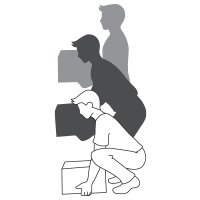
• ESTABLISH A BASE OF SUPPORT: Use a wide, balanced stance with one foot in front of the other. Make sure that you have firm footing and that your feet are a shoulders-width apart. This staggered stance gives you the stability of not falling over and being able to secure the load.•

• KEEP YOUR EYES UP: Looking slightly upward will help you maintain a better position of the spine. Keeping your eyes focused upwards helps you keep your back straight.

• GET A GOOD GRIP: with your palms and make sure you have an adequate hold on the object. Be certain you will be able to maintain a hold on the object without having to adjust your grip later. You can use gloves to help maintain an adequate grip, but don’t rely on gloves because they can desensitize the fingers and make you unable to feel the object.

• LIFT GRADUALLY WITH YOUR LEGS: without using jerky motions. By using your leg strength, your chance of lower back injury is greatly reduced.

• TIGHTEN YOU STOMACH MUSCLES: as you begin the lift and keep you head and shoulders up.

• PIVOT  DON’T TWIST: Move your feet in the direction of the lift. This will eliminate the need to twist at the waist.

• WEIGHT: A lighter load normally means a lesser risk of injury. The weight of the object should be within the capacity of the person to handle safely.

• HANDLING: It is easier to pull or push a load than it is to lift, put down or carry.

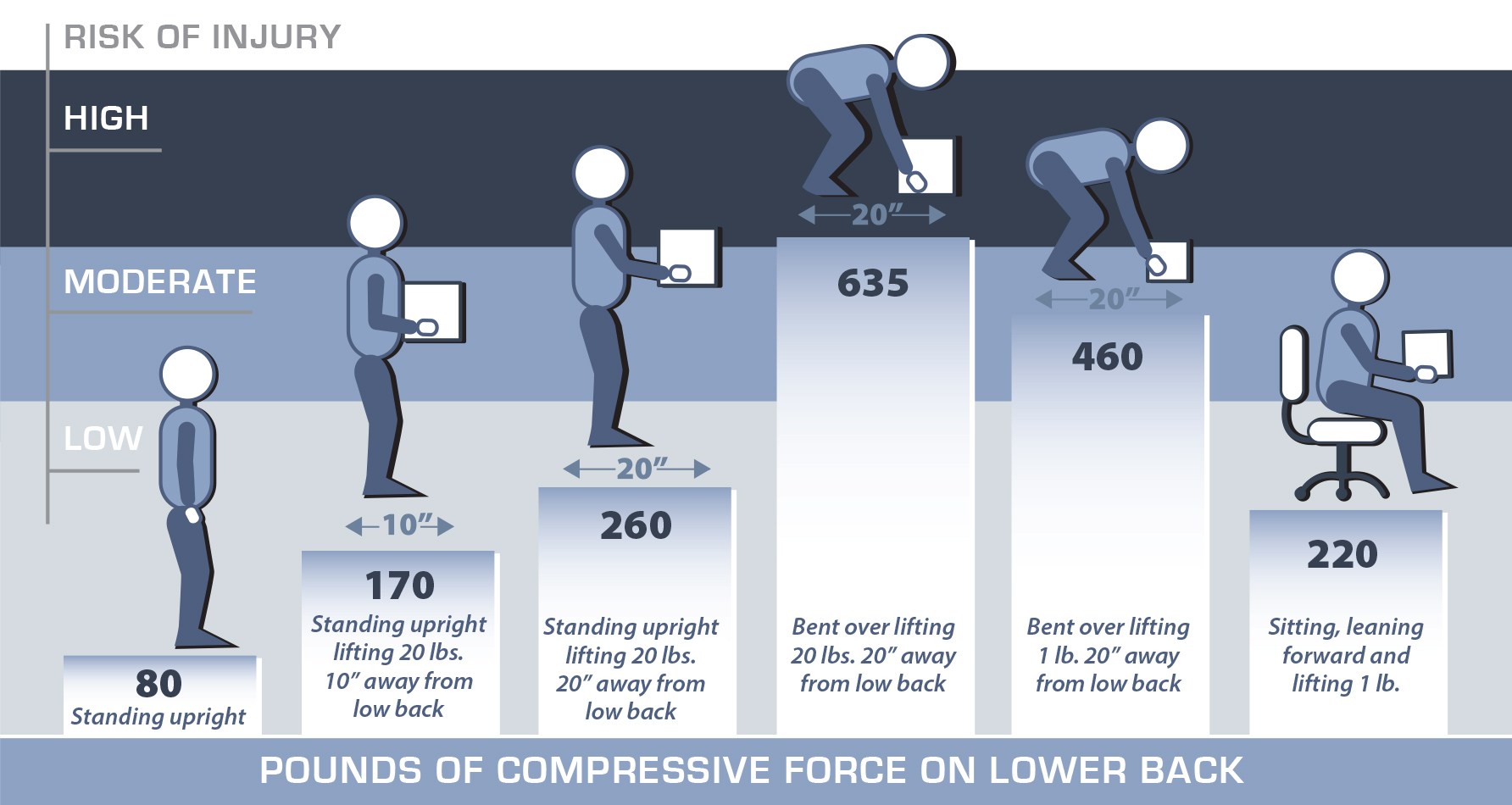
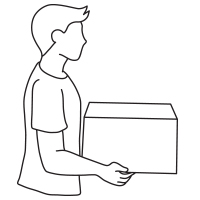
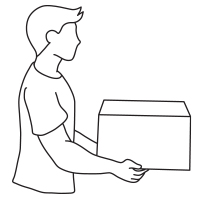
• KEEP THE LOAD CLOSE: Holding a 20 lb. object with your hands 20 inches from the body creates more compressive force on your low back than holding it 10 inches away. This is because the muscles in your back have to work to counterbalance the weight when it is further from the body. As the compressive force on your low back increases, so does the risk of muscle strains, ligament sprains and damage to the disks in the spine.

• FREQUENCY: The more times a load is handled, the more tired the muscles become, making it easier for the person to be injured.

• DISTANCE: The farther the load has to be moved, the greater the risk of injury.

• DURATION TIME: Where the job involves repetitive movements, reducing the time spent on handling will help to ensure the movements are not causing unnecessary strain.

• FORCES APPLIED: Forces should be applied smoothly, evenly and close to the body. Forces exerted should be well within the capacity of the person, and the person should maintain proper posture.
• NATURE OF THE LOAD: Loads that are compact, stable, easy to grip, and capable of being held close to the body are much easier to handle.

• TERRAIN: Rough ground, steep slopes, slippery and uneven floors, stairs and cluttered floors make moving a load awkward and increase the chance for injury.

• ENVIRONMENT (CLIMATE & LIGHTING): If it is too hot, too humid, too cold or the lighting is inadequate, the capacity to work safely is reduced.

• CONDITION OF THE WORKPLACE: Safe and comfortable working conditions, with adequate space to perform the task, and tools and equipment that are well-maintained, make their job safer.

• AGE/GENDER: Young and old workers alike may be at an increased risk of injury from manual materials handling activities. Ensure abilities of employees are in line with functional job requirements.

• TRAINING: Proper training for the specific task is vital to reduce injury.

• TEAM LIFTING: If one person cannot lift or move a heavy, large or awkward object safely, organize a team lift. Team lifting reduces the risk of injury, reduces fatigue and makes the task much easier.

• RAISE/LOWER SHELVES: The best zone for lifting is between your shoulders and your waist. Put heavier objects on shelves at waist level, lighter objects on lower or higher shelves.

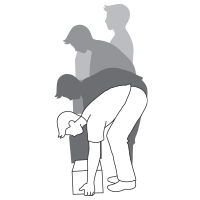
• AVOID LIFTING FROM THE FLOOR: Lifting from the floor can greatly increase your risk of injury for two reasons. Firstly, it is difficult to bring objects close to your body when picking them up from the floor, especially large objects where your knees can get in the way. Secondly, your low back must now support the weights of your upper body as you lean forward, in addition to supporting the weight of the item you are lifting. Lifting the same 20lbs from the floor more than doubles the amount of force on your low back when compared with lifting is from waist height. Even a one pound object lifted from the floor increases you risk of injury if you use a bent over posture.

• GET HELP WHEN YOU NEED IT: Don’t try to lift heavy or awkward loads on your own. Even though the muscles in your upper body may be strong enough to handle the load, the muscles, ligaments and disks in your lower back may be injured because of the additional forces they have to withstand. Get help from a co-worker, and whenever possible, use a cart, hand truck or other mechanical device to move the load for you.

PROPER LIFTING TECHNIQUE

proper lifting

IMPROPER LIFTING TECHNIQUE

improper lifting

POSTURE

Posture diagram

GOOD POSTURE

good posture

BAD POSTURE

bad posture