Category Archives: Blog

applied functional science AFS

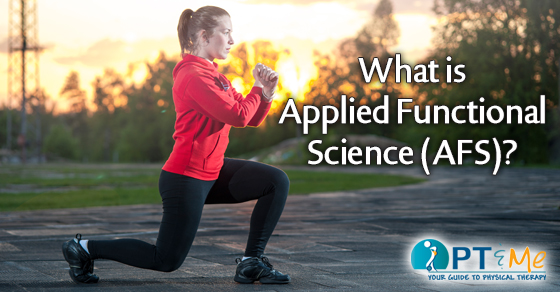
What is Applied Functional Science (AFS)?

The unique and wholistic practice of Applied Functional Science (AFS) requires extensive education and training beyond the traditional education received by rehabilitation clinicians.

AFS vs. Traditional Therapy

Traditional Therapy
Local Joint Focused

TREATMENTS INCLUDE:
• Focused on correcting the injured joint or muscle
• Therapeutic exercise focused on the muscles around the affected joint
• Manual treatments to improve movement in the affected joint
• Successful treatment evaluated by reduction of pain and improved joint strength

Functional Approach
Whole Body Focused

TREATMENTS INCLUDE:
• Source of pain and cause of pain are rarely the same
• Focused on correcting the underlying cause of the injured joint or muscle
• Therapeutic exercise individual developed based on patient-specific mechanics and affected functional tasks
• Manual treatments utilized to help facilitate normal functional mechanics
• Successful treatment evaluated by restoring pain free function lost due to injury

Body, Mind, and Spirit Do I need a Specialist?
Applied Functional Science (AFS) is a unique approach that uses the collaboration of the physical, biological and behavioral science used to treat patients as a whole. AFS uses biomechanics affected by the everyday forces of life to identify and treat the underlying cause of an injury.

Physical: Functional mechanics of the joints and muscles as they respond to everyday activities

Biological:
Functional application of neuromuscular properties in everyday activities

Behavioral: Why are you here? Incorporating personal driving factors and goals for betterment in your individualized treatment plan

This information was written by Plymouth Physical Therapy Specialists, an outpatient physical therapy group with 17 locations in Michigan. Plymouth Physical Therapy Specialists was established in 1994 by Jeff Sirabian PT, MHS, OCS, Cert. MDT, CSCS. With over 20 years of experience in orthopedics and sports medicine, Jeff has established a state of the art physical therapy practice with 17 locations to conveniently serve you. For more information click here.

Healthy Recipes 101

Healthy Recipes 101 features fit and lean recipes from online health resources!
SPINACH QUICHE
This recipe uses the prepared pie crusts found in the freezer section of your supermarket. You can find some alternative brands with more fiber and less saturated fat at health food and specialty stores. Since prepared pie crusts are usually high in fat, we’re keeping the filling nice and light. Read More

Written by WebMD.com

PT News

This Month in PT News. Featuring articles from PTandMe partnering clinics!

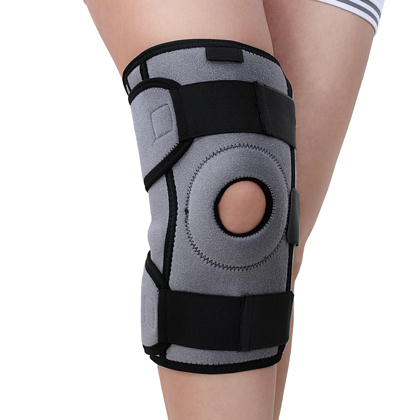
1. Does Wearing a New Knee Brace Help?
Written by the Therapy Team at the Jackson Clinics Physical Therapy – Northern Virginia

As the largest joint in the body and because of its exposed position, the knee is especially vulnerable to injury during sports activities. Read more

2. Is Apple Cider Vinegar the Remedy You Need?
Written by the Erin Clason, PT at the Center for Physical Rehabilitation and Therapy – Grand Rapids, MI

Apple cider vinegar (ACV) has been used for centuries as a folk remedy to treat everything from warts and the common cold to acid reflux and arthritis. Read more

3. Therapeutic Ultrasound
Written by Angeline Peterson, PT at Intermountain Physical Therapy and Hand Rehabilitation – Meridian, ID

“Are you checking for a foot baby?” That question is not one you may hear very often and may spark further conversation. Read more

sensory integration

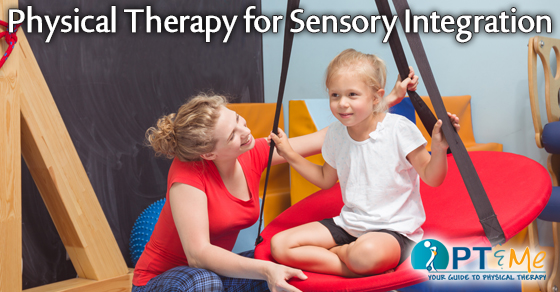
Physical Therapy for Sensory Integration

What Is Sensory Integration?
It is the organization of our senses for use. Our senses include vision, auditory, tactile, olfactory, gustatory, vestibular, and proprioception. Our senses give us information about physical aspects of our body and the environment around us. This is a higher functioning process that takes place inside the brain. The brain is responsible for organizing all sensations to assist us in learning and behaving normally. When your sensory system is functioning appropriately we can form perceptions, manifest appropriate behaviors, and learn without complications. When your sensory system is not functioning appropriately, everything seems to be disorganized and chaotic.

What is Sensory Processing?
The brains ability to receive, organize, and efficiently use information provided to us from all the senses. This means taking information in the environment, organizing it within the central nervous system, and peripheral nervous system resulting in a motor response.

What is Sensory Processing Disorder (SPD)?
Sensory Processing Disorder (also known as SPD), is when the central nervous system is not processing correctly.

There are 3 types of SPD:

1.) Sensory Modulation Disorder
2.) Sensory Discrimination Disorder
3.) Sensory Based Motor Disorder

Sensory Integration Program Goals:

  • Increase Sensory Processing
  • Increase Self Regulation
  • Increase Self Esteem
  • Increase Learning Ability
  • Increase Social Skills
  • Increase Gross/Fine Motor Skills
  • Increase Motor Planning
  • Increase Coordination
  • Increase Socialization
  • Increase Coping Skills
  • Increase Visual
  • Motor/Perception

AND HAVE FUN!

This information was written by ProCare Physical Therapy, an outpatient physical therapy group with 11 locations in Pennsylvania. ProCare physical therapists select only appropriate tests to evaluate and quantitatively measure the patient’s problem. Then, in consultation with the referring physician, an appropriate rehabilitation plan is developed. For more information click here.

strength training

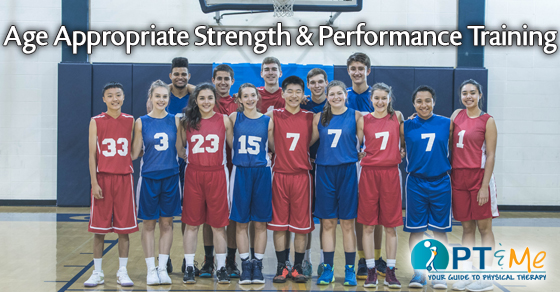
Age Appropriate Strength and Performance Training

In recent years there has been discussion on training for our adolescent athletes and what is appropriate, whether it be how much, how soon, how specialized? Here are some answers to common strength training questions we hear:

When Can My Athlete Start Lifting Weights?
The NSCA’s position statement states pre-adolescence (7-8 y/o) is a safe age to begin resistance training with graduated modalities and loads. Basically, if the athlete is ready for organized sports, they are ready for some kind of resistance training.

Why Can’t I Just Buy a Blu-Ray Workout for My Adolescent to Train By?
No athlete is the same, and doing a cookie-cutter workout without properly screening for potential injury risk would be negligent. The risk is too great to potentially hurt an athlete by trying to perform exercises their bodies cannot physically handle.

What Should I Look for with Overtraining?
Ongoing decreased performance on field. Often injured or sick. Disengagement from sport and school. Mood swings. Physically tired all the time. Sleep issues. Overreactive emotional response to failure. Depression. Nutrition issues.

A strength training and conditioning specialist can screen each athlete’s movements in order to determine a baseline level of movement and strength. They then develop exercises and drills that will enhance the good movement qualities while addressing any bad motor patterns that may exist. Main components that are often noticed by trained professionals are mobility(flexibility) and stability (strength) issues.

For more on strength & conditioning or to inquire about training with the Center for Physical Rehabilitation at the Academy for Sports & Wellness, please visit: www.pt-cpr.com/academy

Protect Yourself from Tickborne Illnesses


They may be small, but the bite from just one infected tick can cause symptoms that range from fever and chills to severe infections. However, you can protect yourself from tickborne illnesses, such as Lyme Disease and Rocky Mountain spotted fever, by avoiding areas where ticks are present and preventing ticks from getting on your body.

AVOID TICK HABITATS
Ticks can be found in the northeastern, northwestern, mid-Atlantic, or upper north-central regions of the United States. They are most active in warmer months from April to September. However, they can be active when temperatures are above 40°F (4.4°C).
Tips for reducing your exposure to ticks include:

  • Avoid moist, shaded, wooded, or grassy areas.
  • Stay on cleared, well-traveled paths, and walk in the center of trails to avoid overgrown grass and brush.
  • Avoid sitting on the ground or on stone walls.
  • You can discourage ticks from your property if you:
  • Remove leaf litter, brush, and woodpiles from around your home and the edges of your yard.
  • Mow the grass often.
  • Discourage animals that carry ticks from coming onto your property.

PREVENT TICKS FROM GETTING ON YOUR BODY
Proper clothing can help protect you from tick bites when you enter areas that may have ticks. When spending time outdoors:

  • Wear long pants and a long-sleeved shirt. Light-colored clothing will make it easier for you to see any ticks that may get on you.
  • Tuck your shirt into your pants and tuck your pants into your socks.
  • Wear a hat. Braid or tie back long hair.
  • Wear closed toed shoes.

Insect repellant can also prevent tick bites. Repellents containing 20%-30% N,N-diethyl-meta-toluamide (DEET) can be applied to clothes and exposed skin. Repellents that have 0.5% permethrin can be applied to pants, socks, and shoes, but not to skin. Be sure to read product instructions carefully. For example:

  • Do not apply near your eyes, nose, or mouth.
  • Do not apply to children’s hands.
  • Reapply as directed.
  • Wash your skin when you return indoors.

PERFORM TICK CHECKS
After you spend time outdoors in a high-risk area:

  • Use a mirror to do a full-body tick check on yourself. You should also check any children who are in your care. Make sure to check for hidden areas, such as the hair, around the ears, under the arms, and in skin folds.
  • Examine your clothing for ticks that may attach to you after you come home.
  • Take a shower and wash your hair within 2 hours of coming indoors.
  • Put clothes worn outdoors in the dryer on high heat for 10 minutes to kill any unseen ticks.
  • If you have pets that spend time in high-risk areas, perform daily tick checks to prevent them from spreading to humans.

REMOVE TICKS FROM YOUR BODY

  • If you do find a tick, remove it by doing the following:
  • Use a pair of fine-pointed tweezers to grasp the tick by the head, as close to the skin as possible.
  • Pull directly outward. Use gentle but firm force. Do not twist the tick out. Try not to crush the tick’s body or handle it with bare fingers. This can spread the infection.
  • Wipe the site with an antiseptic to prevent infection.

KNOW THE SIGNS OF TICKBORNE ILLNESSES

Symptoms of a tickborne illness can occur weeks after exposure. Even if you have taken precautions, be sure to contact your doctor right away if you have recently spent time in a high-risk area and have fever and chills, aches and pains, and a distinctive rash.

by Cynthia M. Johnson, MA

RESOURCES:
Centers for Disease Control and Prevention
http://www.cdc.gov

Healthy Children—American Academy of Pediatrics
https://www.healthychildren.org

CANADIAN RESOURCES:
Canadian Paediatric Society
http://www.cps.ca

Health Canada
http://www.hc-sc.gc.ca

REFERENCES:

Preventing ticks on your pets. US Centers for Disease Control and Prevention website. Available at: https://www.cdc.gov/ticks/avoid/on_pets.html. Updated June 1, 2015. Accessed March 24, 2017.

Symptoms of tickborne illness. US Centers for Disease Control and Prevention website. Available at: https://www.cdc.gov/ticks/symptoms.html. Updated June 1, 2015. Accessed February 20, 2017.

Tick avoidance and removal. EBSCO DynaMed Plus website. Available at: https://www.dynamed.com/topics/dmp~AN~T901539/Tick-avoidance-and-removal. Accessed February 20, 2017.

Michael Woods, MD June 2017

Last reviewed June 2017 by Michael Woods, MD

EBSCO Information Services is fully accredited by URAC. URAC is an independent, nonprofit health care accrediting organization dedicated to promoting health care quality through accreditation, certification and commendation.

solar eclipse

2017 Solar Eclipse Celebration

The 2017 Solar Eclipse is Monday August 21st, so be sure to view this once in a lifetime event by visiting one of our many PT & Me physical therapy clinics. Some of our PT & Me clinics (in or nearest to the solar eclipse path) will be hosting viewings during this time and distributing solar eclipse viewing glasses. Find out if physical therapy can help you and join in on the solar eclipse fun! Be sure to check with your local PT & Me provider (based on the total eclipse path) by viewing the map shown below.

For more information on physical therapy clinics near the solar eclipse path or near you click here.

For NASA information on the 2017 Solar Eclipse click here.

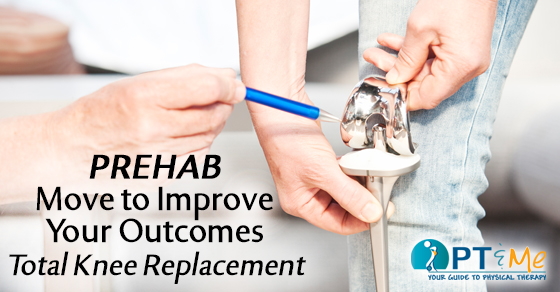
PREHAB Knee Replacement

PREHAB Move to Improve Your Goals: Total Knee Replacement

PREHAB Home Preparation
Before total knee replacement surgery there are a few simple things you can do in your home to make it safer and more comfortable during recovery.

  • Consider keeping a cordless phone near you or carry your cell phone in your pocket.
  • Move furniture to keep a clear wide path to your kitchen, bathroom and bedroom.
  • Remove throw rugs that may cause you to slip or trip. Tape down any loose edges of large area rugs that cannot be removed. Make sure extension cords are out of traffic areas or tape them down if needed.
  • Wear rubber sole shoes to prevent slipping.
  • Keep commonly used items in your home at waist level within easy reach. This will prevent you from bending over to reach items. Use a reacher to grab objects and avoid excessive bending at the knee.
  • Make sure there is adequate lighting in the house. Add night lights in hallways, bedrooms, and bathrooms.
  • It may be helpful to have temporary living space on the same floor if your bedroom/bathroom is located on the second floor of your home. Walking up/down stairs will be more difficult immediately following surgery and could increase your risk for falls.
  • Arrange for someone to collect your mail and take care of pets or loved ones if necessary.
  • Prepare frozen meals in advance to assist you with cooking.
  • Stock up on groceries, toiletries, and any needed medications you might need.
  • A shower chair or a tub bench will make bathing much easier. Do not take soak baths until your physician allows you to do so.
  • An elevated toilet seat will be helpful with toilet transfers and with following post surgical precautions or guidelines.
  • Assistive devices for dressing such as a reacher, extended shoe horn and / or sock aid may be necessary during your post operative recovery.

While it’s important to prepare your home before surgery, PREHAB should also include physical therapy. Physical therapists will work with patients to create an exercise program before surgery that can help improve performance and decrease recovery times after a total knee replacement. Talk to a PT near you and learn about the benefits of PREHAB before total joint replacements.

Industrial Rehab Physical Therapy PTandMe

Health Aging for a Sustainable Workforce

What Can Employers Do to Protect an Aging Workforce?

Employers can start by revisiting job descriptions and knowing every detail each work task entails in order to help prevent costly and unnecessary workers’ compensation claims. Meanwhile, they should continue to promote health and wellness programs for all employees. Because older workers bring many benefits, from their experience and knowledge to their motivation and good work ethic, the advantages of employing older workers will outweigh the possible worker’s compensation claims, with preparation and planning.

Companies must utilize and implement preventative safety efforts. Specifically, companies should develop slip-and-fall prevention tactics, considering that slips and falls account for 33 percent of all injuries sustained by workers 65 and older, according to the National Safety Council. Safety training should consist of more than just scripted lectures, distributed
pamphlets and orientation videos. Employees should be taken through the physical movements and tasks that are specific to their job description–a hands-on learning experience. Because younger workers account for the majority of accidents while older workers have longer recovery periods, safety training benefi ts all employees and the employer. Bring in external experts such as physical therapists from the community to teach proper techniques and protocols.

  • Modification of work environment
  • Ergonomics and wellness programs
  • Industrial Athlete approach to exercise
  • Return to work accommodations

AGING WORKFORCE SERVICES:

Education:
A full battery of educational programs are available for both the professional staff of an employer to that of the general employee population such as slip and fall or back injury prevention.

Preventative Maintenance Testing:

A brief test – approx. 15 minutes that looks at the essential and critical factors of the job – usually body part specific and set up as a repeated test – every three to four months on a high risk job position – looking for trends or patterns of degradation of range of motion or strength of employees.

Fitness Programs for the Industrial Athlete:
Detailed stretching programs are customized per high risk job based upon historical injury determinations. The program is set up for employee participation prior to work, returning from lunch and at the end of the workday.

Physical Ability Maintenance:
A custom built strengthening program designed to maintain the physical abilities necessary to perform everyday work.

For more information about staying healthy and injury free in the workplace – try the links below:


Adapted from Fit2wrk Article 1.10   For more information on Fit2wrk click here.

postural hypotension PTandMe

Postural Hypotension: What It Is and How to Manage It

Postural hypotension (or orthostatic hypotension) is when your blood pressure drops when you go from lying down to sitting up or from sitting to standing. When your blood pressure drops, less blood can go to your organs and muscles. This can make you likely to fall.

What are the symptoms?
Although many people with postural hypotension have no symptoms, others do. These symptoms can differ from person to person and may include:

  • Dizziness or lightheadedness
  • Feeling about to faint, passing out or falling
  • Headaches, blurry or tunnel vision
  • Feeling vague or muddled
  • Feeling pressure across the back of your shoulders or neck
  • Feeling nauseous or hot and clammy
  • Weakness or fatigue

When do symptoms tend to happen?
When standing or sitting up suddenly

  •  In the morning when blood pressure is naturally lower
  • After a large meal or alcohol
  • During exercise
  • When straining on the toilet
  • When you are ill
  • If you become anxious or panicky

What causes postural hypotension?
Postural hypotension may be caused by or linked to:

  • High blood pressure
  • Diabetes, heart failure, atherosclerosis or hardening of the arteries
  • Taking some diuretics, antidepressants or medicines to lower blood pressure
  • Neurological conditions like Parkinson’s disease and some types of dementia
  • Dehydration
  • Vitamin B12 deficiency or anemia
  • Alcoholism
  • Prolonged bed rest

What can I do to manage my postural hypotension?

  • Tell your healthcare provider about any symptoms
  • Ask if any of your medicines should be reduced or stopped
  • Get out of bed slowly. First sit up, then sit on the side of the bed, then stand up
  • Take your time when changing position, such as when getting up from a chair
  • Try to sit down when washing, showering, dressing or working in the kitchen
  • Exercise gently before getting up (move your feet up and down and clench and unclench your hands) or after standing (march in place)
  • Make sure you have something to hold onto when you stand up
  • Do not walk if you feel dizzy
  • Drink 6-8 glasses of water or low-calorie drinks each day, unless you have been told to limit your fluid intake
  • Avoid taking very hot baths or showers
  • Try sleeping with extra pillows to raise your head

This information was written by Proactive Physical Therapy, an outpatient physical therapy clinic in Sioux Falls, South Dakota. At ProActive Physical Therapy, their number one priority is the patient. They strive to provide individualized treatment with hands-on, compassionate care. They do not rush their patients or their clinicians. Rather, they perform comprehensive evaluations and encourage patient input for treatment planning and goal setting. For more information click here.