Tag Archives: Physical Therapy

women's health

The Benefits of Physical Therapy for Women’s Health

The benefits of physical therapy for women's health! Pregnancy related back pain.

Women’s health can cover a multitude of subjects, from pregnancy to aging – the female body undergoes many changes. Physical therapists’ most common women’s health clients come in experiencing incontinence, osteoporosis, and pregnancy-related back pain.

URINARY INCONTINENCE
Urinary incontinence is a loss of bladder control that results in leakage when the muscles of the pelvic floor are weak or overactive. Causes include childbirth, hormonal changes, surgical trauma, pelvic fractures, chronic cough, obesity, muscle weakness, or even repetitive lifting. Physical therapy can help decrease or resolve urinary leakage, identify bladder irritants and strengthen pelvic floor muscles through an individualized exercise program.

OSTEOPOROSIS
Keeping the bones strong as you age, especially after menopause, is a challenge many women face. An excessive decline in bone mass is called osteoporosis, and it is a leading healthcare concern for women. A physical therapy program can help improve your posture and strength, prevent falls, and decrease your risk for fractures.

A physical therapist that specializes in women’s health and treating pelvic floor dysfunction can help as well.

older_woman

PELVIC FLOOR DYSFUNCTION 
Exhibits Several Symptoms: 

Urinary Incontinence
Fecal Incontinence
Constipation
Diarrhea
Pelvic Floor Pain

PREGNANCY-RELATED BACK PAIN
Many women experience low back pain during pregnancy. This is due to several factors such as:

Hormonal Changes – this causes increased looseness of the pelvic ligaments to prepare your body for birthing your baby.
Increased Weight Gain – This places increased stress on all the joints of the body. Increased breast weight can overload
the neck and upper back.
Postural Changes – Body weight shifts forward as the baby grows and this increases the arch in the lower back. Stomach
muscles and the lower pelvic muscles become weaker which decreases support for the lower back.
Altered Movement Patterns – Due to your changing body, women often begin to move in different patterns that can increase stress to the low back or pelvic joints.

This information was written by Advance Rehabilitation Physical Therapy, an outpatient physical therapy group with 24 locations in Georgia and Florida. Advance Rehabilitation is a physical therapy practice that focuses on providing the highest quality rehabilitation services. We specialize in physical therapy, sports medicine, industrial rehabilitation and athletic training. Our staff includes highly-trained professionals that serve as a bridge between injury and recovery to help patients get back to pre-injury status as quickly as possible. For more information click here.

chronic back pain

Effective Chronic Back Pain Treatment

Effective Chronic Back Pain treatment_FBsize Physical therapy for back pain

For chronic back pain, exercise, physical therapy, manual therapy and mindfulness-based stress reduction have the best evidence for effectiveness.

Chronic back pain is one of the most frequent reasons people visit the doctor — it’s estimated that 31 million Americans experience low-back pain at any given time. Yet doctors are finding drugs should actually often be the last line of treatment for it. A new guideline out Feb 14th 2017, from the American College of Physicians (ACP) suggests doctors recommend exercise and treatments like heat wraps, yoga, and mindfulness meditation to their patients before turning to medications like opioids or even over-the-counter painkillers. “That marks a big departure from previous guidelines,” Roger Chou, a professor at Oregon Health and Science University, told Vox1. (Chou’s evidence review can be found at: https://goo.gl/MWzWvK)

Why Send Patients to Physical Therapy for Chronic Back Pain?

It is the long term benefits of physical therapy interventions such as multifidus, transversus abdominus and pelvic floor neuromuscular reeducation that benefits your patients.
• Multifidus muscle recovery requires specific, localized, retraining.3
• PT + meds 30% recurrence versus 84% meds only (1 year follow-up).4
• PT + meds 35% recurrence versus 75% meds only (2-3 year follow-up).4
• Less likely to have further healthcare costs.4

Back Pain Conditions Commonly Seen by physical therapists include:
• Low Back Pain (LBP)
• Arthritis Pain
• Strains & Sprains
• Muscle Spasm
• Herniated Discs
• Degenerative Discs
• Radiculopathy/Sciatica
• Piriformis Syndrome
• Sacroiliac Joint Dysfunction
• Scoliosis
• Spondylosis
• Stenosis

In physical therapy our goals are to Improve:
Mobility — Knowledge of Safe Positions — Movement Awareness — Functional Strength — Coordination

“Exercise or alternative therapies, the ACP noted, can work as well as or better than medications, but don’t come with the side effects.1” Physical Therapy is a safe, proven way to treat patients experiencing back pain.

Evidence showed that acetaminophen was not effective at improving pain outcomes versus placebo. Low-quality evidence showed that systemic steroids were not effective in treating acute or subacute low back pain2. (ACP Newsroom)

back pain 3

Treatment
We offer a comprehensive approach incorporating manual therapy, prescriptive therapeutic exercise and modalities. Our programs improve the patient’s physical condition and symptoms. We also provide the patient with movement awareness, knowledge of safe positions, functional strength, and coordination. All of this promotes the management of low back pain (LBP).

Treatments offered include:
• Comprehensive Evaluation with an emphasis on determining the source of the problem.
• Individualized & Specific Exercise Programs
• Manual Therapy (hands-on treatment)
• Modalities as Needed
• Progressive Home Program to help restore independence and self-management

Information provided by North Lake Physical Therapy – Portland, OR
To learn more about North Lake Physical Therapy click here.

References:
1. http://www.vox.com/science-and-health/2017/2/14/14609508/doctors-admit-drugs-cant-fix-back-pain
2. https://www.acponline.org/acp-newsroom/american-college-of-physicians-issues-guideline-for-treating-nonradicular-low-back-pain
3. Spine (Phila Pa 1976). 1996 Dec 1;21(23):2763-9. Hides JA, Richardson CA, Jull GA.
4. Spine (Phila Pa 1976). 2001 Jun 1;26(11):E243-8. Hides JA, Jull GA, Richardson CA.


For more information about back pain physical therapy click the links below.

Low Back Pain Physical Therapy  beware bed rest for back pain  low back pain relief

overtraining

Are You Overtraining?

Are You Overtraining_FBsize

Maintaining a rigorous workout schedule without allowing enough time for the body to recover, often leads to what is known as overtraining. Not only is an athlete at a higher risk for injury but overtraining can manifest itself in several other ways.

WHAT CAN CAUSE OVERTRAINING
• Sudden increase in exercise frequency
• Intensity or duration of training sessions
• Not allowing your body adequate recovery
• The length of time you have been training

SIGNS AND SYMPTOMS OF OVERTRAINING
• Persistent muscle soreness
• Elevated resting heart rate.
• Increased susceptibility to infections.
• Increased incidence of injuries.
• Irritability
• Depression
• Loss of motivation
• Insomnia
• Stop noticing progress towards training goals
• Becoming restless and losing focus
• Feeling sluggish all day

HOW TO AVOID OVERTRAINING
• Get enough sleep – this is the time when your body is able to heal the most
• Proper nutrition- get plenty of protein, fats and carbs
• Monitor stress levels

leg press

Exercise Smartly:
• Find a balance and avoid workouts that are too intense for you
• Progress workouts slowly

Allow Proper Recovery Time Between Workout Sessions:
Take one or two days between workout sessions or alternate intensity levels for each workout

Stay Active On Off Days:
• Try a less intense mode of exercise (Active Rest)
• Yoga, stretching, or foam rolling can be done on these days

Information provided by the Center for Physical Rehabilitation – Grand Rapids, MI
To learn more about the Center for Physical Rehabilitation click here.

Occupational Therapy Month

April is Occupational Therapy Month!

April OT Month_FBsize

Occupational Therapy Month is when we celebrate and recognize all of the work our OT’s do. Occupational therapists (OT) help people of all ages participate in the things they want and need to do in their homes, at work, in school and throughout the community. From a patients initial evaluation to the development and follow through of their rehabilitation plans, an OT works hard to make sure that their patient is able to return to the activities they enjoy and need to live a full and healthy life.

In an outpatient setting, some of the responsibilities of our occupational therapists may include:

  • Hand and upper extremity movement and rehabilitation
  • Teaching patients to use assistive devices to complete activities of daily living (ADL’s)
  • Rehabilitating patients recovering from stroke to regain strength, movement, and learn to accomplish ADL’s in modified ways.
  • Working with employers to create programs designed to reduce risk and injury in the workplace.
  • Helping children struggling to achieve developmental goals progress to their highest possible levels
  • Working with patients suffering from neurological conditions such as Parkinson’s to remain active.

This Occupational Therapy Month the AOTA is celebrating 100 years of helping people live their lives to the fullest.
For more info go to: www.aota.org

PT News

This Month in PT News. Featuring articles from PTandMe partnering clinics!

1. Exercise after Knee Replacement Surgery
Written by the Therapy Team at Cornerstone Physical Therapy – Gahanna, OH

If you’ve been undergoing treatment for knee arthritis and haven’t gotten any pain relief yet, your doctor may recommend a total knee replacement surgery. Read more

2. Low Back Pain and Sciatica Workshop
Written by the Therapy Team at Oregon Spine & Physical Therapy – Eugene, OR

If you are suffering with chronic back pain or sciatica and you’re looking for some help… why don’t you start by attending one of our Educational Workshops so you can make a better, more educated and more informed decision about your options to ease it. Read more

3. Inflammation and Your Diet
Written by Cheryl Schwieters, Physical Therapist Assistant at the Center for Physical Rehabilitation – Grand Rapids, MI

Throughout the day the body is constantly being bombarded with substances that can trigger inflammation. Read more

PTandMe therapists

Clinic Spotlight: PT & Me Therapists

Clinc Spotlight_PT&MeTherapists_FBsize

This month we are featuring stories from some of our PT & Me therapists. We asked them how they got into the awesome world of physical therapy and what they enjoy about it. These are their stories…

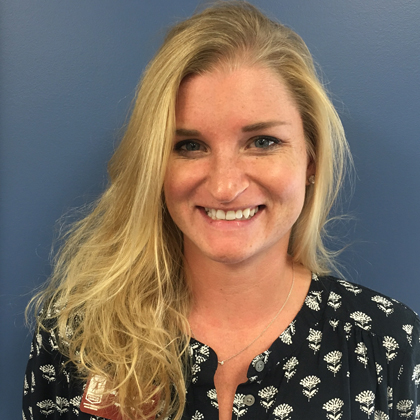
Kelly_wilson
Name:
Kelly Wilson, PT, DPT at University Physical Therapy – 8 locations conveniently located throughout the New River Valley in Virginia

Why did you chose physical therapy as a career?
I took an anatomy class in high school with a teacher who absolutely changed my life. I could not get enough of the curriculum and wanted to learn more about how we work and how we can make ourselves better. I stayed after school one day to ask how I could learn about this topic forever. My teacher suggested that I look into physical therapy. I started shadowing a PT in my hometown and loved it! I was hooked!

What is your favorite thing about going to work each day?
I get to work with the absolute best people on the face of the planet.


Name:
Lea Ann Rumlin, PT, Clinic Owner at DeKalb Comprehensive Physical Therapy – Lithonia, Georgia

Why did you chose physical therapy as a career? 
I had an opportunity to observe a PT in high school and found it was very interesting. I thought it was cool to observe a diverse variety of ailments in people.

What is your favorite thing about going to work each day?
I’ve been doing physical therapy for a long time, but it still feels new. I feel blessed to have the opportunity to help people.


Name:
Wendy Richards, MSPT, DPT at Port City Physical Therapy – Portland, Maine

Why did you chose physical therapy as a career? 
I wanted to be in a helping profession. Growing up in rural Maine most of the careers were either in healthcare or nursing. That is why I was drawn to physical therapy. I especially liked the stroke patient rehab and spinal rehab aspect of it. Helping people with paralysis was especially fulfilling.

What is your favorite thing about going to work each day? 
I enjoy working in a team environment. Working in an outpatient climate and helping patients to get better. Being able to resolve their limitations and improve their lives.


Name:
Jocelyn Zolna-Pitts, PT, Director at Metro Spine & Sports Rehabilitation – Chicago, Illinois

Why did you chose physical therapy as a career?
It combined my interest of medicine with sports. I was always interested in medicine and helping others.

What is your favorite thing about going to work each day?
The daily satisfaction of watching people get better. The challenge and variety of problems patients face and solving their problems through critical thinking with them. I enjoy the fact that you get to play every day at work and it’s a lot of fun!

bike fit

Does Your Bike Fit?

DoesYourBikeFit_FBsize

There is a misconception that only competitive cyclists benefit from bike fittings. The truth is that anyone that rides a bike on a consistent basis should ride a bike that fits them properly. Granted, competitive cyclists are looking for every advantage with respect to power and performance. However, fitness and recreational riders can gain the same benefits while also improving comfort and reducing the risk of on-the-bike injuries. Often, a few basic changes to a bike can make a significant difference with respect to comfort, power, endurance and overall performance. In this blog we briefly examine some of the key areas that must be considered to ensure a proper bike fit.

THINGS TO LOOK FOR

Frame Size
Obviously, not all frames are created equal. Frame geometry can vary dramatically depending on material, the manufacturer and overall design. Head tube angles, seat tube angles, top tube length, wheel base, etc. are all factors which contribute to how a bike handles and rides. This is where test riding a bike will pay dividends. For example, having a steep head angle may sound like a good idea to achieve a responsive ride. However, you may find it a bit unnerving on a steep, fast descent or even when you try to take your hands off the bar to eat or drink. With regard to mountain bikes, different suspension and wheel size options also affect the way a bike handles and rides. All are personal preferences that should match your intended use.

For general fit, most manufacturers will have measurements that you can take on yourself to help you decide which frame size will likely be best for you. However, you may also fall within the acceptable range for two different frame sizes. In that case, there is no substitute for going to a shop that carries the bikes and riding them both. In all likelihood, you will quickly feel the difference and easily decide which will work best for you. If you are leaning toward the larger of the two sizes, make sure to check the stand over height before laying your cash on the counter. Keep in mind that your primary concern with respect to frame size is the fit from the waist down. Reach is obviously important as well. However, most upper body adjustment can be achieved by varying bars or stem length/angle assuming the length of the top tube is appropriate.

Crank Arm Length
This is one area where people seem to be content to accept a length simply because that particular crank arm is what they have been told is standard or best. The truth is that many bikes come equipped with crank arms that are too long for the prospective rider. Even when told they should have a shorter crank arm, some feel that if they can push it, they will be a stronger, more powerful rider. This can be a foolish mindset as this can result in knee and/or back problems. Of course, there are also occasions where the crank arms may not be long enough. In this instance, the rider is likely giving away potential power and performance. When deciding on an appropriate crank arm length, we are usually talking about millimeters of difference. However, there are specifications for crank arm length typically based on inseam length and/or seat height.

Cleat Alignment
Pedal choice as well as cleat adjustment are vital components of bike fit. Proper cleat alignment is the starting point for overall fit and essentially aligns the position of the foot in relation to the spindle of the pedal and the crank arm. It can also be one of the most difficult aspects of fit to get accurately established. This is true primarily because it is hard to align your cleat when it is mounted to your shoe which is on your foot and clipped into the pedal. Furthermore, most modern pedal/cleat combinations allow for considerable adjustment with respect to float, rotation, fore and aft, and side-to-side. Equally important is the shoe. People often buy soft cycling shoes that are comfortable on and off the bike. Although these shoes may be more comfortable for walking, you are giving up considerable force production and performance on the bike. Furthermore, on long bike rides, these softer shoes can result in “hot spots” and foot fatigue. Cycling shoes don’t need to be uncomfortable. However, when you are riding a bike, wear the shoe that is made for the job.

Seat Adjustment
This is another area that results in much debate. Do you go higher for better force generation or lower for better control on descents? Once again, improper seat height can result in pain or injury. It can also significantly limit your performance. For most riders, seat height and saddle setback (fore/aft positioning) is crucial for comfort and performance. This is the area where the biggest abuse of the law of averages has befallen bike fit. Seat adjustment is often based on averages and equations. Unfortunately, this is rarely the correct position. Much better than averages are measured angles with the rider on the bike which results in a more exacting fit.

Stem Length/Bar Height
Fitting stem length and bar height should be based on alignment, posture, comfort and performance. These factors can have a great effect on your back, neck, shoulders and wrists.

You may be saying to yourself, “Then tell me how my bike should be set up.” The fact is that an accurate fit cannot be done without looking at the individual on their bike. Many bike fits are based on measurements such as inseam, reach, trunk length, etc. which are then plugged into a variety of equations. Adjustments to the bike are then made according to the resulting numbers. The problem is that these equations often vary and are based on averages. Most of us aren’t average. We all have differing body composition and physique. Strength, flexibility, experience and orthopedic issues all play into proper bike fit. Proper fit must be done with the rider on the bike looking at specific measures and alignments.

Ultimately, a good bike fit is well worth the money and can go a long way toward improving comfort on the bike, improving your performance, and reducing the risk of injury. There are obviously many approaches and “schools of thought” when it comes to bike fit. The point here is that the most accurate fits are accomplished by evaluating you on your bike. Remember, depending on your effort and ability, cycling can be a very intense form of exercise. However, that doesn’t mean you have to hurt. If you have pain on the bike, something is typically wrong. More often than not, the problem can be addressed by improving fit. The bottom line is that you want to be sure the bike you ride is fit specifically to you. You should never be forced to fit yourself to the bike.

Written by Michael Choate, MSPT, USA Cycling Certified Coach at North Lake Physical Therapy & Rehabilitation in Portland, Oregon.

North Lake Physical Therapy & Rehabilitation clinics use progressive techniques and technologies to stay on the forefront in their field. OTheir staff is committed to providing patients with advanced healing techniques. To learn more about them click here.

Athletic Training Month

March is National Athletic Training Month

MarchNationalAthleticTrainingMonth_FBsize

March is National Athletic Training Month! Your protection is our top priority. Athletic trainers are health care for life and sport.

Athletic trainers specialize in patient education, injury prevention, and are an athlete’s first line of defense from the time of injury to recovery. Athletic trainers work closely with coaches and parents and may refer athletes to other health care professionals such as physicians, physical therapists and surgeons when needed.

What is an Athletic Trainer?
Athletic trainers hold at least a four year degree from a BOC (Board of Certification) accredited institution. they are licensed, certified health care professionals working with athletes on and off the field. Generally they are the first responders when injuries occur during sporting events.

Athletic trainers work closely with coaches and parents and will refer athletes to other health care professionals such as physicians, physical therapists and surgeons when needed.

Athletic trainers hours are determined by sports schedules. Typically they are available after school and stay until sporting events have concluded.

For more information about our athletic trainers, and what they do visit NATA’s websites at: www.nata.org or www.atyourownrisk.org

Throwing Injuries

Guidelines to Prevent Throwing Injuries

In this monthly series, we examine the proper ways to exercise and prevent throwing injuries in baseball. If you have any sudden significant increase in pain, swelling, or discoloration while performing or following exercise, discontinue immediately and contact your primary care provider.


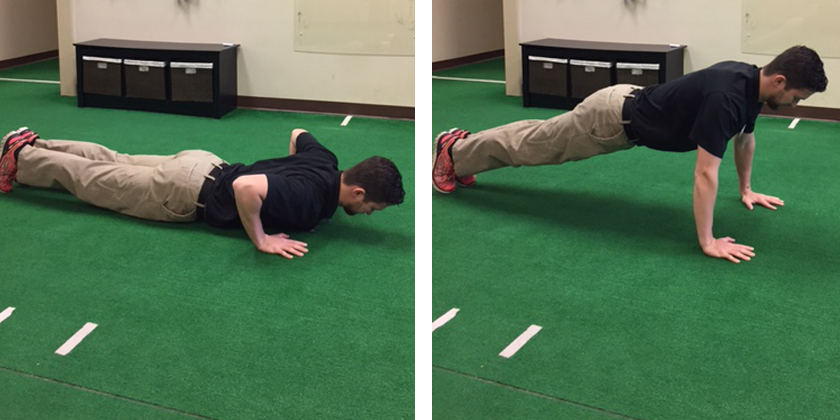
PUSH UPS
Start on your stomach with your hands below your shoulders. Maintain a straight line from your ankles, through your hips, to the shoulders. Extend your elbows pushing your stomach away from the floor.


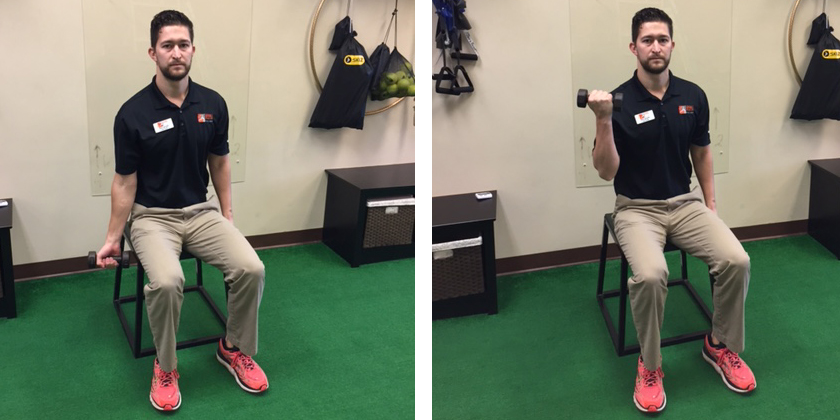
BICEP CURL
Begin seated with your elbow extended and palm facing forward. Bend the elbow as far up as you can without flexing your shoulder or rotating your wrist.


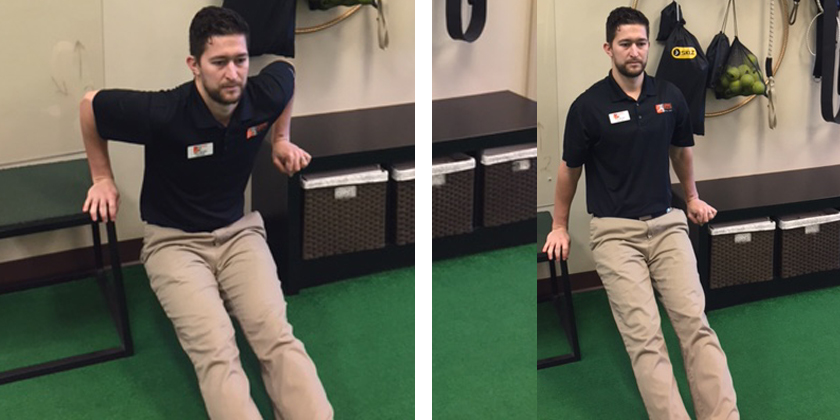
TRICEP DIP
Find two even surfaces to support your upper body with your elbows bent (a chair with arm rests works well). Extend your elbows pushing your body up toward the ceiling. Lower slowly.


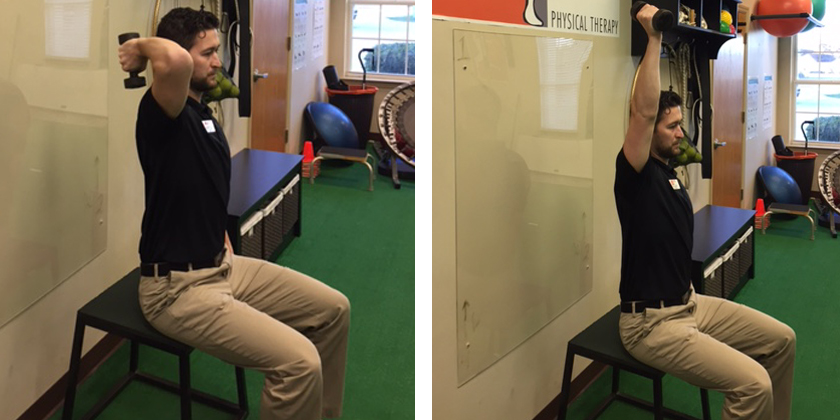
OVERHEAD TRICEP EXTENSION
With your shoulder in full flexion overhead, hold a weight in your hand with your elbow bent behind your head. Straighten your elbow toward the ceiling without changing the angle of your shoulder.

This information was written by Advance Rehabilitation Physical Therapy, an outpatient physical therapy group with 24 locations in Georgia and Florida. Advance Rehabilitation is a physical therapy practice that focuses on providing the highest quality rehabilitation services. We specialize in physical therapy, sports medicine, industrial rehabilitation and athletic training. Our staff includes highly-trained professionals that serve as a bridge between injury and recovery to help patients get back to pre-injury status as quickly as possible. For more information click here.
See the entire Guidelines to Prevent Throwing Injuries series here:

   Prevent Throwing Injuries

   prevent throwing injuries

throwing injuries PTandMe

lower limb amputation

Lower Limb Amputations

LowerLimbAmputations_FBsize

The goal for every patient with a lower limb amputation is to walk normally again.

A patient with a lower limb amputation faces many challenges when it comes to walking safely in a variety of walking surfaces and without exerting excessive energy. Generally, the higher the amputation level, the more we can expect to see gait deviations or difficulty walking. This is because with each segment of the anatomy is lost to amputation, more muscle, sensory receptors and leverage are also lost. A Physical Therapy treatment program can be designed to assist a patient return to a “normal” walking pattern in terms of posture, step length, stability, balance, rate of speed, and limb positioning.

GAIT TRAINING
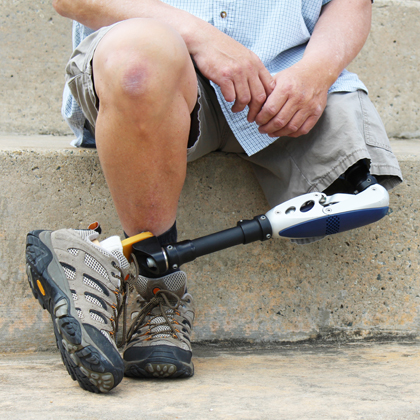
Almost all patients with a lower limb amputation will benefit from physical therapy and gait training at some point in their recovery to help them return to a more normal walking pattern. Pre-amputation exercises will assist the patient in arm and leg strengthening to help them prepare for using a walker during gait training with their prosthesis. After amputation surgery a prosthetist will work with the patient to fabricate and align a prosthesis to assure that it will optimize the patients walking pattern.

WHAT TO EXPECT DURING PHYSICAL THERAPY

  • The physical therapist will typically work with the patient 3 days per week

  • The physical therapist and prosthetest will remain in close communication with gait training is occurring since any changes in the prosthesis will affect the gait pattern

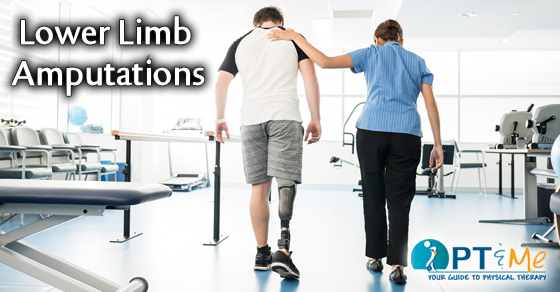
  • Initially physical therapy is focused on standing and walking with enough stability to ensure safety (this initial gait training is performed in parallel bars with the assistance of the physical therapist holding the patient with a gait belt for additional safety)

  • Initial gait training is supplemented with strength and flexibility exercises for the legs and trunk muscles since strong trunk and leg muscles make it easier to progress the patient’s gait training

  • The physical therapist will also work with the patient to improve balance and coordination to help the patient develop a more normal step length and walking speed

Physical therapists use many different techniques during gait training sessions

leg amputee

LEARNING HOW TO WALK AGAIN
Specialized Treatment Techniques

  • SPLINTER SKILLS: Technique where the walking pattern is broken down into a sequence of events that are practiced individually before putting them all together to build the walking pattern
  • WHOLE WALKING: Technique in which the entire gait pattern is performed all at one time without thinking about the individual components of walking therefore relying on the body’s natural tendency to find the most stable and energy efficient way to walk

BUILDING CONFIDENCE
Once the patient feels confident and the physical therapist believes that it is safe, a walker can be used instead of the parallel bars. When using a walker, the focus will change to helping the patient walk on uneven surfaces such as outdoors and walking around obstacles or stepping up and down stairs.

Even patients who have walked with a prosthesis for years can benefit from gait training for a “tune up” of their walking skills or to learn a new skill such as side stepping, tandem walking or even running.