Tag Archives: Physical Therapy

total knee replacement

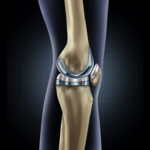
Physical Therapy Following a Total Knee Replacement

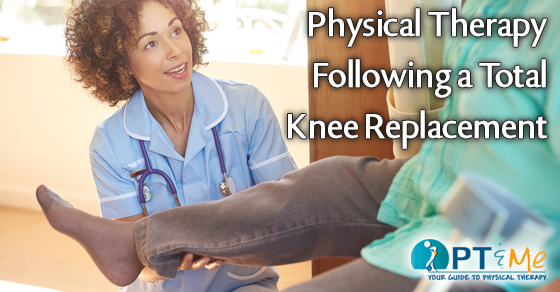
Physical therapy following a total knee replacement

There are over 600,000 total knee replacements done each year in the U.S. As the workforce ages and as obesity levels continue to rise, this number is expected to increase.

Candidates for a knee replacement include patients experiencing difficulty doing simple daily activities, including walking or going down steps, and where conventional treatments are no longer helping. Common causes that lead to a replacement include pain with simple ADL’s (activities of daily living), pain at rest, chronic swelling, inflammation not improving with medication, knee deformity, knee stiffness, or trauma to the joint. When you are scheduled for a total knee replacement, ask to see your physical therapist for a pre¬surgical exercise and stretching program. This will help your knee recover its range of motion and strength.

Surgery consists of resurfacing the knee’s damaged and worn joint surfaces with artificial parts made of metal or plastic. Most patients are in the hospital for an average of 3¬5 days. And more than 90 percent of people report significant decrease in pain and improvement in ability to perform ADL’s within one month after surgery. Currently, many knee replacements are lasting 20 years or more with appropriate activity modification. One of the most important factors in success after a total knee replacement is follow up with physical therapy and a lifelong exercise program. Physical therapy typically starts during the hospital stay with the goals being to get the individual up and walking decreasing swelling in the knee and increasing knee ROM (range of motion). Upon hospital discharge, patients either go home and receive home physical therapy for one to two weeks, or to an extended care facility to continue their therapy.

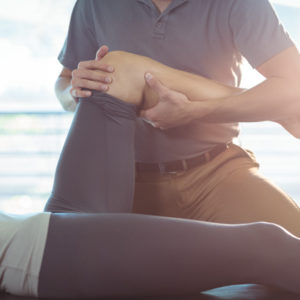
Typically, patients need outpatient physical therapy after therapy at home, which usually begins two to four weeks after surgery. Outpatient physical therapy is recommended for three times a week for up to three months. Therapy goals initially are to reduce swelling and pain, and improve knee range of motion in both directions. To achieve these goals, treatment may consist of soft tissue massage to increase circulation and decrease swelling, stretching to improve flexibility, patellar mobilization, range of motion exercises, and modalities such as ice and electrical stimulation to help decrease pain and swelling. Physical therapy will progress to lower extremity strengthening exercises, balance activities, and fine tuning the gait pattern. Various activities and techniques will be used to improve strength, balance, and gait. As patients reach the end of their course of physical therapy, a personalized home exercise program is developed with the focus on independence with all ADL’s and returning to activities such as walking, swimming, dancing, golf, and biking. It is important for patients to stay active and maintain strength, flexibility, and endurance.

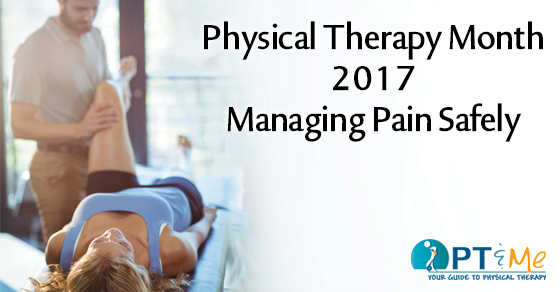
Physical Therapy Month 2017 – Managing Pain Safely

This Physical Therapy Month we want patients to try physical therapy first! Physical therapy is a safe non-invasive form of treatment for patients experiencing musculoskeletal pain or injuries.

PHYSICAL THERAPY is a safe and SMART alternative to opioids.

Great candidates to be referred to physical therapy instead of prescribing pain pills include:

  • A patient that has had pain for more than 90 days
  • A patient that complains of pain disturbing their sleep or daily activities
  • A patient that has a history of substance abuse or has been on pain medication for an extended period of time
  • A patient that expresses an interest in avoiding opioids

Try physical therapy and see the difference!

PT News

This Month in PT News. Featuring articles from PTandMe partnering clinics!

1. Foot Pain in Dress Shoes
Written by the Therapy Team at the Jackson Clinics Physical Therapy – Northern Virginia

Have you ever had a long anticipated night on the town spoiled by sore feet? The source of your discomfort just might be those pretty shoes you have chosen to wear. Read more

2. Knee Pain… Could it be Patellar Tendinitis?
Written by the Therapy Team at Denali Physical Therapy – Anchorage, AK

What is Patellar Tendinitis?
The patellar tendon is a ligament that connects the shin bone to the patella that helps the muscles extend the knee. Read more

3. ARC Physical Therapy+ Expands with a New Clinic in Urbandale, Iowa
Written by the Therapy Team at ARC Physical Therapy – Urbandale, IA

ARC Physical Therapy+ is pleased to announce the opening of a new clinic in Urbandale, Iowa on September 25th, 2017. This makes the third ARC Physical Therapy+ clinic in Iowa and the 18th clinic across Iowa, Missouri and Kansas. Read more

Fall Prevention Physical Therapy

Physical Therapy for Balance & Fall Prevention

“Falls are the leading cause of injury death for Americans 65 years or older. Each year, about 35–40% of adults 65 and older fall at least once.”
— Center for Disease Control

Physical Therapy for Fall Prevention
Physical therapy fall prevention programs are tailored around each individual’s needs. The length of the program is dependent on the severity of the symptoms and the goals of each individual. Most patients will follow a gradual path of three distinct phases. After an initial evaluation to determine needs and goals of patient and we will set up treatment plan with patient input. The first phase typically includes therapeutic interventions designated to decrease symptoms and the establishment of a Home Exercise Program (HEP). We will then Continue the use of therapeutic interventions with the addition of ADL modifications, and energy conservation techniques. Finally we will continue the program until the patient’s goals are met.

The main objectives in a fall prevention program are to:

  • Increase independence with Activities of Daily Living (ADLs)
  • Increase independence with functional mobility
  • Decrease fall risk
  • Prevent future fall
  • Increase safety

Pain Relief
Our PTandMe licensed physical therapists are skilled in helping patients significantly reduce the risk of falls so that seniors can continue to age independently. If you or someone you know may benefit from a fall prevention program – call a clinic near you today and see what options are available for you! To find a PTandMe partnering location in your area click here.

SI pain physical therapy

Women’s Health: The Sacroilial (SI) Joint and How It Affects You

It has been estimated that about 95% of the population will experience low back pain at some point during a lifetime. Low back pain may be due to many different causes and anatomical structures, one such structure is the SI joint. Here is some pertinent information about the SI joint and how it may affect your general health.

8 FUN FACTS:

What is the SI joint?
It is a joint connecting the sacrum and the ilium, 2 bones included in the pelvis. The pelvis connects the upper body to the lower body, more specifically the spine to the hips.

What does the SI joint do?
It helps to stabilize your core during functional and work activities and helps with shock absorption during weight-bearing activities including walking. Stability is also assisted by the ligaments, fascia, and muscles that attach to the joint. This includes back, gluteal, hip, and pelvic floor musculature.

Who feels SI pain?
People with leg length discrepancies, asymmetrical lower extremity weakness, scoliosis, pregnant women due to increased ligamentous laxity, women > men due to pelvic anatomy, and those who have experienced a traumatic event such as a fall or a motor vehicle accident or that perform repetitive activities with poor body mechanics including lifting and bending.

Where would you feel SI pain?
Directly over the SI joint, in the buttock, lateral or posterior thigh, or sometimes in the groin.

When may you feel SI pain?
Rolling in bed, rotating your trunk, walking, stair ascent or descent, standing from a sitting position, single leg activities

What positions/activities should be adopted?
Sleep with a pillow between your lower extremities, perform slow, controlled movements, maintain equal weight-bearing through lower extremities with transitional movements and standing, log roll during bed mobility to keep lower extremities symmetrical, swing lower extremities out of the car before standing up to prevent trunk rotation.

How can PT help?
Physical therapy has been found to help patients with SI pain get pain relief, reduce inflammation and muscle spasms, improve healing, muscle extensibility, joint mobility and range of motion, strength, muscle control, and gait mechanics.

What does PT treatment for SI pain involve?

Stretching, mobilization techniques, education on proper body mechanics with functional activities, massage, myofascial release, modalities including electrical stimulation for pain modulation and ultrasound to assist with healing and inflammation, muscle energy techniques, and a core stabilization and strengthening exercise program, tailored to the individual patient. If a leg length discrepancy is found, a heel lift may be helpful to restore abnormal forces being placed through the SI joint with weight-bearing activities. An initiation of a home exercise program is also an integral part of physical therapy treatment.

Safe Lifting Practices for Back Injury Prevention

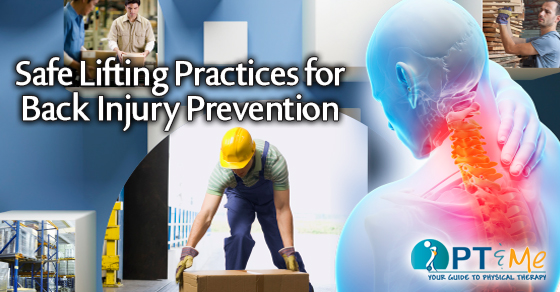
Lifting Safety: Safe lifting practices for back injury prevention.

Whether at home or at work safe lifting practices can keep your back healthy and safe. Before lifting heavy objects decide how you will lift carry & place the item before you pick it up. Test the weight of the load by moving or tipping it. Figure out if you can break the load down by placing the contents of large containers into a number of smaller ones before moving them. Is the path clear? What is the weight of the load? How much stress will be placed upon your back? Is there traffic, a tripping hazard, a doorway to go through, or a stairway to go up or down? Avoid carrying an object that requires two hands to hold, either up or especially down a flight of stairs. Use the elevator. Plan a rest stop, if needed. Knowing what you’re doing and where you’re going will prevent you from making awkward movements while holding something heavy. Clear a path, and if lifting something with another person, make sure both of you agree on the plan.

KEY STEPS FOR SAFE LIFTING PRACTICES

Establish a Base of Support: Use a wide, balanced stance with one foot in front of the other. Make sure that you have firm footing and that your feet are a shoulders-width apart. This staggered stance gives you the stability of not falling over and being able to secure the load.

Keep Your Eyes Up: Looking slightly upward will help you maintain a better position of the spine. Keeping your eyes focused upwards helps you keep your back straight.

Get a Good Grip: With your palms and make sure you have an adequate hold on the object. Be certain you will be able to maintain a hold on the object without having to adjust your grip later. You can use gloves to help maintain an adequate grip, but don’t rely on gloves because they can desensitize the fingers and make you unable to feel the object.

Lift Gradually with Your Legs: Without using jerky motions. By using your leg strength, your chance of lower back injury is greatly reduced.

Tighten you stomach muscles: As you begin the lift and keep you head and shoulders up.

Pivot – Don’t Twist: Move your feet in the direction of the lift. This will eliminate the need to twist at the waist.

Weight: A lighter load normally means a lesser risk of injury. The weight of the object should be within the capacity of the person to handle safely.

Handling: It is easier to pull or push a load than it is to lift, put down or carry.

Keep the Load Close: Holding a 20lb object with your hands 20 inches from the body creates more compressive force on your low back than holding it 10 inches away. This is because the muscles in your back have to work to counterbalance the weight when it is further from the body. As the compressive force on your low back increases, so does the risk of muscle strains, ligament sprains and damage to the disks in the spine.

Frequency: The more times a load is handled, the more tired the muscles become, making it easier for the person to be injured.

Distance: The farther the load has to be moved, the greater the risk of injury.

Duration (TIME): Where the job involves repetitive movements, reducing the time spent on handling will help to ensure the movements are not causing unnecessary strain.

Forces Applied: Forces should be applied smoothly, evenly and close to the body. Forces exerted should be well within the capacity of the person, and the person should maintain proper posture.

Nature of the Load: Loads that are compact, stable, easy to grip, and capable of being held close to the body are much easier to handle.

Terrain: Rough ground, steep slopes, slippery and uneven floors, stairs and cluttered floors make moving a load awkward and increase the chance for injury.

Environment (Climate & Lighting): If it is too hot, too humid, too cold or the lighting is inadequate, the capacity to work safely is reduced.

Condition of the Workplace: Safe and comfortable working conditions, with adequate space to perform the task, and tools and equipment that are well-maintained, make their job safer.

Age/Gender: Young and old workers alike may be at an increased risk of injury from manual materials handling activities. Ensure abilities of employees are in line with functional job requirements.

Training: Proper training for the specific task is vital to reduce injury.

Team Lifting: If one person cannot lift or move a heavy, large or awkward object safely, organize a team lift. Team lifting reduces the risk of injury, reduces fatigue and makes the task much easier.

Raise/Lower Shelves: The best zone for lifting is between your shoulders and your waist. *Put heavier objects on shelves at waist level, lighter objects on lower or higher shelves.

Avoid Lifting from the Floor: Lifting from the floor can greatly increase your risk of injury for two reasons. Firstly, it is difficult to bring objects close to your body when picking them up from the floor, especially large objects where your knees can get in the way. Secondly, your low back must now support the weights of your upper body as you lean forward, in addition to supporting the weight of the item you are lifting. Lifting the same 20lbs from the floor more than doubles the amount of force on your low back when compared with lifting is from waist height. Even a one pound object lifted from the floor increases you risk of injury if you use a bent over posture.

Get Help When You Need It: Don’t try to lift heavy or awkward loads on your own. Even though the muscles in your upper body may be strong enough to handle the load, the muscles, ligaments and disks in your lower back may be injured because of the additional forces they have to withstand. Get help from a co-worker, and whenever possible, use a cart, hand truck or other mechanical device to move the load for you.

This content was written by Fit2WRK who has partnered with PT and Me to give a comprehensive look into the services physical and occupational therapists provide. For more information on Fit2WRK click here.

applied functional science AFS

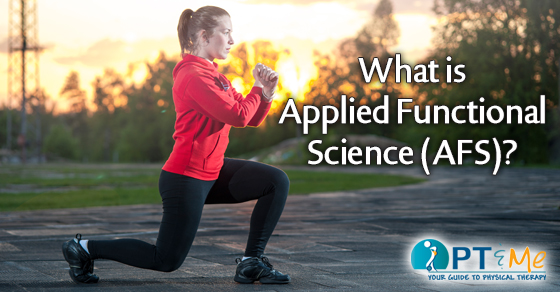
What is Applied Functional Science (AFS)?

The unique and wholistic practice of Applied Functional Science (AFS) requires extensive education and training beyond the traditional education received by rehabilitation clinicians.

AFS vs. Traditional Therapy

Traditional Therapy
Local Joint Focused

TREATMENTS INCLUDE:
• Focused on correcting the injured joint or muscle
• Therapeutic exercise focused on the muscles around the affected joint
• Manual treatments to improve movement in the affected joint
• Successful treatment evaluated by reduction of pain and improved joint strength

Functional Approach
Whole Body Focused

TREATMENTS INCLUDE:
• Source of pain and cause of pain are rarely the same
• Focused on correcting the underlying cause of the injured joint or muscle
• Therapeutic exercise individual developed based on patient-specific mechanics and affected functional tasks
• Manual treatments utilized to help facilitate normal functional mechanics
• Successful treatment evaluated by restoring pain free function lost due to injury

Body, Mind, and Spirit Do I need a Specialist?
Applied Functional Science (AFS) is a unique approach that uses the collaboration of the physical, biological and behavioral science used to treat patients as a whole. AFS uses biomechanics affected by the everyday forces of life to identify and treat the underlying cause of an injury.

Physical: Functional mechanics of the joints and muscles as they respond to everyday activities

Biological:
Functional application of neuromuscular properties in everyday activities

Behavioral: Why are you here? Incorporating personal driving factors and goals for betterment in your individualized treatment plan

This information was written by Plymouth Physical Therapy Specialists, an outpatient physical therapy group with 17 locations in Michigan. Plymouth Physical Therapy Specialists was established in 1994 by Jeff Sirabian PT, MHS, OCS, Cert. MDT, CSCS. With over 20 years of experience in orthopedics and sports medicine, Jeff has established a state of the art physical therapy practice with 17 locations to conveniently serve you. For more information click here.

PT News

This Month in PT News. Featuring articles from PTandMe partnering clinics!

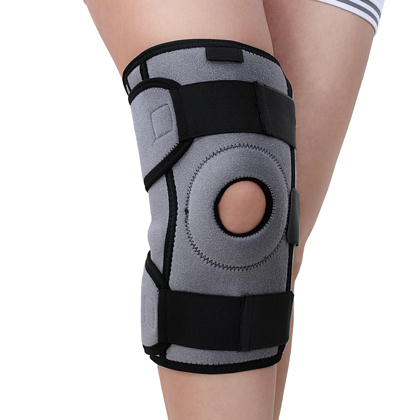
1. Does Wearing a New Knee Brace Help?
Written by the Therapy Team at the Jackson Clinics Physical Therapy – Northern Virginia

As the largest joint in the body and because of its exposed position, the knee is especially vulnerable to injury during sports activities. Read more

2. Is Apple Cider Vinegar the Remedy You Need?
Written by the Erin Clason, PT at the Center for Physical Rehabilitation and Therapy – Grand Rapids, MI

Apple cider vinegar (ACV) has been used for centuries as a folk remedy to treat everything from warts and the common cold to acid reflux and arthritis. Read more

3. Therapeutic Ultrasound
Written by Angeline Peterson, PT at Intermountain Physical Therapy and Hand Rehabilitation – Meridian, ID

“Are you checking for a foot baby?” That question is not one you may hear very often and may spark further conversation. Read more

sensory integration

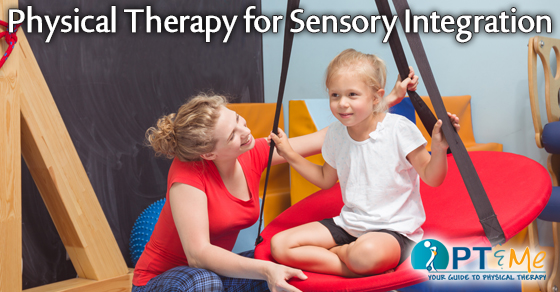
Physical Therapy for Sensory Integration

What Is Sensory Integration?
It is the organization of our senses for use. Our senses include vision, auditory, tactile, olfactory, gustatory, vestibular, and proprioception. Our senses give us information about physical aspects of our body and the environment around us. This is a higher functioning process that takes place inside the brain. The brain is responsible for organizing all sensations to assist us in learning and behaving normally. When your sensory system is functioning appropriately we can form perceptions, manifest appropriate behaviors, and learn without complications. When your sensory system is not functioning appropriately, everything seems to be disorganized and chaotic.

What is Sensory Processing?
The brains ability to receive, organize, and efficiently use information provided to us from all the senses. This means taking information in the environment, organizing it within the central nervous system, and peripheral nervous system resulting in a motor response.

What is Sensory Processing Disorder (SPD)?
Sensory Processing Disorder (also known as SPD), is when the central nervous system is not processing correctly.

There are 3 types of SPD:

1.) Sensory Modulation Disorder
2.) Sensory Discrimination Disorder
3.) Sensory Based Motor Disorder

Sensory Integration Program Goals:

  • Increase Sensory Processing
  • Increase Self Regulation
  • Increase Self Esteem
  • Increase Learning Ability
  • Increase Social Skills
  • Increase Gross/Fine Motor Skills
  • Increase Motor Planning
  • Increase Coordination
  • Increase Socialization
  • Increase Coping Skills
  • Increase Visual
  • Motor/Perception

AND HAVE FUN!

This information was written by ProCare Physical Therapy, an outpatient physical therapy group with 11 locations in Pennsylvania. ProCare physical therapists select only appropriate tests to evaluate and quantitatively measure the patient’s problem. Then, in consultation with the referring physician, an appropriate rehabilitation plan is developed. For more information click here.

solar eclipse

2017 Solar Eclipse Celebration

The 2017 Solar Eclipse is Monday August 21st, so be sure to view this once in a lifetime event by visiting one of our many PT & Me physical therapy clinics. Some of our PT & Me clinics (in or nearest to the solar eclipse path) will be hosting viewings during this time and distributing solar eclipse viewing glasses. Find out if physical therapy can help you and join in on the solar eclipse fun! Be sure to check with your local PT & Me provider (based on the total eclipse path) by viewing the map shown below.

For more information on physical therapy clinics near the solar eclipse path or near you click here.

For NASA information on the 2017 Solar Eclipse click here.